
Electronic Door Handle Trends for B2B Buyers | KEYPLUS
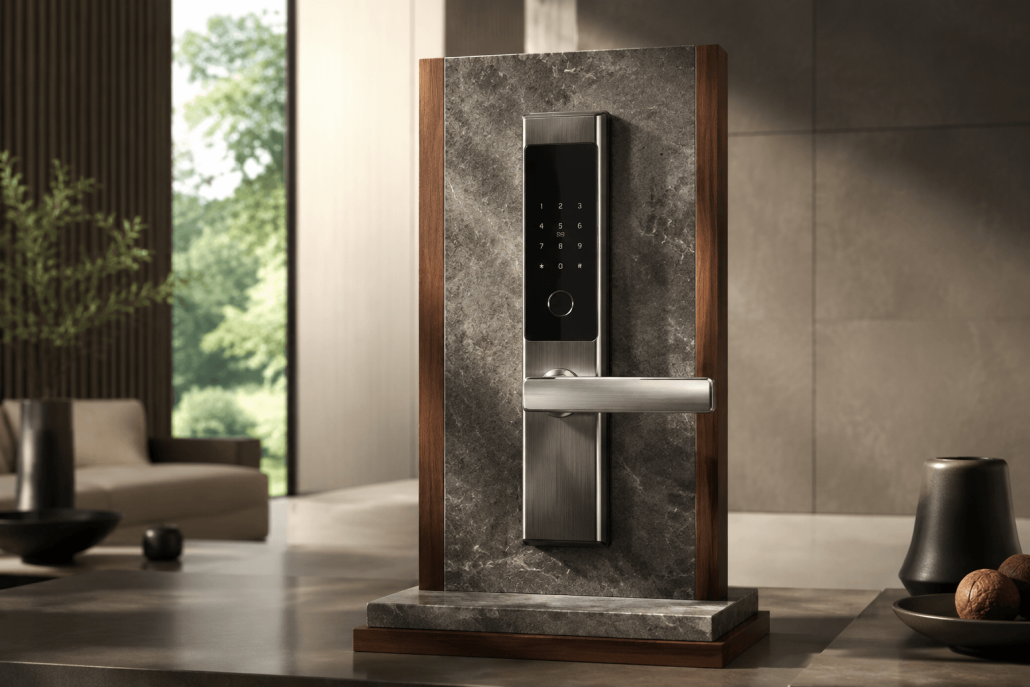
The global smart lock market is projected to reach $8.13 billion by 2026, driven by growing demand for advanced access control solutions (Fortune Business Insights, 2023). As businesses and residential projects increasingly adopt smart home ecosystems, B2B buyers are seeking electronic door handles that combine security, convenience, and scalability. These solutions are essential for property management, hospitality, and rental industries, where remote access and app integration are becoming standard requirements.
Why Demand for Electronic Door Handles is Growing
Smart home penetration in developed markets is expected to surpass 60% by 2026 (Statista, 2024). This trend is fueling demand for electronic door handles in residential, commercial, and hospitality applications. For example, in the rental market, landlords prioritize solutions that enable remote access and temporary passcodes for ease of tenant management. Similarly, hotels are adopting electronic locks to streamline guest check-ins and improve operational efficiency.
KEYPLUS, a leader in smart lock manufacturing, offers solutions tailored for various industries. Their TTLock and Tuya-compatible products integrate seamlessly into existing smart home ecosystems, providing app-based control and audit trail functionality. This versatility makes them an ideal choice for distributors and project buyers looking for reliable, future-ready solutions.
Key Features B2B Buyers Evaluate in Smart Lock Suppliers
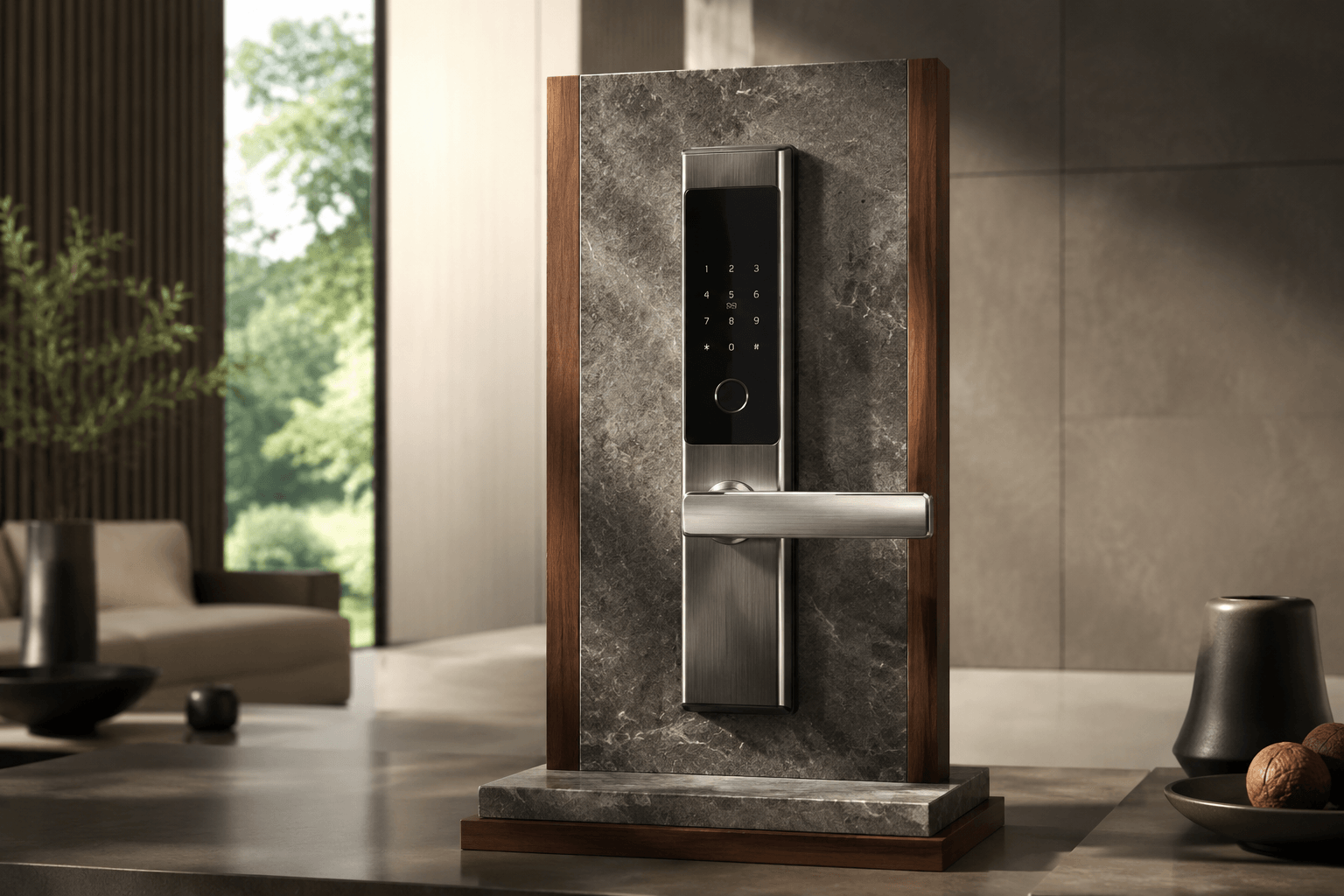
When sourcing electronic door handles, B2B buyers prioritize several key features. According to McKinsey (2023), 73% of buyers value app integration and remote access. These features enable property managers to control access remotely and monitor usage through audit trails. Additionally, compatibility with popular ecosystems like TTLock and Tuya is often a deciding factor for smart home projects.
Installation compatibility is another critical consideration. Buyers must assess whether a lock is suitable for various door types, including mortise, cylindrical, or deadbolt configurations. For instance, electronic door handles from KEYPLUS are designed to fit standard door dimensions and offer flexible installation options, reducing project complexity.
Certifications such as ANSI/BHMA Grade 1 are also crucial. This standard is required for 68% of commercial access control projects (BHMA, 2023). Buyers should ensure their supplier provides certified products to meet compliance requirements and enhance end-user trust.
Compliance, Standards, and Technical Considerations
Compliance with international standards is non-negotiable for importers and distributors. Certifications like CE, FCC, and RoHS ensure that electronic door handles meet safety and environmental regulations. Additionally, IP ratings for water and dust resistance are essential for outdoor installations.
Battery performance is another technical factor that influences purchasing decisions. Long battery life reduces maintenance costs and ensures uninterrupted operation. KEYPLUS products feature energy-efficient designs and low-battery alerts, providing peace of mind for property managers and end-users alike.
Choosing the Right Electronic Door Handle for Your Project
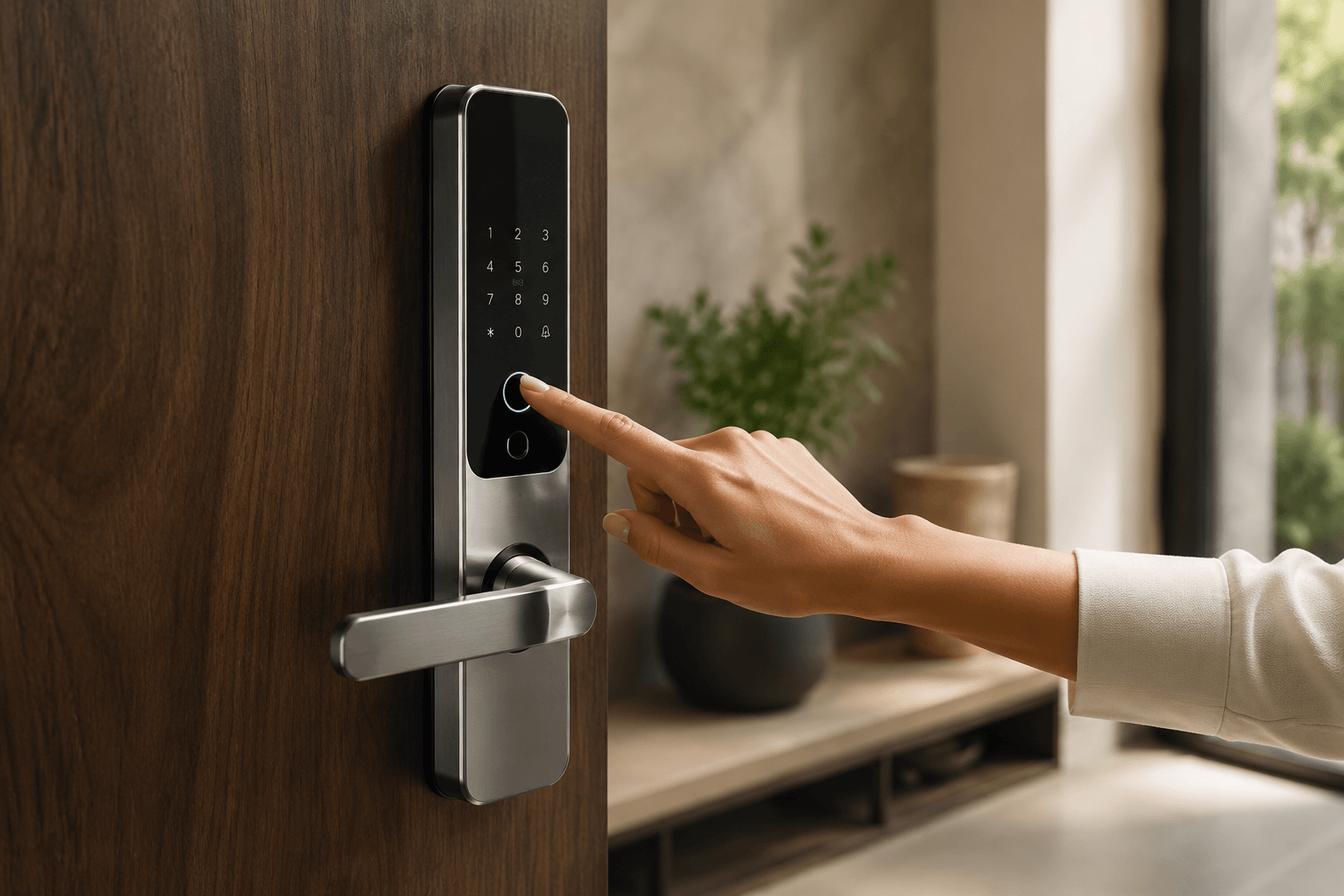
Selecting the right electronic door handle depends on the project’s specific needs. For residential applications, features like fingerprint authentication and app control are highly sought after. In contrast, hotels may require RFID card access and integration with property management systems.
For rental properties, remote access and temporary PIN functionality simplify tenant turnover and enhance operational efficiency. KEYPLUS offers customizable solutions, allowing buyers to select features that align with their project requirements. Their OEM and ODM capabilities further enable tailored solutions for unique use cases.
Sourcing Strategies and Long-Term Partnerships
To ensure a successful sourcing strategy, buyers should evaluate potential suppliers based on their manufacturing capabilities, lead times, and after-sales support. Partnering with a reliable manufacturer like KEYPLUS can reduce project risks and improve delivery timelines. Their expertise in smart lock R&D and production ensures high-quality, scalable solutions for B2B buyers.
As the market for electronic door handles continues to grow, staying ahead requires strategic sourcing and a focus on innovation. By choosing a supplier with a proven track record, buyers can meet the evolving demands of their customers and achieve long-term success.
Frequently Asked Questions
How do I install electrified door hardware electric locks exit devices?
Installation typically involves wiring the electrified components to a power source and integrating them with access control systems. According to BHMA (2023), certified installers can ensure compliance with safety standards and optimize system performance. For complex setups, consult the manufacturer’s installation guide or hire a professional.
What are electric shock door handles for cars?
Electric shock door handles are designed to deter theft by delivering a mild electrical shock. While not common in residential or commercial applications, they are sometimes used in high-security vehicles. Ensure compliance with local regulations before considering this option.
What is an electrified crash bar with vertical rods?
An electrified crash bar with vertical rods is a panic exit device that integrates with access control systems. It allows for secure egress while maintaining controlled entry. These are commonly used in commercial buildings and must meet ANSI/BHMA standards for safety and performance.
How does an electric latch retraction panic bar work?
Electric latch retraction panic bars use an electronic mechanism to retract the latch, allowing for remote unlocking. These devices are ideal for high-traffic areas where quick egress is essential. Ensure the device is compatible with your access control system for seamless operation.
What certifications are required for electrified door handles?
Certifications like CE, FCC, and ANSI/BHMA Grade 1 are commonly required. These ensure that the product meets safety, environmental, and performance standards. Always verify certifications before purchasing to comply with local regulations and project requirements.
What are the benefits of partnering with a supplier like KEYPLUS?
KEYPLUS offers OEM and ODM capabilities, ensuring tailored solutions for diverse applications. Their products are certified to meet international standards, providing reliability and peace of mind. For buyers seeking flexible lead times and robust after-sales support, KEYPLUS is a trusted partner.

