
Best Biometric Door Lock Trends for Smart Buyers in 2024
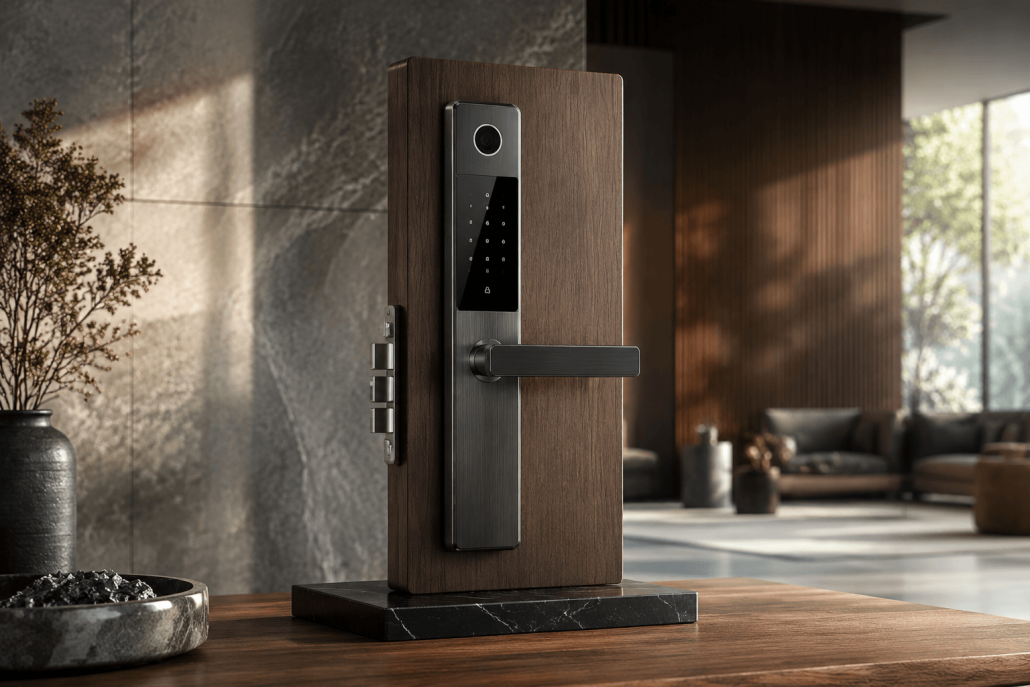
The global smart lock market is experiencing unprecedented growth, with projections reaching $8.13 billion by 2026 (Fortune Business Insights, 2023). This surge is driven by soaring demand for advanced access control solutions in residential, rental, and hospitality applications. Buyers now prioritize features like biometric authentication, app integration, and remote access to meet evolving security needs. For businesses sourcing the best biometric door lock, understanding market trends and supplier capabilities is critical to making the right investment.
About Best Biometric Door Lock: Why Demand for Smart Locks is Growing Across Industries
For B2B buyers, selecting the right best biometric door lock supplier is critical. KEYPLUS offers certified smart lock solutions with TTLock/Tuya integration, OEM/ODM flexibility, and competitive MOQ. Learn more below.
Smart locks are transforming how people secure their homes and properties. According to Statista (2024), smart home penetration in developed markets is expected to surpass 60% by 2026. This trend reflects growing consumer confidence in connected devices, particularly in residential and rental sectors.
In addition, property managers and hospitality providers are adopting smart locks to streamline operations and enhance guest experiences. For example, hotels increasingly prefer face recognition smart locks and RFID card systems for seamless check-ins and heightened security. Furthermore, 73% of B2B buyers prioritize app integration and remote access when evaluating smart locks (McKinsey, 2023). These capabilities allow property managers to monitor and control access remotely, boosting operational efficiency.
Suppliers like KEYPLUS play a pivotal role in supporting this demand with TTLock and Tuya-compatible solutions. Their biometric smart locks integrate seamlessly with app ecosystems, offering advanced features like remote access, temporary PINs, and audit trail monitoring.
Key Features B2B Buyers Evaluate in a Smart Lock Supplier
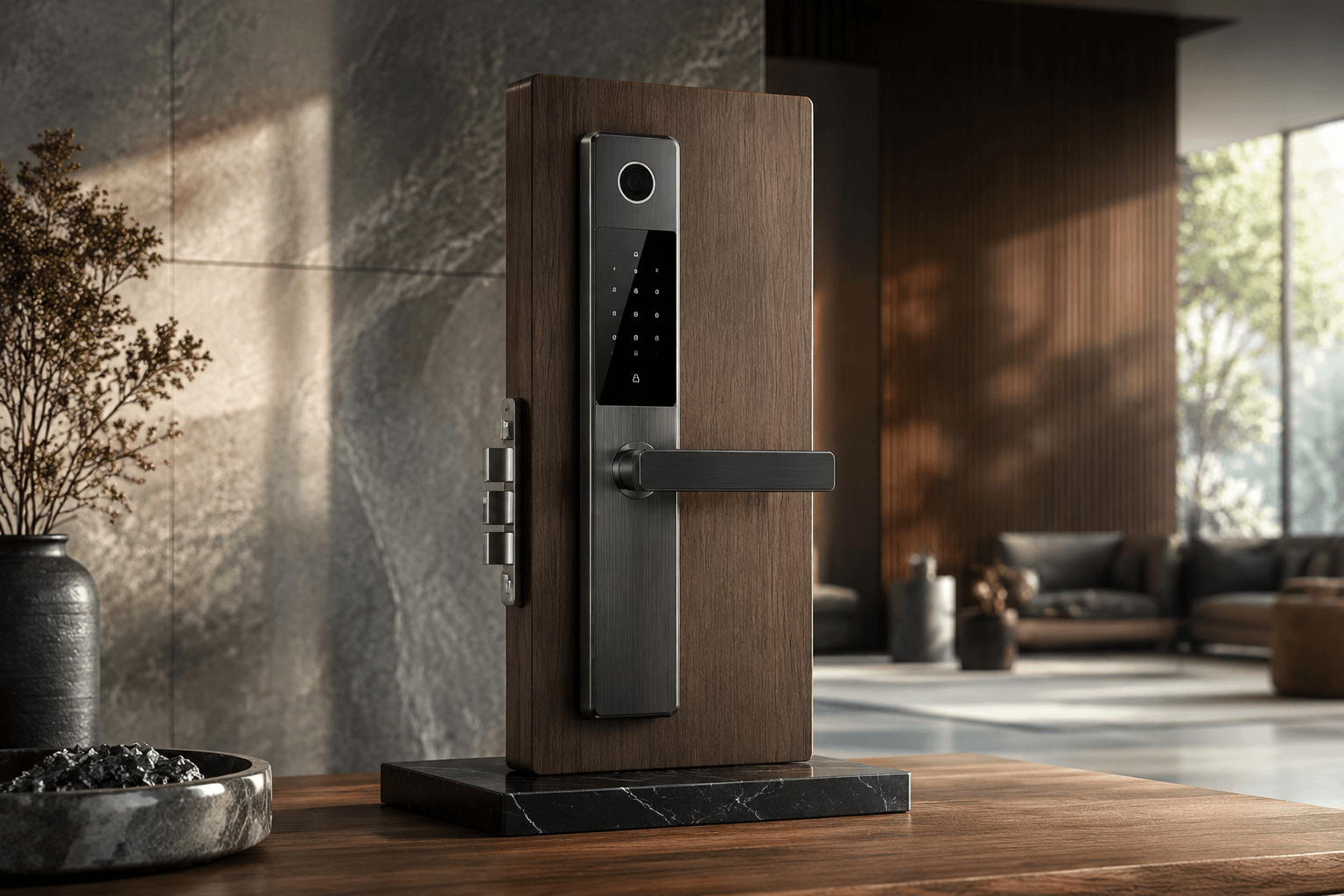
When sourcing smart locks, buyers need to consider a range of technical and commercial factors. Unlock methods, such as fingerprint recognition, face recognition, and temporary passcodes, are becoming standard expectations. Buyers also evaluate app ecosystems, such as Tuya or TTLock, for compatibility with their existing systems.
Certifications play a significant role in supplier selection. For instance, ANSI/BHMA Grade 1 certification is required for 68% of commercial access control projects (BHMA, 2023). Locks with this certification ensure durability and reliability, making them suitable for high-traffic environments like offices and hotels.
As Sarah Liu, a Security Consultant, states: “B2B buyers should prioritize suppliers that balance innovation with compliance. Features like remote access and biometric authentication gain value when paired with robust certifications and after-sales support.”
Installation compatibility is another critical factor. Smart locks must fit various door types, including mortise and deadbolt configurations, to meet diverse project requirements. Additionally, suppliers like KEYPLUS offer OEM/ODM customization, ensuring locks align with specific buyer needs, from branding to technical specifications.
Compliance, Standards, and Technical Considerations
Compliance with international standards is non-negotiable for importers and distributors. CE, FCC, and RoHS certifications confirm a product’s adherence to safety and environmental regulations. These certifications are particularly crucial for export markets, where non-compliance can result in shipment delays or penalties.
Battery performance and durability are also key considerations. Smart locks must maintain reliable performance across various environmental conditions. IP ratings, such as IP65, ensure resistance to dust and water, making locks suitable for outdoor use. Furthermore, app compatibility with popular platforms like Tuya enhances user experience, allowing seamless control and integration with other smart home devices.
KEYPLUS emphasizes compliance in its manufacturing processes, delivering CE-certified locks that meet stringent quality standards. Their products are also tested for compatibility with various international markets, ensuring hassle-free distribution.
Choosing the Right Smart Lock for Your Project
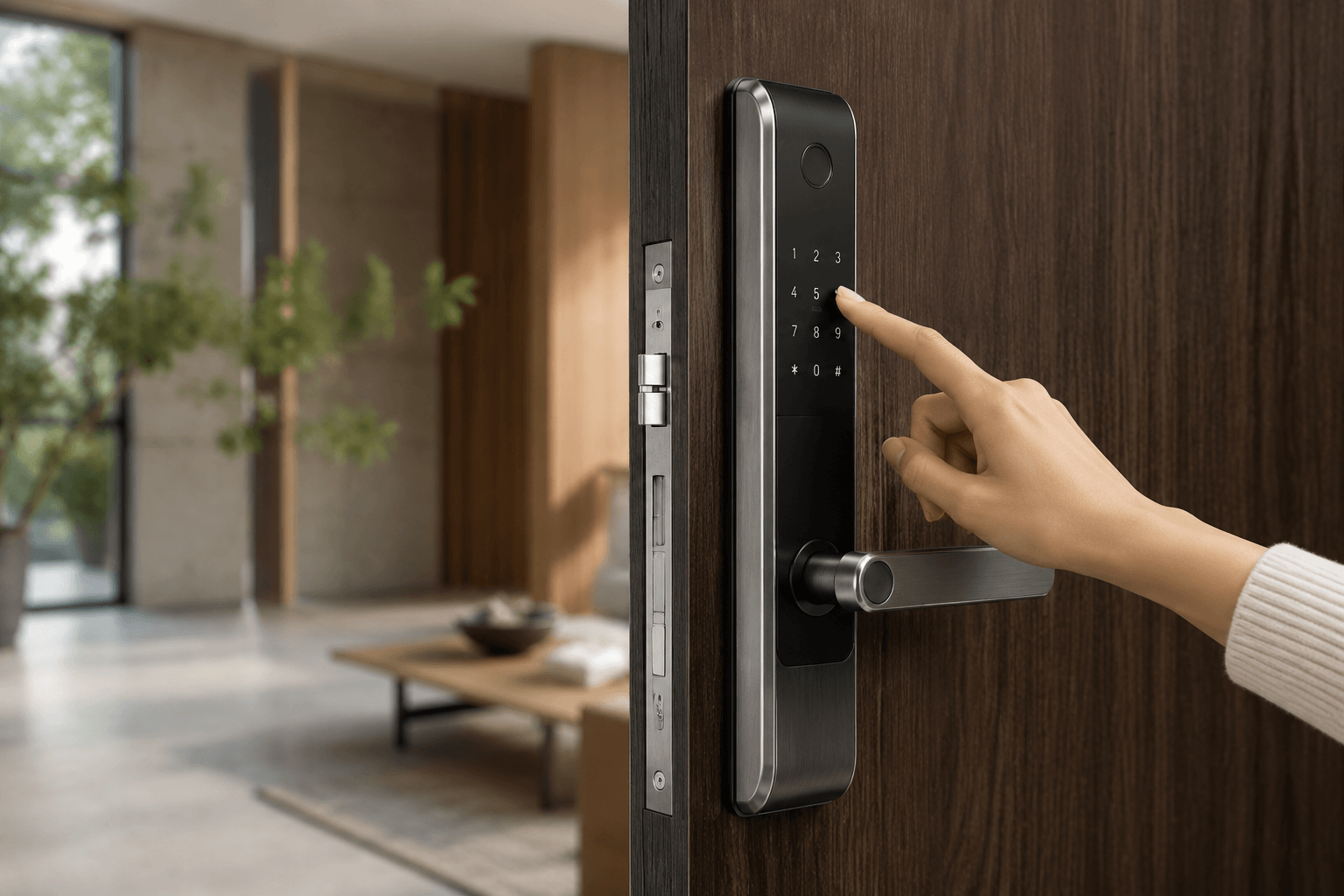
Selecting the best biometric door lock depends on the specific use case. Residential buyers often prioritize ease of use and app-based control, while hotels may require advanced features like face recognition or RFID card access. Rental property managers benefit from locks with temporary PIN features, enabling seamless tenant transitions.
Compatibility with existing door types and software ecosystems is equally important. Buyers should confirm that locks support their preferred app platforms, such as TTLock or Tuya. Additionally, sourcing from suppliers with robust project support improves installation efficiency and reduces long-term costs.
KEYPLUS offers flexible OEM/ODM solutions, catering to diverse project requirements. Their low MOQ and stable lead times make them a reliable partner for distributors and project buyers.
Future Outlook for Smart Lock Manufacturing and Sourcing
The smart lock industry is poised for significant advancements. Biometric adoption, particularly fingerprint and face recognition technologies, will continue to grow. Cloud-based access management and AI-powered authentication are also expected to drive innovation.
For distributors and project buyers, partnering with experienced manufacturers like KEYPLUS ensures access to cutting-edge technology and consistent quality. Buyers should consider long-term factors such as warranty support, product stability, and customization options when selecting a supplier. By aligning with trusted partners, businesses can reduce project risks and achieve faster time-to-market.
Frequently Asked Questions
How to choose the right smart lock?
When choosing a smart lock, consider features like biometric authentication, app compatibility, and certifications. For example, ANSI/BHMA Grade 1 locks ensure durability. Additionally, evaluate supplier capabilities for project support and customization.
What is the most reliable smart door lock?
Reliable smart locks often feature certifications like CE and ANSI/BHMA. Brands like KEYPLUS offer Tuya-compatible locks with remote access, ensuring both reliability and convenience for B2B buyers.
Is Yale or Kwikset better?
Both Yale and Kwikset offer high-quality locks. Yale excels in biometric technology, while Kwikset focuses on affordability. Buyers should evaluate their specific project needs to decide.
What is the best door lock with facial recognition?
Facial recognition locks, such as those from KEYPLUS, provide advanced security for high-end applications. These locks integrate with TTLock and Tuya platforms for seamless operation.
How to choose the best smart door lock techface consumer reports?
Consumer reports recommend locks with features like remote access, biometric authentication, and robust certifications. KEYPLUS delivers solutions that meet these criteria, ensuring reliability for diverse applications.
Best smart door lock with handle?
Locks with handles, such as mortise models, are ideal for residential and hospitality use. KEYPLUS offers customizable options that include biometric and app-based controls.

