
Automatic Door Locks for Home: Industry Insights and Buyer Guide | KEYPLUS
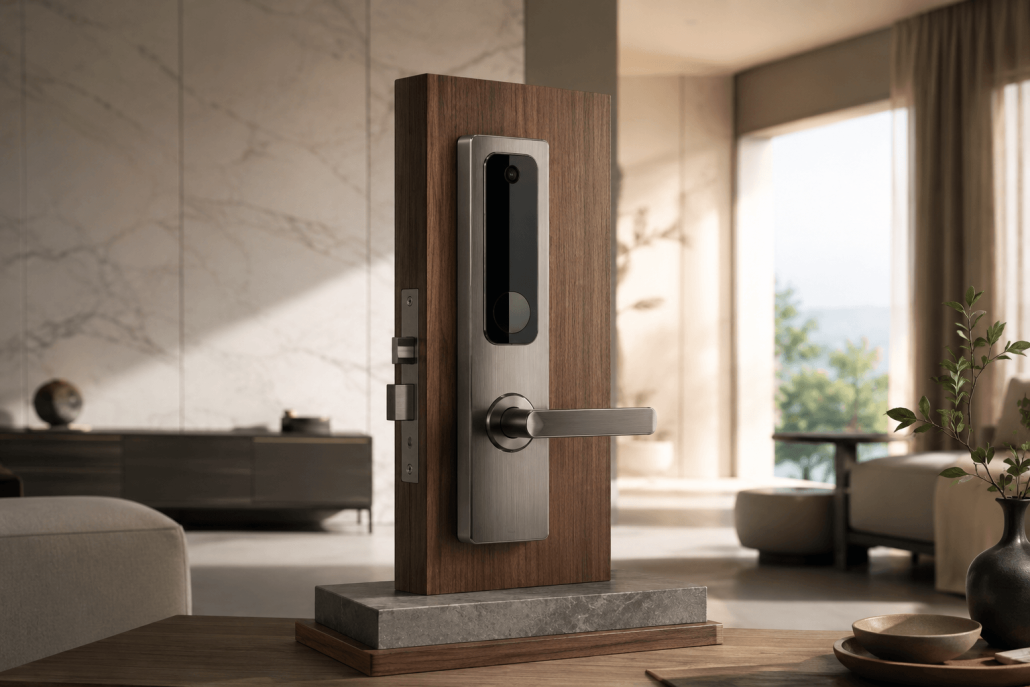
The global smart lock market is projected to reach $8.13 billion by 2026 (Fortune Business Insights, 2023). This rapid growth reflects the increasing demand for secure, convenient, and tech-enabled solutions in residential, rental, and hospitality applications. Automatic door locks for home offer advanced features like remote access, biometric authentication, and app integration, making them essential for modern property management and smart home setups.
About Automatic Door Locks For Home: Why Demand for Automatic Door Locks is Growing
For B2B buyers, selecting the right automatic door locks for home supplier is critical. KEYPLUS offers certified smart lock solutions with TTLock/Tuya integration, OEM/ODM flexibility, and competitive MOQ. Learn more below.
Smart home penetration in developed markets is expected to surpass 60% by 2026 (Statista, 2024). This surge is driving demand for automatic door locks in residential properties, rental apartments, and hotels. These locks provide enhanced security, convenience, and compatibility with smart home ecosystems.
73% of B2B buyers prioritize app integration and remote access when sourcing smart locks (McKinsey, 2023). Features like remote control, temporary PINs, and audit trails make these locks ideal for property managers and hospitality businesses. In addition, CE-certified products ensure compliance with safety and quality standards, making them more attractive to importers and distributors.
Key Features Buyers Evaluate in Smart Lock Suppliers
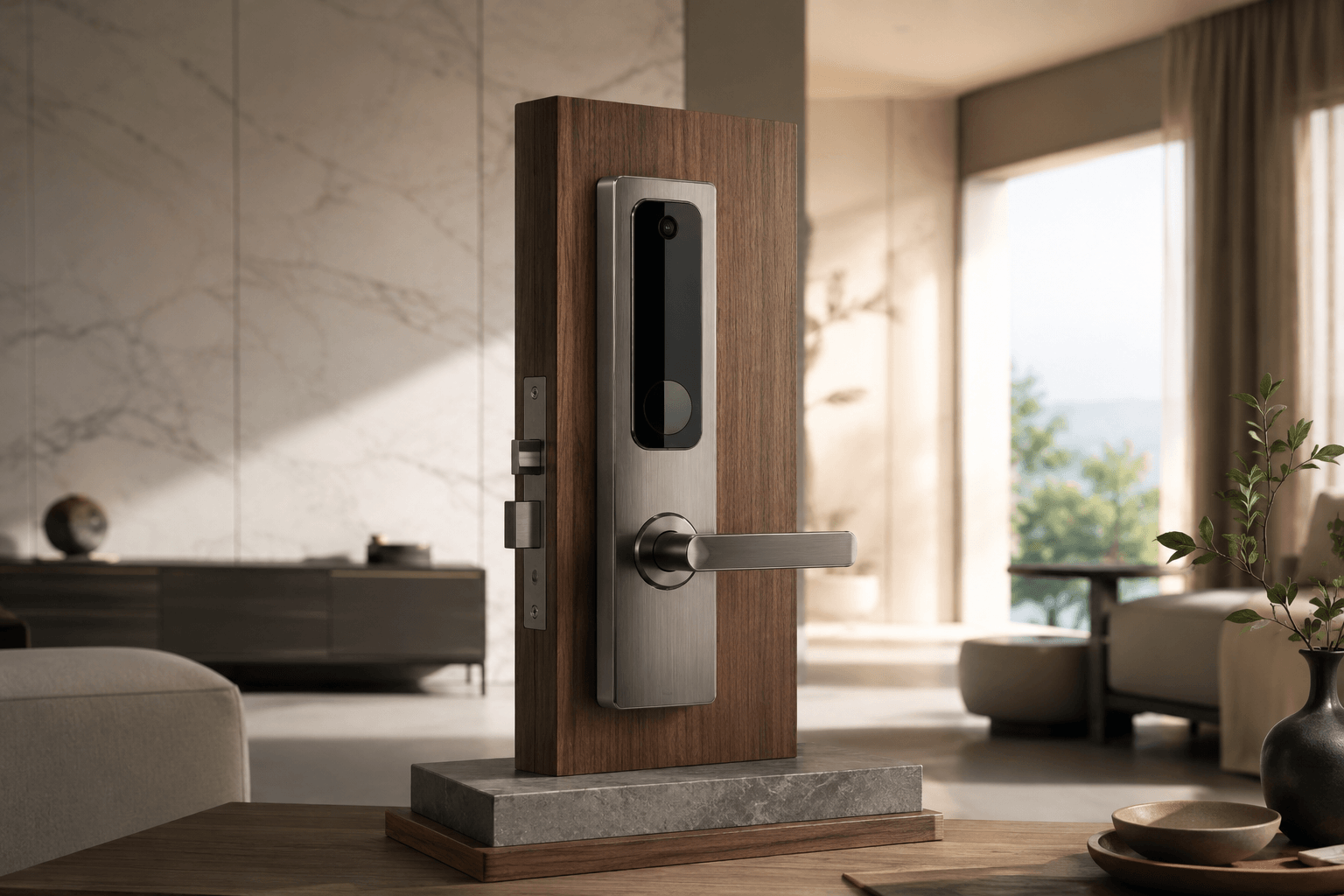
B2B buyers focus on several critical factors when selecting smart locks and suppliers. These include unlock methods (e.g., fingerprint, face recognition, RFID card, and app control), installation compatibility, certifications, and after-sales support.
ANSI/BHMA Grade 1 certification is required for 68% of commercial access control projects (BHMA, 2023). Therefore, buyers often prioritize locks with robust certifications to ensure durability and reliability in high-traffic environments. Additionally, TTLock and Tuya integration enhance remote access and app functionality, making smart locks more versatile and user-friendly.
As Sarah Johnson, Security Analyst, states: “Buyers should evaluate suppliers based on their ability to provide scalable solutions with consistent quality and compliance support. Reliable after-sales service is equally critical for long-term partnerships.”
Compliance, Standards, and Technical Considerations
Compliance with CE, FCC, and RoHS standards is essential for smart lock importers and distributors. These certifications ensure product safety, electromagnetic compatibility, and environmental responsibility. For example, CE-certified automatic door locks for home meet stringent European safety standards, making them ideal for international markets.
Technical factors like battery life, IP ratings, and gateway compatibility also play a key role in sourcing decisions. Locks with extended battery life reduce maintenance costs, while IP65-rated locks offer protection against dust and water, making them suitable for outdoor use. Furthermore, compatibility with smart home platforms like TTLock and Tuya ensures seamless integration and enhanced functionality.
Choosing the Right Smart Lock for Residential, Rental, and Hospitality Projects
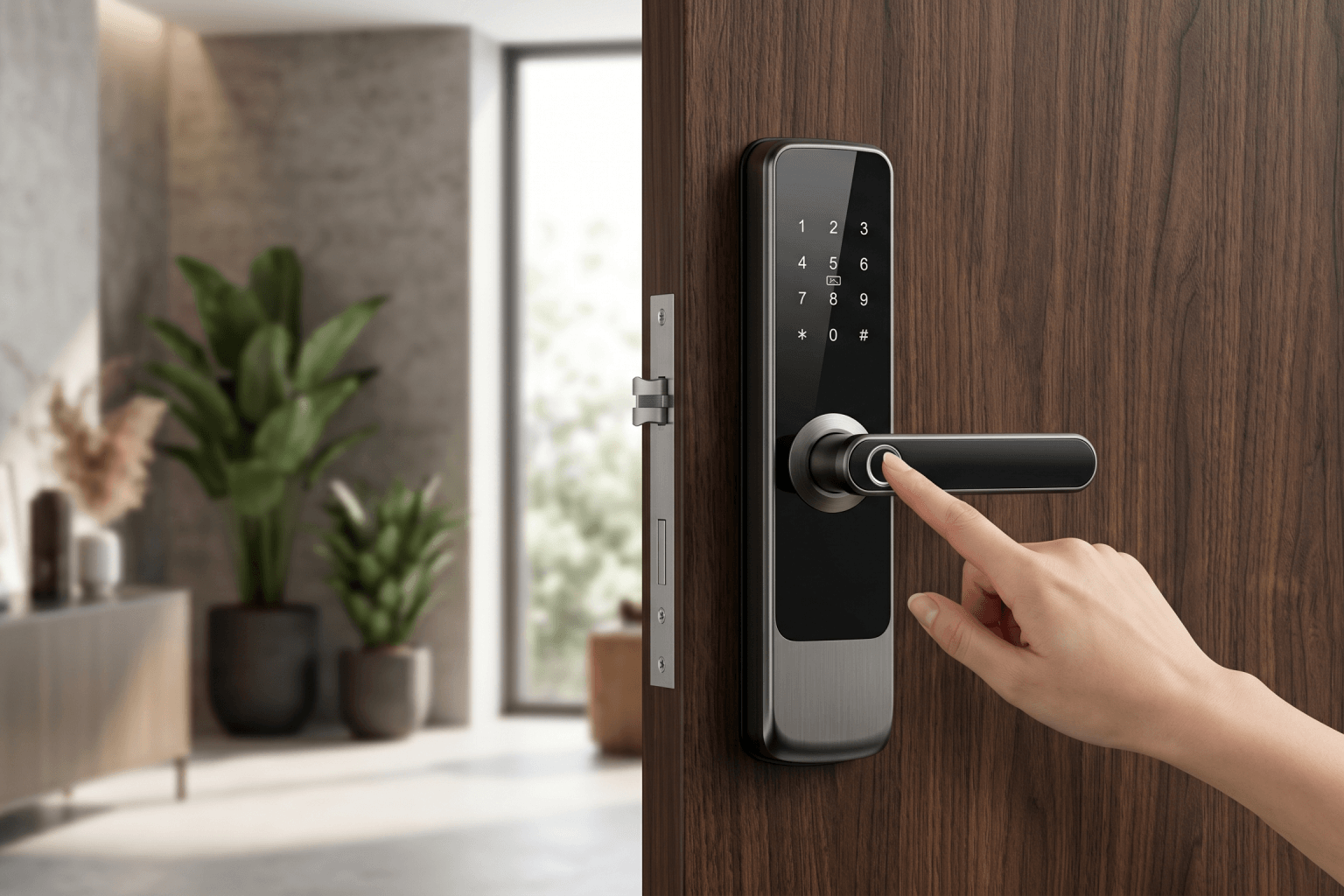
Selecting the right automatic door lock depends on the application scenario. For residential use, fingerprint door locks and Wi-Fi-enabled locks offer convenience and security. Rental properties benefit from locks with temporary PINs and remote access features, which simplify tenant management.
In hospitality, hotel door locks with RFID card access and audit trail capabilities are highly valuable. These locks streamline guest access while providing detailed usage records for security monitoring. Buyers should also consider installation compatibility, ensuring locks fit various door types and thicknesses without extensive modifications.
KEYPLUS specializes in providing customizable OEM/ODM solutions for residential, rental, and hospitality projects. Their expertise in TTLock and Tuya integration ensures seamless operation across diverse applications.
Future Outlook for Smart Lock Manufacturing and Sourcing
The smart lock market is growing at a CAGR of 18.4% (MarketsandMarkets, 2023). Future trends include increased adoption of biometric authentication, cloud-based access management, and AI-driven security solutions. For example, face recognition smart locks and palm vein recognition are becoming more popular in high-security applications.
Distributors and project buyers should prioritize suppliers with strong R&D capabilities, certification support, and scalable production. Partnering with experienced manufacturers like KEYPLUS can reduce sourcing risks and accelerate go-to-market timelines.
Frequently Asked Questions
What is the best smart lock for a rental property?
The best smart lock for rental properties includes features like remote access, temporary PINs, and app integration. According to McKinsey (2023), 73% of buyers prioritize these features for tenant management.
Locks with TTLock or Tuya compatibility simplify access control and provide audit trails for enhanced security. For example, RFID card access and mechanical key backups offer versatile solutions for rental scenarios.
What is the most reliable smart door lock?
ANSI/BHMA Grade 1-certified locks are considered the most reliable for high-traffic applications. These locks meet rigorous durability standards, ensuring long-term performance and security.
As Sarah Johnson, Security Analyst, states: “Reliability depends on a combination of certifications, quality consistency, and supplier support.” Buyers should evaluate suppliers based on these criteria.
Can I do smart lock but keep the same lock for an apartment?
Yes, retrofit smart locks allow you to upgrade existing locks without replacing the entire hardware. These solutions are ideal for apartments and rental properties.
For example, Wi-Fi-enabled locks with app control and temporary PIN features can be installed on standard deadbolt or mortise locks, providing smart functionality without major modifications.
Which smart door locks work with Airbnb?
Smart locks with remote access and temporary PINs are ideal for Airbnb hosts. TTLock and Tuya-compatible locks simplify guest access management.
Features like audit trails and app notifications ensure security and transparency for hosts. Buyers should prioritize locks with CE certifications for safety compliance.
What are the disadvantages of a smart door lock?
Smart locks may require periodic battery replacement and internet connectivity for full functionality. Additionally, compatibility with older doors can be a challenge.
However, modern locks with extended battery life and retrofit designs address these concerns. Buyers should evaluate installation compatibility and support options when sourcing.
Is there a door lock that locks automatically?
Yes, automatic door locks for home use sensors or timers to lock doors automatically. These locks enhance security and convenience for homeowners.
For example, biometric locks with fingerprint sensors can lock automatically after authentication. Buyers should consider app-enabled locks for remote monitoring and control.

