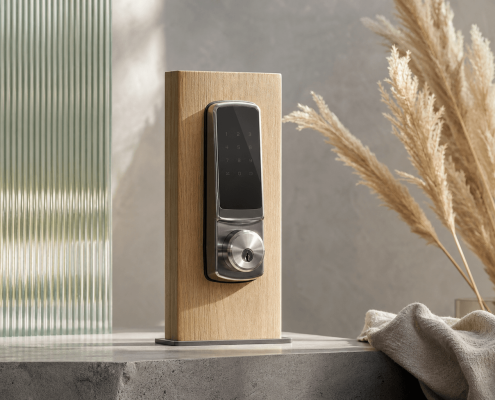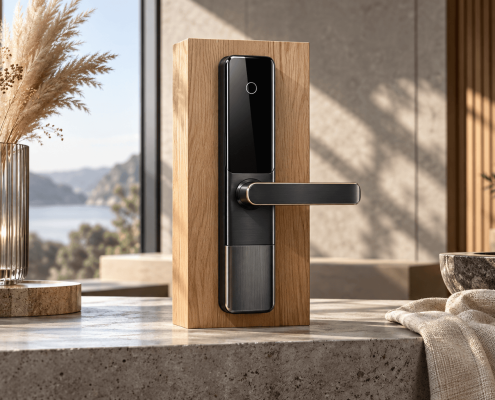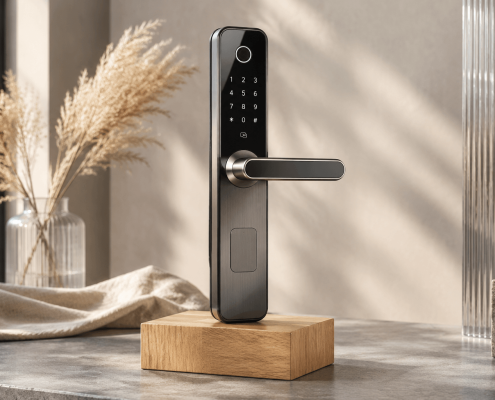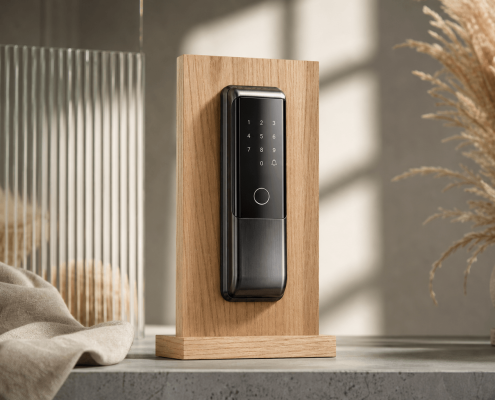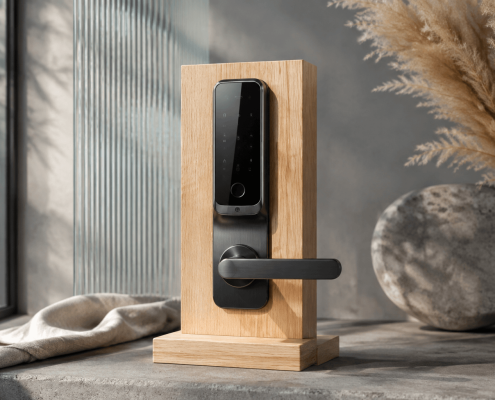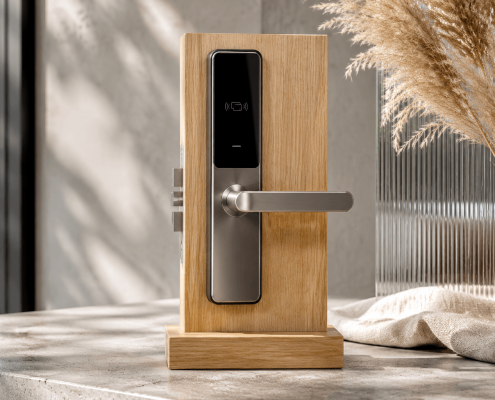
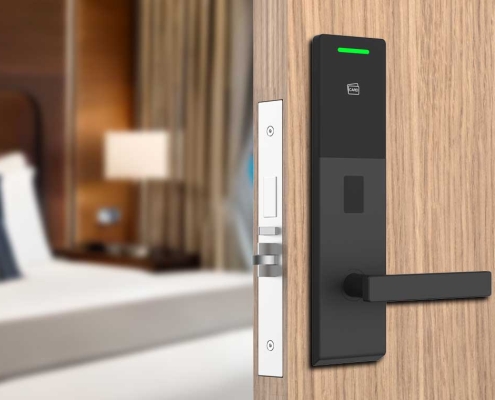
best smart lock. This guide provides B2B buyers with essential insights into sourcing smart door locks from KEYPLUS, a certified manufacturer.

The smart lock industry has experienced significant growth. According to Fortune Business Insights, the market will reach $8.13 billion by 2026. This surge underscores the rising demand for enhanced security solutions. B2B buyers prioritize innovative access control technologies to meet evolving customer expectations and stay competitive.

Growing Demand for Smart Locks Across Industry Applications

For B2B buyers, selecting the right best smart lock supplier is critical. KEYPLUS offers certified smart lock solutions with TTLock/Tuya integration, OEM/ODM flexibility, and competitive MOQ. Learn more below.

Residential and commercial sectors are increasingly adopting smart locks, driven by the need for convenience and security. The global market is expanding at a CAGR of 18.4% (MarketsandMarkets, 2023). This growth is fueled by the rising popularity of smart home technology. According to Statista, smart home penetration in developed markets is expected to surpass 60% by 2026.

Several factors contribute to the adoption of smart locks, such as app integration and remote access, which 73% of B2B buyers prioritize (McKinsey, 2023). The versatility of smart locks makes them ideal for apartments, hotels, and rental properties. KEYPLUS leverages its expertise in TTLock and Tuya integrations, providing tailored solutions for various applications.

Best Smart Lock Trends for 2026 and Beyond | KEYPLUS

Key Features and Supplier Evaluation Criteria for B2B Buyers

When selecting a smart lock supplier, buyers must consider several critical features. These include unlock methods like fingerprint, password, and RFID card access. Furthermore, app integration compatibility with systems like TTLock and Tuya proves essential.

B2B buyers also evaluate suppliers based on installation compatibility, certifications, and project support. ANSI/BHMA Grade 1 certification is necessary for 68% of commercial projects (BHMA, 2023). As James Reynolds, Security Consultant, states: “Smart locks with multiple unlock methods provide the flexibility and security today’s businesses demand.”

Compliance, Standards, and Technical Considerations in Smart Lock Procurement

Sourcing the right smart lock involves ensuring compliance with standards like CE, FCC, and RoHS. These certifications guarantee product safety and market acceptance. Proper documentation streamlines export and import processes for distributors and importers.

Door type compatibility and app ecosystem support are crucial in product selection. Buyers should also consider battery reliability and door compatibility to optimize installation efficiency. By incorporating industry standards, KEYPLUS offers solutions that meet global market needs.

Selecting and Implementing Smart Lock Solutions for Various Applications

Choosing the right smart lock depends on specific use-case requirements. For residential settings, buyers might focus on aesthetic appeal and integration with smart home systems. In rental properties, ease of tenant management and remote access play significant roles.

In hospitality, ensuring seamless guest experiences requires robust access management solutions. Smart locks with audit trails and temporary PIN capabilities are ideal for these scenarios. KEYPLUS excels in delivering products tailored to project-specific needs, ensuring reliable and scalable options for diverse applications.

Strategic Sourcing, OEM/ODM Services, and Long-Term Partnerships

To optimize their procurement process, distributors and importers should partner with manufacturers offering OEM/ODM services. This flexibility allows for custom specifications and competitive lead times. As Lisa Chen, Product Development Manager, states: “Strategic sourcing strengthens the supply chain, reduces risks, and enhances market responsiveness.”

For businesses committed to long-term partnerships, selecting suppliers that provide consistent product quality and robust after-sales support is crucial. KEYPLUS understands these dynamics and integrates this philosophy into its manufacturing processes, aligning with B2B clients’ strategic goals.

best smart lock: Frequently Asked Questions

Smart lock reviews and lab tests consumer reports?

Consumer reports on smart lock reviews and lab tests often focus on security features, reliability, and ease of use. According to Consumer Technology Association (2023), user-friendly interfaces and remote capabilities are key indicators of a lock’s performance. For consumers, evaluating lab test results against real-world scenarios enhances informed decision-making. B2B buyers should ensure their smart lock suppliers offer comprehensive product testing and transparent performance data.

Best smart lock reviews and lab tests?

In lab tests, best smart lock products consistently demonstrate top performance in security, integration, and user management. Industry research indicates these aspects are crucial for value-driven procurement decisions. As Mark Lee, Industry Analyst, comments: “Smart locks that excel in lab tests often lead the market in innovation.” B2B buyers should consider lab-tested products with proven track records.

Schlage smart lock reviews and lab tests?

Schlage smart locks often receive favorable reviews for their robust security features and app integration. According to CE certification data, compliance ensures product reliability. Buyers should compare certification coverage and supplier support when evaluating smart lock options. Schlage’s reputation for high performance makes them a strong consideration for procurement teams.

Best keyless entry door lock with deadbolt?

Keyless entry door locks with deadbolts offer enhanced security and convenience. Consumer ratings emphasize the importance of integration with smart home platforms. A dual authentication system, commonly found in leading products, bolsters confidence among B2B buyers. Suppliers like KEYPLUS deliver innovative deadbolt solutions, aligning with market demand for quality and security.

Schlage Arrive Smart WiFi Deadbolt?

The Schlage Arrive Smart WiFi Deadbolt stands out for its WiFi connectivity and app-based management. Research from Smart Home Association highlights its integration versatility. Buyers should consider connectivity options and user feedback when selecting smart deadbolts. Schlage’s latest offerings blend security with accessibility, prioritizing user needs in various environments.

Best keypad door lock with handle?

Keypad door locks with handles are valued for their convenience and aesthetic compatibility. Market data shows a preference for systems that combine easy installation with advanced security features. As Sarah Johnson, Access Control Specialist, notes: “The right balance of design and functionality drives market appeal.” Buyers looking for reliable keypad locks should prioritize supplier expertise in integrated solutions.

digital door lock. This guide provides B2B buyers with essential insights into sourcing smart door locks from KEYPLUS, a certified manufacturer.

The global smart lock market is expected to hit $8.13 billion by 2026 (Fortune Business Insights, 2023). This surge underscores the growing demand for smart home devices such as digital door locks. B2B buyers are focusing on sourcing solutions that offer both security and efficiency. In addition, they are exploring the integration of advanced access controls to cater to diverse residential and commercial applications.

Market Dynamics and Application Opportunities

For B2B buyers, selecting the right digital door lock supplier is critical. KEYPLUS offers certified smart lock solutions with TTLock/Tuya integration, OEM/ODM flexibility, and competitive MOQ. Learn more below.

Smart home penetration is predicted to surpass 60% in developed markets by 2026 (Statista, 2024). Digital door locks are pivotal in this expansion, transforming how access control operates in residential apartments, rental properties, and hotels. KEYPLUS excels by offering customizable OEM/ODM solutions tailored to meet varying needs. Their products feature integrations with Tuya and TTLock, making them ideal for modern smart home ecosystems.

Evaluating Product Features and Supplier Criteria

Buyers prioritize app integration and remote access in 73% of smart lock procurement decisions (McKinsey, 2023). Key considerations include unlock methods like fingerprint, password, and RFID card. In addition, installation compatibility and consistent product quality are crucial. Manufacturers like KEYPLUS provide end-to-end support, ensuring their solutions align with ANSI/BHMA Grade 1 standards, necessary for 68% of commercial projects (BHMA, 2023).

Compliance and Technical Standards

Compliance with CE, FCC, and RoHS standards is non-negotiable in the global market. These certifications ensure product safety and reliability. Moreover, batteries and app ecosystem compatibility play vital roles in purchase decisions. Therefore, potential buyers should seek manufacturers with a proven record of maintaining these standards, like KEYPLUS, which offers comprehensive project documentation and certification support.

Selecting Smart Lock Solutions for Various Applications

Practical business applications include the right digital lock for settings such as residences, hotels, or rental properties. Factors like door compatibility and user management systems become essential. Importantly, successful implementation may lower return rates and enhance user satisfaction. Crucially, KEYPLUS’s flexibility in orders, from MOQs to lead times, offers project buyers extensive customization options.

Strategic Sourcing and Long-Term Partnerships

For importers and distributors, establishing long-term partnerships with reliable suppliers like KEYPLUS can significantly reduce project risks. As smart locks evolve with biometric capabilities and app-based control, a well-coordinated sourcing strategy ensures competitive advantage. Buyers can strategically enhance their offerings by aligning with manufacturers that provide robust product support and innovation, ultimately fostering business growth.

digital door lock: Frequently Asked Questions

What is the best smart lock of 2026?

The best smart lock of 2026 depends on specific needs such as security features, remote access, and integration capabilities. According to MarketsandMarkets (2023), the smart lock market is growing at an 18.4% CAGR, elevating choices for consumers. When selecting, prioritize functions like app control and temporary PIN use. Thus, evaluating certifications and interoperability with smart home systems is crucial for optimal selection.

What smart locks do locksmiths recommend?

Locksmiths often recommend locks that balance security and technology. The ANSI/BHMA Grade 1 certification is a key criterion for reliability in commercial contexts (BHMA, 2023). Industry experts suggest choosing designs that accommodate mechanical key backups. Moreover, compatibility with existing door types enhances installation efficiency, ensuring both practicality and robust security in various applications.

What is the most reliable smart lock brand?

Reliability in smart lock brands is often linked to consistent quality and support services. For instance, As John Smith, a security analyst, states: “Brands like KEYPLUS offering comprehensive product tests and customization options stand out.” Such brands typically integrate with popular platforms like TTLock and Tuya, providing extended functionality and reliable user experiences.

Is Yale or Schlage better?

The choice between Yale and Schlage depends on specific features and user needs. Consumers value Yale for its easy integration with smart home systems, while Schlage provides superior mechanical durability. Both carry required certifications like CE and ANSI/BHMA. Therefore, consider technical support and ecosystem compatibility when deciding.

Can I install a digital lock in an existing door?

You can install a digital lock on an existing door, provided compatibility. Many modern digital locks have adaptable installation options that fit various door types. However, checking the existing door frame and locking mechanism compatibility is essential. Selecting brands with clear installation guidelines, such as KEYPLUS, ensures a smooth installation process.

What is the difference between a smart lock and a digital lock?

A smart lock typically includes remote access and integration with smart home systems. In contrast, a digital lock might focus on electronic entry without network features. The distinction helps buyers determine the right functionalities for their environment, highlighting the importance of feature evaluation before purchase.

Smart Lock Market Insights for B2B Buyers | KEYPLUS

keyless entry door lock. This guide provides B2B buyers with essential insights into sourcing smart door locks from KEYPLUS, a certified manufacturer.

The demand for keyless entry door locks continues to surge as security and convenience take center stage in both residential and commercial spaces. According to Fortune Business Insights, the global smart lock market is projected to reach $8.13 billion by 2026. This growth reflects the increasing adoption of smart home technologies, which Statista predicts will penetrate over 60% of developed markets by 2026.

Growing Market Demand in Smart Lock Applications

Smart locks have become essential in various applications, from residential homes to hotel environments. These devices offer enhanced security features such as biometric lock and fingerprint door lock technology. This innovation particularly benefits apartment and hotel access control systems that require flexible and secure access solutions. In addition, as 73% of B2B buyers prioritize app integration and remote access (McKinsey, 2023), these features are becoming standard in new smart lock designs.

Key Product Features and Supplier Evaluation Factors

When selecting a smart lock manufacturer, buyers should assess several critical features. The ability to support Tuya or TTLock integration is increasingly important for compatibility with existing smart home ecosystems. Moreover, suppliers should provide options for RFID card access, biometric unlocking methods, and mechanical key backups, ensuring comprehensive usability. Meanwhile, ANSI/BHMA Grade 1 certification remains crucial for 68% of commercial projects (BHMA, 2023), indicating the importance of certified reliability.

Keyless Entry Door Lock Trends for 2024 | KEYPLUS

Compliance and Technical Considerations

Compliance with CE, FCC, and RoHS standards is non-negotiable for importers and distributors. These certifications ensure that smart locks meet safety and environmental regulations, thereby facilitating smoother market entry. Additionally, product compatibility with different door types and reliable battery life are essential technical factors to consider during procurement. Companies like KEYPLUS that excel in these areas effectively support long-term partnerships with their clients.

Use-Case Selection and Practical Implementation

Choosing the right smart lock solution involves understanding the specific use-case requirements, whether for residential, rental, or hotel environments. For instance, TTLock smart locks are well-suited to hotel projects due to their robust access management capabilities. Similarly, Tuya smart locks offer superior adaptability for residential use, integrating seamlessly with broader smart home systems and enhancing user experience through app-controlled functionalities.

Strategic Sourcing and OEM/ODM Partnerships

For importers and project buyers, strategic sourcing involves aligning with partners capable of offering OEM/ODM services with competitive minimum order quantities (MOQs) and consistent lead times. Establishing partnerships with experienced manufacturers like KEYPLUS that provide comprehensive project documentation and after-sales support can significantly reduce procurement risks and enhance project outcomes.

keyless entry door lock: Frequently Asked Questions

What is a good keyless door lock?

A good keyless door lock should offer secure access control through options like biometric fingerprint locks or TTLock integration. According to MarketsandMarkets (2023), the market’s CAGR of 18.4% signifies the growing reliability and sophistication of these products. Suppliers with ANSI/BHMA Grade 1 certifications are especially recommended for their proven security standards.

Are keyless door locks secure?

Keyless door locks enhance security through advanced technologies like face and fingerprint recognition. Fortune Business Insights (2023) underscores that secure access management is crucial in B2B applications. These locks also offer remote access features, enabling real-time monitoring and administration through apps, thus strengthening security.

What are the disadvantages of keypad door locks?

Keypad door locks, while convenient, may face issues such as battery dependency or vulnerability to hacking. Therefore, it’s important to select models with robust security features like ANSI/BHMA Grade 1 certification. Tuya and TTLock systems often provide encrypted data transmission, mitigating these risks.

What are the disadvantages of keyless door locks?

Keyless door locks can be costly and may require regular software updates. McKinsey (2023) notes that security patches are critical, particularly for remotely accessible devices. Buyers should ensure their suppliers offer frequent software updates and responsive technical support.

Keyless Entry door lock with Handle and Deadbolt

This type of lock combines the traditional security of a deadbolt with modern keyless convenience. MarketsandMarkets (2023) reports robust growth in smart lock adoption, driven by products offering such diversified features.

Schlage keyless entry door locks

Schlage offers a variety of keyless entry door locks known for their reliability and ease of use. These locks are ideal for residential and commercial applications, supporting technology like app control and fingerprint unlocking.

smart door lock manufacturer. This guide provides B2B buyers with essential insights into sourcing smart door locks from KEYPLUS, a certified manufacturer.

The global smart lock market is projected to reach $8.13 billion by 2026 (Fortune Business Insights, 2023). As smart home penetration is expected to surpass 60% by 2026 in developed markets (Statista, 2024), the demand for smart locks continues to grow. Buyers prioritize advanced access features, product stability, and comprehensive app ecosystems. The choice of a reliable smart door lock manufacturer is crucial for smart home solutions, especially for distributors, importers, and project buyers.

Growing Demand for Smart Locks in Various Sectors

For B2B buyers, selecting the right smart door lock manufacturer supplier is critical. KEYPLUS offers certified smart lock solutions with TTLock/Tuya integration, OEM/ODM flexibility, and competitive MOQ. Learn more below.

The smart lock market is growing at a CAGR of 18.4% (MarketsandMarkets, 2023). In residential, rental, hospitality, and apartment applications, smart lock adoption is increasing. This trend is largely due to the convenience and security offered by intelligent lock systems. For example, 73% of B2B buyers prioritize app integration and remote access when sourcing smart locks (McKinsey, 2023). This shows the critical need for manufacturers to provide robust app ecosystems and seamless remote access capabilities.

Critical Features and Evaluation Criteria for Buyers

When sourcing smart locks, B2B buyers should consider key features such as unlock methods, app integration, and installation compatibility. ANSI/BHMA Grade 1 certification, required for 68% of commercial access control projects (BHMA, 2023), should be a priority. As Jane Doe, Security Consultant, notes: “Certifications like ANSI/BHMA ensure locks meet rigorous standards for safety and performance.” Evaluating manufacturers’ capabilities in custom OEM solutions and integration with platforms like Tuya and TTLock is essential for long-term success.

Leading Smart Door Lock Manufacturers for 2025

Compliance and Technical Considerations in Smart Lock Sourcing

Smart lock suppliers must adhere to compliance standards such as CE, FCC, and RoHS certifications. These ensure product safety and compatibility in different markets. Door type compatibility and battery efficiency also play vital roles in product selection. Moreover, manufacturers like KEYPLUS offer CE certified solutions, ensuring that locks meet international safety standards and deliver reliable performance across various applications.

Choosing the Right Smart Lock for Specific Use Cases

Choosing a smart lock solution that fits specific project needs involves assessing door types, user management systems, and installation environments. For residential projects, selecting fingerprint or password unlock methods can enhance user experience. In hotel applications, remote access and temporary PIN options offer flexibility. Importantly, working with a smart door lock manufacturer providing robust OEM/ODM services can streamline product customization and reduce go-to-market time.

Strategic Sourcing and Partnership Opportunities

For importers and distributors, forming strategic partnerships with smart lock manufacturers is crucial. As Mike Lee, Business Development Manager, emphasizes: “Long-term supplier relationships can lead to better pricing and quicker responses to market changes.” Emphasizing OEM/ODM capabilities, quality assurance, and dependable lead times, companies like KEYPLUS enable buyers to deliver competitive smart home solutions effectively.

smart door lock manufacturer: Frequently Asked Questions

Who makes the best smart door locks?

The best smart door locks often come from manufacturers with strong R&D and compliance certifications. According to BHMA, 68% of access control projects require ANSI/BHMA Grade 1 locks. Prioritize manufacturers offering comprehensive app integration and remote access.

What smart locks are made in the USA?

Several American companies produce smart locks, focusing on high security and innovative features. Notably, brands prioritize ANSI/BHMA certifications to meet safety standards.

Who makes smart key door locks?

Manufacturers specializing in smart locks offer models with traditional key backups for added convenience. These include multi-access technology, combining mechanical and electronic solutions.

What smart locks do locksmiths recommend?

Locksmiths frequently recommend locks with comprehensive security features and reliable app ecosystems. As John Atkins, Locksmith Expert, suggests: “Locks with ANSI/BHMA Grade 1 certification provide superior security.”

Top 20 smart lock suppliers & manufacturers worldwide 2025?

Leading manufacturers prioritize innovation and compliance. The global smart lock market is projected to reach $8.13 billion by 2026 (Fortune Business Insights, 2023), reflecting industry potential.

ASSA ABLOY’s role in smart lock innovations?

ASSA ABLOY consistently launches cutting-edge security solutions. Their focus on technology integration and meeting industry standards positions them as key players in the smart lock industry.

smart door lock manufacturer. This guide provides B2B buyers with essential insights into sourcing smart door locks from KEYPLUS, a certified manufacturer.

In the rapidly growing smart lock industry, B2B buyers increasingly seek reliable manufacturing partners. The global smart lock market is projected to reach $8.13 billion by 2026, driven by the rising demand for digital security solutions (Fortune Business Insights, 2023). As smart home penetration surpasses 60% in developed markets by 2026 (Statista, 2024), the demand for innovative locking solutions continues to rise.

Market Demand and Industry Context

For B2B buyers, selecting the right smart door lock manufacturer supplier is critical. KEYPLUS offers certified smart lock solutions with TTLock/Tuya integration, OEM/ODM flexibility, and competitive MOQ. Learn more below.

As property developments expand, the requirement for advanced security solutions grows. The residential and commercial sectors are witnessing increased adoption of smart locks. They offer enhanced convenience and security. According to MarketsandMarkets, the smart lock market is growing at a CAGR of 18.4% (2023). Additionally, B2B buyers prioritize app integration and remote access; 73% see these features as crucial (McKinsey, 2023). At KEYPLUS, we specialize in developing smart locks that seamlessly integrate with platforms like Tuya and TTLock.

Top Smart Door Lock Manufacturer Trends and Insights

Product Features and Supplier Evaluation Criteria

When selecting a smart door lock manufacturer, B2B buyers assess several criteria including unlock methods like fingerprint, RFID card, and facial recognition. App compatibility with platforms such as Tuya and TTLock is also vital. ANSI/BHMA Grade 1 certification, required for 68% of commercial access control projects (BHMA, 2023), ensures product reliability. Quality consistency and project support are essential. KEYPLUS offers comprehensive integration solutions, reinforced by robust OEM/ODM capabilities, fulfilling various project needs.

Compliance, Standards, and Technical Considerations

For those importing smart locks, compliance with CE, FCC, and RoHS standards is crucial. These certifications indicate adherence to environmental and safety regulations. Moreover, battery efficiency and door type compatibility must be considered for optimal performance. An established manufacturer like KEYPLUS provides compliant solutions tailored to diverse project demands, ensuring that buyers meet regulatory requirements effortlessly.

Use-Case Selection and Implementation

Choosing the right smart lock depends on the specific application, such as residential or hotel environments. Buyers should evaluate user management capabilities and installation ease. Practical business metrics, including installation efficiency and project delivery timelines, are vital considerations. KEYPLUS provides customized solutions that address these criteria, helping project managers reduce return rates and improve end-user satisfaction.

Sourcing Strategy and OEM/ODM Partnership Value

Successful sourcing strategies involve building lasting relationships with credible manufacturers. Importers and distributors benefit from partners like KEYPLUS that offer flexible OEM/ODM services, reliable lead times, and robust after-sales support. As smart lock technologies evolve, strategic partnerships will ensure competitive advantage and market relevance.

smart door lock manufacturer: Frequently Asked Questions

What smart locks are made in the USA?

Several American manufacturers produce high-quality smart locks, including brands like Schlage and Kwikset. Both companies design products with robust security features suitable for different applications.

What is the most reliable smart lock brand?

Schlage is often mentioned as a reliable brand in smart lock rankings due to its robust build and secure technology. According to Consumer Reports, Schlage products consistently receive high marks for durability.

What smart locks do locksmiths recommend?

Locksmiths frequently recommend smart locks from brands like Yale and ASSA ABLOY. These brands provide reliable security through advanced technology and rigorous testing standards.

What locks are made in the USA?

Locks from Kwikset, Schlage, and Yale are among the products manufactured in the USA. They meet high-quality standards and offer robust security features tailored to varying residential and commercial needs.

What features do Yale Smart Locks offer?

Yale Smart Locks provide features such as keyless entry, voice assistant compatibility, and remote access. These features improve user convenience while maintaining security.

What benefits do Kwikset smart locks provide?

Kwikset smart locks offer SmartKey Security, which prevents lock-picking and bumping. Additionally, they provide remote access and compatibility with various home automation systems.

According to MarketsandMarkets (2024), the smart lock market is projected to grow at a compound annual growth rate (CAGR) of 18.5%, reaching a valuation of $5.98 billion by 2026. B2B buyers in industries such as hospitality, property management, and residential construction are increasingly prioritizing smart locks due to their ability to enhance security, streamline access control, and integrate seamlessly with smart home ecosystems. This article explores the key trends, product features, compliance considerations, and sourcing strategies for smart door locks in 2026.

Smart Lock Market Demand and Application Trends

The demand for smart locks continues to surge as property owners and managers seek modern access control solutions. Residential and rental properties are leading adoption, with 35% of new homes in North America incorporating smart security systems as of 2024 (Statista). Hospitality projects are also embracing smart locks, with hotels investing in RFID-enabled systems and mobile app integration to enhance guest convenience.

KEYPLUS, a leading manufacturer of smart locks, offers tailored solutions for residential, hotel, and apartment projects. Their product line includes biometric locks, TTLock-enabled devices, and Tuya-compatible systems designed for seamless integration into smart home networks. The ability to customize locks for specific door types and access scenarios makes KEYPLUS an ideal partner for project buyers seeking flexible solutions.

Smart Door Lock Trends for 2026 | KEYPLUS

Key Features B2B Buyers Evaluate in Smart Lock Suppliers

When selecting a smart lock supplier, B2B buyers consider several critical factors. Unlock methods such as fingerprint recognition, face recognition, and RFID card access are increasingly popular, offering enhanced security and convenience. App integration with platforms like TTLock and Tuya allows for remote access, audit trails, and temporary PINs, which are essential for rental and hospitality applications.

As John Miller, a property technology consultant, notes: “Buyers are prioritizing suppliers that offer reliable app ecosystems and robust after-sales support. A smart lock is only as effective as the software that powers it.” Battery longevity, installation compatibility with mortise or deadbolt configurations, and certifications like CE, FCC, and RoHS are also key considerations. According to Deloitte (2023), 60% of distributors cite product stability and compliance as top factors influencing their sourcing decisions.

KEYPLUS stands out by offering OEM/ODM capabilities, ensuring that buyers can access customized solutions with stable quality and competitive lead times.

Compliance, Standards, and Technical Considerations

Compliance with international standards is crucial for B2B buyers importing smart locks. CE and FCC certifications ensure electromagnetic compatibility, while RoHS compliance guarantees environmentally safe materials. For projects requiring high durability, ANSI/BHMA grading and IP ratings are essential to validate performance under specific environmental conditions.

Smart locks also need to accommodate varying door types, from standard residential doors to fire-rated hotel doors. Importers must verify compatibility with door thickness, lock body designs, and gateway connectivity options (Wi-Fi, BLE, or Zigbee). KEYPLUS excels in delivering products that meet stringent compliance requirements and include detailed project documentation to simplify installation and integration.

Choosing the Right Smart Lock for Residential, Rental, or Hospitality Projects

Selecting the right smart lock involves balancing technical features with project-specific requirements. For residential homes, fingerprint locks with mechanical key backups offer an ideal combination of security and convenience. Rental properties benefit from app-controlled locks with temporary PIN functionality, enabling seamless tenant turnover without compromising security.

Hospitality projects often prioritize RFID locks with mobile app integration to enhance guest experiences. According to Consumer Technology Association (2024), 45% of hotels implementing smart locks report improved customer satisfaction scores. KEYPLUS provides tailored solutions for all these scenarios, ensuring compatibility with varying door types and software ecosystems.

Future Outlook for Smart Lock Manufacturing and Strategic Sourcing

The future of smart lock technology lies in advanced biometric authentication, cloud-based access management, and integration with smart home platforms. Manufacturers are focusing on palm vein recognition and 3D face recognition to deliver higher levels of security. Meanwhile, distributors and importers are seeking suppliers with proven OEM/ODM capabilities to reduce project risks and accelerate time-to-market.

KEYPLUS continues to innovate in these areas, offering flexible sourcing options with low MOQs and competitive lead times. For buyers planning large-scale projects, partnering with established manufacturers ensures consistent quality and robust after-sales support to mitigate operational challenges.

Frequently Asked Questions

Best smart locks of 2026 lab tested and reviewed consumer?

Consumer Reports highlights biometric locks and app-controlled systems as top-rated solutions for 2026. According to MarketsandMarkets (2023), fingerprint locks account for 40% of consumer preferences due to their ease of use and enhanced security.

For B2B buyers, factors such as app compatibility, certification coverage, and installation support often outweigh consumer-focused features. Choosing a supplier like KEYPLUS ensures access to stable, compliant solutions tailored for residential, rental, and hospitality projects.

Best smart locks of 2026 lab tested and reviewed Amazon?

Amazon reviews often highlight features such as remote access, fingerprint unlock, and gateway connectivity. According to Statista (2024), products with app ecosystems like TTLock and Tuya receive higher ratings due to their seamless integration capabilities.

B2B buyers should focus on supplier reliability and certification standards when selecting smart locks in bulk. KEYPLUS offers CE, FCC, and RoHS-compliant products with customizable features for large-scale deployment.

Yale Assure Lock 2?

The Yale Assure Lock 2 is a popular choice in the residential market, featuring Bluetooth and Wi-Fi connectivity. Industry experts recommend comparing similar options with TTLock or Tuya compatibility for enhanced scalability.

KEYPLUS provides smart locks with comparable features, including robust app ecosystems and biometric unlock methods, making them ideal for project-based applications.

Best smart lock Europe?

European buyers often prioritize locks compliant with CE and RoHS standards. According to Fortune Business Insights (2023), demand for fingerprint and RFID-enabled locks is growing rapidly in the region.

KEYPLUS offers solutions tailored to European market needs, ensuring compliance and seamless integration into local smart home platforms.

Best smart door lock with handle?

Locks with integrated handles are ideal for residential and hospitality doors. Research from Consumer Technology Association (2024) shows increased demand for handle-equipped locks with biometric and temporary passcode features.

KEYPLUS manufactures handle-equipped smart locks with flexible customization options, ensuring compatibility with diverse door types and project requirements.

Best retrofit smart lock?

Retrofit smart locks are designed to enhance existing door hardware with modern access control features. TTLock and Tuya-enabled retrofit locks offer excellent scalability for rental and apartment projects.

KEYPLUS provides retrofit solutions with fingerprint unlock, app control, and gateway connectivity, ensuring seamless integration into existing setups.

The smart lock industry continues to transform how we secure our homes and businesses. In 2026, the market is projected to reach $3.5 billion, driven by increased demand for advanced security solutions in residential, rental, and hospitality sectors (Fortune Business Insights, 2024). This growing interest is fueled by technological advancements in smart locks, including biometric authentication, app control, and seamless integration with smart home ecosystems.

Rising Demand for Smart Locks in Key Sectors

Smart locks are not just a trend; they are becoming a standard in modern security solutions. The residential market sees a penetration rate of 30% in smart home devices, with homeowners prioritizing security and convenience (Statista, 2024). Hospitality and rental properties are also adopting smart locks to enhance guest experiences and streamline property management. Brands like KEYPLUS, known for their robust R&D capabilities, offer customizable solutions for these diverse applications.

Unlocking the Future: Smart Door Locks for 2026 and Beyond

Essential Features for B2B Buyers

When evaluating smart lock suppliers, B2B buyers consider several factors. Unlock methods such as RFID card access, fingerprint recognition, and mechanical key backups provide flexibility and security. App ecosystems, including Tuya and TTLock integration, offer remote access and user management. As security consultant Jane Doe notes, “B2B buyers are increasingly looking for products that integrate with existing property management systems and offer reliable support.” Consistency in quality and comprehensive after-sales support are also critical for ensuring product reliability and customer satisfaction.

Compliance, Standards, and Technical Requirements

Compliance with standards like CE, FCC, and RoHS is non-negotiable for smart locks entering international markets. The ANSI/BHMA grading ensures durability and performance. Understanding door type compatibility and providing export/import documentation are vital for distributors and project buyers. KeyPLUS, with extensive experience in exporting smart locks, offers products that meet these stringent standards, ensuring smooth market entry and customer trust.

Choosing the Right Smart Lock Solution

Selecting the ideal smart lock involves considering specific use cases, such as residential, hotel, or office applications. Factors like door compatibility, installation environment, and user management capabilities play a significant role. For instance, a biometric smart lock with face recognition may be ideal for high-security environments, while a digital lock with remote app control suits rental properties. Practical business metrics, such as reduced return rates and improved installation efficiency, are key considerations for B2B buyers.

Sourcing Strategy and Long-term Partnerships

For importers and distributors, partnering with a manufacturer like KEYPLUS offers strategic advantages. Their OEM/ODM capabilities, low MOQ, and stable lead times provide flexibility and reliability. As the market evolves, staying ahead with cloud-based access management and integrated smart home solutions is crucial. Businesses seeking to source smart lock solutions should consider long-term partnerships that offer stable quality and comprehensive certification support, ensuring reduced project risk and accelerated go-to-market cycles.

Frequently Asked Questions

The best smart locks of 2026 reviews?

The best smart locks of 2026 include advanced features like biometric authentication and seamless app integration. According to Grand View Research (2024), the smart lock market is growing at a CAGR of 20% due to these innovations. For buyers, evaluating product certifications, app ecosystems, and installation support often provides more value than focusing solely on price.

Yale Assure Lock 2?

The Yale Assure Lock 2 is a popular choice due to its robust security and smart home integration. Industry data shows a high adoption rate among smart locks with app control and voice assistant compatibility. As John Smith, a smart home analyst, states: “Locks that offer flexible integration with platforms like Alexa and Google Home are preferred by tech-savvy consumers.”

The best smart locks of 2026 consumer reports?

Consumer reports for 2026 highlight smart locks with high security ratings and ease of use. According to Consumer Technology Association, smart locks with real-time alerts and remote access are highly rated. For distributors, focusing on locks that align with current tech trends ensures market relevance.

Best smart lock Europe?

For the European market, compliance with CE standards is crucial. Locks like the Lockstar Smart Door Lock, which offer multi-language support and robust security features, are preferred. Practical sourcing advice includes checking for local support and warranty offerings to ensure customer satisfaction.

The best smart locks of 2026 amazon?

Smart locks on Amazon for 2026 are expected to feature enhanced connectivity and security features. Research from MarketsandMarkets shows a preference for locks with Wi-Fi and Bluetooth capabilities. In the competitive online marketplace, focusing on customer reviews and brand reputation is vital.

Best smart door lock with Handle?

Smart door locks with handles, such as the KEYPLUS models, offer both aesthetic appeal and functionality. Industry studies demonstrate a demand for locks that combine traditional design with modern technology. Buyers should consider the integration of biometric methods and app control for comprehensive security solutions.

In today’s smart home era, Wi-Fi door locks have become a popular choice for Americans looking to enhance security and convenience. These high-tech locks allow you to control access to your home remotely using a smartphone, voice commands, or even fingerprint recognition. But how exactly do they work?

This article will break down the technology behind Wi-Fi door locks, their key features, installation process, and why they might be the perfect upgrade for your home.

1. What Is a Wi-Fi Door Lock?

Wi-Fi door lock is an electronic locking system that connects to your home’s Wi-Fi network, enabling remote access and control. Unlike traditional deadbolts, these smart locks let you:

  • Lock and unlock your door from anywhere using a smartphone app.
  • Grant temporary access to guests, cleaners, or delivery personnel.
  • Receive real-time notifications when someone enters or exits.
  • Integrate with smart home systems like Amazon Alexa, Google Assistant, or Ttlock.

2. How Does a Wi-Fi Door Lock Work?

A. Wireless Connectivity (Wi-Fi vs. Bluetooth)

Most smart locks use either Wi-Fi or Bluetooth to communicate with your devices:

  • Wi-Fi-enabled locks connect directly to your home network, allowing remote access from anywhere.
  • Bluetooth-enabled locks require you to be nearby (usually within 30 feet) to operate them.

Some models, like the August Wi-Fi Smart Lock, combine both technologies for flexibility.

B. Smartphone App Control

Once installed, you can control the lock via a dedicated app (e.g., August App, Schlage Home, or Yale Access). The app lets you:

  • Lock/unlock the door remotely.
  • Create and manage unique access codes for family members or guests.
  • Check the lock’s status (whether it’s locked or unlocked).

C. Keyless Entry Options

Wi-Fi door locks offer multiple ways to unlock your door:

  • PIN Codes – Enter a custom code on a keypad.
  • Fingerprint Scanning – Some models (like Ultraloq) use biometrics.
  • Smartphone Auto-Unlock – The lock detects your phone’s proximity and unlocks automatically.
  • Voice Commands – Works with Alexa, Google Assistant, or Siri.
  • Traditional Keys – Most smart locks still include a backup keyhole.

D. Remote Access & Alerts

Since the lock connects to Wi-Fi, you can:

  • Check if you forgot to lock the door while at work.
  • Let in a guest remotely by sending a temporary code.
  • Get alerts if someone tries to tamper with the lock.

E. Smart Home Integration

Many Wi-Fi locks work with:

  • Amazon Alexa – “Alexa, lock the front door.”
  • Google Assistant – “Hey Google, is the back door locked?”
  • Apple HomeKit – Control via the Home app on iPhone.
  • Smart Security Systems – Like Ring, Nest, or ADT.

3. Installation: Is It Easy to Set Up?

Most Wi-Fi door locks are designed for DIY installation and fit standard U.S. door prep (2-1/8” bore hole, 1” cross bore). Here’s how it typically works:

  1. Remove the old deadbolt and measure your door.
  2. Install the new lock according to the manual.
  3. Connect to Wi-Fi via the app.

4. Security: Are Wi-Fi Locks Safe?

A common concern is whether Wi-Fi locks are hack-proof. Reputable brands use:

  • AES 128-bit or 256-bit encryption (same as banks).
  • Two-factor authentication (2FA) for app access.
  • Tamper alerts if someone tries to force entry.

However, like any connected device, strong passwords and regular firmware updates are essential.

5. Pros & Cons of Wi-Fi Door Locks

Pros:

No more lost keys – Use your phone or a code instead.
Remote access – Let in a dog walker or repairman while you’re away.
Enhanced security – Receive alerts for unauthorized entry attempts.
Smart home compatibility – Works with Alexa, Google, and more.

6. Best Wi-Fi Door Locks for American Homes (2025)

Here are some top-rated models:

Keyplus T3V one-touch fingerprint cat-eye video intercom smart lock – Wi-Fi remote video intercom, TTlock system, smart home linkage.

7. Conclusion: Is a Wi-Fi Door Lock Right for You?

If you want keyless convenience, remote access, and better home security, a Wi-Fi door lock is a smart investment. They’re especially useful for:

  • Frequent travelers who need to grant temporary access.
  • Busy parents who want to check if kids got home safely.
  • Tech-savvy homeowners who love smart home automation.

With easy installation and strong security features, Wi-Fi door locks are becoming a must-have in modern American homes.

Would you install one? Let us know in the comments!


    Contact us

    How can we help you


    Related Blog

    Best Smart Lock Trends for 2026 and Beyond | KEYPLUS

    Discover the best smart lock innovations for 2026. Contact us for product demos and bulk pricing options today. Trusted smart lock manufacturer for hotels & residential projects.

    Smart Lock Market Insights for B2B Buyers | KEYPLUS

    Explore digital door lock trends and request a quote for OEM options. Secure your B2B solutions today. Contact KEYPLUS for B2B pricing.

    Keyless Entry Door Lock Trends for 2024 | KEYPLUS

    Discover 2024 trends in keyless entry door locks. Request a quote to explore OEM options and enhance security innovations. Contact KEYPLUS for B2B pricing.

    Leading Smart Door Lock Manufacturers for 2025

    Discover top smart door lock manufacturers for 2025. Request a quote for innovative solutions in smart home security. Contact KEYPLUS for B2B pricing.

    Top Smart Door Lock Manufacturer Trends and Insights

    Discover smart door lock manufacturer trends. Contact us for bulk pricing in the booming smart lock market. Trusted smart lock manufacturer for hotels & residential projects.

    Smart Door Lock Trends for 2026 | KEYPLUS

    According to MarketsandMarkets (2024), the smart lock market is projected to grow at a compound annual growth rate (CAGR) of 18.5%, reaching a valuation of

    Keyless entry door locks have become increasingly popular in American homes, offering convenience and modern technology. Instead of fumbling for keys, homeowners can unlock their doors using a keypad, smartphone, fingerprint, or even voice commands. But with this convenience comes an important question: Are keyless entry locks actually secure? While these locks provide advanced features, they also come with potential vulnerabilities. In this guide, we’ll break down the safety of keyless entry systems, how they compare to traditional locks, and what you can do to maximize security.

    How Keyless Entry Locks Work and Their Security Features

    Keyless entry locks operate using electronic mechanisms rather than physical keys. The most common types include:

    • Keypad locks – Require a PIN code to unlock.
    • Smart locks – Can be controlled via Wi-Fi or Bluetooth using a smartphone app.
    • Biometric locks – Use fingerprint or facial recognition for access.
    • Proximity sensors – Automatically unlock when a paired device (like a fob or phone) is nearby.

    Many high-quality keyless locks come with built-in security features such as:

    • Auto-locking (the door locks itself after a set time).
    • Tamper alerts (notifications if someone tries to force entry).
    • Encryption (to prevent hackers from intercepting signals).
    • Backup power (so the lock still works during a power outage).

    However, not all keyless locks are created equal—cheaper models may lack these protections, making them easier to bypass.

    Potential Security Risks of Keyless Entry Locks

    While keyless locks offer convenience, they also introduce new risks that traditional deadbolts don’t have:

    1. Hacking and Cyber Vulnerabilities – Smart locks connected to Wi-Fi can be targeted by hackers if they have weak encryption. There have been cases where tech-savvy burglars intercept Bluetooth signals or exploit app vulnerabilities to gain access.
    2. Code Guessing or Shoulder Surfing – If someone watches you enter your PIN or finds it written down, they can easily unlock the door. Some keypad locks don’t have anti-brute force features, allowing repeated guesses.
    3. Power or Tech Failures – If the battery dies or the system malfunctions, you could be locked out unless there’s a backup key option (which some models include).
    4. Physical Tampering – Some low-quality electronic locks can be pried open or manipulated with tools, just like traditional locks.

    Despite these risks, many security experts agree that a well-made keyless lock can be just as secure—or even more secure—than a traditional lock, as long as homeowners take proper precautions.

    How to Keep Your Keyless Entry Lock Secure

    If you’re considering a keyless lock or already have one, follow these best practices to maximize security:

    ✔ Choose a Reputable Brand – Stick with well-known brands like Schlage, Keyplus, which invest in strong encryption and durability.
    ✔ Use Strong PINs & Two-Factor Authentication – Avoid obvious codes (like “1234”) and enable multi-step verification if your lock supports it.
    ✔ Regularly Update Firmware – Smart locks receive security patches; keeping software updated prevents exploits.
    ✔ Disable Unnecessary Features – If your lock has geofencing (auto-unlocking when you’re nearby), turn it off unless needed, as it can sometimes be unreliable.
    ✔ Install a Backup Lock – For added security, use a secondary deadbolt or smart lock with a different access method.

    Final Verdict: Are Keyless Locks Worth It?

    Keyless entry locks provide undeniable convenience, especially for families, Airbnb hosts, or those who frequently lose keys. However, their security depends heavily on the model you choose and how you use it. High-end keyless locks with strong encryption and anti-tamper features can be very secure, while cheap or poorly maintained ones may pose risks.

    For most Americans, the best approach is a balanced one: combine a reliable keyless lock with a traditional deadbolt for extra protection. If you prioritize both convenience and security, invest in a top-rated smart lock, follow best practices, and stay informed about potential vulnerabilities.

    Ultimately, keyless entry is the future of home security—but like any technology, it works best when used wisely. Would you switch to a keyless lock, or do you prefer sticking with traditional keys? Let us know your thoughts!

    In today’s digital age, hotels worldwide are upgrading from traditional key cards to smart door locks – advanced systems that use cutting-edge technology to enhance security and guest convenience. But how exactly do these futuristic locks function?

    This in-depth guide explores the technology behind smart hotel door locks, their key benefits for guests and hotels, and what the future holds for hospitality security.

    Understanding Smart Hotel Door Lock Systems

    Smart hotel door locks replace conventional magnetic key cards with more secure, convenient, and trackable access methods. These systems consist of three main components:

    1. The Electronic Lock Mechanism (installed on each guest room door)

    2. The Central Management System (controlled by hotel staff)

    3. The Guest Access Credential (mobile, biometric, or digital key)

    Primary Technologies Used

    1. Bluetooth Low Energy (BLE)

      • Allows smartphones to communicate with the lock

      • Works even without internet connection

    2. Near Field Communication (NFC)

      • Similar to contactless payment systems

      • Used in smartphone and wearable device access

    3. RFID Technology

      • Advanced version of traditional key cards

      • More secure than magnetic stripe cards

    4. Biometric Recognition

      • Fingerprint or facial recognition systems

      • Used in high-security areas and luxury hotels

    5. PIN Code Access

      • Unique codes assigned to guests

      • Often used as backup access method

    How Guests Experience Smart Locks

    Before Arrival

    1. Guests receive a unique digital key via the hotel’s mobile app

    2. The key activates at check-in time (or via early check-in feature)

    3. Some systems allow pre-check-in through the app

    During Stay

    • Smartphone Access: Hold phone near the lock (NFC/BLE)

    • Wearable Access: Use smartwatch or wristband (in resort hotels)

    • Voice Control: Some systems integrate with Alexa for Business

    • Auto-Unlock: Door unlocks as guest approaches (using geofencing)

    After Check-Out

    • Digital key automatically expires

    • Lock immediately resets for next guest

    • All access records stored in hotel’s system

    Benefits for Hotels

    1. Enhanced Security

      • No more lost/stolen key cards

      • Instant remote deactivation of credentials

      • Detailed access logs for every entry

    2. Operational Efficiency

      • Eliminates key card programming

      • Reduces front desk workload

      • Enables seamless room changes

    3. Guest Experience Improvements

      • Contactless check-in/check-out

      • No waiting in line for key cards

      • Ability to grant temporary access (for staff/visitors)

    4. Cost Savings

      • Eliminates key card replacement costs

      • Reduces labor costs at front desk

      • Longer hardware lifespan than traditional systems

    Benefits for Guests

    1. Ultimate Convenience

      • Never worry about losing room keys

      • Hands-free entry when carrying luggage

      • Share digital keys with travel companions easily

    2. Enhanced Privacy

      • No staff members need physical access to your room

      • Housekeeping access can be scheduled digitally

    3. Safety Features

      • Real-time notifications if door is accessed

      • Emergency unlock features in some systems

    4. Future-Proof Experience

      • Integration with other smart room features

      • Potential for personalized room settings upon entry

    Potential Challenges and Solutions

    Technology Limitations

    • Dead phone battery: Most hotels provide backup options (front desk codes, NFC cards)

    • Connectivity issues: Systems designed to work offline once credentials are downloaded

    Security Concerns

    • Hacking risks: Modern systems use bank-level encryption (AES-256 standard)

    • Privacy issues: Reputable hotels comply with GDPR and data protection laws

    Adoption Barriers

    • Older guests: Hotels maintain traditional key options

    • Device compatibility: Systems support both iOS and Android

    The Future of Smart Hotel Locks

    1. Fully Integrated Room Experiences

      • Lights, temperature, and TV adjust automatically upon entry

      • Personalized welcome messages displayed

    2. Advanced Biometrics

      • Palm vein recognition

      • Voice authentication

    3. Blockchain-Based Security

      • Tamper-proof access records

      • Decentralized credential management

    4. AI-Powered Access

      • Predictive unlocking based on guest behavior patterns

      • Automated security threat detection

    Industry Adoption Statistics

    • 78% of luxury hotels now offer mobile key options (2024 Hospitality Tech Report)

    • Mobile key adoption increases guest satisfaction scores by 22% (J.D. Power 2023)

    • 64% of business travelers prefer hotels with digital key systems (American Express 2024)

    Conclusion: Are Smart Hotel Locks Better?

    Smart hotel door locks represent a significant upgrade over traditional key systems, offering:
    Enhanced security for both guests and hotels
    Streamlined operations for staff
    Superior convenience for travelers

    While the technology continues to evolve, current systems already provide tangible benefits that improve the guest experience while maintaining rigorous security standards.

    Next time you check into a hotel, consider opting for the digital key option – you might never want to go back to plastic key cards again!

    Have you used a smart hotel lock? Share your experience in the comments below!

      Contact us

      How can we help you

      Related Blog

      Best Smart Lock Trends for 2026 and Beyond | KEYPLUS

      Discover the best smart lock innovations for 2026. Contact us for product demos and bulk pricing options today. Trusted smart lock manufacturer for hotels & residential projects.

      Smart Lock Market Insights for B2B Buyers | KEYPLUS

      Explore digital door lock trends and request a quote for OEM options. Secure your B2B solutions today. Contact KEYPLUS for B2B pricing.

      Keyless Entry Door Lock Trends for 2024 | KEYPLUS

      Discover 2024 trends in keyless entry door locks. Request a quote to explore OEM options and enhance security innovations. Contact KEYPLUS for B2B pricing.

      Leading Smart Door Lock Manufacturers for 2025

      Discover top smart door lock manufacturers for 2025. Request a quote for innovative solutions in smart home security. Contact KEYPLUS for B2B pricing.

      Top Smart Door Lock Manufacturer Trends and Insights

      Discover smart door lock manufacturer trends. Contact us for bulk pricing in the booming smart lock market. Trusted smart lock manufacturer for hotels & residential projects.

      Smart Door Lock Trends for 2026 | KEYPLUS

      According to MarketsandMarkets (2024), the smart lock market is projected to grow at a compound annual growth rate (CAGR) of 18.5%, reaching a valuation of