
Keypad Door Lock Commercial Trends for B2B Buyers | KEYPLUS
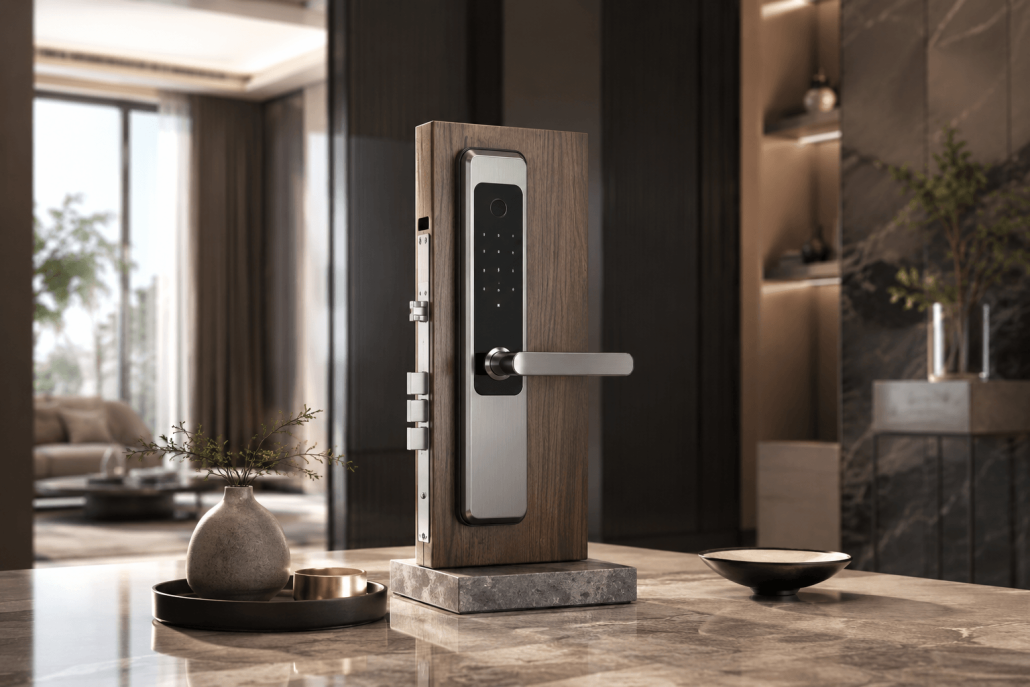
When considering Keypad Door Lock Commercial, the global smart lock market is projected to reach $8.13 billion by 2026 (Fortune Business Insights, 2023). This rapid growth is driven by increasing demand for advanced access control solutions across residential, hospitality, and commercial sectors. Buyers now prioritize features like app integration, biometric authentication, and ANSI/BHMA certifications when sourcing smart locks. Understanding these trends can help distributors, importers, and project buyers select the right products for their needs.solutions across residential, hospitality, and commercial sectors. Buyers now prioritize features like app integration, biometric authentication, and ANSI/BHMA certifications when sourcing smart locks. Understanding these trends can help distributors, importers, and project buyers select the right products for their needs.
About Keypad Door Lock Commercial: Market Demand and Application Trends
For B2B buyers, selecting the right keypad door lock commercial supplier is critical. KEYPLUS offers certified smart lock solutions with TTLock/Tuya integration, OEM/ODM flexibility, and competitive MOQ. Learn more below.
The smart lock market is growing at a CAGR of 18.4% (MarketsandMarkets, 2023), reflecting expanding adoption in both residential and commercial spaces. Smart home penetration in developed markets is expected to surpass 60% by 2026 (Statista, 2024), further fueling demand for connected access control systems. For example, apartment complexes increasingly use TTLock-enabled solutions for tenant convenience, while hotels opt for Tuya-based locks to streamline guest access.
KEYPLUS integrates robust app ecosystems such as TTLock and Tuya, enabling seamless remote access and user management. Their OEM and ODM capabilities allow customization for diverse applications, including hotel locks, rental properties, and storefront doors.
Features and Supplier Evaluation Criteria
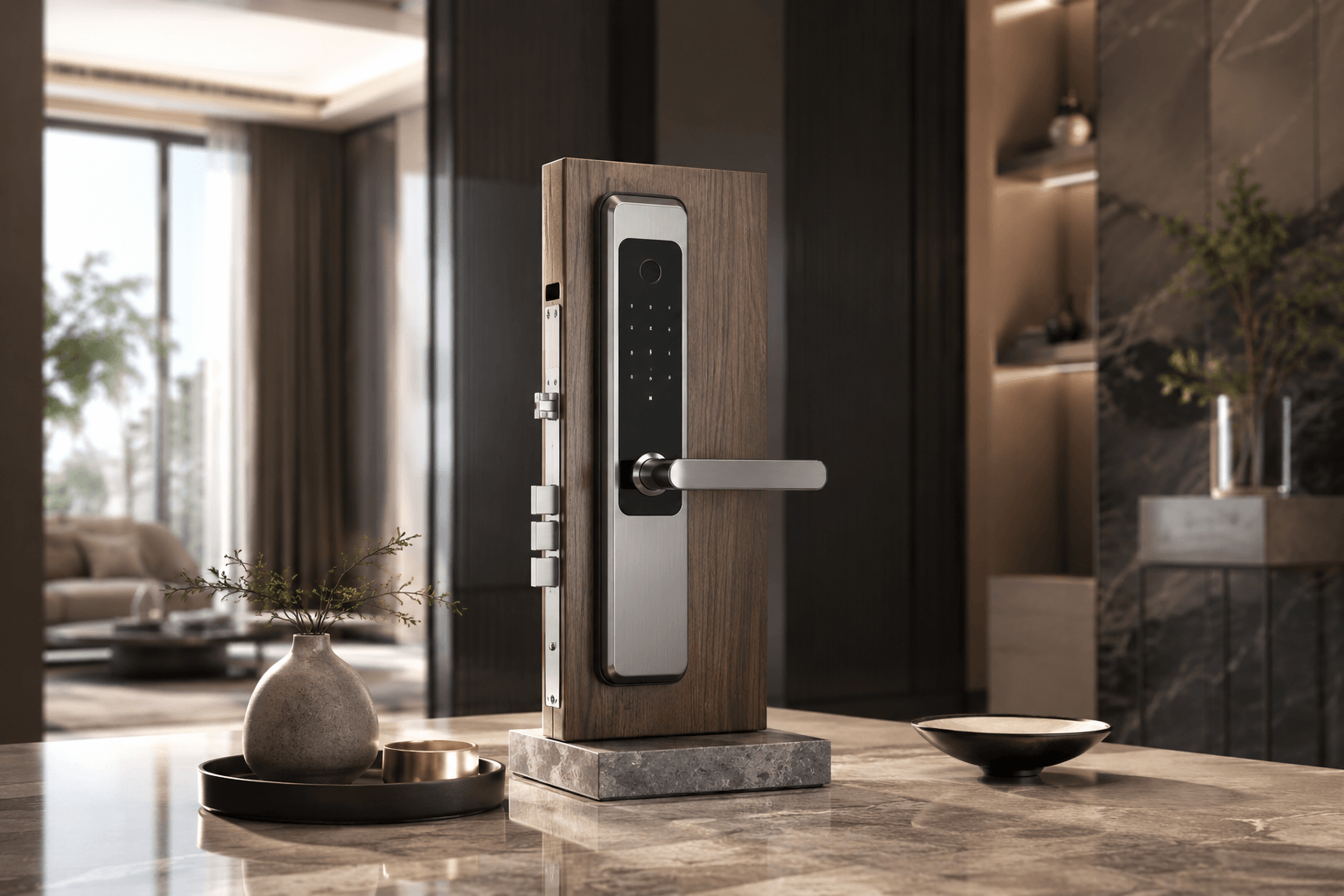
When sourcing keypad door locks for commercial applications, buyers should evaluate several critical factors. Unlock methods, such as fingerprint authentication, RFID cards, and temporary PINs, provide flexibility for different scenarios. Moreover, app compatibility is essential; 73% of B2B buyers prioritize remote access and integration when assessing smart locks (McKinsey, 2023).
Installation compatibility is another key concern. For example, aluminum storefront doors often require specialized lock bodies, while residential doors may need retrofit-friendly designs. As John Smith, Security Analyst, states: “Commercial buyers must prioritize ANSI/BHMA Grade 1 certified locks to ensure durability and compliance.” KEYPLUS offers solutions with robust certifications, ensuring reliability for demanding applications.
Compliance, Standards, and Technical Considerations
Compliance plays a crucial role in smart lock sourcing. ANSI/BHMA Grade 1 certification is required for 68% of commercial access control projects (BHMA, 2023). Additionally, CE, FCC, and RoHS certifications are essential for international markets. Buyers should also consider IP ratings for water resistance, especially in outdoor installations.
Battery safety and longevity are equally important. Locks integrated with TTLock or Tuya apps often feature low-battery notifications and power-saving modes. KEYPLUS ensures compliance with international standards and provides technical documentation for project buyers, reducing sourcing risks.
Use-Case Selection and Implementation
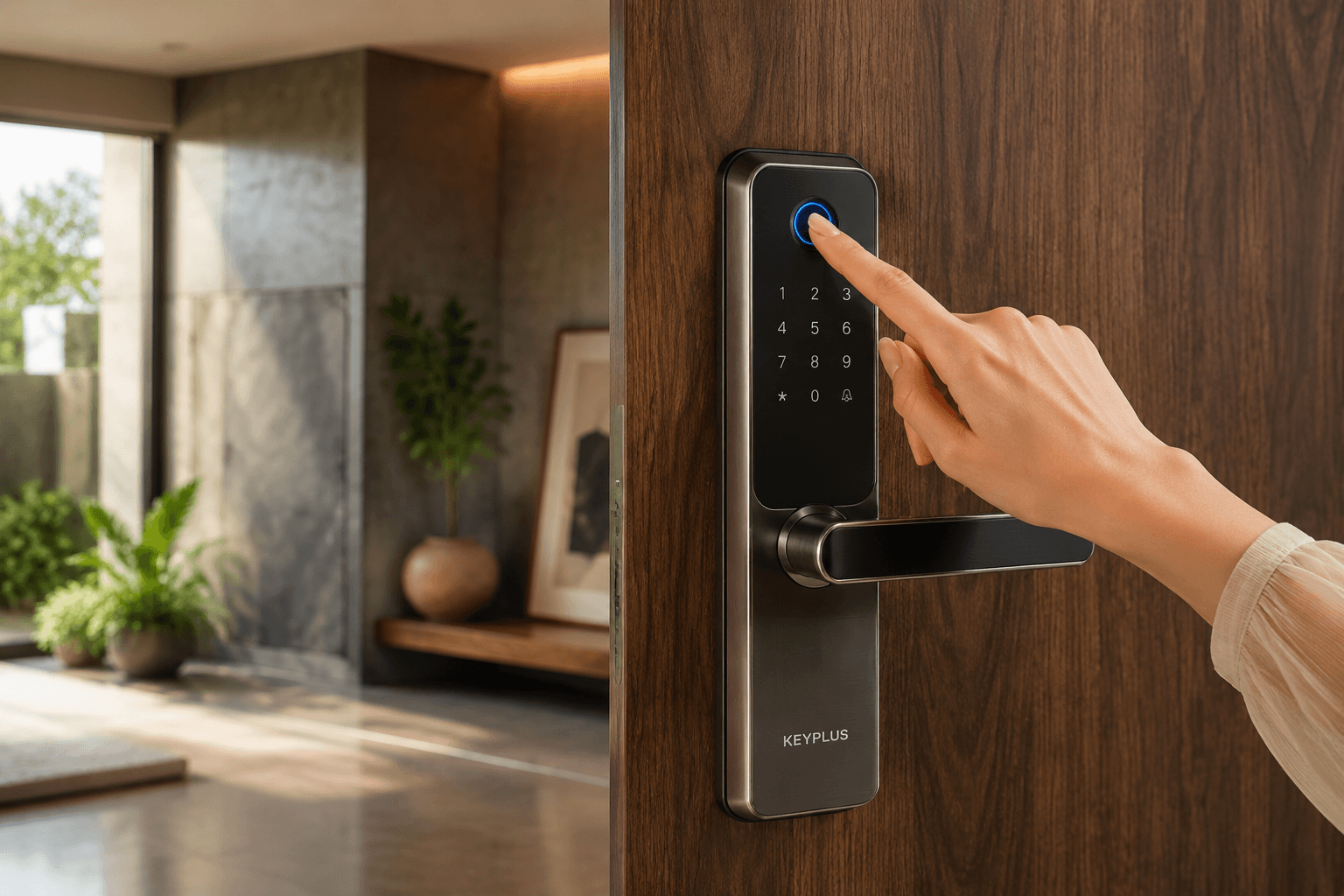
Choosing the right smart lock depends on the application. Residential buyers may prioritize fingerprint door locks for convenience, while hotels require advanced features like RFID card access and temporary PINs. For rental properties, app-based management is critical for tenant turnover efficiency.
Commercial buyers should evaluate lock compatibility with door types, such as heavy-duty aluminum storefront doors or panic bars. KEYPLUS offers tailored solutions for diverse use cases, ensuring smooth implementation and reduced return rates. Their OEM flexibility allows customization for specific project needs.
Sourcing Strategy, OEM/ODM, and Long-Term Value
Strategic sourcing is vital for distributors and importers. Buyers should prioritize suppliers with stable lead times, low MOQs, and strong after-sales support. For instance, partnering with manufacturers like KEYPLUS ensures consistent quality and reliable delivery schedules.
Future trends indicate growing demand for biometric locks, cloud-based access management, and integrated smart home platforms. Distributors can stay competitive by sourcing from innovative suppliers with proven expertise in these areas.
Frequently Asked Questions
Are Wi-Fi smart door locks a good idea?
Yes, Wi-Fi smart door locks offer convenience and remote access. According to Statista (2024), smart home penetration will surpass 60% in developed markets, making these locks increasingly relevant.
For commercial applications, Wi-Fi locks enable real-time management and monitoring. Buyers should ensure compatibility with app ecosystems like TTLock or Tuya.
What is the best Wi-Fi-enabled door lock?
The best Wi-Fi-enabled lock depends on the use case. For example, fingerprint door locks are ideal for residential applications, while RFID-enabled locks suit hotels. As John Smith, Security Analyst, notes: “Prioritize locks with robust certifications and reliable app integration.”
KEYPLUS offers Wi-Fi locks with TTLock and Tuya compatibility, ensuring flexibility and security.
What is a keyless entry system for commercial buildings?
Keyless entry systems use biometric authentication, RFID cards, or PIN codes to eliminate physical keys. ANSI/BHMA Grade 1 certified locks are often preferred for commercial buildings.
Buyers should consider app integration for remote access and user management. For aluminum storefront doors, specialized lock designs are essential.
What are the disadvantages of smart door locks?
Potential drawbacks include reliance on battery life and cybersecurity risks. However, locks with certifications like CE, FCC, and RoHS address these concerns.
Buyers should prioritize suppliers with strong technical support and compliance documentation, such as KEYPLUS.
Best commercial electronic door lock?
The best lock depends on the application. Heavy-duty locks with ANSI/BHMA Grade 1 certification suit high-traffic areas. TTLock-enabled solutions offer app-based management for flexibility.
KEYPLUS provides customizable options for commercial projects, ensuring compatibility and reliability.
Commercial Bluetooth door lock?
Bluetooth locks enable proximity-based access and seamless app integration. According to McKinsey (2023), 73% of buyers prioritize remote access features.
KEYPLUS offers Bluetooth-enabled locks with TTLock compatibility, ensuring convenience and security.

