
Best Smart Locks 2022 for Residential and Commercial Buyers
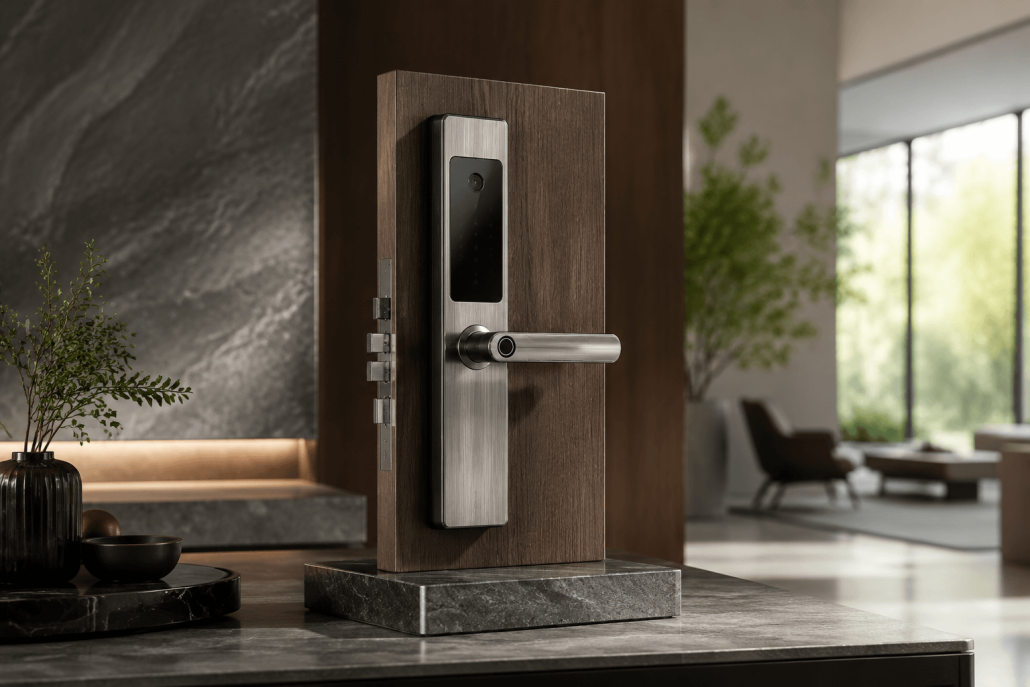
When considering Best Smart Locks 2022, the global smart lock market is projected to reach $8.13 billion by 2026, growing at a CAGR of 18.4% (Fortune Business Insights, 2023; MarketsandMarkets, 2023). This growth reflects the increasing demand for advanced access control solutions across residential, rental, and commercial applications. For distributors, project buyers, and property managers, sourcing the best smart locks in 2022 means balancing cutting-edge technology, certifications, and supplier reliability.solutions across residential, rental, and commercial applications. For distributors, project buyers, and property managers, sourcing the best smart locks in 2022 means balancing cutting-edge technology, certifications, and supplier reliability.
About Best Smart Locks 2022: Key Drivers of Smart Lock Demand in 2022
For B2B buyers, selecting the right best smart locks 2022 supplier is critical. KEYPLUS offers certified smart lock solutions with TTLock/Tuya integration, OEM/ODM flexibility, and competitive MOQ. Learn more below.
Smart home penetration is set to surpass 60% in developed markets by 2026 (Statista, 2024). This trend is driving demand for smart locks that integrate seamlessly with home automation systems. Additionally, the rise of rental properties and co-living spaces has increased the need for apartment locks with remote access and user management capabilities. Hotel operators are also upgrading to smart locks to enhance guest convenience and operational efficiency.
73% of B2B buyers prioritize app integration and remote access when sourcing smart locks (McKinsey, 2023). Solutions like TTLock and Tuya-enabled locks allow property managers to monitor and control access in real time. For example, a hotel lock system with temporary PIN functionality can streamline guest check-ins while maintaining security. Brands like KEYPLUS specialize in providing OEM/ODM solutions for such diverse applications, offering flexibility and customization options.
What Features Should B2B Buyers Evaluate in Smart Locks?
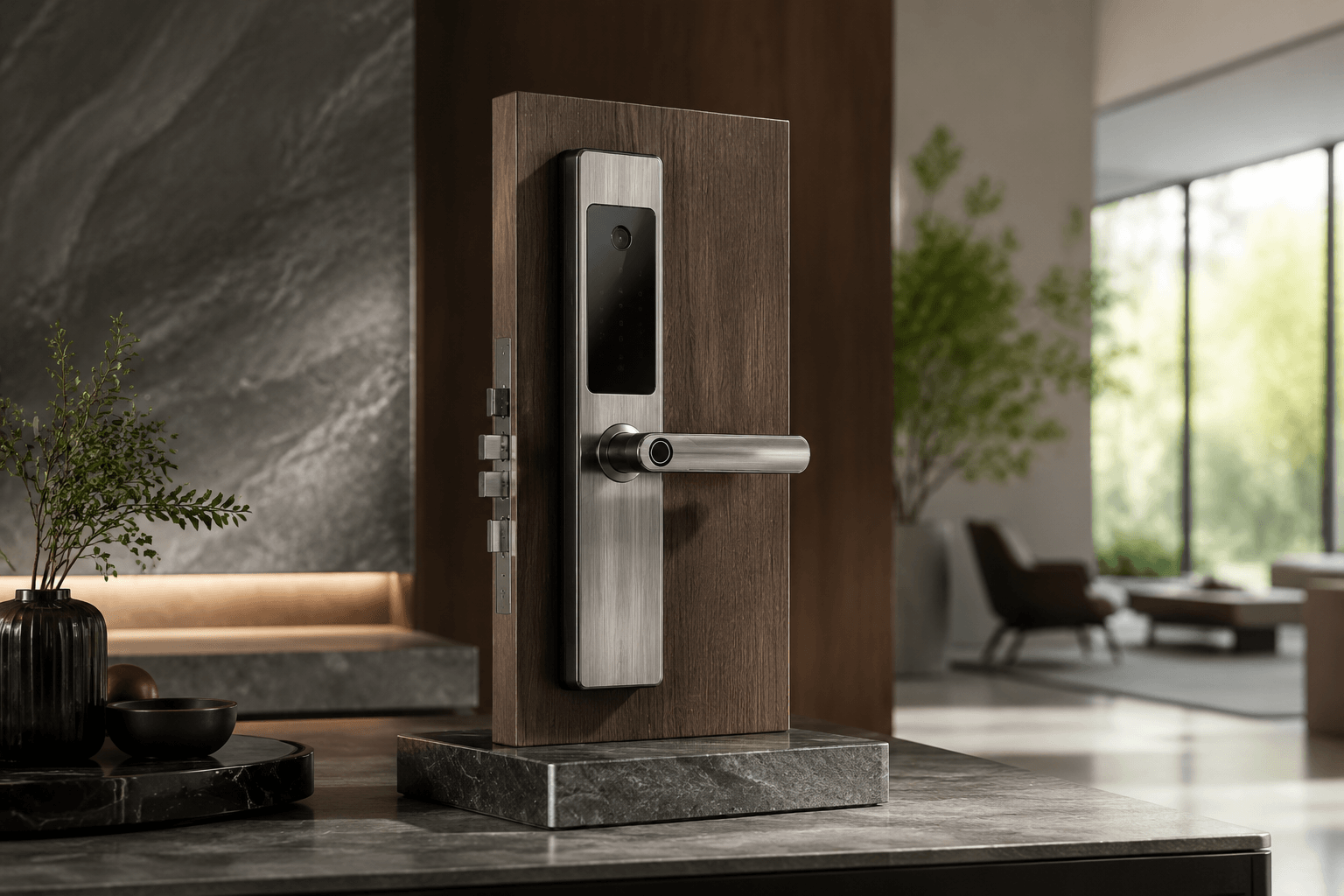
When choosing a smart lock supplier, buyers must assess several critical features. Unlock methods, such as fingerprint recognition, face recognition, and RFID card access, are essential for meeting different user preferences. For example, a fingerprint door lock offers high security and convenience for residential applications.
App integration is another key factor. Smart locks compatible with platforms like TTLock or Tuya provide enhanced functionality, including audit trails and remote control. As John Smith, a Security Analyst, states: “App ecosystems can significantly impact the usability and scalability of smart lock solutions for property managers.”
Certifications such as ANSI/BHMA Grade 1 and CE compliance are non-negotiable for many projects. According to BHMA (2023), 68% of commercial access control projects require ANSI/BHMA Grade 1 certification. Buyers should also evaluate installation compatibility, especially for retrofitting existing doors. KEYPLUS, for example, ensures its products are compatible with various door types and thicknesses, reducing installation challenges.
Compliance, Standards, and Technical Considerations
Certifications and compliance standards play a vital role in smart lock sourcing. CE and FCC certifications ensure that products meet safety and performance requirements for international markets. RoHS compliance demonstrates a commitment to environmental sustainability, which is increasingly important for modern buyers.
Battery performance and IP ratings are also critical. For outdoor installations, an IP65-rated smart lock ensures durability against weather conditions. Additionally, buyers should consider the longevity and stability of the lock’s power source. KEYPLUS conducts rigorous testing to guarantee battery reliability and product longevity, making their locks suitable for demanding applications.
How to Choose the Right Smart Lock for Your Project
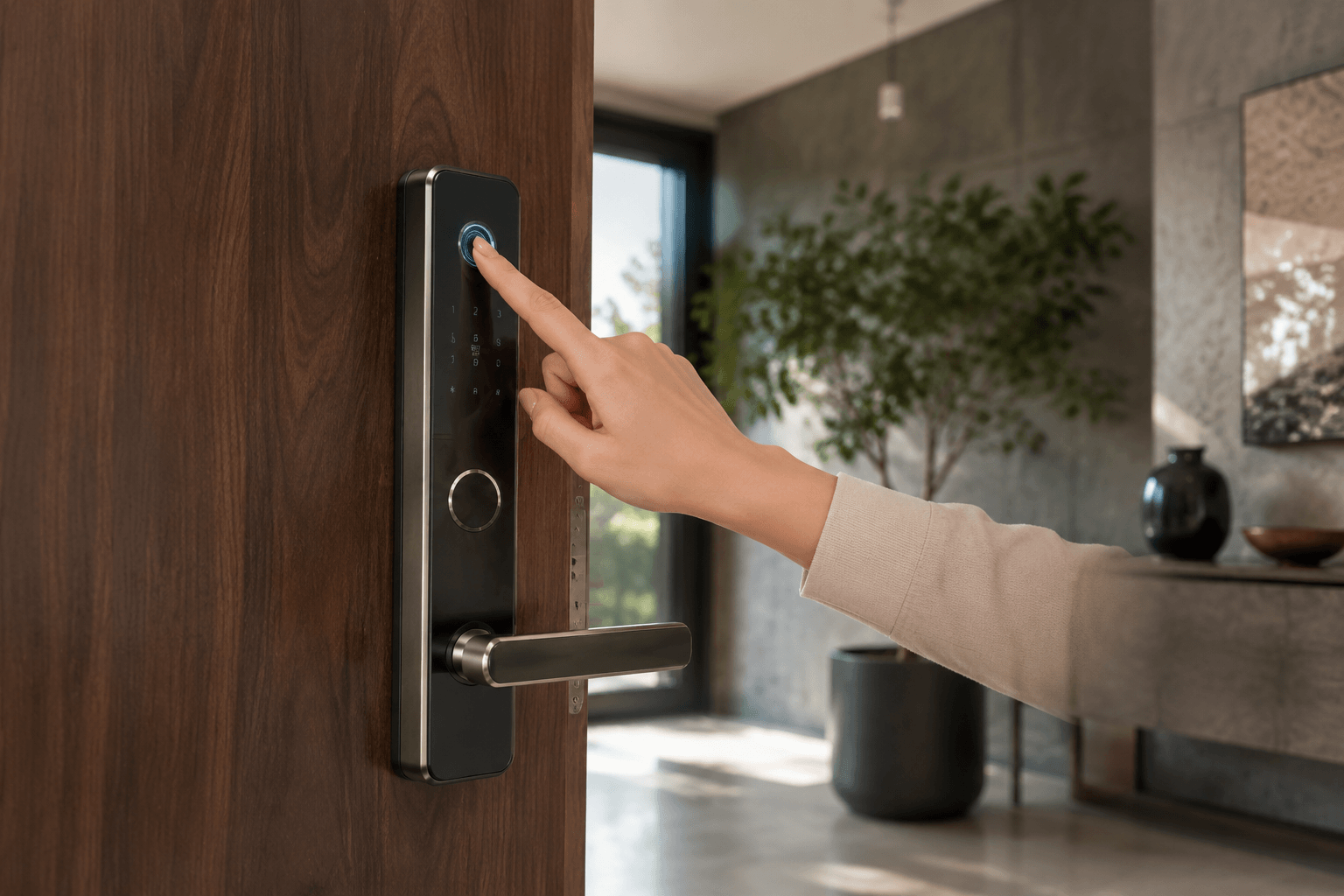
The ideal smart lock depends on the specific use case. For residential properties, fingerprint door locks and app-controlled systems offer convenience and security. Rental properties benefit from locks with remote access and temporary PIN features, enabling seamless tenant turnover. Hotel locks should prioritize guest experience with features like RFID cards and mobile key compatibility.
Buyers must also consider door type compatibility. For instance, mortise locks are often required for commercial projects, while deadbolt smart locks suit residential applications. KEYPLUS offers solutions tailored to these scenarios, ensuring smooth implementation and reduced return rates.
Sourcing Smart Locks: Strategic Tips for B2B Buyers
For importers and distributors, partnering with an experienced manufacturer is crucial. OEM/ODM flexibility allows customization to meet market-specific needs. KEYPLUS, for example, provides low MOQs and stable lead times, making it easier for buyers to manage inventory and meet project deadlines.
Future trends, such as biometric adoption and cloud-based access management, highlight the need for scalable and future-proof solutions. By sourcing from reliable suppliers, buyers can reduce project risks and ensure long-term success.
Frequently Asked Questions
What are the key certifications to look for in smart locks?
ANSI/BHMA Grade 1, CE, FCC, and RoHS certifications are essential. These standards ensure safety, performance, and environmental compliance. For example, ANSI/BHMA Grade 1 locks meet stringent durability and security requirements, making them ideal for commercial projects.
Which unlock methods are most popular?
Fingerprint recognition, RFID cards, and app-based access are widely used. Fingerprint door locks are particularly popular for residential applications due to their convenience and security. App-based systems, such as TTLock and Tuya, provide advanced features like remote access and audit trails.
How do smart locks integrate with smart home systems?
Most smart locks integrate via platforms like Tuya or TTLock. These systems enable seamless control through mobile apps and compatibility with voice assistants like Alexa and Google Assistant. Integration enhances user convenience and overall smart home functionality.
What factors affect lock installation?
Door thickness, lock type, and installation environment are key factors. For example, mortise locks require specific door preparations, while deadbolt smart locks are easier to retrofit. Buyers should prioritize supplier support for installation guidance.
What is the importance of battery performance in smart locks?
Battery life impacts both user convenience and product reliability. High-quality locks feature long-lasting batteries and low-power consumption modes. For outdoor installations, IP-rated locks with robust battery performance are recommended.
Why choose KEYPLUS for smart lock solutions?
KEYPLUS offers OEM/ODM flexibility, reliable certifications, and tailored solutions for residential, rental, and hospitality projects. Their products integrate with platforms like TTLock and Tuya, ensuring advanced functionality and seamless implementation.

