
Fingerprint Front Door Lock Trends for Smart Buyers
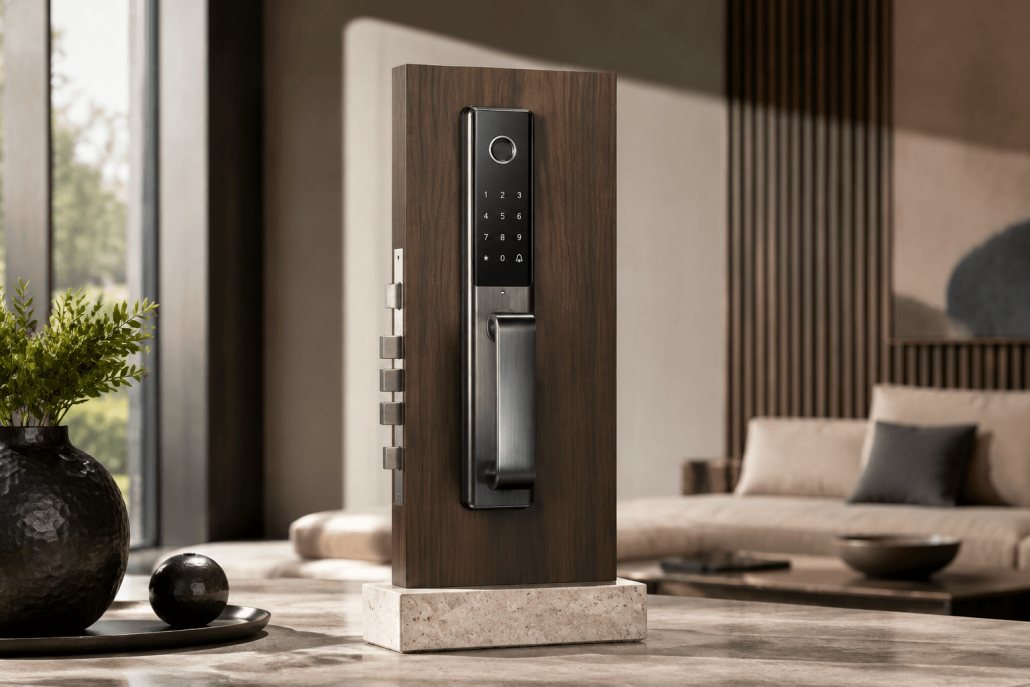
The global smart lock market is projected to reach $8.13 billion by 2026, growing at a CAGR of 18.4% (Fortune Business Insights, 2023; MarketsandMarkets, 2023). This rapid growth reflects increasing demand for secure, convenient, and connected access solutions. Among these, the fingerprint front door lock has emerged as a popular choice for residential, rental, and hospitality applications. By combining biometric security with keyless entry, these locks offer an unmatched blend of functionality and user convenience.
Why Fingerprint Front Door Locks Are in High Demand
For B2B buyers, selecting the right fingerprint front door lock supplier is critical. KEYPLUS offers certified smart lock solutions with TTLock/Tuya integration, OEM/ODM flexibility, and competitive MOQ. Learn more below.
Smart home penetration in developed markets is expected to surpass 60% by 2026 (Statista, 2024). This trend has driven the adoption of smart locks, particularly in residential and rental properties where convenience and security are paramount. Fingerprint locks, in particular, address key concerns by eliminating the need for physical keys while offering advanced biometric authentication. As a result, property managers and homeowners alike are embracing these solutions.
For instance, hotels and short-term rental properties benefit from the ability to manage access remotely. By integrating with platforms like TTLock or Tuya, these locks enable seamless guest check-ins and check-outs. Additionally, ANSI/BHMA Grade 1 certification—a requirement for 68% of commercial access control projects (BHMA, 2023)—ensures compliance with stringent safety standards, making them suitable for high-security applications.
Key Features B2B Buyers Evaluate in a Fingerprint Front Door Lock
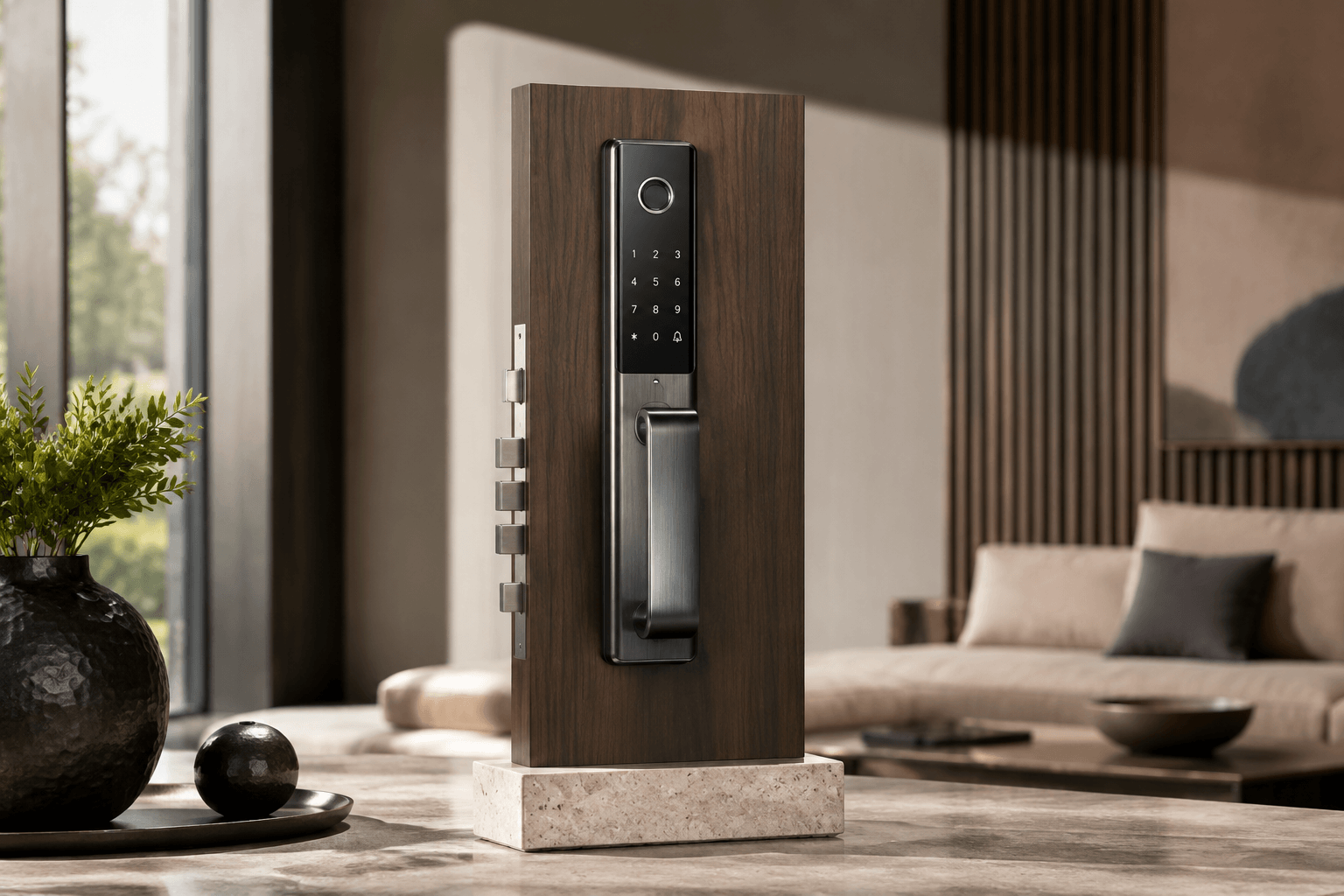
When sourcing fingerprint locks, B2B buyers prioritize several critical factors. According to McKinsey (2023), 73% of buyers value app integration and remote access capabilities. A robust app ecosystem, such as TTLock or Tuya, allows users to control locks remotely, set temporary PINs, and monitor access logs. These features are essential for managing multiple properties or large-scale projects.
Another key consideration is unlock versatility. Modern fingerprint locks often combine biometric authentication with additional methods like RFID cards, mechanical key backups, and password entry. This multi-layered approach enhances reliability and accommodates diverse user preferences. Buyers also assess installation compatibility, ensuring the locks fit various door types, such as mortise or deadbolt configurations.
As Jane Roberts, a Security Consultant, states: “Consistency in quality and compliance with certifications like CE, FCC, and RoHS are non-negotiable for large-scale projects. Buyers should always verify these credentials before selecting a supplier.” Furthermore, factors such as battery life, after-sales support, and warranty terms play a significant role in procurement decisions.
Compliance, Standards, and Product Qualification Requirements
Fingerprint front door locks must adhere to strict compliance standards to ensure safety and reliability. Certifications like ANSI/BHMA, CE, FCC, and RoHS guarantee that the products meet regulatory requirements and perform reliably in real-world conditions. For example, ANSI/BHMA Grade 1 certification indicates the highest level of durability and security, making it a preferred choice for commercial projects.
In addition to certifications, compatibility with smart home ecosystems is a growing concern. Locks that integrate seamlessly with voice assistants like Alexa or Google Assistant provide added convenience. Similarly, IP ratings ensure resistance to environmental factors like dust and water, which is crucial for outdoor installations.
KEYPLUS, a leading manufacturer in the smart lock industry, emphasizes compliance in its product development. By offering locks with CE and FCC certifications, the company ensures its solutions are ready for international markets. Their OEM and ODM capabilities also allow customization to meet specific project needs.
Choosing the Right Fingerprint Lock for Residential, Rental, or Hospitality Projects
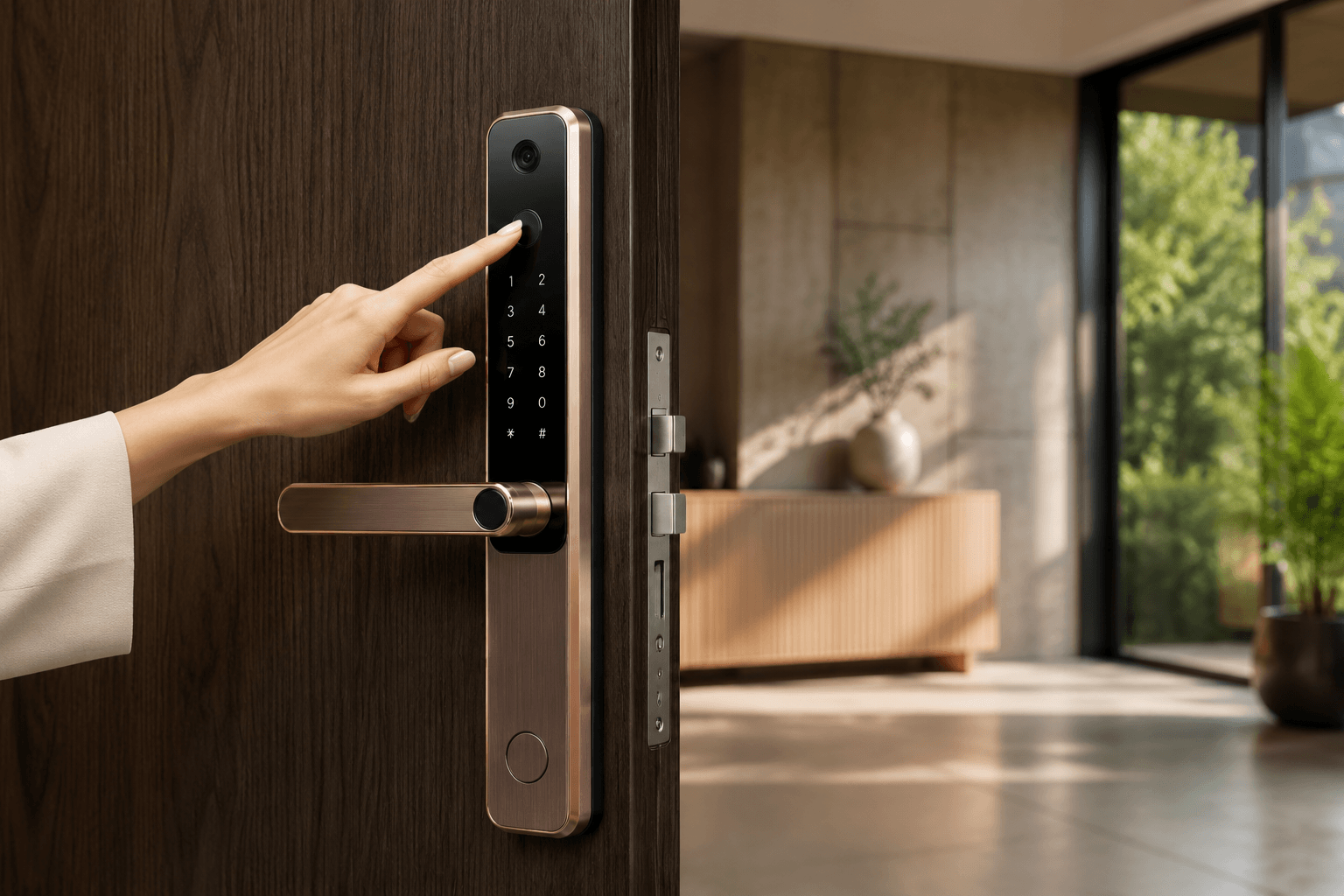
Selecting the right fingerprint lock requires careful consideration of use-case scenarios. For residential applications, ease of use and aesthetic design are often top priorities. Locks with sleek finishes and app-based control appeal to modern homeowners. Rental properties, on the other hand, benefit from features like remote access and temporary PINs, which simplify tenant management.
Hospitality projects demand robust solutions that can handle high traffic and integrate with property management systems. Locks compatible with Tuya or TTLock platforms streamline operations, enabling efficient guest access management. Additionally, installation support and documentation are critical for ensuring smooth project execution.
KEYPLUS offers flexible solutions tailored to these diverse needs. Their low MOQ and stable lead times make them an ideal partner for distributors and project buyers. By providing end-to-end support, including installation guides and technical training, they help clients achieve successful implementations.
Future Outlook for Fingerprint Lock Manufacturing and Strategic Sourcing
As the smart lock market continues to grow, innovations like 3D fingerprint recognition and AI-driven access management are set to redefine the industry. Biometric adoption is expected to expand further, driven by advancements in sensor technology and integration with cloud-based platforms. Moreover, the shift towards scenario-based solutions will create new opportunities for manufacturers and buyers alike.
To stay competitive, importers and distributors should prioritize partnerships with experienced manufacturers like KEYPLUS. Their expertise in R&D, coupled with strong OEM/ODM capabilities, ensures high-quality products that align with evolving market demands. By focusing on compliance, app integration, and customization, buyers can reduce project risks and accelerate time to market.
Frequently Asked Questions
Are fingerprint front door locks safe?
Yes, fingerprint locks are highly secure. They use biometric authentication, which is difficult to replicate. According to MarketsandMarkets (2023), the adoption of biometric locks is growing at 18.4% CAGR due to their reliability. However, buyers should ensure the lock includes features like mechanical key backups for added security.
What are the disadvantages of fingerprint door locks?
While convenient, fingerprint locks may face issues like sensor malfunction or difficulty in recognizing dirty or wet fingers. Regular maintenance and choosing locks with high-quality sensors can mitigate these problems. Additionally, some models may lack certifications, so always verify compliance before purchase.
What is the best fingerprint door lock?
The best lock depends on your needs. For residential use, look for locks with app integration and sleek designs. For commercial projects, prioritize ANSI/BHMA Grade 1-certified models. Brands like KEYPLUS offer versatile options for various applications.
Which is better, face ID or fingerprint?
Both have advantages. Fingerprint locks are more affordable and widely adopted. Face ID locks offer hands-free access but are often costlier. Choose based on your project requirements and budget.
How reliable are fingerprint padlocks?
Fingerprint padlocks are reliable when sourced from reputable manufacturers. Look for features like IP ratings and long battery life. Compliance with CE and FCC standards ensures durability and safety.
What are the advantages of fingerprint door locks?
Advantages include keyless entry, enhanced security, and remote access. According to McKinsey (2023), 73% of buyers prioritize these features. Biometric locks also reduce the risk of lost or stolen keys.

