Smart Locks for Apartments: Rental Property Selection
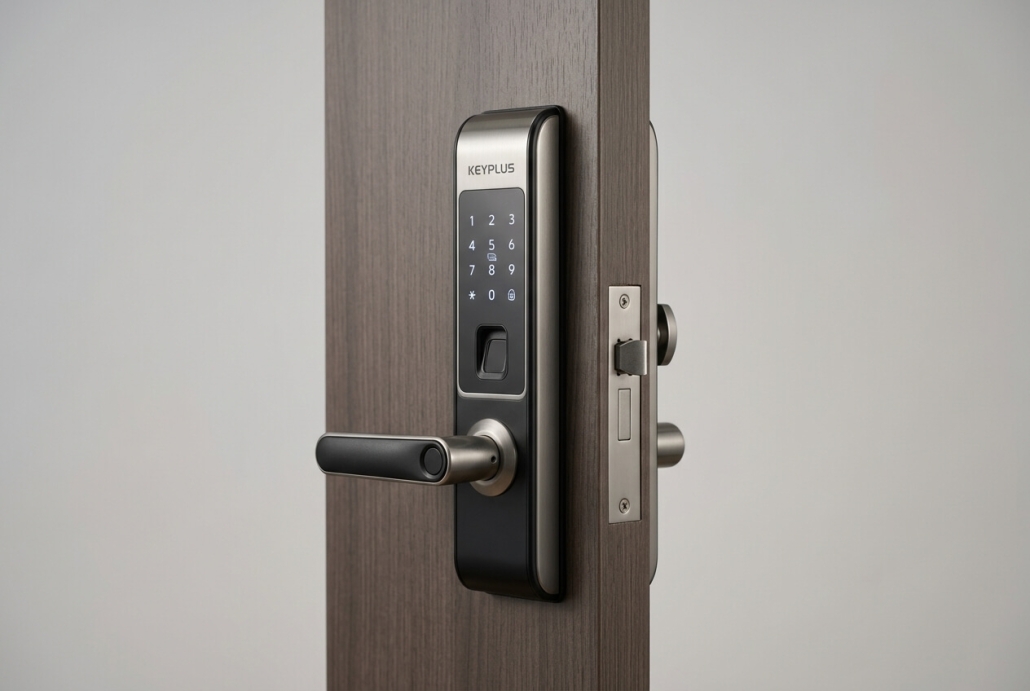
Smart locks for apartments provide keyless entry to rental units and support the property’s chosen access-management workflow. For landlords and multifamily operators, selection starts with tenant turnover, door compatibility, maintenance and management scope. KEYPLUS manufactures apartment smart locks and offers project-based hardware and software customization.
Which Smart Lock Features Matter Most for Rental Housing?
For rental housing, prioritize the access lifecycle over the longest feature list. A resident needs dependable everyday entry, while the operator needs a clear way to end access when a tenancy changes. Installation fit and maintenance matter throughout the building’s service life.
| Selection priority | Operational need | Project implication |
|---|---|---|
| Tenant access and turnover | Resident entry, visitor access and the end of a tenancy. | Separate everyday resident credentials from time-limited or staff access; distinguish expiry from active revocation. |
| Door and mortise compatibility | The lock body, existing openings and frame clearance. | Match the complete door assembly rather than selecting by front-panel appearance. |
| Management scope | One apartment, a small portfolio or multiple buildings. | Local operation and centrally managed access serve different operating models. |
| Power and maintenance | Battery replacement and authorized emergency entry. | Plan battery replacement around door usage and the selected power configuration. |
| Installation environment | Indoor corridors versus exposed breezeways. | Select an environmental specification appropriate to the doorway. |
| Systems integration | Property software, entrances and other access equipment. | Match the management workflow as well as the communication method. |
A small rental portfolio may need straightforward entry and manageable maintenance. A multifamily building has additional access relationships between apartment doors, shared entrances and site staff. The most useful feature set is the one that fits the property’s daily operations.
Tenant Move-In, Move-Out and Staff Access
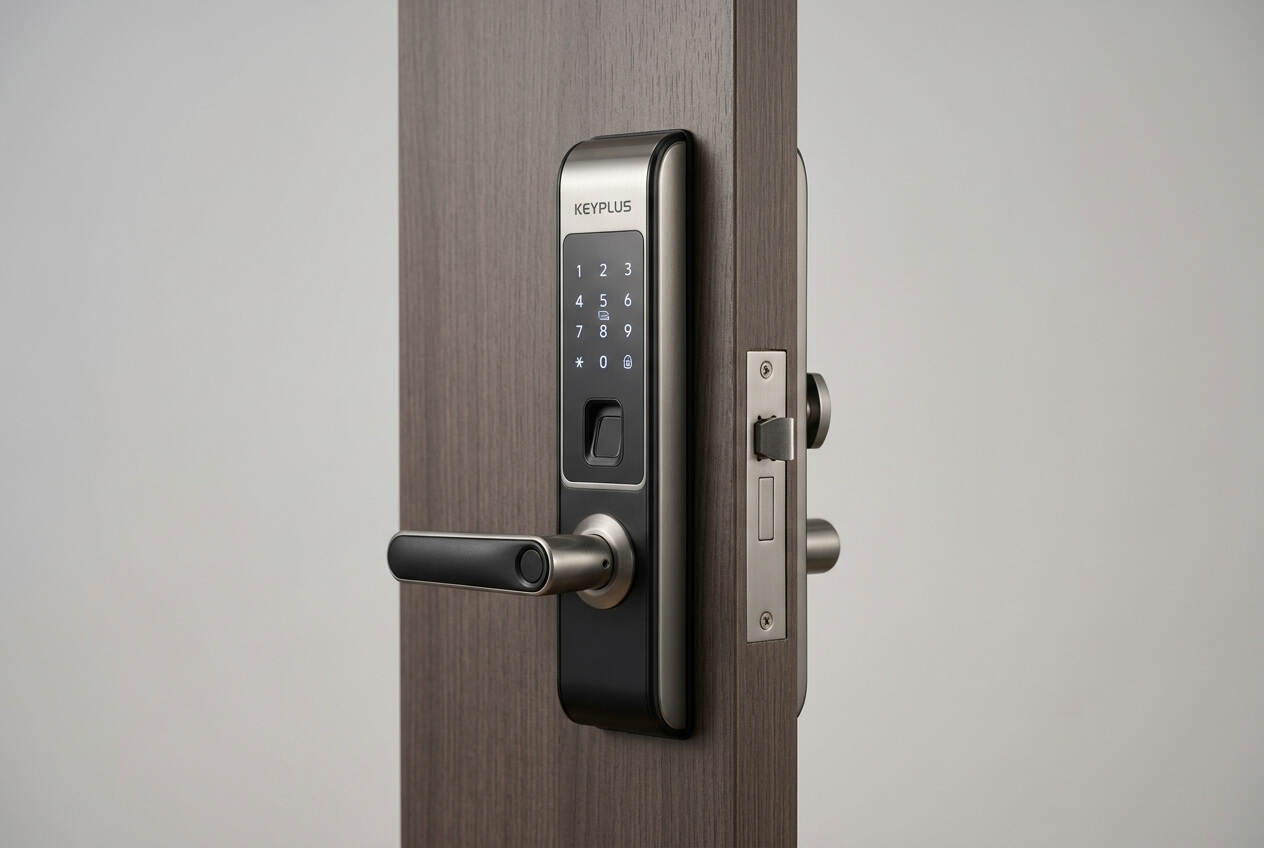
Apartment access changes with the tenancy. Resident credentials, maintenance access and temporary visitor access serve different purposes and should have distinct permission rules. This is particularly relevant to student housing, where groups of residents may move in and out within a short period.
Expiry and revocation are different processes. Expiry ends a credential at its configured time; revocation removes access earlier. How an update reaches the door depends on the system architecture. In a connected configuration, the update needs a working communication path to the lock; local systems use their supported on-site update method.
Staff access also needs a defined scope. Maintenance personnel may need entry to designated units or areas without receiving the same permissions as a building administrator. The operating model should determine the lock and software configuration.
Local Access or Remote Apartment Management?
Local access and remote administration solve different needs. A locally operated lock can provide entry at the door. Off-site management additionally depends on the connected system, its communication path and the functions available through the management software.
Bluetooth, Wi-Fi and other communication labels are not interchangeable with a complete property-management service. The scope can include the lock, a gateway where applicable, the management platform and any project-specific integration. Compare the differences between Bluetooth and Wi-Fi lock architectures when planning connectivity.
For a small portfolio, the useful question is how much administration the operator actually needs. For a larger building, consistent permissions across staff, units and common areas may become more important. KEYPLUS offers project-based software and API customization; third-party platform integration is developed around the project’s required workflow. Explore KEYPLUS access-management solutions for different management approaches.
Apartment Door Retrofit and Installation Compatibility
For a replacement project, the existing door is the starting point. Mortise dimensions, door thickness, handle position, existing holes and frame clearance determine the installation options. Replacement fit depends on the lock body and fixing positions as well as the visible panel.
Hardware Selection by Apartment Project Type
| Project type | Door and hardware fit | Access and maintenance approach |
|---|---|---|
| Scattered rental apartments | Match the existing mortise or latch, fixing holes and door thickness at each property. | Choose local entry or connected administration around how the properties are serviced. Battery replacement and emergency entry remain part of the operating plan. |
| Multifamily and student housing | Coordinate unit-door hardware with the different requirements of shared entrances. | Prioritize resident turnover, staff permission groups and the process used to deliver access changes to each door. |
| Open-breezeway apartments | Select the complete lock assembly for the doorway’s rain exposure, humidity and temperature conditions. | Include environmental suitability, the communication path where applicable, and accessible battery servicing in the configuration. |
Fire-door or other regulated assemblies require configuration-specific evidence. The relevant specification is the complete lock and mortise configuration fitted to that assembly.
Choosing a Smart Lock Manufacturer for Rental Apartments
A project supplier needs to address the lock, the installation and the management scope together. Comparing panel appearance alone can overlook replacement parts, software configuration and support during rollout.
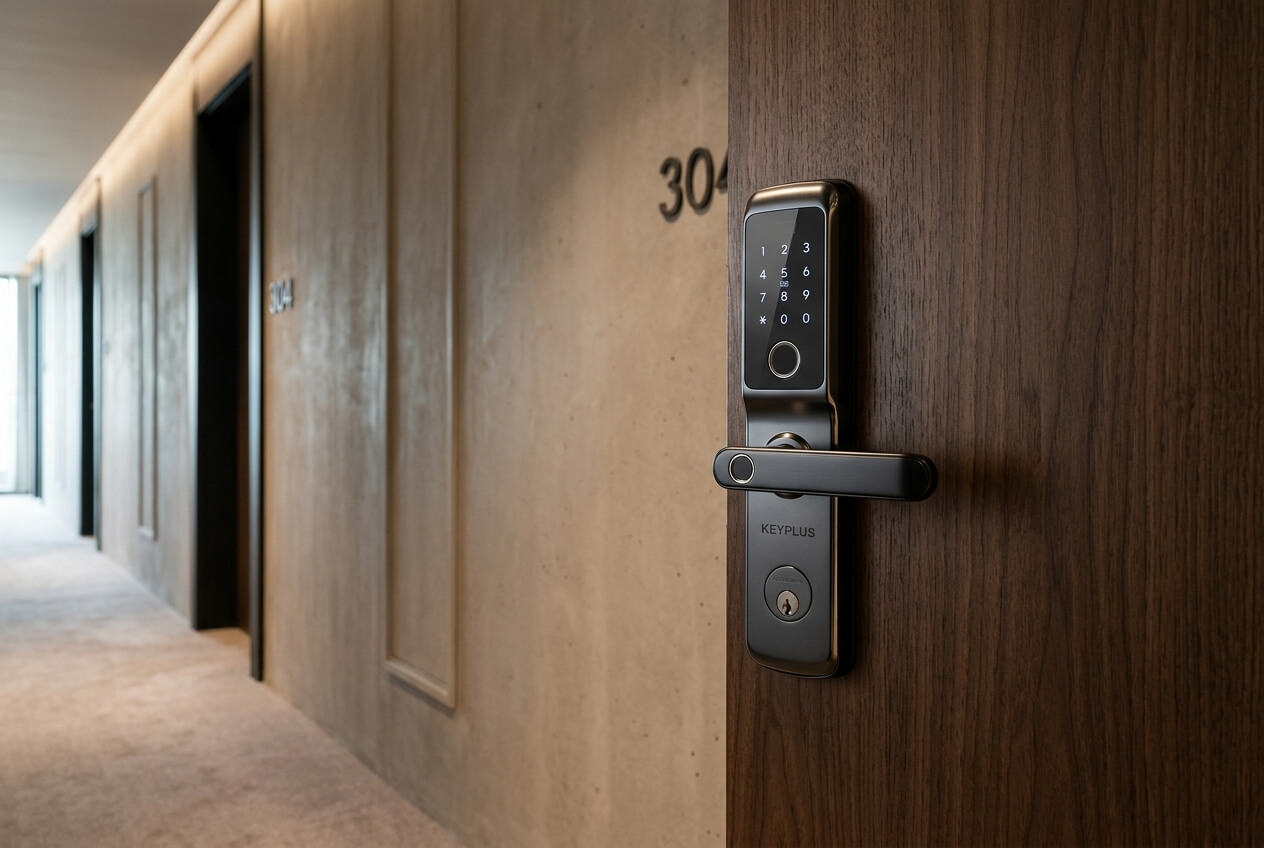
KEYPLUS manufactures smart locks for apartment and residential projects, with OEM/ODM smart lock customization covering branding, appearance, functions, software interfaces and project-based API integration. Installation guidance, software configuration and remote commissioning support can be arranged according to the project scope.
Explore the KEYPLUS smart lock range for product options, or the apartment and residential application page for project applications. For a coordinated supply proposal, discuss your apartment project with KEYPLUS.
Apartment Smart Lock FAQs
What smart lock features should property managers prioritize for rental housing?
Prioritize tenant access, a defined move-out revocation process, door and mortise fit, battery maintenance and emergency entry. For a portfolio, also consider staff permissions and the management scope across buildings. Remote control and integrations depend on the selected system.
Can apartment smart locks be managed remotely?
Remote management requires a suitable connected lock and management system; a keypad or Bluetooth label alone does not establish off-site control. Gateways, connectivity and the available management functions depend on the chosen configuration. KEYPLUS offers project-based integration development for the required management workflow.
Can smart locks replace existing apartment locks?
Replacement depends on the existing mortise, door thickness, handle position, opening pattern and frame clearance. A matching configuration can reduce changes to the door; installation work depends on the existing openings and selected lock body.
Is Matter essential for a rental property smart lock?
Matter is relevant when a project uses a Matter-based ecosystem. It should not replace assessment of tenant permissions, turnover, maintenance and portfolio operations. Ecosystem compatibility is specific to the selected lock and controller.
What matters for smart locks in open-breezeway apartment buildings?
Exposed doors need a configuration appropriate to rain exposure, humidity, temperature and the installation location. Environmental suitability depends on the selected model and how exposed the doorway is.
Can KEYPLUS customize smart locks for apartment projects?
KEYPLUS manufactures smart locks for apartment and residential projects and offers project-based customization of branding, appearance, functions, software interfaces and API integration. Available configurations and development scope depend on the project.
How should smart locks support student housing move-in and turnover?
Student housing needs a repeatable process for issuing resident access, setting the intended access period and ending permissions when residents leave. Staff access should remain separate from resident permissions. Batch issuing and automated turnover functions depend on the selected management software and lock configuration.
Can an offline apartment lock revoke access immediately?
A completely offline lock cannot receive an immediate remote update from management software alone. Early revocation must reach the door through the system’s supported local update method. A credential with a configured expiry can expire at its set time where that function is supported. Connected revocation depends on communication with the door.
What happens if an apartment smart lock runs out of battery?
When batteries are depleted, the lock needs its model-specific emergency-entry method. Depending on the configuration, this may be a mechanical override or temporary external power. An emergency power port is not necessarily a battery-charging port.

