
Thumbprint Door Lock Market Trends for 2026 | KEYPLUS
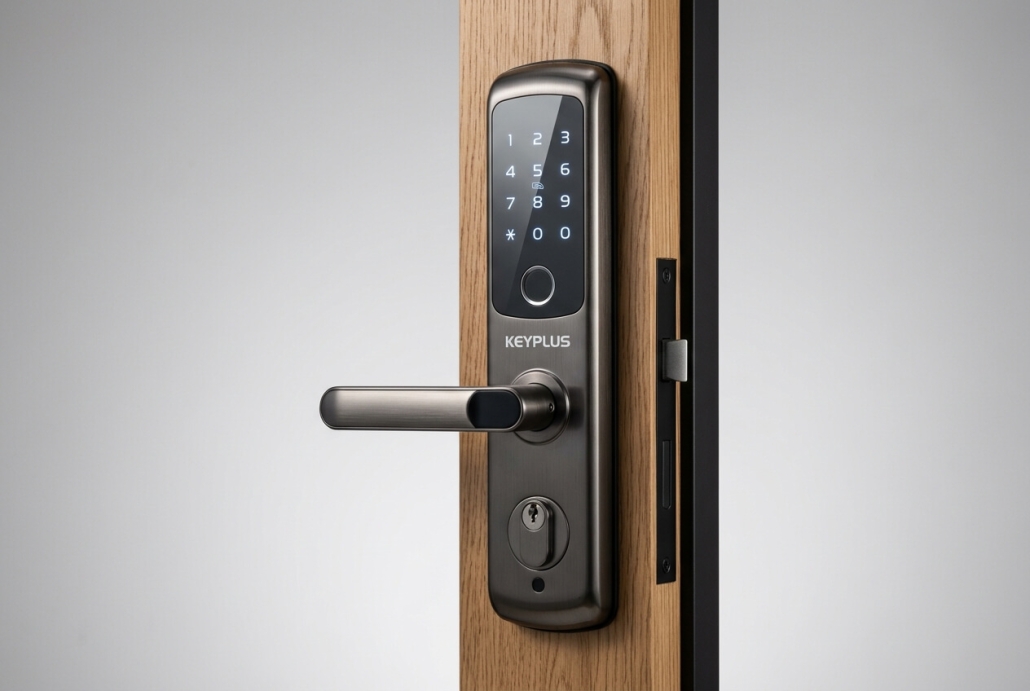
When considering Thumbprint Door Lock, the global smart lock market is projected to reach $8.13 billion by 2026, driven by increasing demand for advanced security solutions in residential, commercial, and hospitality sectors (Fortune Business Insights, 2023). As smart home penetration in developed markets is expected to surpass 60% by 2026 (Statista, 2024), buyers are shifting toward biometric and electronic locks that combine convenience with robust access control.smart lock market is projected to reach $8.13 billion by 2026, driven by increasing demand for advanced security solutions in residential, commercial, and hospitality sectors (Fortune Business Insights, 2023). As smart home penetration in developed markets is expected to surpass 60% by 2026 (Statista, 2024), buyers are shifting toward biometric and electronic locks that combine convenience with robust access control.
About Thumbprint Door Lock: Smart Lock Demand and Application Trends
For B2B buyers, selecting the right thumbprint door lock supplier is critical. KEYPLUS offers certified smart lock solutions with TTLock/Tuya integration, OEM/ODM flexibility, and competitive MOQ. Learn more below.
Demand for biometric locks, including thumbprint door locks, continues to rise across residential and commercial projects. According to MarketsandMarkets (2023), the smart lock market is growing at a CAGR of 18.4%, reflecting strong adoption rates in apartments, hotels, offices, and rental properties. Buyers prioritize features such as remote access, app integration, and temporary PINs, which are essential for managing access in dynamic environments.
In the hospitality sector, hotels increasingly deploy electronic locks with biometric capabilities to enhance guest convenience and operational efficiency. Similarly, property managers in rental housing utilize thumbprint door locks integrated with platforms like TTLock and Tuya to streamline tenant access and improve security.
KEYPLUS, a leader in smart lock R&D and manufacturing, offers solutions tailored for residential, commercial, and project-based applications. Their products feature robust biometric authentication, app control, and gateway connectivity, ensuring reliable performance across diverse use cases.
Key Features B2B Buyers Evaluate in a Smart Lock Supplier
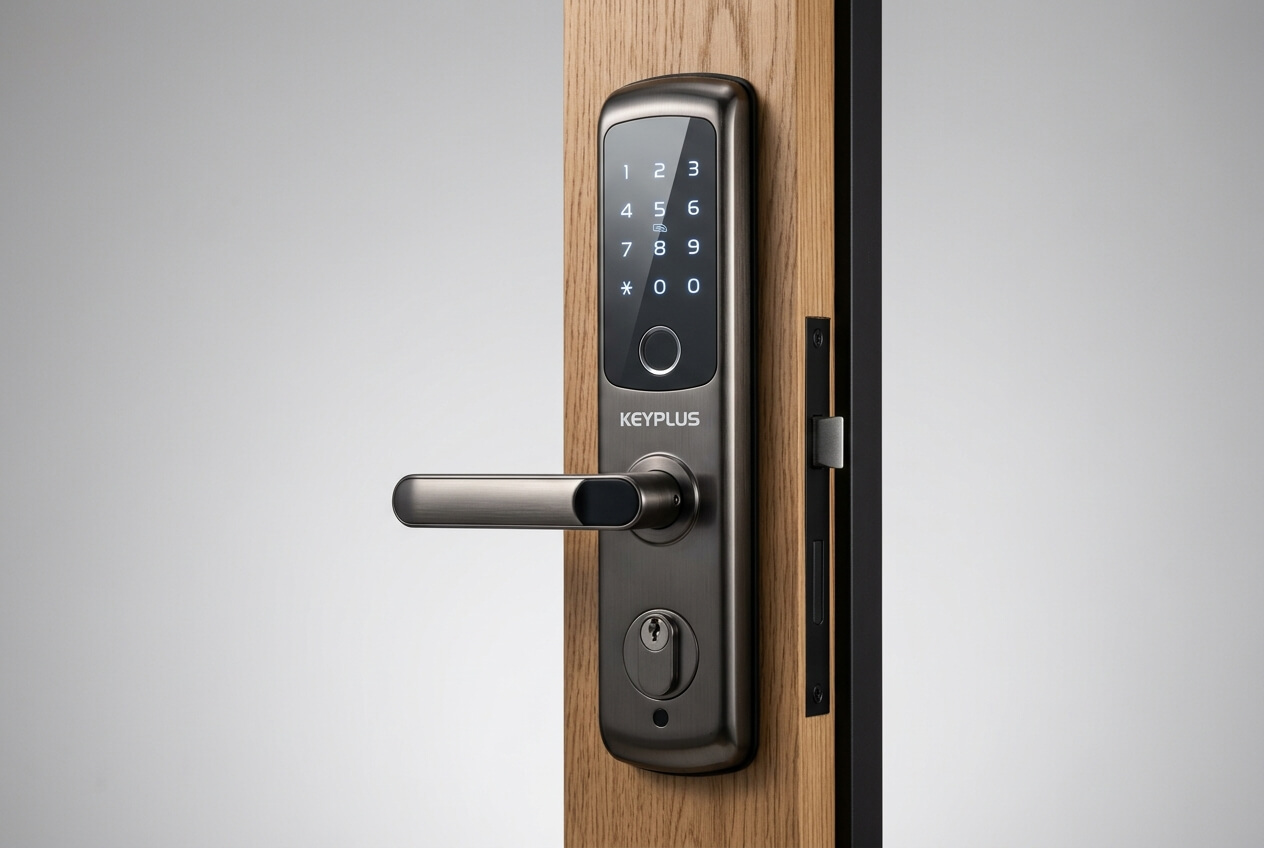
B2B buyers focus on several critical features when sourcing smart locks. First, unlock methods such as fingerprint, RFID card, mechanical key backup, and temporary PINs play a crucial role in product selection. According to McKinsey (2023), 73% of buyers prioritize app integration and remote access capabilities, emphasizing the importance of software ecosystems like TTLock and Tuya.
Quality consistency and certification compliance are also top priorities. For example, ANSI/BHMA Grade 1 certification is required for 68% of commercial access control projects (BHMA, 2023). Buyers look for suppliers with proven expertise in meeting these standards, ensuring reliability and regulatory compliance.
As Sarah Lee, a property technology consultant, states: “B2B buyers evaluate not just the technical features of a smart lock but also the supplier’s ability to deliver consistent quality and after-sales support.” KEYPLUS stands out by offering OEM/ODM customization, stable lead times, and comprehensive project documentation, making it a preferred partner for importers and distributors.
Compliance, Standards, and Technical Considerations
Compliance with certifications such as CE, FCC, and RoHS is essential for smart lock products entering global markets. These standards ensure product safety, environmental sustainability, and interoperability. For commercial applications, ANSI/BHMA grading guarantees durability and performance under high-traffic conditions.
Technical considerations such as door type compatibility, battery safety, and gateway connectivity are equally important. For example, mortise locks are often required for upscale residential environments, while deadbolt smart locks are ideal for rental properties. Buyers should also assess app ecosystems for features like audit trails, remote access, and user management.
KEYPLUS excels in compliance testing and manufacturing, delivering products that meet stringent international standards. Their solutions integrate seamlessly with smart home platforms, ensuring compatibility with voice assistants and IoT ecosystems.
Choosing the Right Smart Lock for Residential, Rental, or Hospitality Projects
Selecting the right smart lock involves analyzing use-case fit, installation compatibility, and software integration. For residential projects, biometric locks with temporary PINs provide both security and convenience. Rental properties benefit from app-controlled locks that support remote access and tenant management.
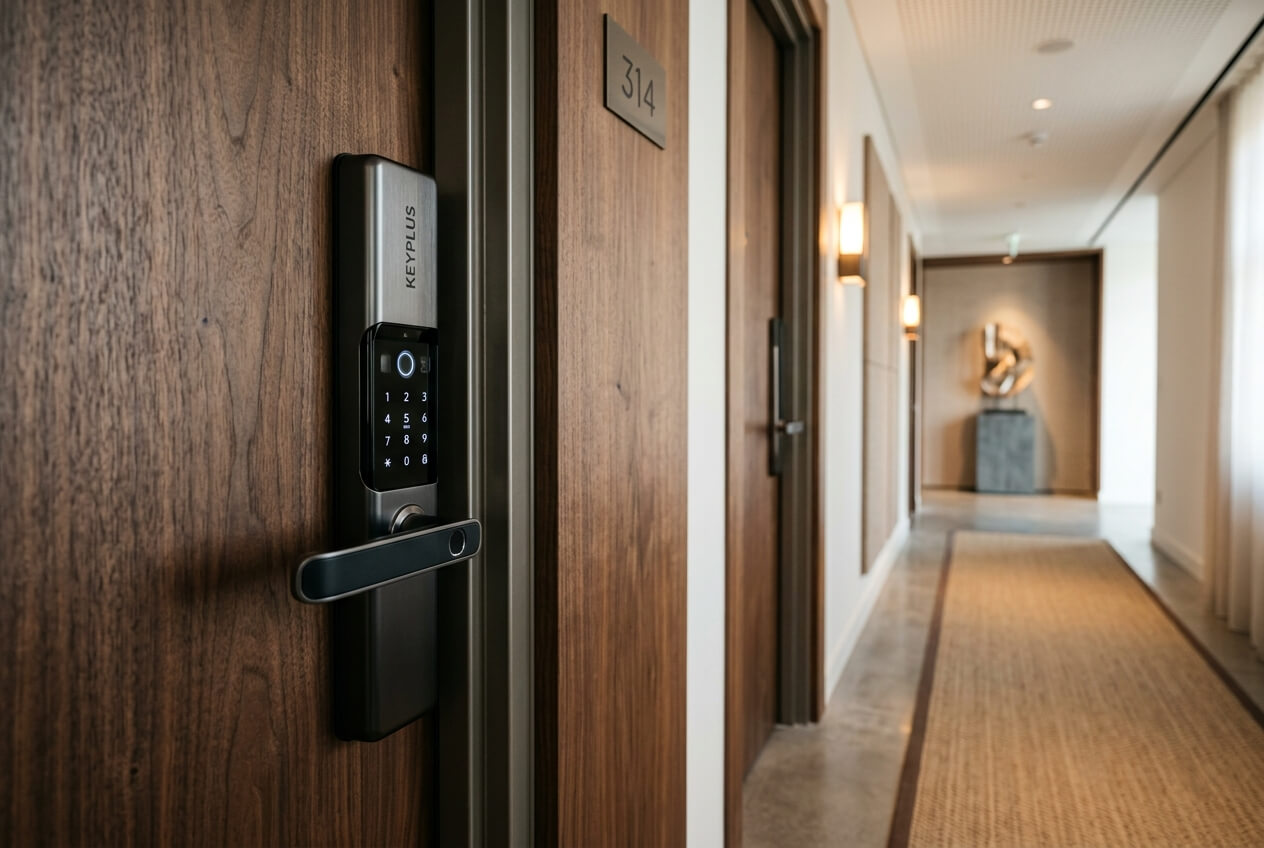
In hospitality, thumbprint door locks enhance guest experiences by enabling seamless check-in and secure access. For commercial offices, locks with audit trail functionality and ANSI/BHMA Grade 1 certification ensure robust security.
KEYPLUS offers flexible solutions that cater to diverse scenarios. Their OEM/ODM capabilities allow distributors and project buyers to customize locks for specific requirements, ensuring optimal performance and market suitability.
Future Outlook for Smart Lock Manufacturing and Strategic Sourcing
The future of smart lock manufacturing lies in advanced biometric technologies, such as palm vein recognition and 3D face recognition. Cloud-based access management and integration with smart home platforms will drive innovation, enabling seamless control and enhanced security.
Distributors and importers should prioritize partnerships with manufacturers that offer stable production, certification support, and scalable solutions. KEYPLUS continues to innovate, providing reliable products that meet evolving market demands. For buyers seeking a competitive edge, collaborating with experienced suppliers ensures reduced project risk and faster time-to-market.
Frequently Asked Questions
Who makes the best fingerprint door lock?
Several manufacturers produce high-quality fingerprint door locks. According to Fortune Business Insights (2023), KEYPLUS is recognized for its advanced biometric locks, offering features like app control, gateway integration, and CE certification.
Choosing the best supplier depends on factors like compliance, customization, and after-sales support. Buyers should evaluate product stability and technical features to ensure long-term value.
What are the disadvantages of fingerprint locks?
Fingerprint locks may face challenges such as sensor malfunction in extreme weather or difficulty reading wet or damaged fingerprints. However, modern biometric locks mitigate these issues with advanced algorithms and multi-method unlock options.
For reliability, buyers should source products with robust sensors and backup unlock methods, such as mechanical keys or temporary PINs.
What locks do police recommend?
Police often recommend locks with ANSI/BHMA Grade 1 certification for high-security applications. These locks meet rigorous durability and performance standards.
Biometric locks with audit trails are also favored for their ability to track access events, enhancing security in commercial and residential settings.
Can you put a smart lock on a commercial door?
Yes, many smart locks are designed for commercial doors. Features such as biometric authentication, audit trails, and ANSI/BHMA certification ensure suitability for high-traffic environments.
KEYPLUS offers a range of commercial locks that combine security, convenience, and compatibility with access control systems.
Commercial fingerprint locks with key
Commercial fingerprint locks often include mechanical key backups for added security. This feature provides access in scenarios where biometric sensors may fail.
Buyers should prioritize locks with multiple unlock methods to ensure reliability in diverse conditions.
Best commercial fingerprint locks
The best commercial fingerprint locks combine biometric authentication, app integration, and robust certifications. Industry leaders like KEYPLUS offer solutions tailored for offices, hotels, and rental properties.
When sourcing, buyers should evaluate product features, supplier reliability, and customization options.

