
Remote Deadbolt Lock Trends for B2B Buyers | KEYPLUS
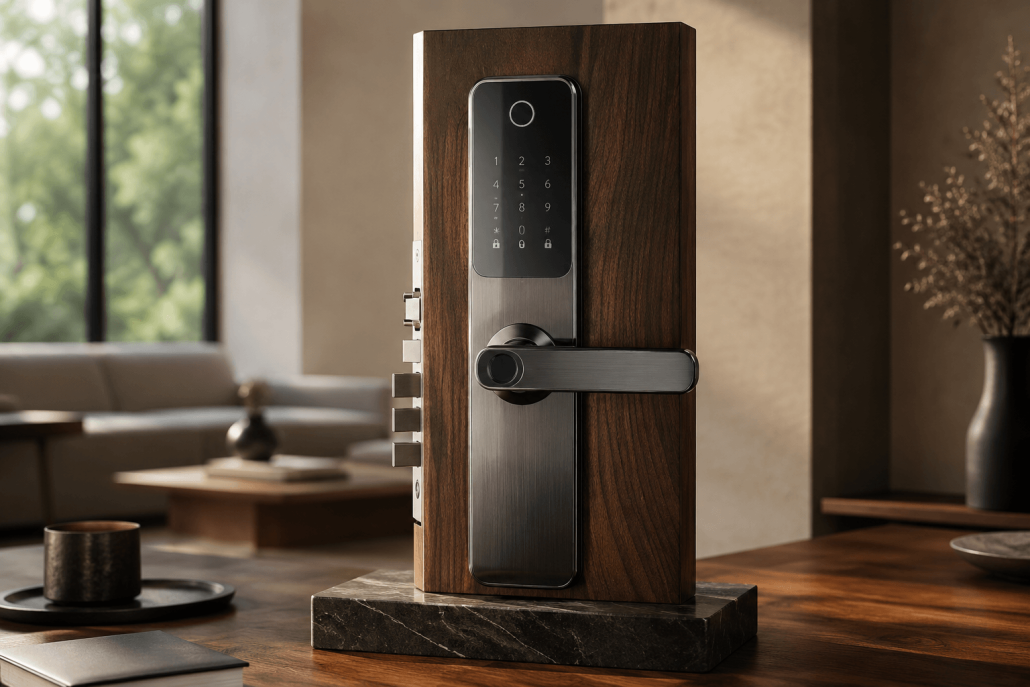
Smart locks are reshaping the access control industry, with the global market projected to reach $8.13 billion by 2026 (Fortune Business Insights, 2023). Residential, rental, and hospitality sectors increasingly adopt advanced solutions like remote deadbolt locks to enhance security, convenience, and scalability. As smart home penetration in developed markets is expected to surpass 60% by 2026 (Statista, 2024), B2B buyers are prioritizing app integration, remote access, and compliance certifications to meet evolving customer demands.
Why Demand for Remote Deadbolt Locks Is Rising
The demand for remote deadbolt locks is driven by growing adoption in residential, rental, and hospitality projects. Smart locks provide enhanced security while simplifying access management. For example, a property manager can remotely issue temporary PIN codes to tenants or guests, reducing manual intervention. Additionally, the smart lock market is growing at a CAGR of 18.4% (MarketsandMarkets, 2023), indicating robust interest from both consumers and commercial buyers.
Moreover, remote access capabilities are critical for modern security systems. As McKinsey (2023) reports, 73% of B2B buyers prioritize app integration and remote access when sourcing smart locks. This trend aligns with the increasing use of platforms like TTLock and Tuya, which enable seamless control via smartphones. KEYPLUS smart locks integrate these technologies, ensuring compatibility with diverse project requirements.
Key Features B2B Buyers Evaluate in Remote Deadbolt Lock Suppliers
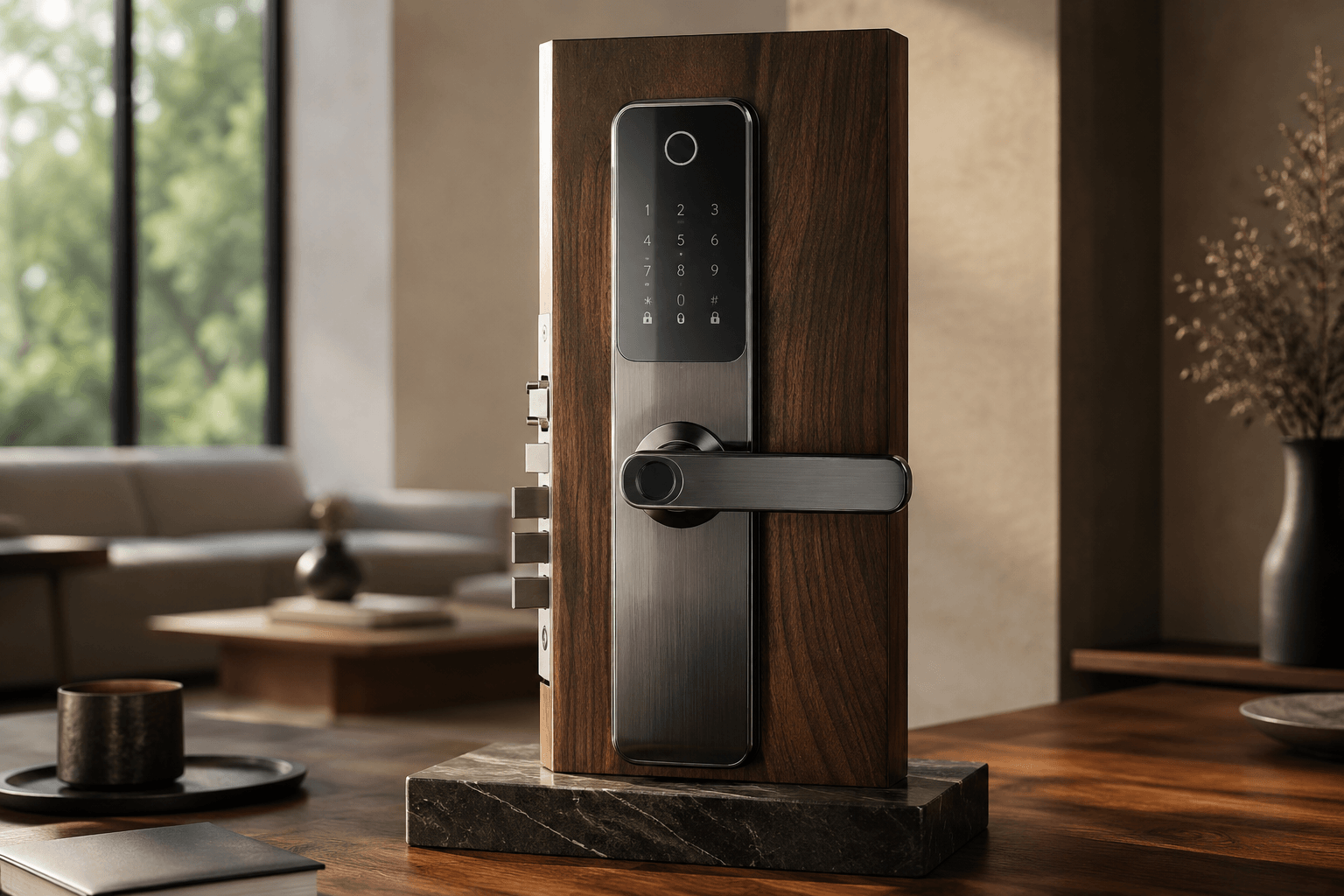
B2B buyers assess several features when selecting remote deadbolt locks. Unlock methods such as fingerprint authentication, RFID cards, and app control are essential for flexibility and user convenience. App ecosystems like TTLock and Tuya further enhance usability by providing remote control, audit trails, and temporary PIN features.
Installation compatibility is another critical factor. Smart locks must fit a wide range of door types, including mortise and deadbolt configurations. For commercial projects, ANSI/BHMA Grade 1 certification is required for 68% of access control installations (BHMA, 2023). Buyers also evaluate product stability, battery life, and after-sales support to ensure long-term reliability.
As Sarah Lee, a security consultant, states: “B2B buyers look for manufacturers that offer scalable solutions and comprehensive project support. KEYPLUS excels in OEM/ODM customization and ensures compliance with CE, FCC, and RoHS standards.”
Compliance, Standards, and Technical Considerations
Compliance with industry standards is non-negotiable for importers and distributors. Certifications such as CE, FCC, RoHS, and ANSI/BHMA validate product quality and safety. For example, CE-certified smart locks meet EU safety directives, making them ideal for European markets. FCC compliance ensures devices operate within regulated frequency ranges, while RoHS certification confirms environmentally safe manufacturing practices.
Technical compatibility is equally important. Smart locks must integrate seamlessly with existing systems, including Wi-Fi gateways and smart home platforms. Battery performance, IP ratings, and export documentation also influence purchasing decisions. KEYPLUS stands out by offering certified products and robust technical support tailored to diverse project requirements.
Choosing the Right Remote Deadbolt Lock for Your Project
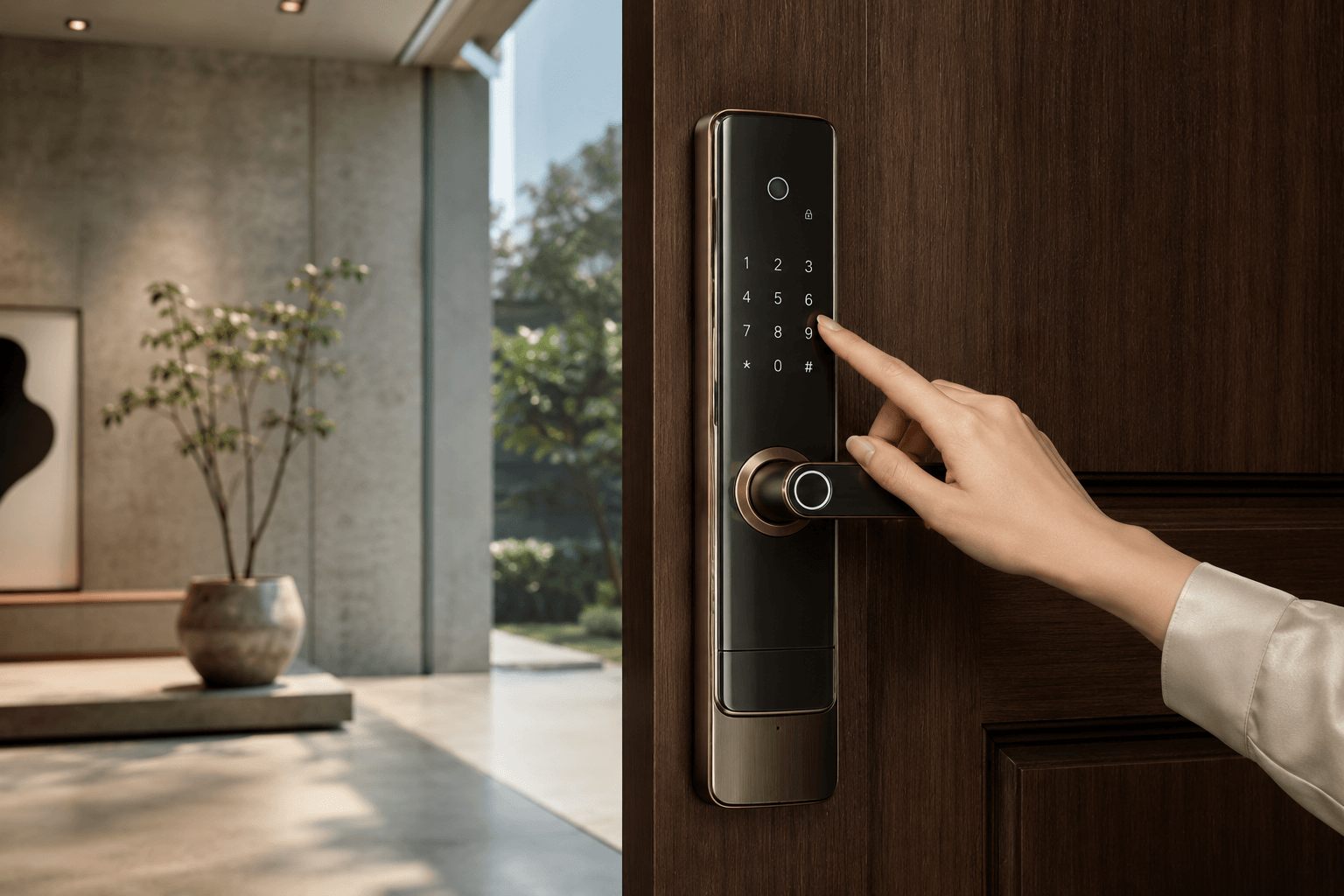
Identifying the right smart lock solution depends on the application. Residential buyers often prioritize biometric features like fingerprint or face recognition. In contrast, rental property managers value remote access and audit trails to streamline tenant management. Hospitality projects require scalable systems compatible with hotel software.
Door compatibility is a key consideration. Smart locks must fit door thicknesses, mortise configurations, and existing deadbolt setups. App ecosystems like TTLock provide centralized control, enabling property managers to issue temporary PINs or monitor access logs. For large-scale projects, OEM/ODM flexibility ensures product customization to meet specific requirements.
Future Outlook for Smart Lock Manufacturing and Sourcing
The future of smart lock manufacturing is tied to advancements in biometric authentication, cloud-based access management, and platform integration. As smart home ecosystems expand, manufacturers must offer solutions that integrate with voice assistants and IoT devices. Scenario-based applications, such as video intercoms and palm vein recognition, will further enhance usability.
For distributors and importers, partnering with experienced manufacturers like KEYPLUS can reduce project risks. KEYPLUS offers stable lead times, low MOQs, and comprehensive certification support, ensuring smooth procurement and installation processes. By investing in scalable and compliant solutions, buyers can stay ahead in a rapidly evolving market.
Frequently Asked Questions
Is there a lock that can be unlocked remotely?
Yes, remote deadbolt locks can be unlocked via smartphone apps or Wi-Fi gateways. According to McKinsey (2023), 73% of B2B buyers prioritize remote access capabilities. These locks are ideal for residential, rental, and hospitality applications where remote control enhances convenience and security.
What are the disadvantages of smart door locks?
Smart door locks require power sources, such as batteries, which need periodic replacement. Connectivity issues may arise if gateways or Wi-Fi networks are unstable. However, certified products like CE-compliant locks mitigate these risks through rigorous testing and reliable designs.
Does smart lock work with existing deadbolt?
Yes, many smart locks are designed to retrofit existing deadbolts. For example, remote deadbolt locks from KEYPLUS offer compatibility with standard mortise and latch designs, ensuring seamless installation without replacing the entire locking mechanism.
How do remote locks work?
Remote locks connect to smartphones or gateways via Wi-Fi, BLE, or Zigbee protocols. Users can unlock doors, issue temporary PINs, and monitor access logs through integrated apps like TTLock or Tuya.
What is the best smart deadbolt lock?
The best smart deadbolt lock depends on project requirements. For residential use, biometric locks are popular. For commercial applications, ANSI/BHMA-certified locks with app integration are preferred. KEYPLUS offers scalable solutions tailored to diverse needs.
Deadbolt remotelock replacement?
Replacing a remote deadbolt lock requires compatibility with existing door setups. KEYPLUS provides smart locks designed for easy retrofit installation, ensuring minimal disruption during upgrades.

