
Touch Door Lock Trends for Smart Buyers | KEYPLUS
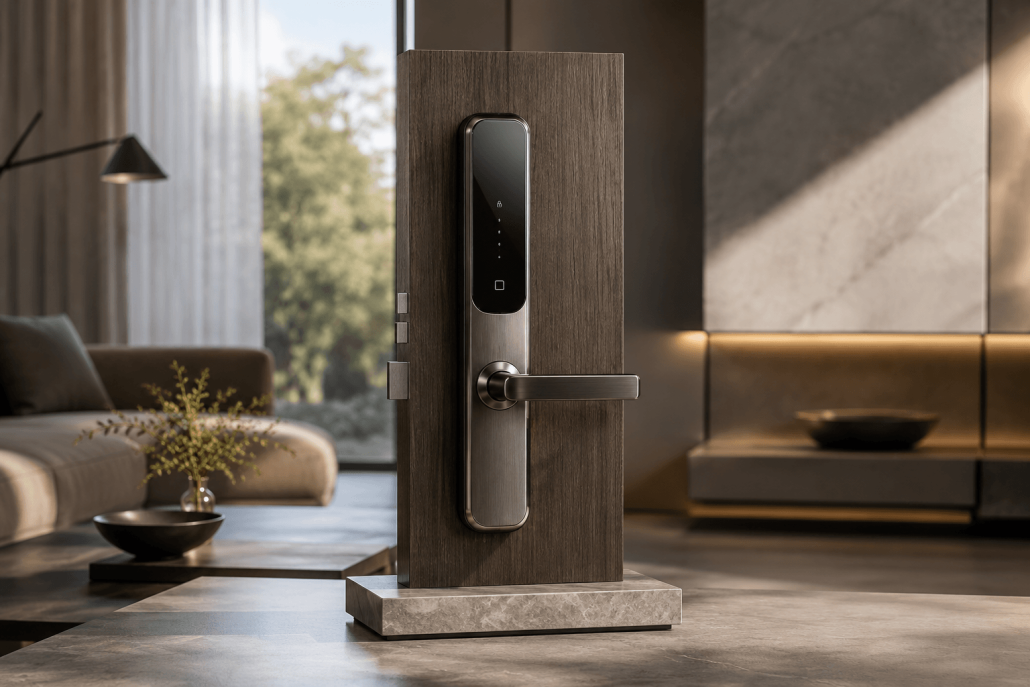
The global demand for smart locks, including touch door locks, is growing rapidly. According to Fortune Business Insights (2023), the smart lock market is projected to reach $8.13 billion by 2026, driven by the increasing adoption of connected home technologies. B2B buyers, such as property managers, distributors, and project integrators, are prioritizing solutions that offer advanced features like keyless entry, app integration, and remote access. The right touch door lock can enhance security, streamline management, and improve user convenience across residential, rental, and hospitality projects.
About Touch Door Lock: Market Demand and Application Trends in Smart Locks
Smart locks are no longer a luxury but a necessity in modern access control systems. In developed markets, smart home penetration is expected to surpass 60% by 2026 (Statista, 2024). Touch door locks, with their sleek design and advanced functionality, are particularly popular in residential and commercial applications. For example, rental property managers appreciate the ability to issue temporary PIN codes for tenant access, while hotels benefit from streamlined check-in processes using app-based access control.
The versatility of touch door locks makes them a preferred choice for various projects. They integrate seamlessly with smart home ecosystems like Tuya and TTLock, enabling centralized management. Moreover, their compatibility with multiple unlocking methods—such as fingerprint scanning, RFID cards, and mechanical key backups—ensures flexibility for diverse use cases.
KEYPLUS, a leading smart lock manufacturer, offers OEM and ODM solutions tailored to specific project needs. Their products are CE certified and designed to meet international standards, ensuring reliability and safety for global buyers.
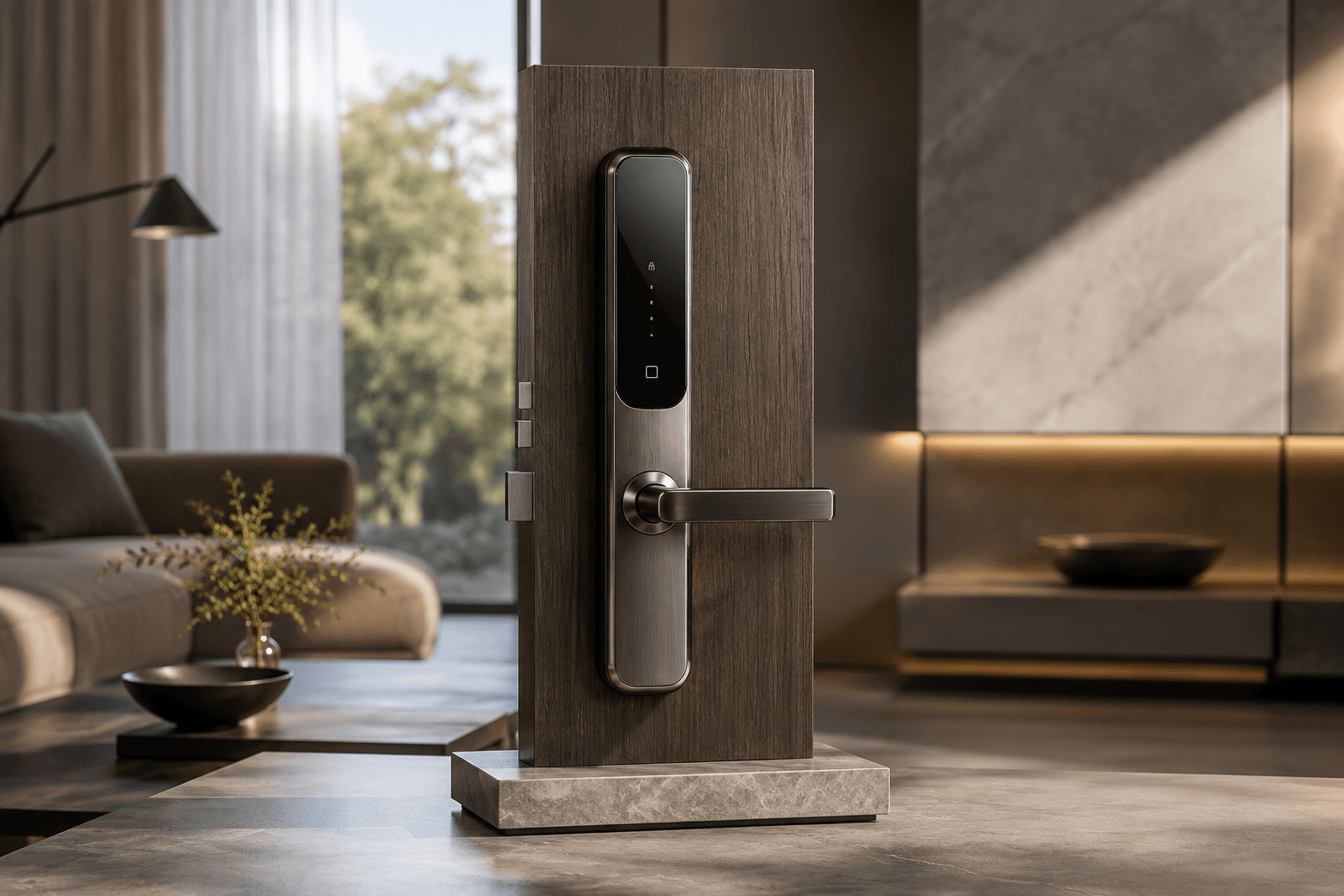
Key Features B2B Buyers Evaluate in Smart Lock Suppliers
When sourcing touch door locks, B2B buyers consider several critical factors. The most important include unlock methods, app ecosystem compatibility, and certification compliance. According to McKinsey (2023), 73% of B2B buyers prioritize app integration and remote access when evaluating smart locks. This highlights the importance of selecting products that support robust software platforms like TTLock or Tuya.
Installation compatibility is another key consideration. Touch door locks must fit a variety of door types, including mortise and deadbolt configurations. Buyers also assess product stability, focusing on features like battery life, IP ratings for weather resistance, and ANSI/BHMA Grade 1 certification, which is required for 68% of commercial access control projects (BHMA, 2023).
As Sarah Lin, a property technology consultant, states: “B2B buyers need solutions that balance advanced functionality with ease of implementation. A reliable supplier ensures both technical support and consistent product quality.” KEYPLUS stands out by offering comprehensive project documentation, low MOQs, and stable lead times, making them a trusted partner for distributors and integrators.
Compliance, Standards, and Technical Considerations
Compliance with international standards is non-negotiable for smart lock buyers. Certifications like CE, FCC, and RoHS ensure that products meet safety and environmental regulations. Additionally, ANSI/BHMA grading provides a benchmark for durability and security, which is crucial for commercial and hospitality applications.
Battery safety and performance are also critical. Touch door locks typically use AA batteries or rechargeable lithium-ion options. Buyers should verify battery life under different usage scenarios to minimize maintenance costs. For outdoor installations, IP65-rated locks offer protection against dust and water, ensuring long-term reliability.
KEYPLUS products undergo rigorous testing to meet these standards, providing buyers with peace of mind. Their locks are compatible with a wide range of doors and support advanced features like audit trails and remote management, making them ideal for complex project requirements.
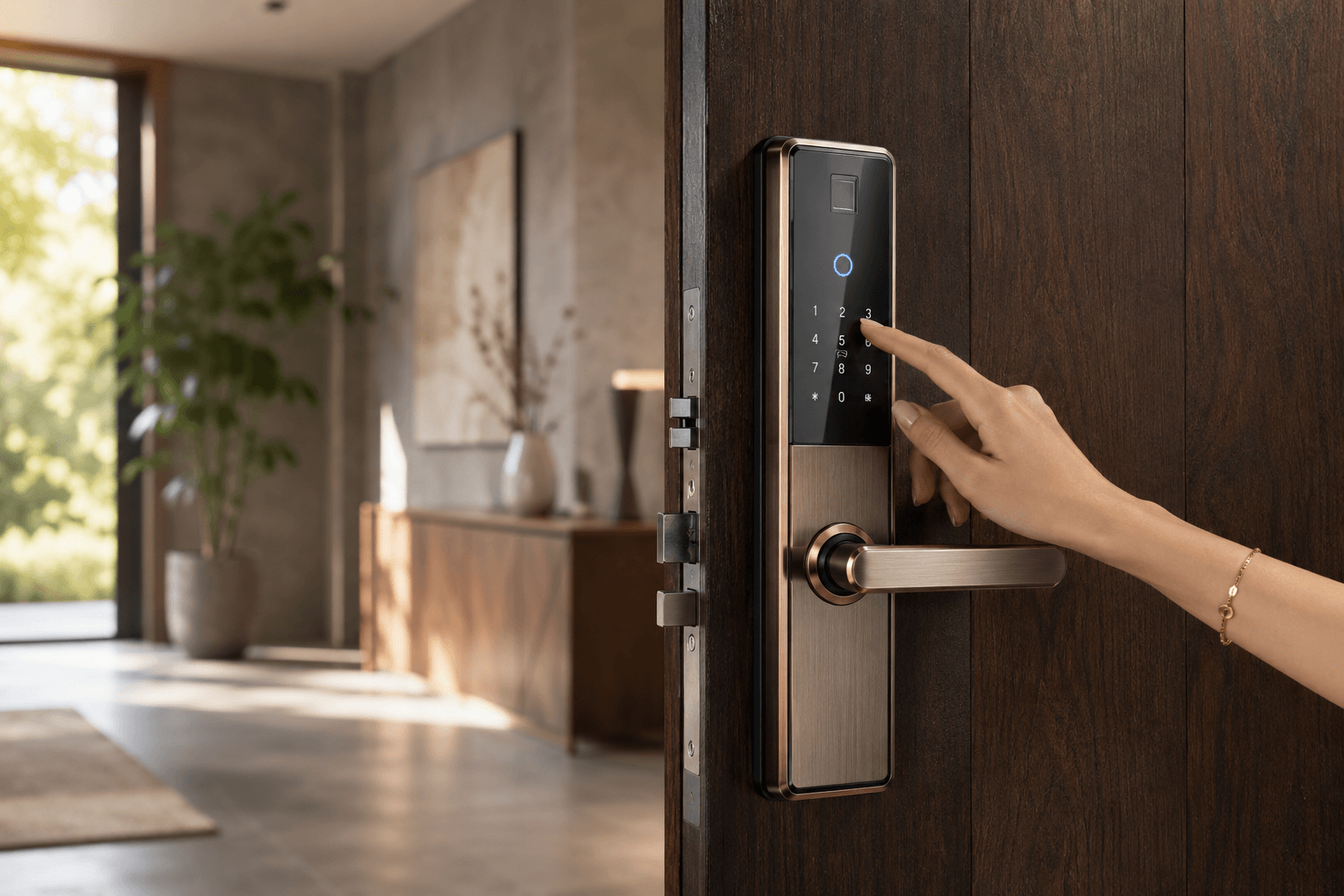
Choosing the Right Touch Door Lock for Your Project
Selecting the right touch door lock depends on the project’s specific needs. For residential applications, features like fingerprint recognition and smartphone app control are highly valued. Rental property managers often prioritize remote access and temporary PIN capabilities to streamline tenant management.
In hospitality, seamless integration with property management systems (PMS) is essential. Touch door locks that support app-based check-in and check-out processes enhance guest experiences while reducing operational costs. For commercial projects, durability and compliance with ANSI/BHMA standards are critical.
KEYPLUS offers tailored solutions for these scenarios, including locks with multi-scenario compatibility and customizable software integration. Their products are designed to reduce return rates and improve installation efficiency, making them a cost-effective choice for large-scale projects.
Future Outlook for Smart Lock Manufacturing and Strategic Sourcing
The future of the smart lock industry is shaped by innovations like biometric authentication, cloud-based access management, and enhanced app ecosystems. The market is growing at a CAGR of 18.4% (MarketsandMarkets, 2023), reflecting strong demand for advanced access control solutions.
Buyers should focus on partnering with manufacturers that offer OEM/ODM flexibility and robust after-sales support. KEYPLUS provides these advantages, along with a commitment to quality and innovation. By sourcing from experienced suppliers, buyers can reduce project risks and accelerate go-to-market timelines.
Frequently Asked Questions
What is a simple digital door lock with Bluetooth functionality?
A simple digital door lock with Bluetooth allows users to unlock doors using their smartphones. According to Fortune Business Insights (2023), smart locks with Bluetooth are increasingly popular for residential and rental applications. These locks often integrate with apps like TTLock for centralized management.
Can I use a keyless entry door lock with a handle?
Yes, many keyless entry locks include handles for added convenience. These locks are ideal for residential and office applications. Buyers should ensure compatibility with their door type and check for features like temporary PINs and remote access.
How do smart door locks work with apps?
Smart door locks connect to apps via Bluetooth, Wi-Fi, or Zigbee. These apps enable remote access, user management, and activity tracking. McKinsey (2023) notes that 73% of buyers prioritize app integration when sourcing smart locks.
What certifications should I look for in a smart lock?
Look for CE, FCC, and RoHS certifications to ensure safety and compliance. For commercial projects, ANSI/BHMA Grade 1 certification is often required. KEYPLUS smart locks meet these standards, offering reliable performance.
Are touch door locks suitable for outdoor use?
Yes, many touch door locks are designed for outdoor use. Ensure the lock has an IP65 rating for water and dust resistance. Battery performance under varying temperatures is also a key consideration.
Why choose OEM/ODM smart lock solutions?
OEM/ODM solutions offer customization for specific project needs. KEYPLUS provides flexible options, low MOQs, and stable lead times, making them a reliable partner for distributors and integrators.

