
Industrial Keypad Door Lock Market Insights for B2B Buyers
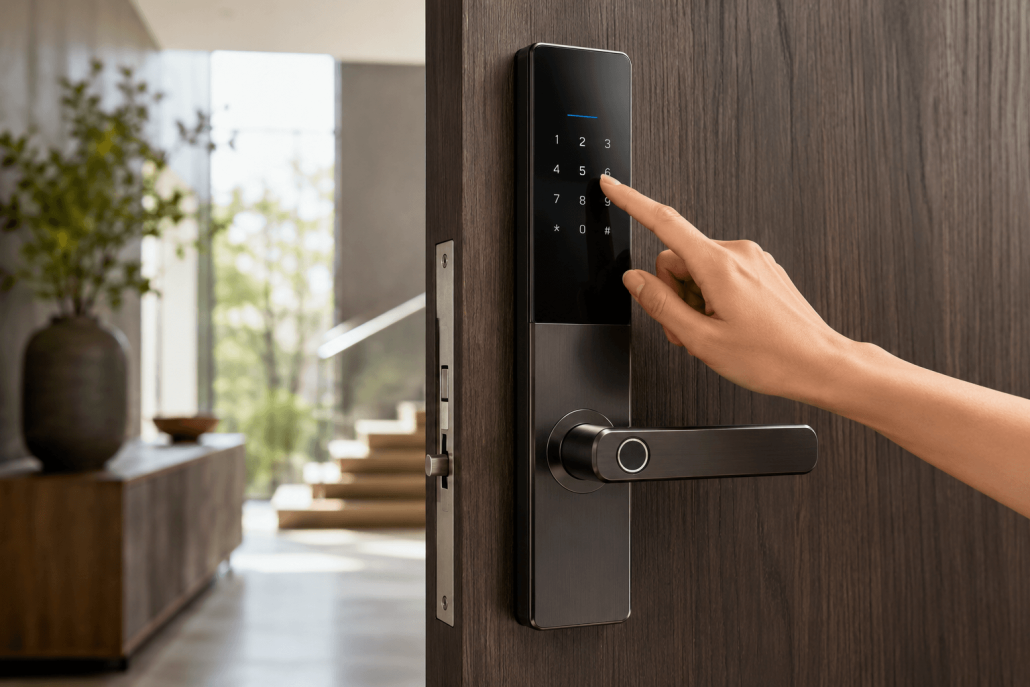
The global smart lock market is projected to reach $8.13 billion by 2026, driven by increasing demand for secure and convenient access control solutions (Fortune Business Insights, 2023). Industrial keypad door locks, offering keyless entry and advanced features such as remote access, are at the forefront of this growth. As B2B buyers evaluate suppliers, understanding market trends and product capabilities is critical for making informed sourcing decisions.
About Industrial Keypad Door Lock: Smart Lock Market Trends and Application Growth
For B2B buyers, selecting the right industrial keypad door lock supplier is critical. KEYPLUS offers certified smart lock solutions with TTLock/Tuya integration, OEM/ODM flexibility, and competitive MOQ. Learn more below.
The smart lock market is growing at a robust CAGR of 18.4% (MarketsandMarkets, 2023), fueled by advancements in technology and the increasing adoption of smart home and commercial security systems. In developed markets, smart home penetration is expected to surpass 60% by 2026, highlighting the growing preference for connected security solutions (Statista, 2024).
Within the commercial sector, electronic keypad door locks have become a preferred choice for storefronts, aluminum doors, and other industrial applications. These locks provide enhanced security, ease of use, and integration with broader access control systems. For example, Tuya-enabled locks allow seamless connectivity with smart home ecosystems, making them appealing for both residential and commercial buyers.
KEYPLUS, a leading smart lock manufacturer, specializes in OEM and ODM solutions tailored for industrial projects. Their products, which include CE-certified keypad locks with features like remote access and temporary PINs, are designed to meet the diverse needs of B2B buyers.
Key Features B2B Buyers Evaluate in a Smart Lock Supplier
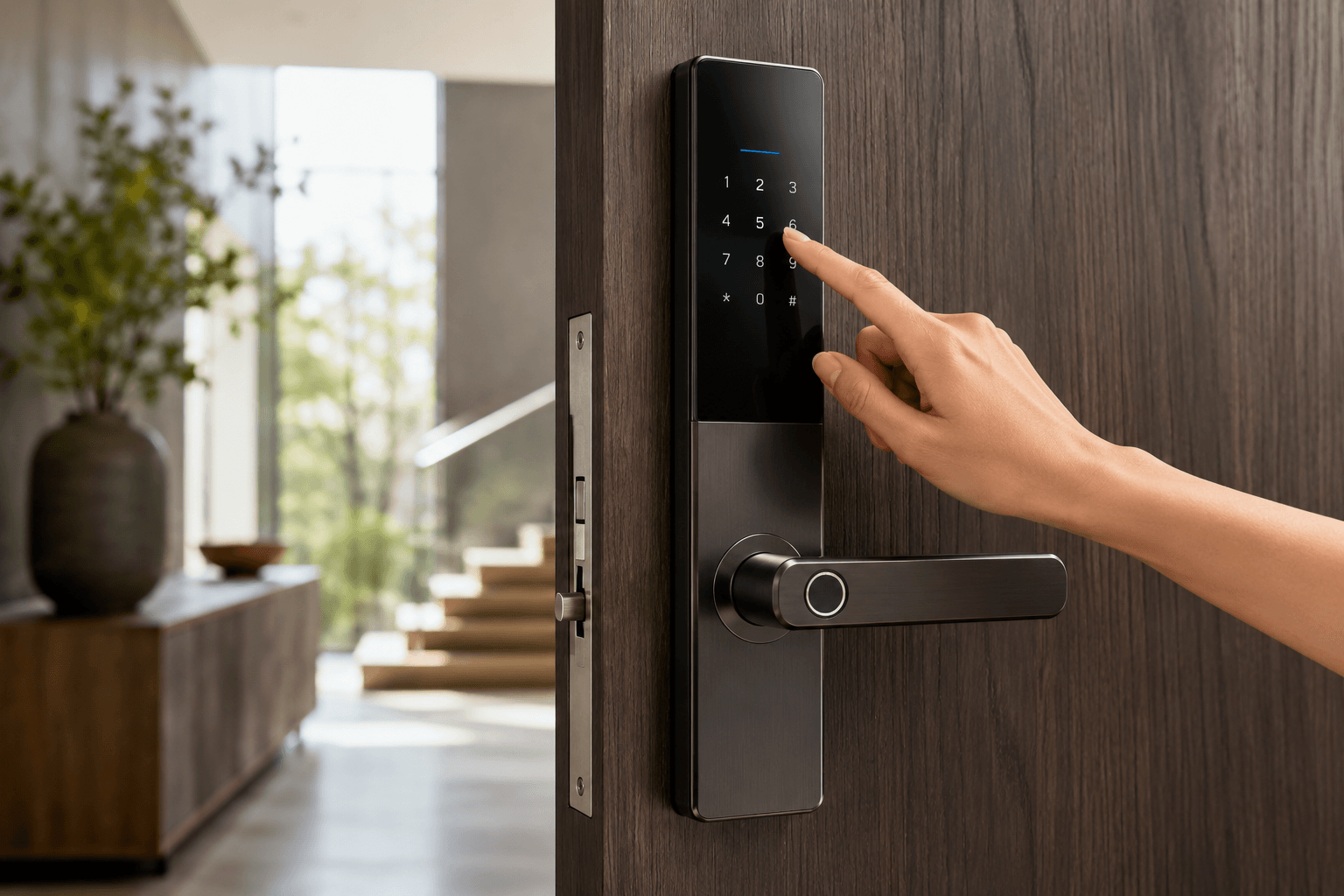
When sourcing industrial keypad door locks, buyers prioritize several key features. According to McKinsey (2023), 73% of B2B buyers value app integration and remote access capabilities. These features enhance user convenience and provide detailed audit trails for monitoring access.
Unlock methods are another critical consideration. Modern locks often combine keypad entry with RFID cards, fingerprint scanning, or mechanical key backups for added flexibility. For instance, KEYPLUS offers locks that integrate with TTLock and Tuya platforms, ensuring compatibility with a wide range of applications.
Certification is equally important for commercial projects. ANSI/BHMA Grade 1 certification, required for 68% of access control projects (BHMA, 2023), ensures the lock meets stringent durability and performance standards. Buyers should also consider CE, FCC, and RoHS compliance for international markets.
As Jane Lee, a Property Technology Consultant, states: “Commercial buyers need to evaluate not just the product features but also the supplier’s ability to provide consistent quality and after-sales support. These factors are crucial for long-term success.”
Compliance, Standards, and Technical Considerations
Meeting compliance standards is a top priority for B2B buyers. Certifications such as ANSI/BHMA, CE, and FCC validate the lock’s quality and suitability for specific markets. For example, CE certification ensures the product meets European safety requirements, while RoHS compliance indicates environmentally safe materials.
Technical compatibility is another essential factor. Industrial keypad door locks must fit various door types, including aluminum storefronts and fire-rated doors. Buyers should verify the lock’s compatibility with door thickness, mortise or deadbolt configurations, and installation environments.
Battery life and connectivity options, such as Wi-Fi, BLE, or Zigbee, also influence purchasing decisions. KEYPLUS, for instance, offers locks with long battery life and seamless app integration, ensuring reliable performance in demanding commercial settings.
Choosing the Right Smart Lock for Your Project
Selecting the right industrial keypad door lock depends on the specific application. For storefronts, heavy-duty locks with panic bar compatibility are ideal. In hospitality settings, locks with remote access and temporary PIN capabilities streamline guest management. For residential or rental properties, app-controlled locks integrated with Tuya or TTLock platforms offer convenience and security.
Practical considerations include installation ease, user management features, and after-sales support. Buyers should also assess the supplier’s ability to provide OEM/ODM customization, low MOQs, and consistent lead times. KEYPLUS excels in these areas, making it a trusted partner for distributors and project buyers.
Future Outlook for Smart Lock Manufacturing and Sourcing
The future of smart lock manufacturing lies in advanced technologies such as biometric authentication, palm vein recognition, and 3D face recognition. Cloud-based access management and scenario-based solutions are also gaining traction, offering enhanced security and flexibility for commercial applications.
For importers and distributors, partnering with a reliable supplier like KEYPLUS can reduce project risks and accelerate go-to-market timelines. By focusing on certification, customization, and consistent quality, B2B buyers can secure a competitive edge in the growing smart lock market.
Frequently Asked Questions
What are heavy-duty commercial door locks?
Heavy-duty commercial door locks are designed for high-traffic areas and provide enhanced security. They often meet ANSI/BHMA Grade 1 standards, ensuring durability and performance in demanding environments. For industrial applications, these locks may include features like a panic bar or mechanical key backup.
What are electronic commercial door locks with keypads?
These locks use a keypad for keyless entry, offering convenience and security. Many models integrate with apps for remote access and allow temporary PINs for guest or employee use. According to McKinsey (2023), 73% of buyers prioritize these features in smart locks.
What makes Schlage electronic commercial door locks unique?
Schlage locks are known for their reliability and compliance with ANSI/BHMA standards. They offer keyless entry, robust construction, and integration with access control systems. These features make them a popular choice for commercial applications.
How do I install a commercial keypad door lock?
Installation typically involves aligning the lock with the door’s pre-drilled holes and securing it with screws. Some models may require additional wiring for connectivity. Always refer to the manufacturer’s manual for detailed instructions.
What is the best electronic commercial door lock?
The best lock depends on your specific needs. For instance, KEYPLUS offers customizable solutions with features like remote access, app integration, and CE certification, making them ideal for various applications.
What are the advantages of a commercial keypad door lock with a panic bar?
These locks combine keyless entry with emergency exit functionality, enhancing safety and convenience. They are commonly used in storefronts and other high-traffic areas.

