
Remote Door Lock Solutions for Strategic Smart Security
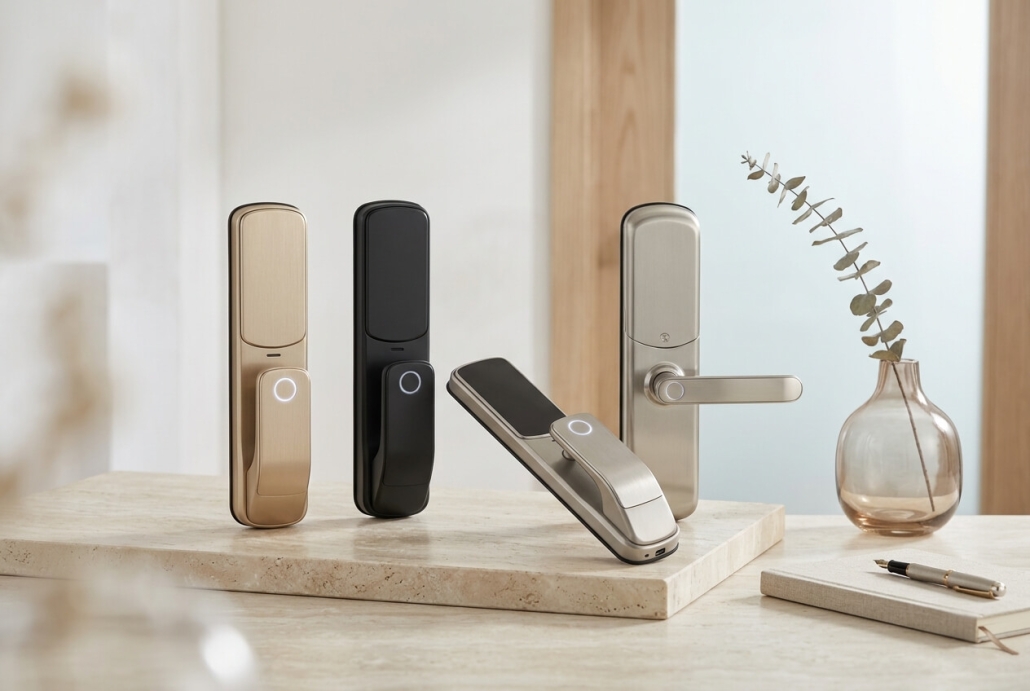
The global smart lock market is projected to reach $8.13 billion by 2026, underscoring a significant shift in how businesses and consumers approach security solutions (Fortune Business Insights, 2023). Smart locks are no longer just conveniences; they are essential components of contemporary security systems. This growth is driven by a demand for higher security standards, boosted efficiency, and the seamless ability to manage access control remotely. As companies seek more intelligent, connected solutions, preferences are rapidly shifting towards remote door locks that integrate seamlessly with existing smart home ecosystems.
About Remote Door Lock: Growing Demand for Smart Locks in Diverse Applications
For B2B buyers, selecting the right remote door lock supplier is critical. KEYPLUS offers certified smart lock solutions with TTLock/Tuya integration, OEM/ODM flexibility, and competitive MOQ. Learn more below.
Smart lock adoption spans across various sectors, with particular growth seen in residential, hospitality, rental, and apartment applications. In developed markets, smart home penetration is expected to surpass 60% by 2026, indicating broader acceptance and integration into daily life (Statista, 2024). Smart locks offer significant advantages in these settings; for example, they provide enhanced security and user-friendly remote management. Moreover, solutions from brands like $4 offer robust support through biometric features like fingerprint recognition and Tuya integration, catering to diverse user needs.
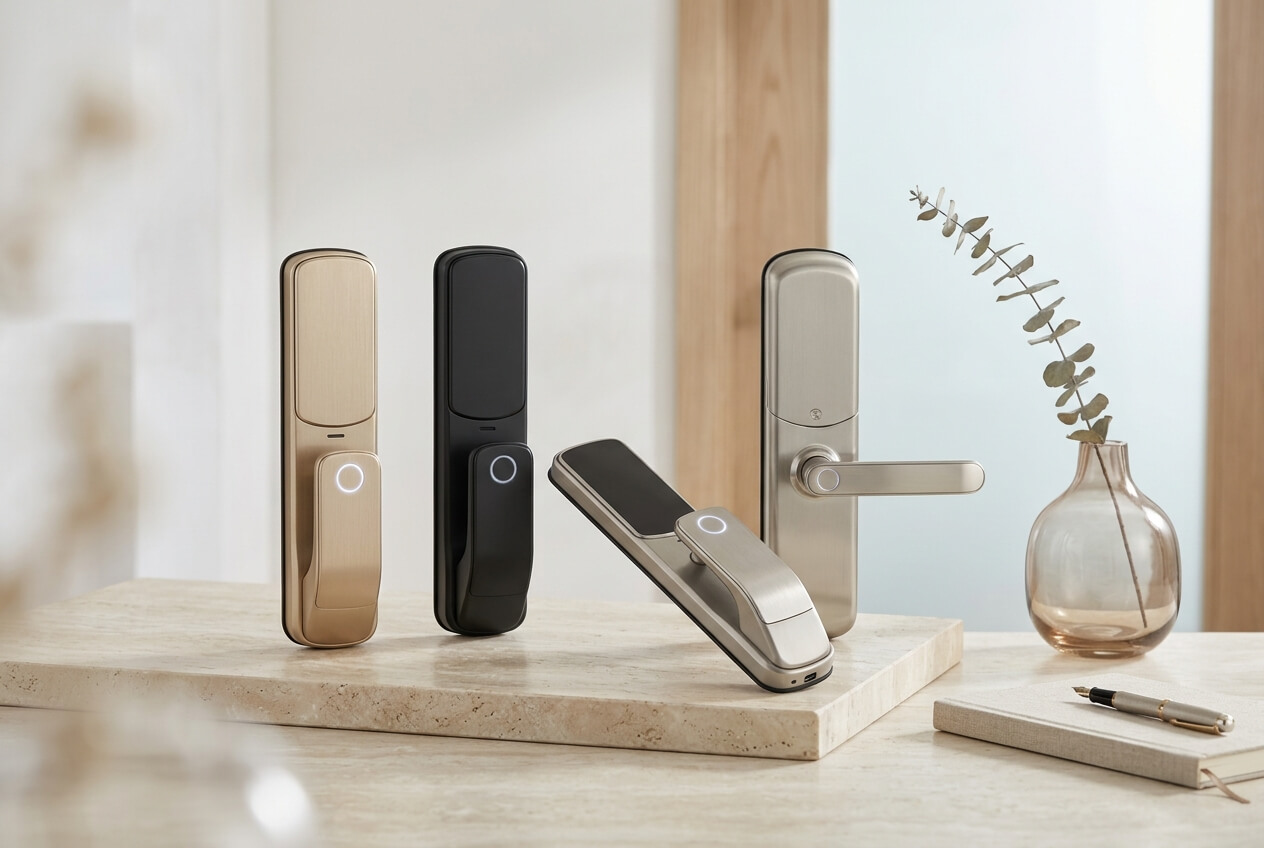
Key Product Features and Supplier Evaluation Criteria
For B2B buyers, evaluating smart lock suppliers involves examining key features such as app integration, unlock methods, and compliance with industry standards. A recent study shows that 73% of B2B buyers prioritize app integration and remote access (McKinsey, 2023). Buyers should also weigh the importance of installation compatibility, product quality, and project support. Brands like KEYPLUS stand out by offering flexible solutions that cater to different applications, whether it be a TTLock-enabled hotel lock or a biometric apartment lock.
Compliance, Standards, and Compatibility Considerations
Compliance with standards such as CE, FCC, and ANSI/BHMA is crucial for all smart lock projects. Notably, ANSI/BHMA Grade 1 certification is required for 68% of commercial access control projects, marking it as a standard of superior security and reliability (BHMA, 2023). Ensuring compatibility with door types and software ecosystems, as well as considering battery longevity, are also critical steps in the sourcing process. Companies equipped with robust export documentation and compliance certificates, such as KEYPLUS, provide added assurance to buyers.
Selecting the Right Smart Lock for Your Application
Choosing the correct smart lock solution depends largely on the specific application—whether for residential, hotel, or engineering projects. Features like temporary PINs for hotels, audit trails for apartments, and biometrics for enhanced security play pivotal roles. Smart lock solutions need to align with organizational goals of efficiency, security, and technological advancement. Projects benefit from brands that offer flexibility via OEM/ODM services and demonstrate reliability in execution and after-sales support.
Strategic Sourcing and Partnership Development
Smart lock sourcing requires a strategic approach, focusing on long-term partnership value and supplier stability. Importers and distributors should consider manufacturers with proven records in customization, stable lead times, and comprehensive product portfolios. The adoption of smart home platforms, cloud-based access controls, and scenario-based solutions offer immense growth opportunities for partners investing in smart lock technology. By aligning with experienced manufacturers like KEYPLUS, businesses can reduce risks and accelerate market entry.
Frequently Asked Questions
Can you lock a door remotely?
Yes, remote locking is possible with smart locks that integrate with mobile apps, allowing users to control access from anywhere. According to MarketsandMarkets (2023), the ease of remote access enhances security flexibility. Remote operations are convenient for both residential and commercial applications, offering real-time management of access permissions and monitoring of entry events.
What are the disadvantages of a smart door lock?
The primary disadvantages include potential cybersecurity risks and reliance on electronic power. Products from established brands mitigate these risks by using robust encryption and providing backup power options. While the initial cost may be higher than traditional locks, the benefits of enhanced security and management capabilities often justify the investment.
What is the best automatic door lock?
Automatic door locks that integrate biometric and smart home technologies typically offer superior performance. A well-regarded product should have ANSI/BHMA certification, ensuring reliability. Moreover, app integration, ease of installation, and compatibility with various platforms are crucial deciding factors for B2B buyers.
What happens to an electronic door lock if the power goes out?
Many smart locks come with a battery backup to prevent lockouts during power outages. According to industry standards, it’s advantageous to choose locks with low battery alerts and mechanical backup solutions to maintain accessibility. Regular maintenance and monitoring can further ensure a trouble-free operation during unforeseen power failures.
Are commercial electronic door locks more secure than traditional locks?
Yes, they offer enhanced security features such as remote access and real-time monitoring. They are particularly effective in commercial settings where monitoring entry and exit activity is crucial. Additionally, electronic locks provide flexibility in access management, allowing businesses to update access rights without changing physical keys.
Why choose smart locks for apartment buildings?
Smart locks offer tailored security and management solutions for apartment buildings. They provide customizable access permissions and integrate with existing property management systems. This makes managing tenant access convenient and secure. Furthermore, the reduction in lock replacement costs and the ability to issue temporary access codes are significant advantages.

