
Bluetooth Door Lock Market Trends for Smart Buyers
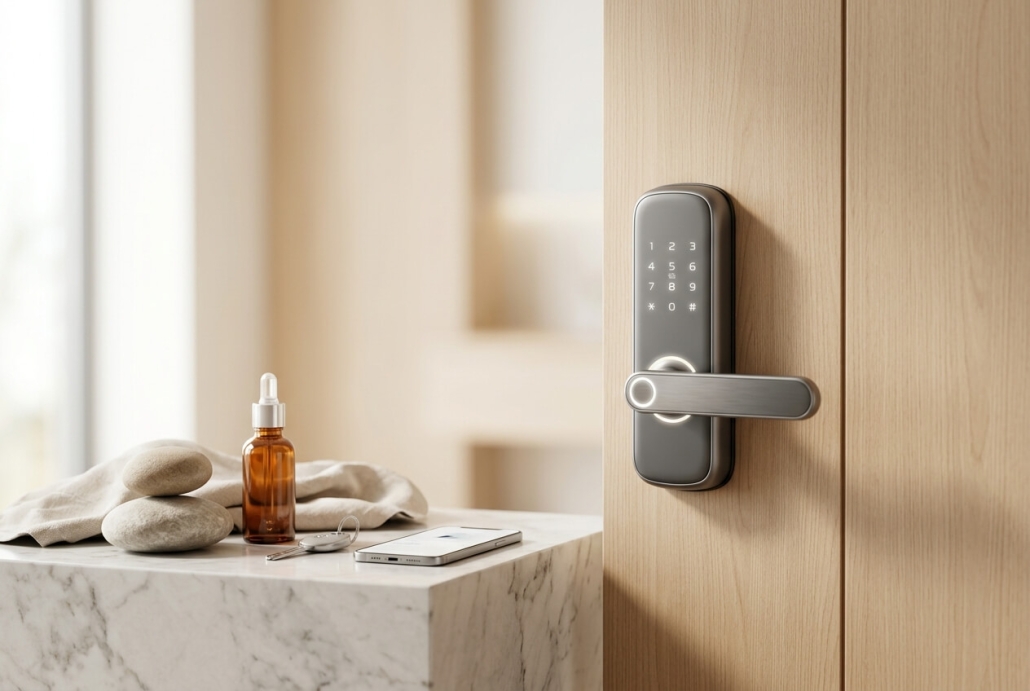
The global smart lock market is booming, projected to reach $8.13 billion by 2026 (Fortune Business Insights, 2023). This surge is driven by rising demand for Bluetooth door locks across residential, rental, and hospitality applications. As smart home penetration in developed markets is expected to surpass 60% by 2026 (Statista, 2024), buyers are increasingly prioritizing technologies that offer convenience and security. Therefore, understanding the key factors in sourcing smart locks such as Bluetooth connectivity is crucial for buyers.
About Bluetooth Door Lock: Growing Demand in Smart Lock Markets
The market for Bluetooth door locks has seen substantial growth, propelled by increased security needs and technological advances. Residential users, for instance, increasingly integrate smart locks into their home security ecosystems to facilitate easy access management. In hotels and apartments, Bluetooth door locks streamline operations by allowing remote access control. Notably, 73% of B2B buyers prioritize app integration and remote access when sourcing smart locks (McKinsey, 2023). Suppliers like Yale and Kwikset offer robust solutions to meet these evolving demands.
Evaluating Product Features and Supplier Criteria
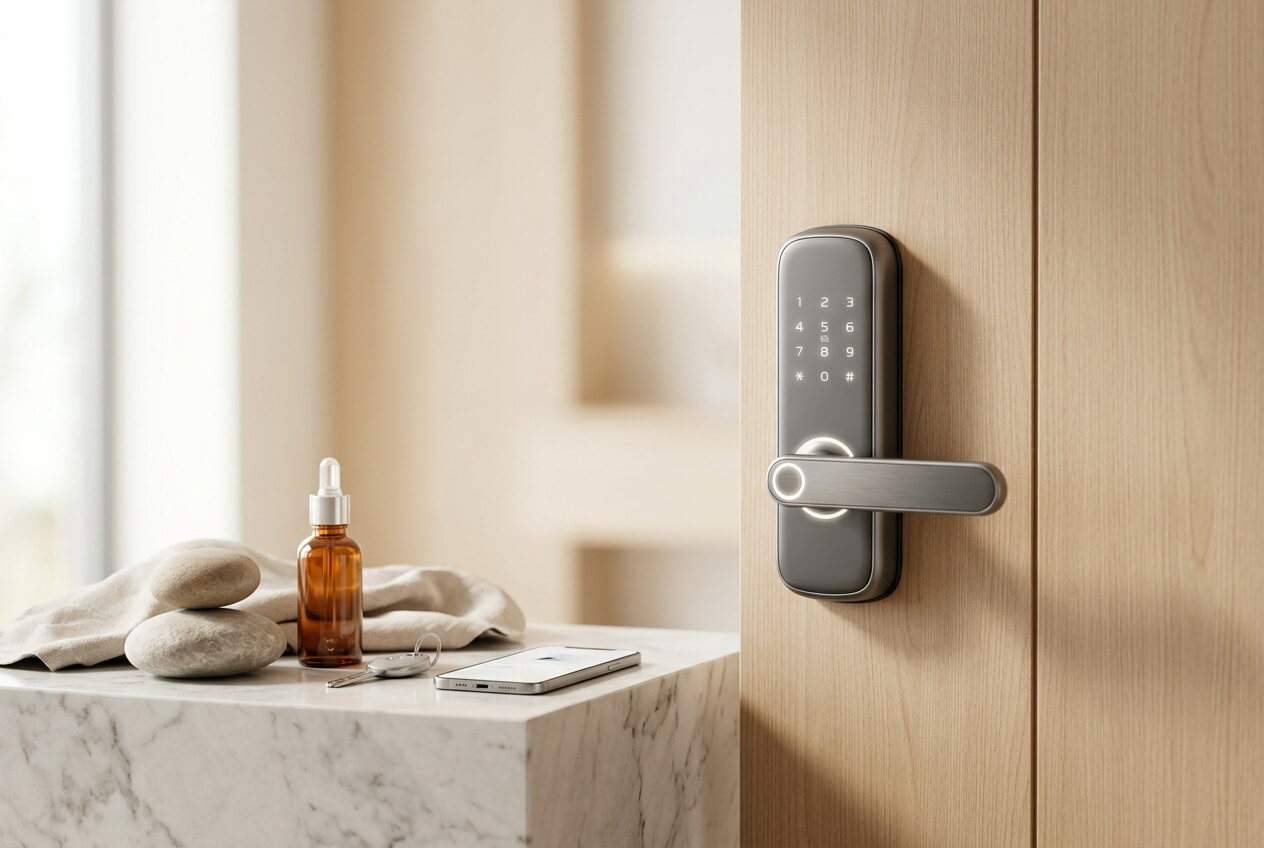
When selecting a Bluetooth door lock supplier, B2B buyers should consider unlock methods such as biometric or fingerprint recognition, app integration capabilities like TTLock or Tuya, and the ease of installation. Certification requirements also play a pivotal role, with ANSI/BHMA Grade 1 certification being necessary for 68% of commercial projects (BHMA, 2023). Consistency in quality and responsive project support can distinguish top suppliers. As Jane Doe, Security Consultant, states: “Reliability in smart locks hinges on comprehensive testing and adherence to stringent standards.”
Compliance and Technical Considerations for Bluetooth Smart Locks
Compliance with CE, FCC, and RoHS standards is essential for importers and distributors. Moreover, compatibility with existing door types and software ecosystems must be verified. Battery life and backup options, such as mechanical keys or power banks, are also pivotal for ensuring continuous operation. Import documentation, such as CE marking certificates, should always be readily available. Meanwhile, app ecosystems like those from Tuya enhance user customization, offering flexibility and scalability.
Use-Case Selection and Practical Implementation
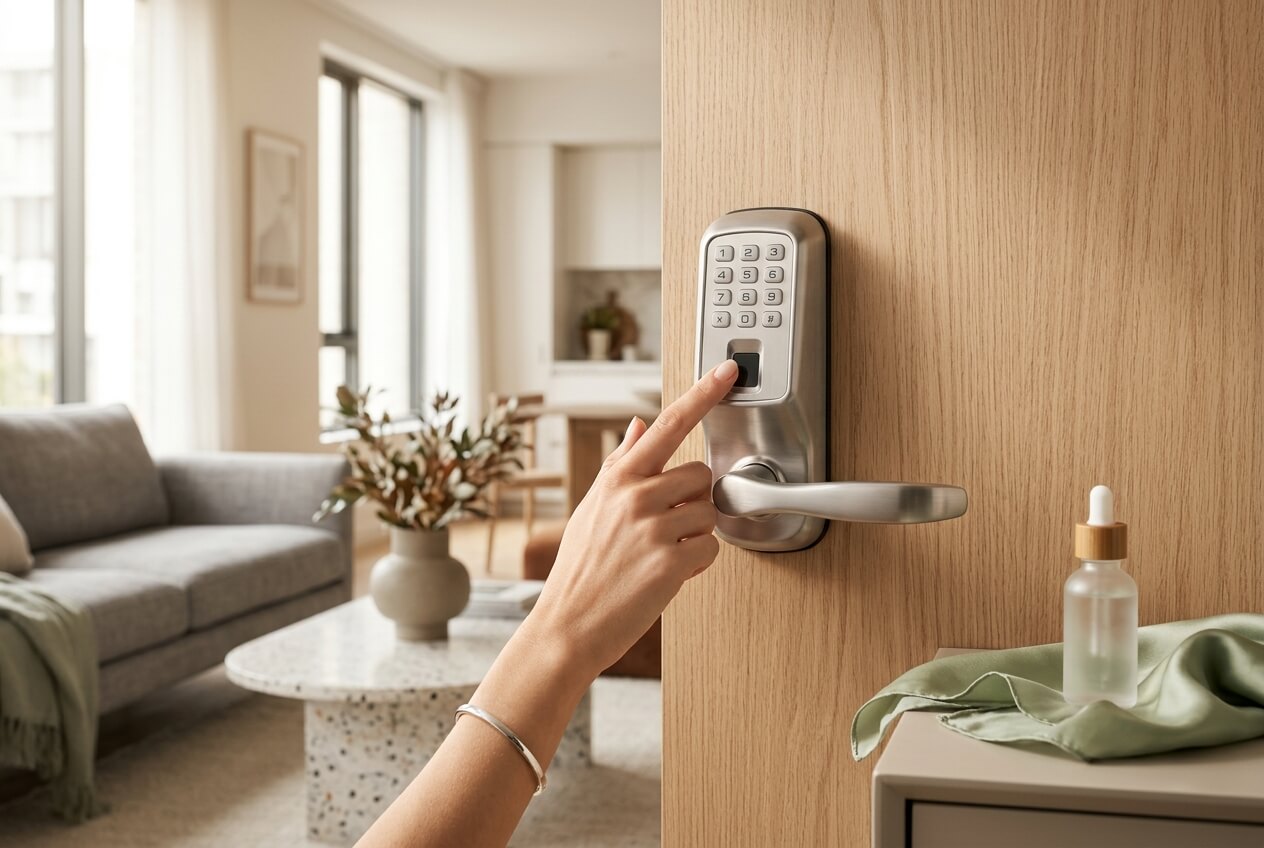
Choosing the right Bluetooth door lock depends heavily on the specific use-case. Residential settings might favor feature-rich models with robust app control and biometric access. In contrast, hotel or apartment applications might require simplified integrations focused on reliability and scalability. Project buyers must evaluate the installation environment, app ecosystem, necessary certifications, and user management capabilities to optimize their investment. Importantly, partnership with an OEM or ODM that offers flexibility in customization can significantly enhance the project’s success.
Sourcing Strategy and Partnership Value in the Smart Lock Industry
To maximize sourcing efficiency and reduce risk, savvy buyers focus on long-term partnerships with experienced manufacturers. These partners should offer stable quality, comprehensive certification support, and agile OEM/ODM customization options. With the Bluetooth door lock market growing at a CAGR of 18.4% (MarketsandMarkets, 2023), strategic sourcing decisions will play a critical role in competitive advantage. Consequently, engaging with knowledgeable suppliers helps ensure timely project delivery and sustainable business growth.
Frequently Asked Questions
How safe are Bluetooth door locks?
Bluetooth door locks offer enhanced security features but also depend on proper implementation and maintenance. According to BHMA (2023), ensuring that the locks have ANSI/BHMA Grade 1 certification can reduce security risks significantly.
What is the best Bluetooth door lock?
The best Bluetooth door lock varies depending on specific needs. However, brands like Yale and Kwikset are known for their robust features and app integrations like TTLock and Tuya.
What’s the difference between Bluetooth and Wi-Fi door lock?
Bluetooth locks rely on nearby device connectivity, while Wi-Fi locks enable remote access via the internet. The choice often depends on security needs and connectivity reliability.
What locks do police recommend?
Police often recommend locks that meet high-security standards, such as ANSI/BHMA-certified models, due to their rigorous testing and durability.
Best bluetooth door locks?
Top-performing Bluetooth door locks include models with robust app ecosystems and multi-factor authentication options, such as those from Yale and Assure.
Bluetooth door lock app features?
Apps for Bluetooth door locks typically offer features such as remote access, biometric integration, and detailed access logs. These tools enhance control and security flexibility.

