
Strategic Sourcing of Electronic Door Locks | KEYPLUS
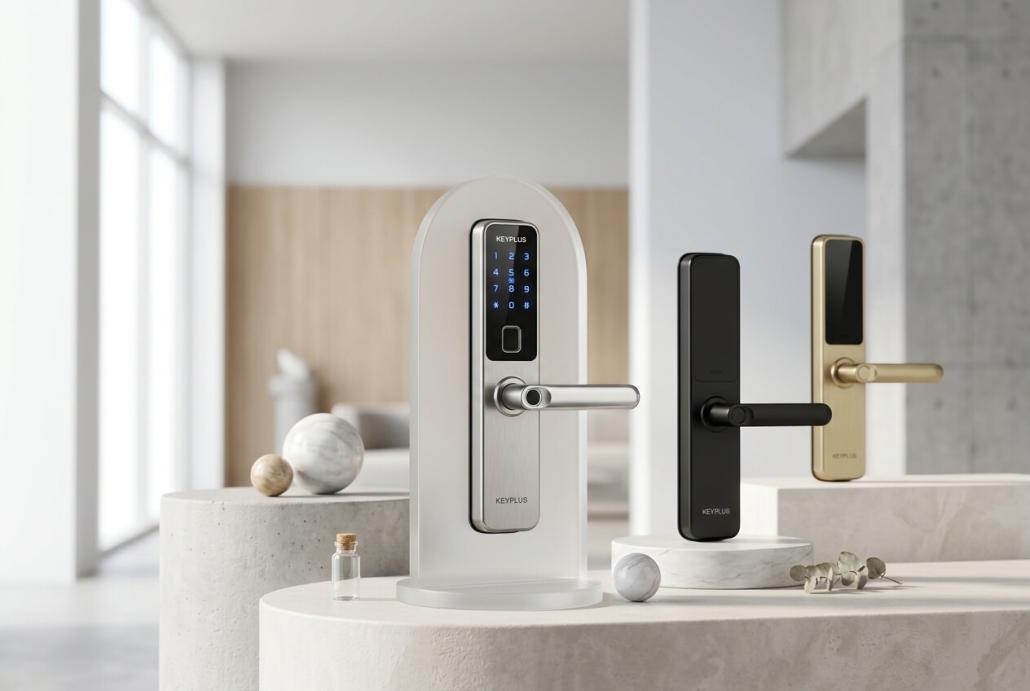
The global demand for electronic door locks is surging, driven by the shift towards smart homes and enhanced security (Fortune Business Insights, 2023). The market, projected to reach $8.13 billion by 2026, presents significant opportunities for B2B buyers. As market growth accelerates, procurement teams must navigate evolving product requirements and certification standards.
Smart Lock Market Trends and Application Context
Smart locks cater to diverse applications, including residential homes, rental properties, and commercial projects. Smart home penetration in developed markets is expected to surpass 60% by 2026 (Statista, 2024). Consequently, the ability of suppliers to integrate their locks with platforms like TTLock and Tuya becomes crucial. Moreover, the rising demand for enhanced security in apartments and hotels fuels the need for reliable access control solutions.
Evaluating Features and Supplier Criteria
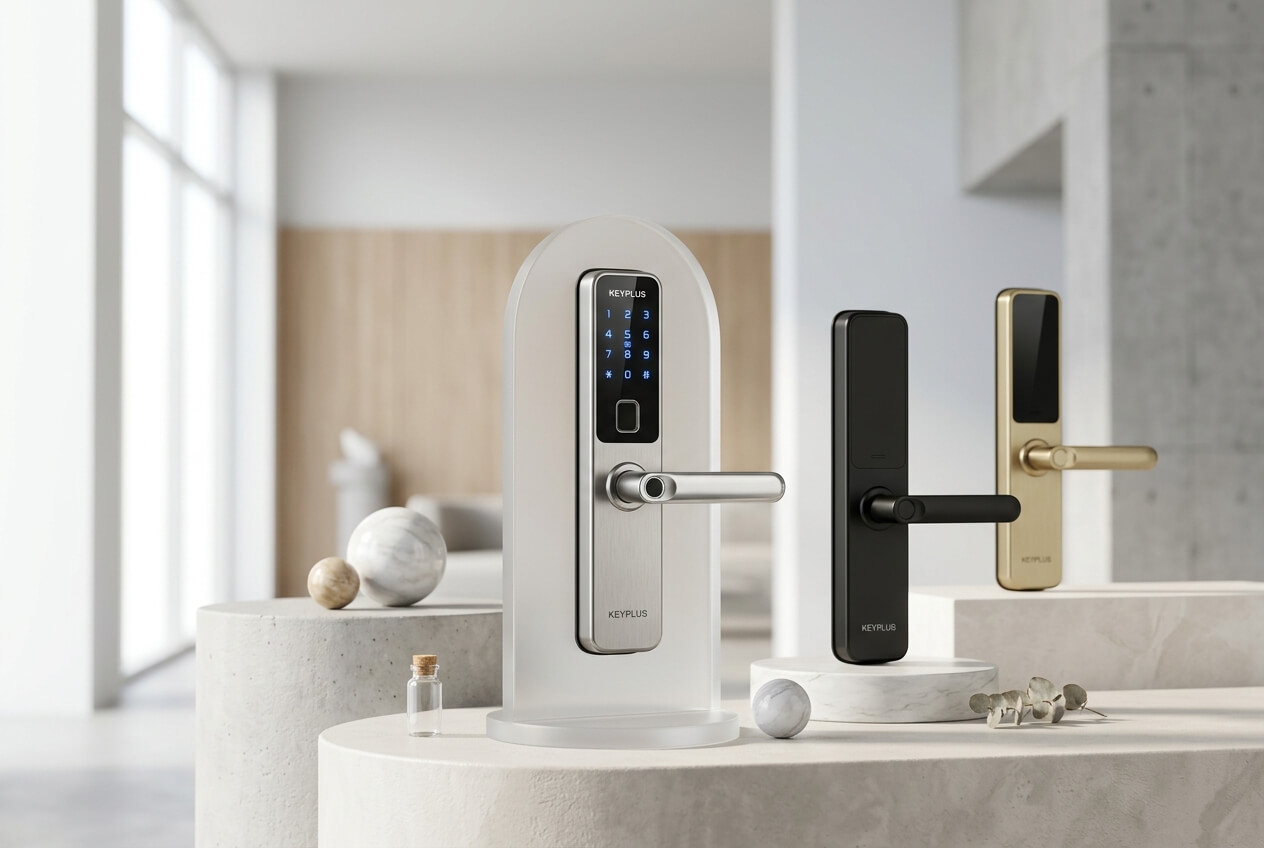
When selecting electronic door locks, B2B buyers prioritize app integration and remote access. According to McKinsey (2023), 73% of buyers see these features as vital. Buyers must also assess unlock methods, such as fingerprint or RFID, and installation compatibility. Furthermore, the supplier’s capacity for OEM/ODM customization and stable lead times can significantly influence purchasing decisions.
Compliance, Standards, and Technical Considerations
Ensuring compliance with CE, FCC, and ANSI/BHMA standards is critical for international importers. For instance, ANSI/BHMA Grade 1 certification is required for 68% of commercial access control projects (BHMA, 2023). Compliance impacts not only the product’s reliability but also its marketability in different regions. Additionally, door compatibility and seamless app ecosystem integration remain top buyer concerns.
Choosing the Right Smart Lock Solution
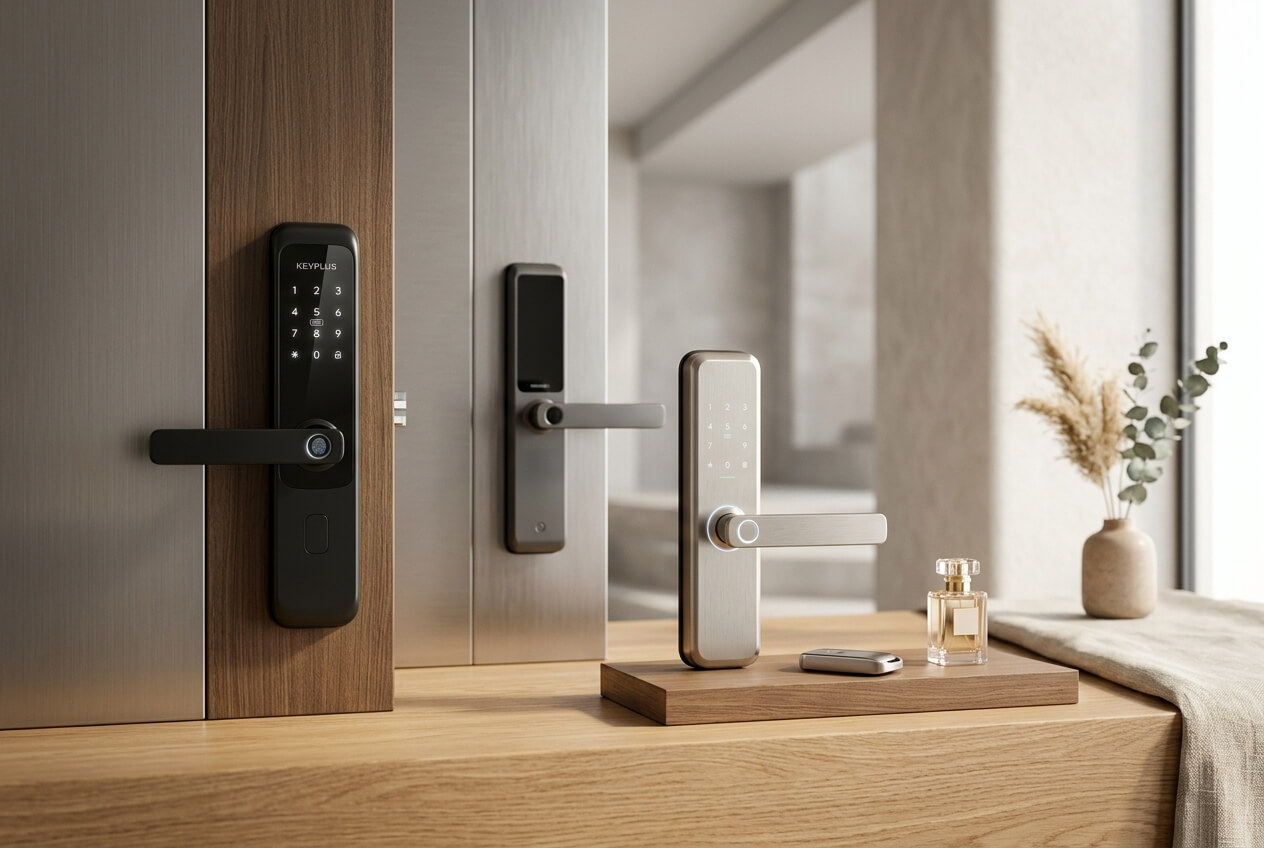
To select the best lock for specific applications, buyers must evaluate factors like user management capabilities, environmental conditions, and project-specific requirements. Residential projects often favor locks with low installation complexity and remote management features. Meanwhile, hospitality projects might demand advanced features like video intercom integration for enhanced guest experience.
Long-term Sourcing Strategy and Partner Alliances
Building strong supplier partnerships is key for importers and distributors aiming for stable supply chains. By choosing a manufacturer with robust R&D and OEM capabilities, buyers can benefit from customization, competitive MOQs, and reliable after-sales support. This approach optimizes product lifecycles and ensures alignment with evolving market demands.
electronic door locks: Frequently Asked Questions
What’s the best electronic door lock?
The best electronic door lock varies depending on application needs. According to MarketsandMarkets (2023), those with app integration and reliability are highly favored. For precise selection, consider the certification, feature set, and supplier reputation.
What is the difference between electronic lock and digital lock?
Electronic locks often use electricity for functionality, while digital locks may require user input like a keypad code. As John Smith, Security Analyst, states: “Both types offer enhanced security, yet they differ mainly in operational features.” Purchasing decisions depend on specific use cases and security needs.
What happens to an electronic door lock if power goes out?
Most electronic door locks have battery backups to maintain functionality during power outages. However, users should ensure regular battery checks. For added assurance, consider locks with mechanical key backups as an alternative.
Are electronic locks safer than key locks?
Electronic locks often offer superior security features, like remote access and audit trails. Studies demonstrate that these locks provide a more robust deterrent against unauthorized access. However, choose models with reliable encryption and anti-tamper mechanisms to maximize safety.
Kwikset Electronic Door Lock longevity?
Kwikset electronic locks are designed for durability and long-term performance. According to Consumer Technology Association standards, ensuring connectivity with smart home systems and regular maintenance can optimize product lifespan.
What locks do police recommend?
Police often recommend locks with ANSI/BHMA Grade 1 certification for optimal security. These locks undergo rigorous testing and provide robust resistance against forced entry, making them suitable for commercial and high-security applications.

