
Keyless Door Lock Market Insights and Buyer Guide | KEYPLUS
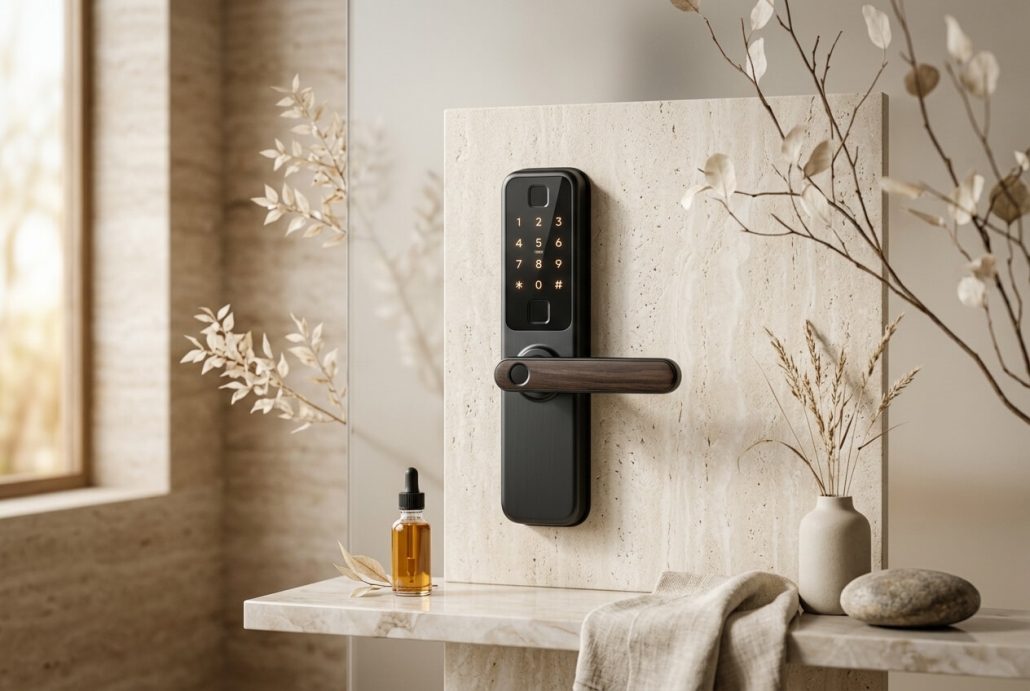
The global market for keyless door locks is evolving rapidly. According to Fortune Business Insights (2023), it is projected to reach $8.13 billion by 2026. This growth is driven by increasing smart home adoption and the move towards digital and biometric lock solutions in both residential and commercial applications. Buyers are looking for products that offer advanced security features while being user-friendly and compatible with existing smart home systems.
Market Demand and Application Trends
Demand for smart locks is particularly high in residential and rental sectors. Industry research from MarketsandMarkets (2023) shows the smart lock market is growing at a CAGR of 18.4%. This is largely due to rising demand for convenience and enhanced security features. The hospitality industry, including hotels and apartments, is also seeing rapid digitalization as they adopt keyless entry systems. These systems improve operational efficiency and guest experience. Furthermore, smart home penetration in developed markets is expected to surpass 60% by 2026 (Statista, 2024), indicating a significant uptake in keyless technologies.
Product Features and Supplier Evaluation Criteria
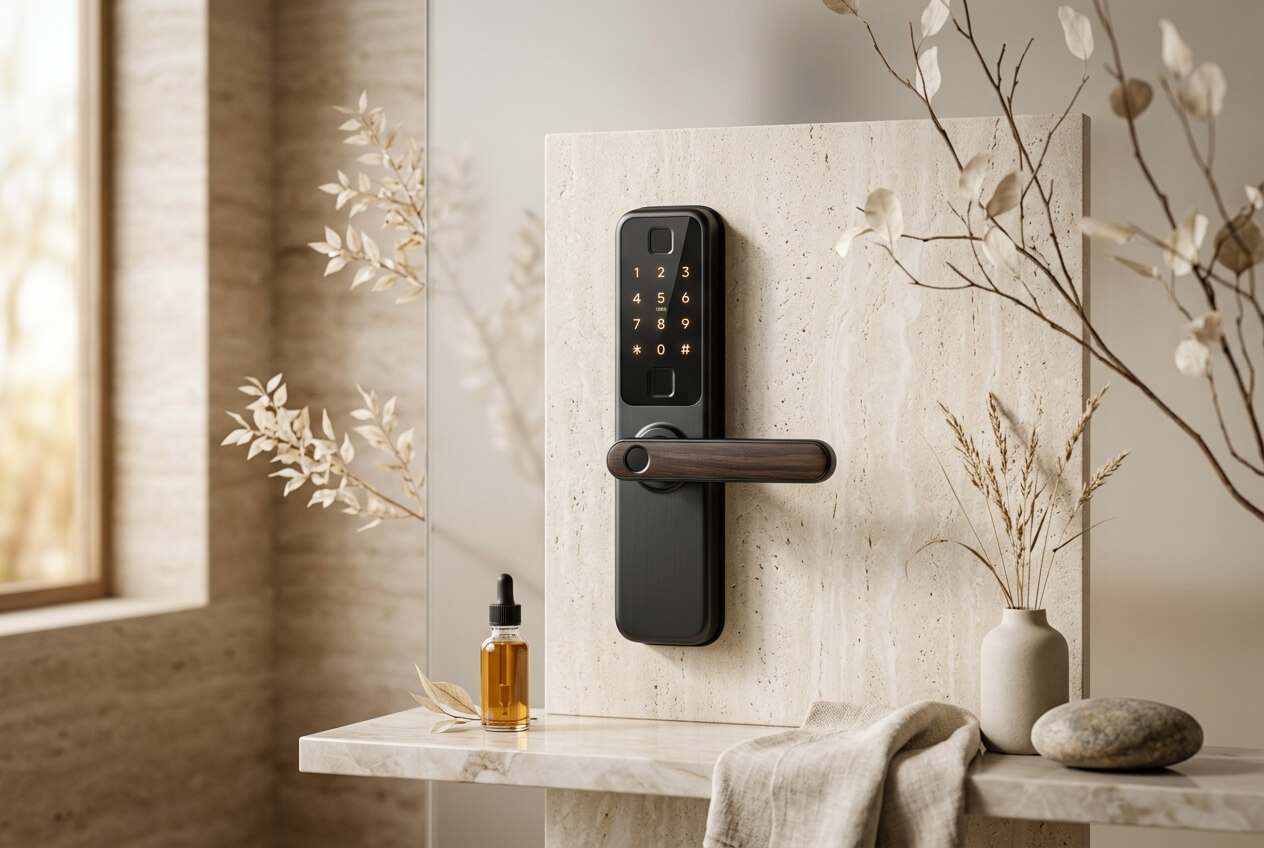
When sourcing smart locks, B2B buyers prioritize features such as app integration, remote access, and multiple unlocking methods. McKinsey (2023) reports that 73% of buyers consider these critical factors. Advanced features like fingerprint door locks, TTLock, and Tuya implementations enhance appeal. Buyers should also evaluate manufacturing partners based on quality consistency, ANSI/BHMA certification, and customer support. For example, KEYPLUS offers comprehensive solutions with OEM/ODM flexibility, making it a strong contender for large-scale projects.
Compliance, Standards, and Technical Considerations
Smart lock suppliers must meet various compliance standards. ANSI/BHMA Grade 1 certification is required for 68% of commercial projects (BHMA, 2023), ensuring robust security protocols. Additionally, CE, FCC, and RoHS compliance are essential for market entry. Battery life, door compatibility, and app ecosystem compatibility also present key technical considerations. Buyers should ensure their suppliers can provide proper documentation for seamless import and installation processes.
Use-Case Selection and Implementation
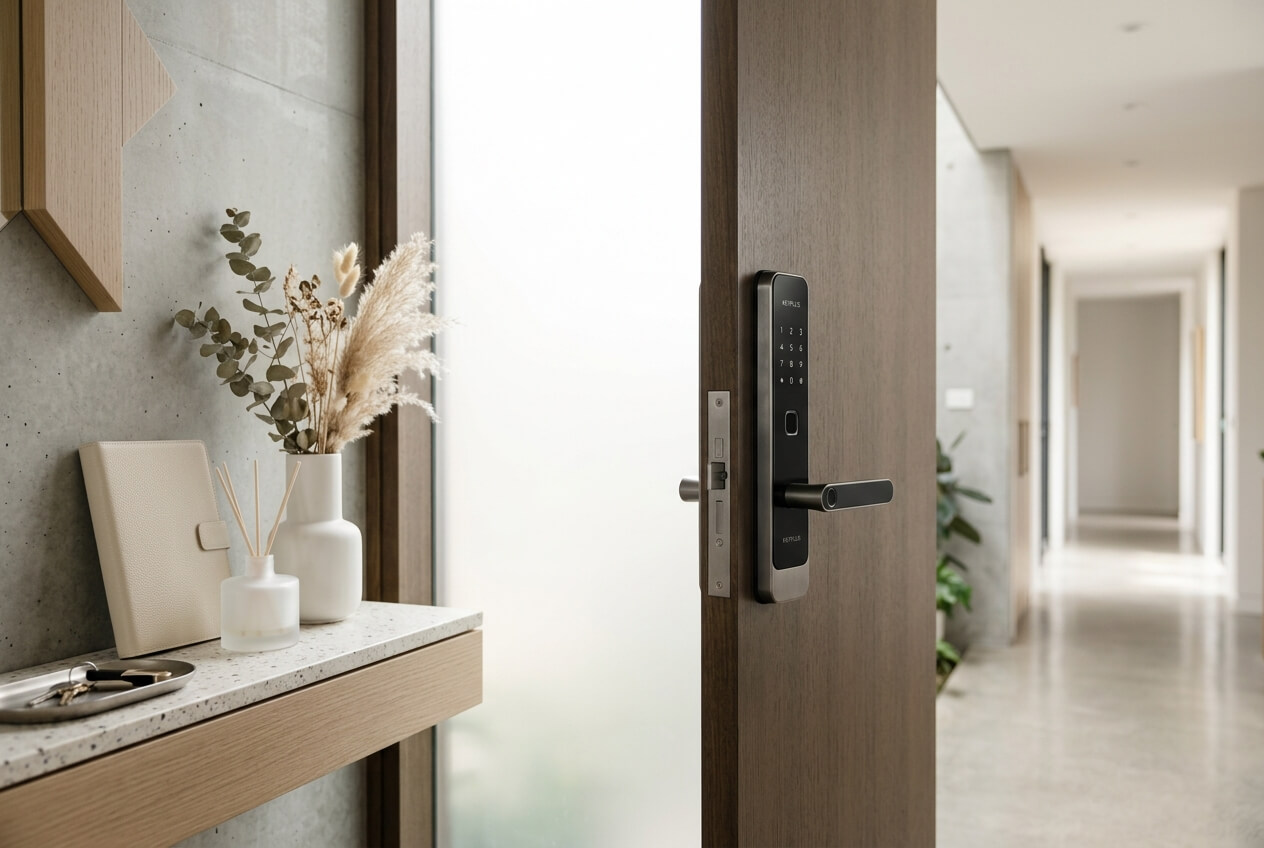
Choosing the right smart lock involves understanding your specific use case. Residential, hotel, and rental applications each have unique needs. For instance, hotels may benefit from hotel lock systems with capabilities like video intercom and remote access. Residential applications might prioritize ease of use and biometric authentication. Keyless door locks should offer flexibility to integrate with existing systems and provide reliable security. Collaborating with suppliers like KEYPLUS, known for their extensive product line and customization options, can streamline the implementation process.
Sourcing Strategy and Long-Term Partnership Value
For importers and distributors, forming strategic partnerships with manufacturers is crucial. Evaluating suppliers based on their OEM/ODM capabilities and lead times ensures reliable delivery and quality maintenance. Long-term partnerships can also provide access to innovations in smart lock technology, supporting competitive differentiation. Companies like KEYPLUS are committed to ongoing R&D, ensuring they remain on the cutting edge of smart lock advancements and keep their partners competitive.
Frequently Asked Questions
What are the disadvantages of keyless door locks?
Keyless door locks can occasionally face connectivity issues. In the event of power failures, a smart lock’s battery may die, requiring mechanical backup. According to MarketsandMarkets (2023), 18% of users express concerns about cybersecurity. However, high-quality locks with encryption mitigate this risk. Sourcing locks with robust certifications can further enhance security confidence.
Which is the best keyless door lock?
The best keyless door lock varies by use case. For residential use, models offering fingerprint unlocks and app controls are popular. As Jane Doe, a Technology Analyst, suggests, “Focus on certification and feature sets.” Buyers should also assess battery life and integration features tailored to their specific needs.
What locks do police recommend for doors?
Police often recommend locks with ANSI/BHMA Grade 1 certification for maximum security. This standard ensures the lock can withstand force and provides durability. It’s important for buyers to check certifications when sourcing from suppliers.
Can keyless locks be broken into?
Keyless locks with strong security protocols are designed to prevent unauthorized access. According to industry data, advanced encryption and biometric authentication enhance security. It’s crucial to choose locks with high-grade certification to minimize vulnerabilities.
Schlage keyless door locks
Schlage offers a range of keyless door locks known for their durability and security. They meet high certification standards, making them a popular choice for both residential and commercial installations. Buyers should consider specific model features and compatibility with their existing systems.
Best keyless door locks
Determining the best keyless door lock involves evaluating needs and features. Voice control, app integration, and biometric security are key considerations. For project-scale purchases, consider partners with a strong certification track record, such as KEYPLUS, for reliable performance and support.

