
Wireless Door Lock System: Trends and Buyer Insights | KEYPLUS
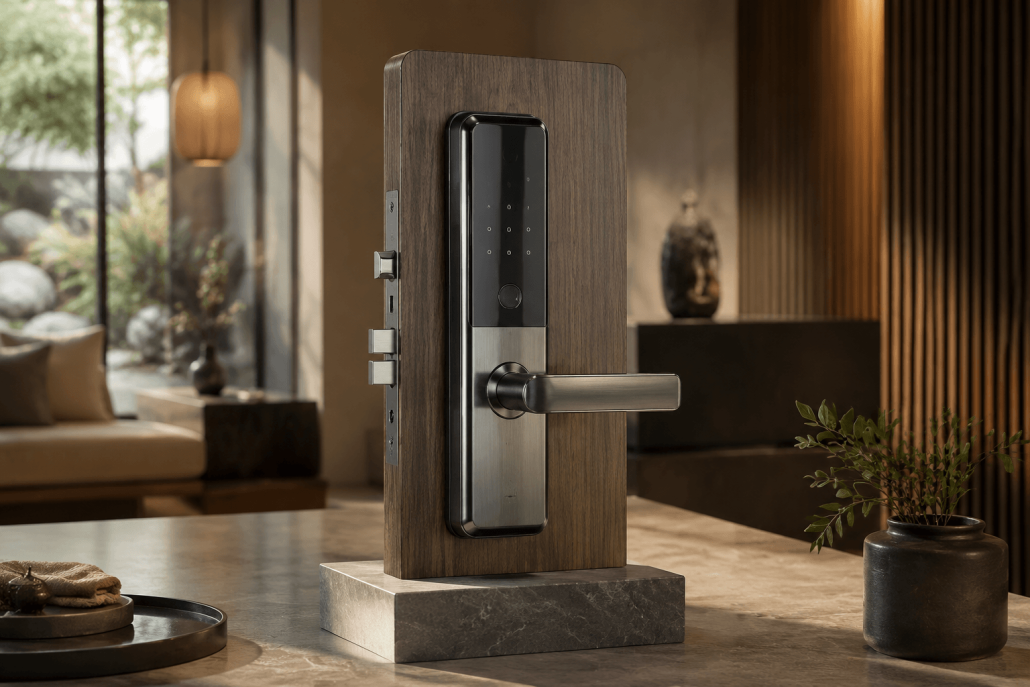
The global smart lock market is projected to reach $8.13 billion by 2026, driven by increasing demand for secure, convenient, and connected access solutions (Fortune Business Insights, 2023). Wireless door lock systems are revolutionizing residential, rental, and hospitality security. Buyers are prioritizing app integration, remote access, and compatibility with smart home ecosystems in their sourcing decisions.
About Wireless Door Lock System: Exploring Market Demand and Application Trends
For B2B buyers, selecting the right wireless door lock system supplier is critical. KEYPLUS offers certified smart lock solutions with TTLock/Tuya integration, OEM/ODM flexibility, and competitive MOQ. Learn more below.
Smart locks are becoming indispensable in modern security strategies. According to MarketsandMarkets (2023), the industry is growing at a CAGR of 18.4%, fueled by technological advancements and rising adoption in residential and commercial projects. In developed markets, smart home penetration is expected to surpass 60% by 2026 (Statista, 2024). This growth is reshaping the way buyers evaluate wireless electronic locks for apartments, hotels, and rental properties.
Keyless entry systems like TTLock and Tuya-enabled locks are gaining traction due to their ease of use and enhanced security. These systems allow remote access management, temporary PIN generation, and audit trail monitoring, making them ideal for property managers and hospitality providers.
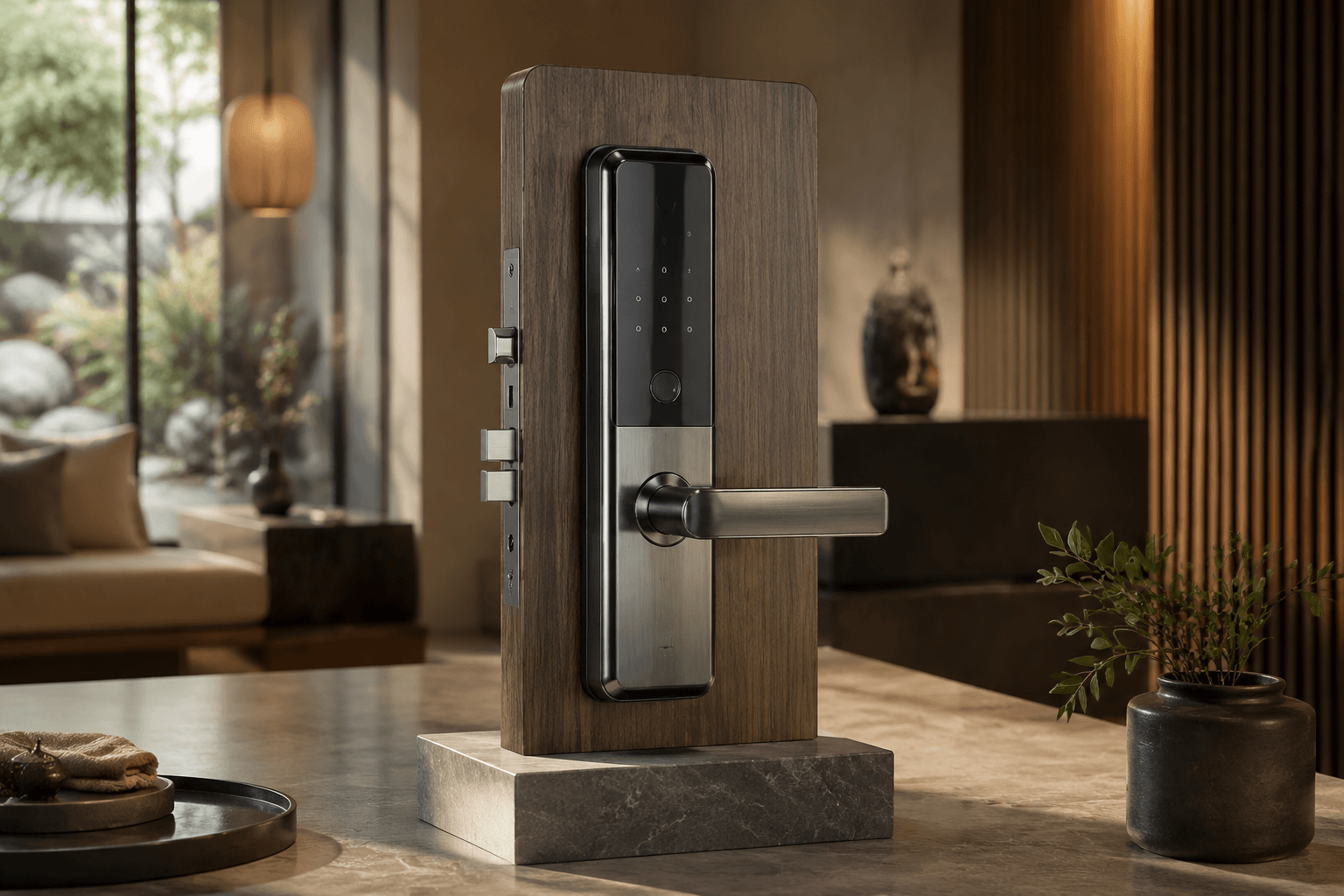
Key Features B2B Buyers Evaluate in a Wireless Door Lock System
When sourcing smart locks, B2B buyers prioritize several critical features. A McKinsey report (2023) highlights that 73% of buyers consider app integration and remote access to be top priorities. Compatibility with platforms like TTLock and Tuya ensures seamless operation and user control.
Unlock methods such as fingerprint authentication, RFID card access, and mechanical key backups offer flexibility for various scenarios. Additionally, certifications like ANSI/BHMA Grade 1 are essential for 68% of commercial access control projects (BHMA, 2023). These certifications guarantee durability and reliability in high-traffic environments.
As Michael Lee, Security Consultant, states: “Smart locks with robust app ecosystems and multi-method unlock capabilities are reshaping how businesses approach security.” Buyers also evaluate supplier capabilities for OEM/ODM customization, stable lead times, and after-sales support.
Compliance, Standards, and Technical Considerations
Sourcing wireless door lock systems involves navigating compliance requirements such as CE, FCC, and RoHS. These certifications ensure product safety, environmental responsibility, and compatibility in international markets. ANSI/BHMA grading further assures reliability in commercial applications.
Technical factors such as battery safety, IP ratings for water resistance, and compatibility with various door types are critical in product evaluations. For example, mortise locks are preferred for high-security applications, while deadbolt smart locks are ideal for residential projects. Gateway connectivity enables remote access and integration with smart home platforms.
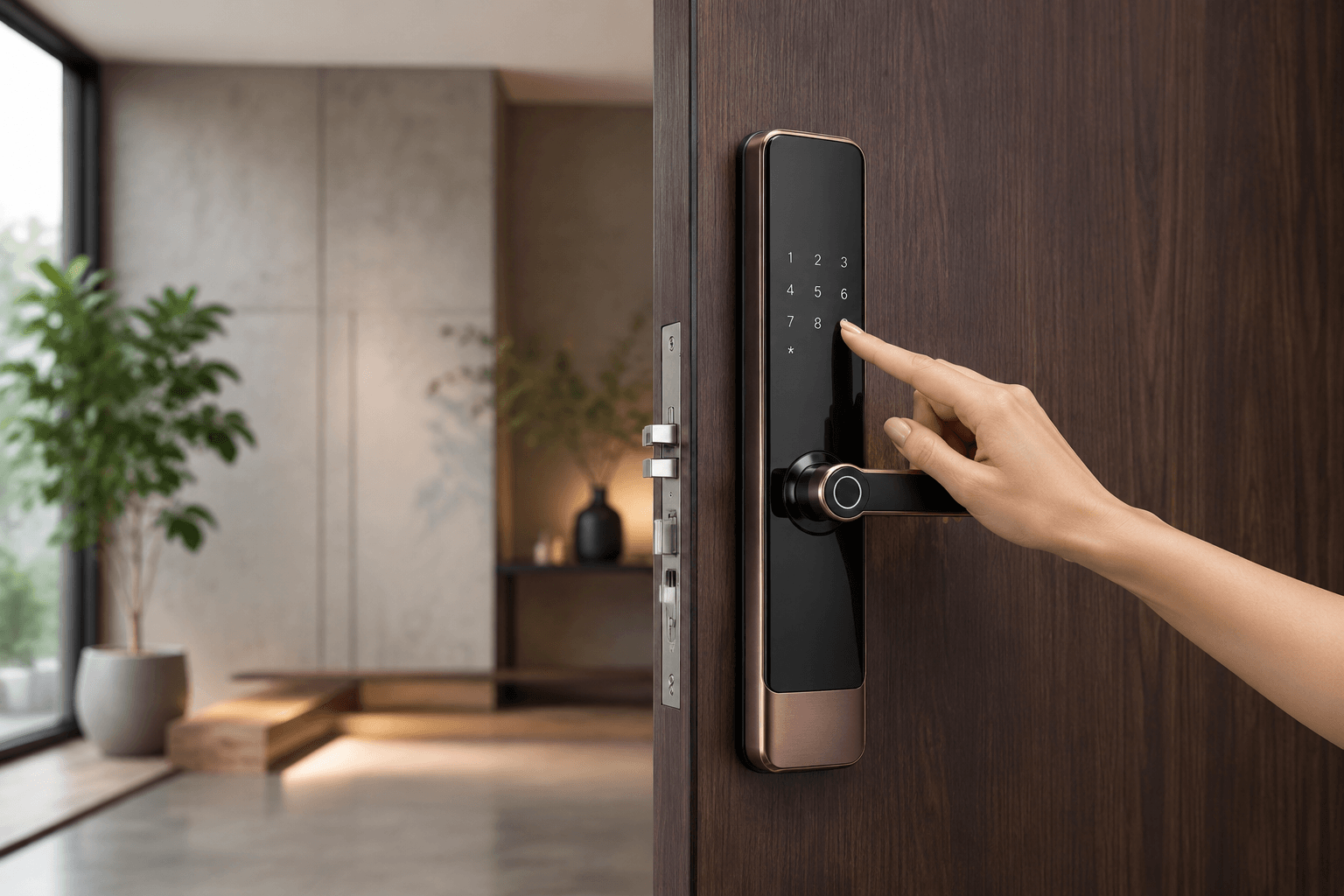
Choosing the Right Smart Lock for Various Applications
Selecting the right wireless door lock system depends on the project scenario. For residential properties, fingerprint door locks and Tuya-enabled systems offer user-friendly solutions. Hotels benefit from RFID card-based locks integrated with centralized management software.
Apartment complexes often require locks with app-based remote access and audit trail functionality. Meanwhile, rental properties benefit from temporary PIN generation and flexible access management. Buyers should also consider installation compatibility, user management capabilities, and supplier support.
KEYPLUS provides tailored solutions for diverse applications, offering OEM/ODM flexibility, TTLock compatibility, and stable lead times to meet project needs.
Future Outlook for Smart Lock Manufacturing and Sourcing
The future of smart lock manufacturing lies in biometric advancements, cloud-based access management, and scenario-driven solutions. As the global market expands, buyers will increasingly favor suppliers with robust R&D capabilities and proven expertise in integrating technologies like face recognition and palm vein authentication.
Distributors and importers can reduce project risks by partnering with manufacturers offering comprehensive certifications, customization options, and consistent product quality. KEYPLUS excels in delivering reliable solutions that meet these criteria, ensuring long-term value for B2B buyers.
Frequently Asked Questions
Are wireless door locks safe?
Yes, wireless door locks are designed with advanced encryption and authentication methods to ensure security. According to BHMA (2023), locks with ANSI/BHMA Grade 1 certification provide high durability and resistance against tampering.
For added safety, buyers should evaluate features like audit trail monitoring, remote access control, and biometric authentication. Choosing certified products ensures compliance with industry standards.
What is the best wireless door lock?
The best wireless door lock depends on the application. For residential use, fingerprint door locks with Tuya integration are popular. Hotels often prefer RFID card-based systems.
As Michael Lee, Security Consultant, notes: “Multi-method unlock capabilities and app integration are key to determining the best lock for a scenario.” Buyers should prioritize compatibility, certifications, and supplier support.
What are the downsides of smart locks?
Smart locks can face challenges such as battery dependency and potential hacking risks. However, modern systems mitigate these risks with advanced encryption and battery safety features.
Buyers should evaluate IP ratings, backup options like mechanical keys, and supplier warranties to address these concerns effectively.
What locks do police recommend?
Police often recommend locks with ANSI/BHMA Grade 1 certification for high-security applications. These locks offer superior durability and resistance to forced entry.
For wireless locks, biometric authentication and audit trail features are highly favored for enhanced security and monitoring.
How do smart locks integrate with smart homes?
Smart locks integrate with smart home ecosystems via apps like TTLock and Tuya. These platforms enable remote access, automation, and compatibility with voice assistants.
Buyers should ensure their selected lock supports seamless integration with existing smart home devices and gateways.
Why choose KEYPLUS for smart lock solutions?
KEYPLUS specializes in smart lock R&D, manufacturing, and OEM/ODM customization. The company offers TTLock and Tuya-compatible solutions, along with certifications like CE and FCC.
For distributors and project buyers, partnering with KEYPLUS ensures stable lead times, reliable quality, and tailored solutions for residential, rental, and hospitality applications.

