
Smart Lock Market Evolution: Key Insights for B2B Buyers
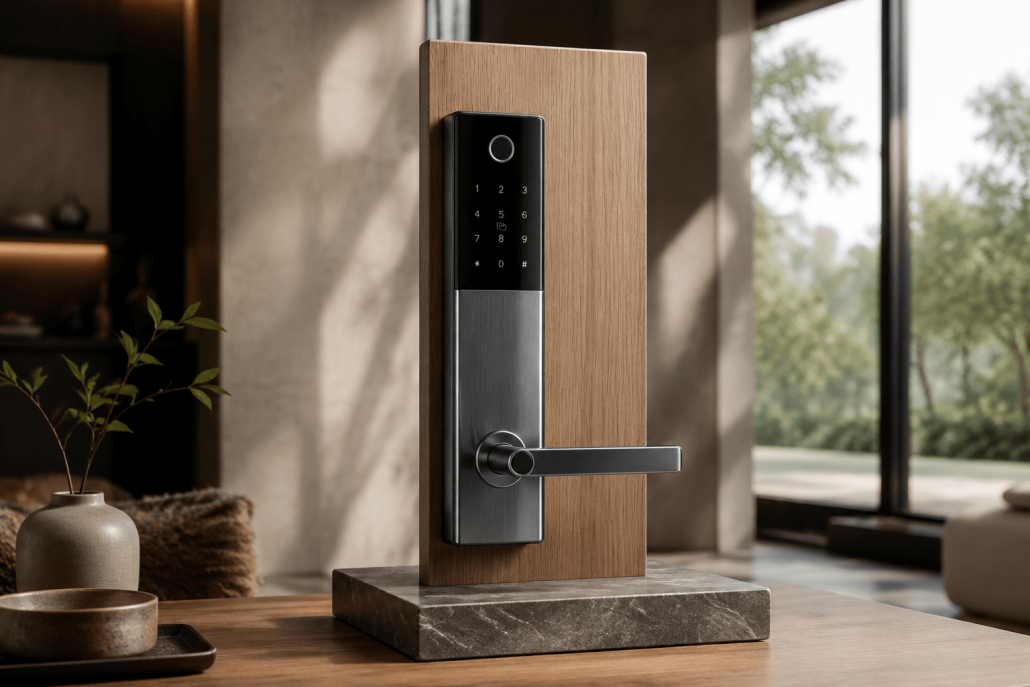
The global smart lock market is anticipated to reach $8.13 billion by 2026, underscoring a significant opportunity for B2B buyers (Fortune Business Insights, 2023). The burgeoning growth highlights the increasing demand for smartlocks across various sectors, notably in residential, rental, and hospitality applications. Businesses now seek comprehensive solutions that integrate seamlessly with existing systems, ensuring both security and convenience. Therefore, companies must intelligently navigate this market, understanding the nuances and selecting products that offer meaningful value.
About Smartlocks: Growing Demand for Smart Locks in Diverse Applications
For B2B buyers, selecting the right smartlocks supplier is critical. KEYPLUS offers certified smart lock solutions with TTLock/Tuya integration, OEM/ODM flexibility, and competitive MOQ. Learn more below.
The demand for smartlocks is rapidly expanding due to the heightened adoption of smart home technologies. Statista (2024) projects that smart home penetration in developed markets could surpass 60% by 2026, driven by customer preference for enhanced security and ease of access. Additionally, rental properties and hospitality venues look to smartlocks for efficient access control. As McKinsey (2023) reports, 73% of B2B buyers prioritize app integration and remote access when sourcing smart locks. This trend emphasizes the significance of selecting partners with robust integration capabilities, such as TTLock and Tuya.
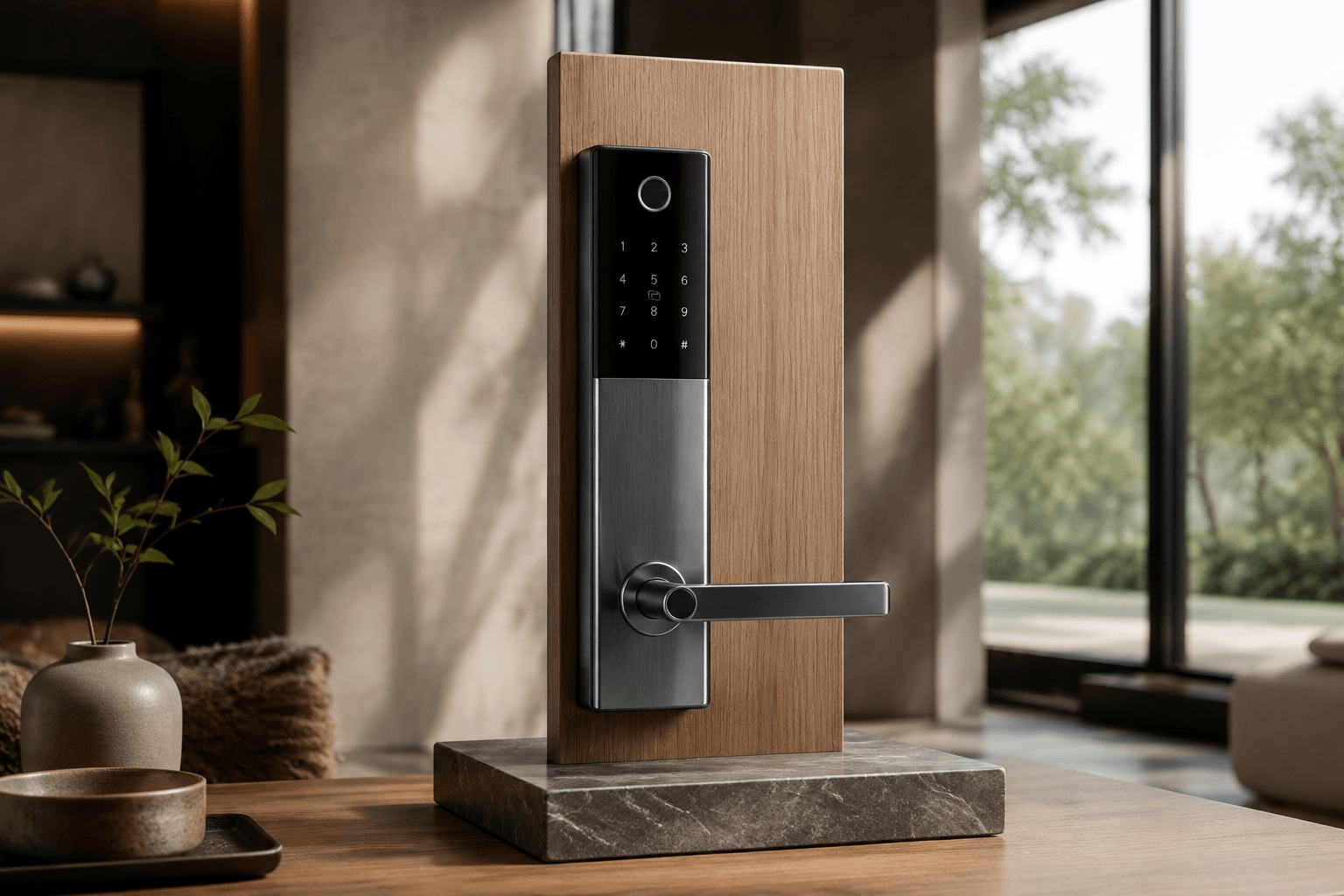
Essential Product Features and Evaluation Criteria for Smart Locks
B2B buyers must carefully evaluate smart lock features to meet specific application needs. Unlock methods such as fingerprint, password, and RFID card access provide versatile options. Integration with apps and remote access capabilities enhance operational flexibility. Key factors like installation compatibility and ANSI/BHMA Grade 1 certification, required for 68% of commercial projects (BHMA, 2023), ensure reliability and regulatory compliance. OEM/ODM flexibility further supports tailored solutions, making partnerships with companies like KEYPLUS, who excel in advanced smart lock development, invaluable.
Compliance, Standards, and Key Considerations
Compliance with industry standards like CE, FCC, RoHS, and ANSI/BHMA is non-negotiable for maintaining product quality and safety standards. B2B buyers should ensure that suppliers uphold these certifications to prevent import issues. Integration within app ecosystems and considerations like battery life and door compatibility are crucial for successful deployment. For example, ensuring that the door lock connects seamlessly with smart home systems enhances user experience and satisfaction.
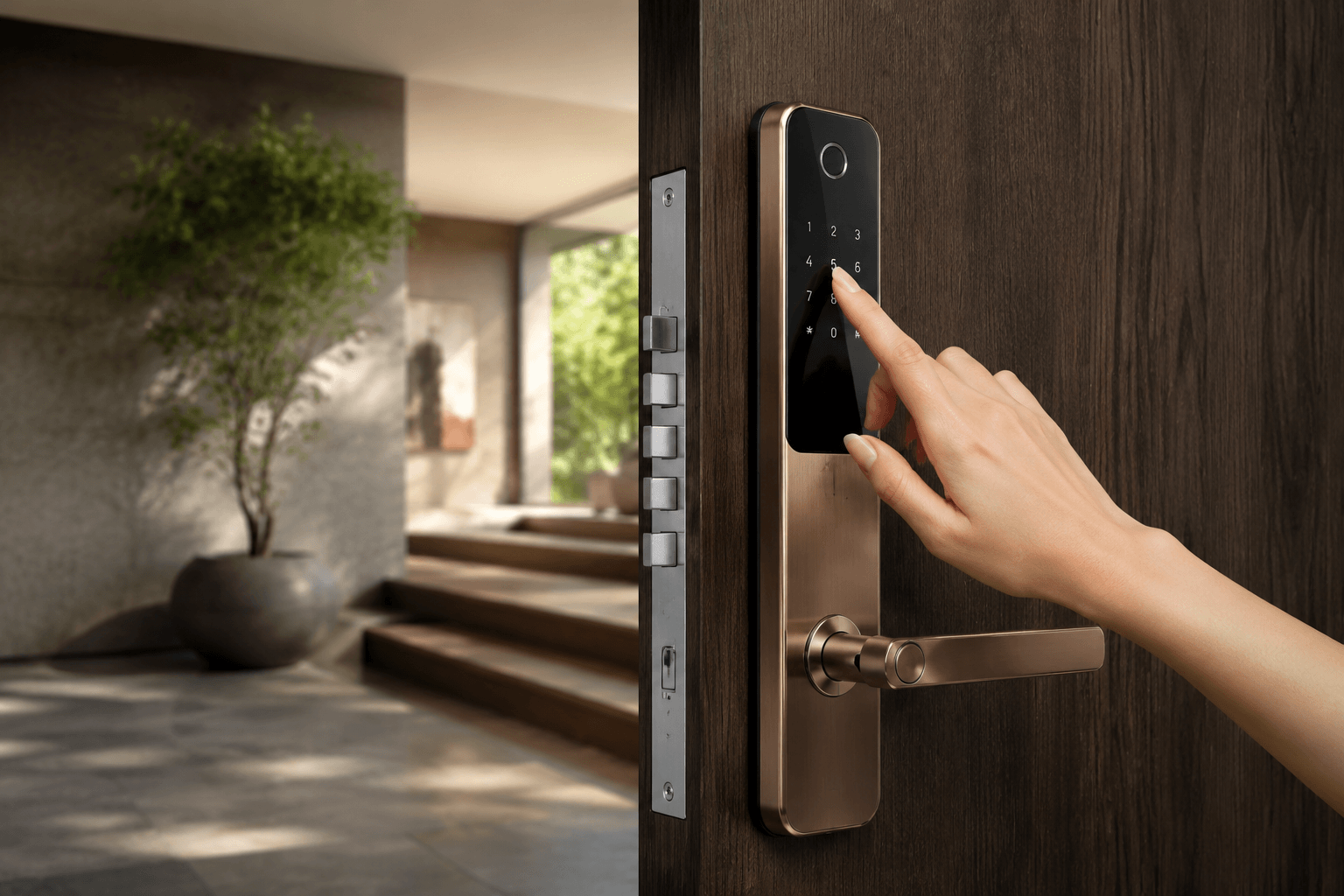
Optimizing Smart Lock Selection for Various Use Cases
Selecting the right smartlock solution involves weighing factors like use-case fit and environmental considerations. For example, residential applications prioritize ease of installation and integration with other smart devices. In contrast, hotels require robust access control systems with audit trails. Smart locks like those from KEYPLUS, which offer lasting durability and customization, streamline project implementation, reducing long-term costs.
Sourcing Strategies and Sustainable Partnerships
For importers, distributors, and project buyers, establishing strong supplier relationships is key to ensuring product quality and market success. Consider leveraging OEM/ODM options for tailored solutions that meet specific buyer needs. Engaging with suppliers offering comprehensive support, such as KEYPLUS, can significantly reduce project risks and enhance competitive advantage in the smart lock space. Therefore, assessing long-term partnership value is crucial for strategic sourcing.
Frequently Asked Questions
What are the downsides of smart locks?
Smart locks can be affected by connectivity issues or battery failures. According to MarketsandMarkets (2023), the CAGR of 18.4% in the smart lock market means rapid technological advancements can outpace product lifecycles, necessitating regular updates and maintenance.
What happens if Wi-Fi goes out on a smart lock?
Many smart locks, like those from KEYPLUS, include backup solutions such as temporary PINs or mechanical keys, ensuring access even when Wi-Fi fails. These features highlight the importance of considering backup mechanisms in smart lock purchases.
Can smart locks be opened with a key?
Yes, most smart locks offer a mechanical key option for emergency access. This traditional access method remains a vital safety component and provides peace of mind for users, particularly in critical situations.
What is the cost of a smart lock?
The price of smart locks varies widely based on features, brand, and integration capabilities. Mid-range models may start around $150, but costs can increase to over $500 for advanced systems with biometric and app control features.
What is a smart lock and how does it work without Wi-Fi?
Smart locks use Bluetooth or Z-Wave for local connectivity, enabling operation without Wi-Fi. This functionality supports continuous access and security, even if network problems occur, maintaining critical access control.
What is Smart Lock in Android?
Smart Lock for Android enhances device security by allowing devices to remain unlocked in trusted locations. It’s important for smart lock integration, offering users seamless access across smartphone-controlled environments.

