
Automatic Door Lock System Trends for B2B Buyers
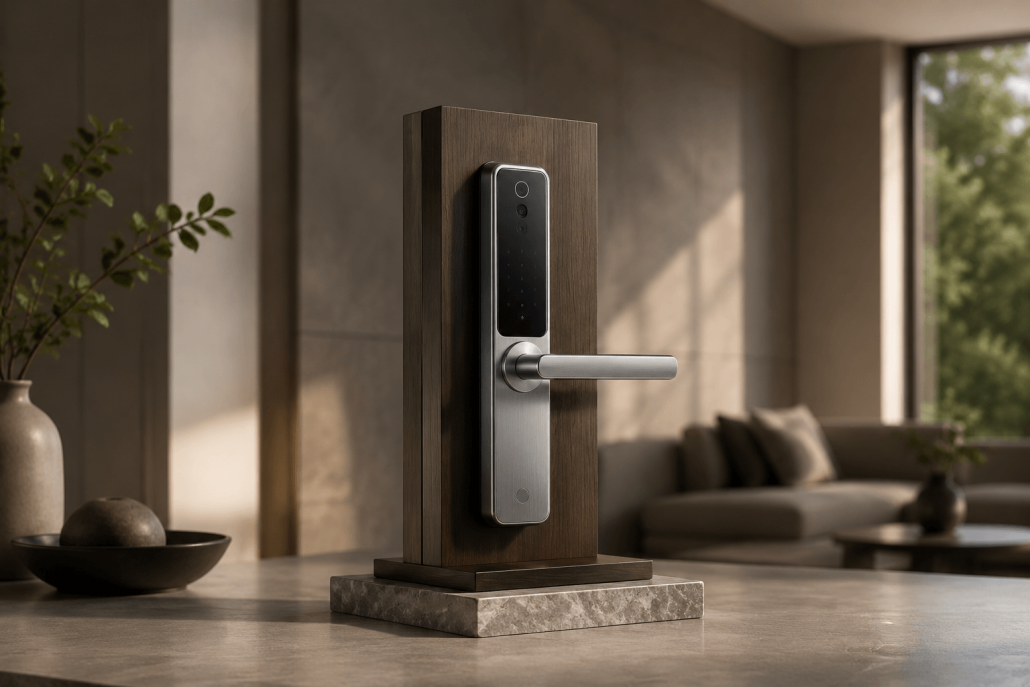
The global smart lock market is projected to reach $8.13 billion by 2026 (Fortune Business Insights, 2023). This rapid growth reflects the increasing demand for advanced security solutions across residential, rental, and commercial applications. Automatic door lock systems, equipped with features like remote access, app integration, and biometric authentication, are transforming the way businesses and property managers secure their assets. For B2B buyers, understanding the latest trends and sourcing strategies is critical to staying competitive in this evolving market.
Why Automatic Door Lock Systems Are in High Demand
The adoption of automatic door lock systems is being driven by advancements in smart home technology and the growing need for seamless access control. According to Statista (2024), smart home penetration in developed markets is expected to surpass 60% by 2026. This trend highlights the increasing reliance on connected devices, including smart locks, to enhance both convenience and security.
In rental and hospitality sectors, automatic door locks are essential for managing multiple users and providing temporary PINs for guests. Moreover, commercial properties benefit from centralized access control, which allows managers to monitor and control entry points remotely. As a result, 73% of B2B buyers prioritize app integration and remote access when sourcing smart locks (McKinsey, 2023). For suppliers like KEYPLUS, offering solutions compatible with platforms like Tuya and TTLock ensures relevance in this competitive market.
Key Features B2B Buyers Evaluate in a Smart Lock Supplier
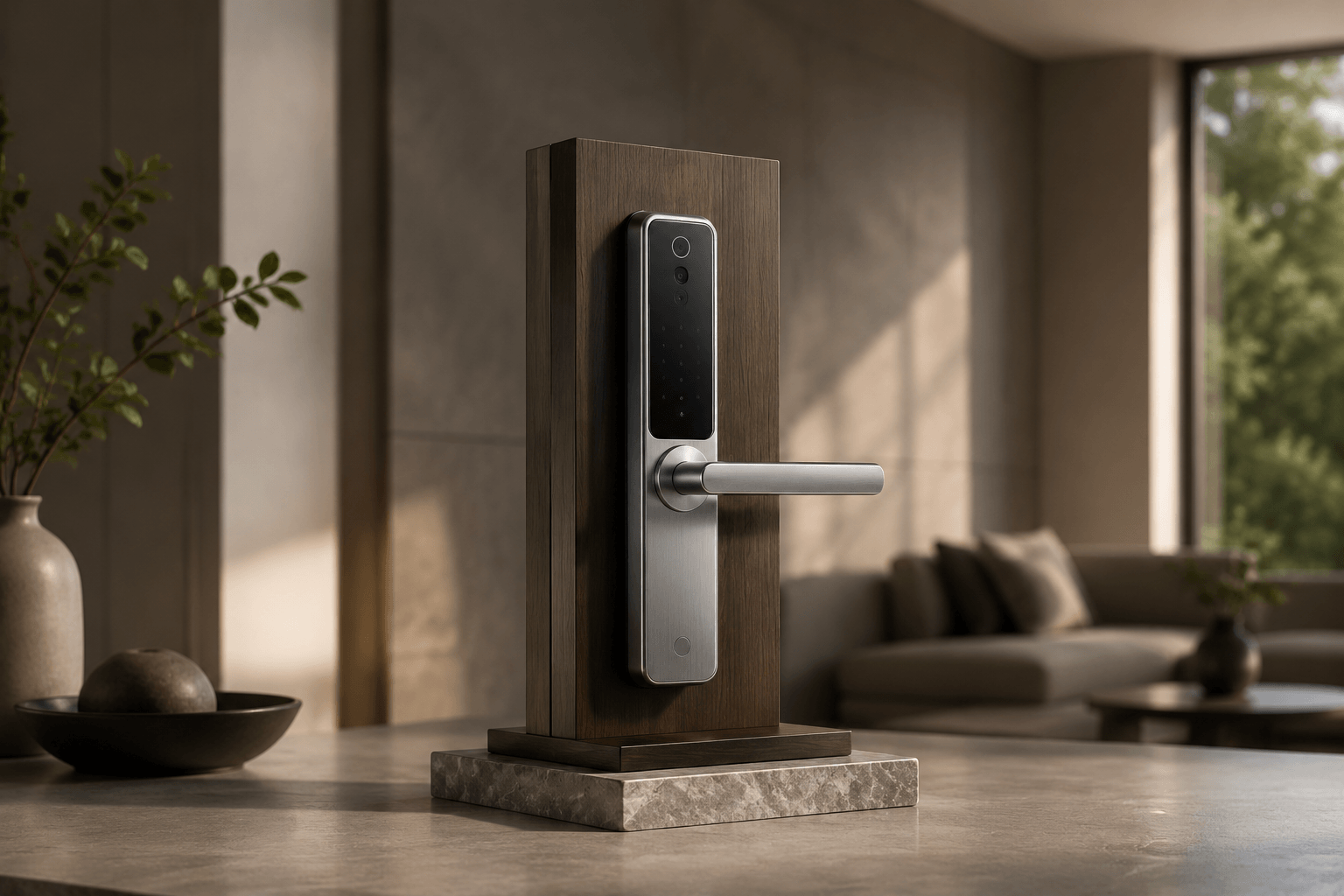
When sourcing automatic door lock systems, B2B buyers focus on several critical features. Unlock methods, such as fingerprint authentication, RFID card access, and temporary passcodes, play a significant role in meeting diverse user needs. Additionally, compatibility with existing door types and app ecosystems is a top priority, especially for large-scale projects.
Certifications like ANSI/BHMA Grade 1, which is required for 68% of commercial access control projects (BHMA, 2023), are non-negotiable for many buyers. These standards ensure that locks meet stringent durability and performance criteria. As John Smith, a Security Analyst, states: “Certifications are not just a checkbox; they are a guarantee of reliability for high-traffic environments.”
Furthermore, buyers evaluate the supplier’s ability to provide OEM/ODM customization, stable lead times, and comprehensive after-sales support. KEYPLUS, for instance, offers tailored solutions for residential, hotel, and apartment projects, ensuring compatibility and smooth implementation across various scenarios.
Compliance, Standards, and Technical Considerations
Compliance with international standards like CE, FCC, and RoHS is essential for importing and distributing smart locks. These certifications ensure that products meet safety, environmental, and electromagnetic compatibility requirements. For example, CE certification guarantees that the lock can be sold within the European Economic Area, while FCC certification is mandatory for the U.S. market.
Technical considerations also influence purchasing decisions. Battery life, for instance, is critical for ensuring uninterrupted operation, especially in remote or high-traffic locations. Many modern automatic door lock systems now include low-battery alerts and backup power options to mitigate operational risks.
Compatibility with software ecosystems like Tuya and TTLock further enhances the lock’s functionality. These platforms provide features such as remote unlocking, audit trails, and user management, making them indispensable for property managers and security teams.
Choosing the Right Automatic Door Lock System for Your Project
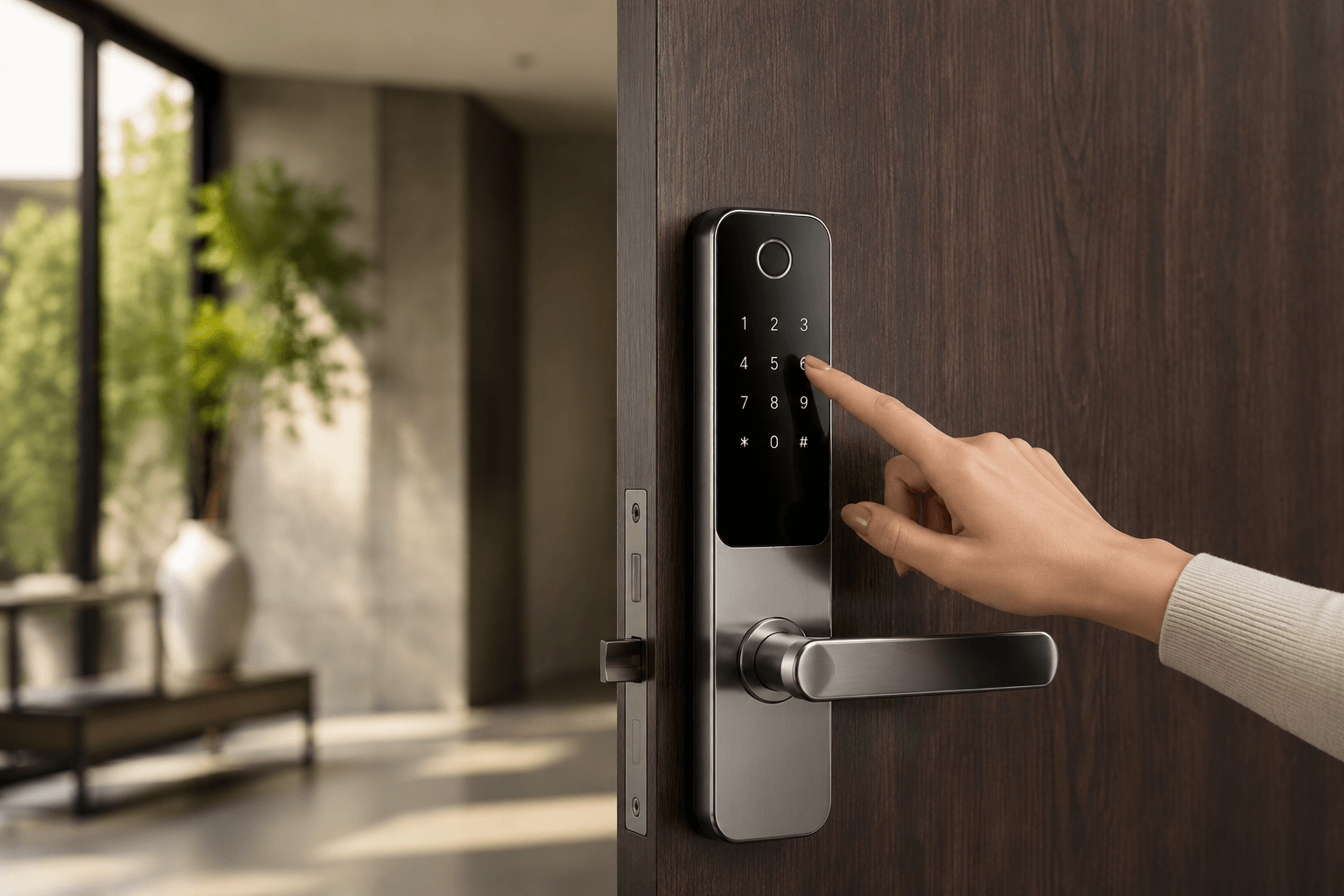
Selecting the right automatic door lock system requires careful consideration of the project’s specific needs. For residential applications, features like biometric authentication and mechanical key backups offer a balance of security and convenience. In rental properties, temporary PINs and remote access simplify tenant management while reducing operational overhead.
In the hospitality industry, integrating locks with property management systems (PMS) ensures a seamless guest experience. Similarly, commercial projects often require robust access control features, such as multi-user management and real-time monitoring. KEYPLUS supports these diverse needs by offering flexible OEM/ODM solutions and ensuring compatibility with a wide range of door types and software platforms.
Future Outlook for Automatic Door Lock Systems
The future of automatic door lock systems lies in enhanced connectivity and biometric advancements. The market is growing at a CAGR of 18.4% (MarketsandMarkets, 2023), driven by innovations such as palm vein recognition, 3D face recognition, and cloud-based access management. These technologies promise to further streamline access control while improving security.
For B2B buyers, partnering with experienced manufacturers like KEYPLUS can reduce project risks and accelerate go-to-market timelines. By focusing on compliance, customization, and long-term support, buyers can ensure the success of their smart lock implementations.
Frequently Asked Questions
What are the disadvantages of a smart door lock?
Smart door locks rely on power sources like batteries, which require regular maintenance. Additionally, cybersecurity risks can arise if the lock is not updated with the latest firmware. However, choosing CE-certified and FCC-compliant locks minimizes these issues by ensuring reliability and security.
What is the best automatic lock?
The best automatic lock depends on your needs. For residential use, locks with biometric features and app integration work well. In commercial settings, ANSI/BHMA Grade 1 locks are often recommended for their durability and performance.
How do electronic door locks get power?
Electronic door locks typically use batteries as their primary power source. Some models also include backup power options, such as USB ports or mechanical key overrides, to ensure functionality during power outages.
What locks do police recommend for doors?
Police often recommend ANSI/BHMA-certified locks for their reliability and resistance to tampering. These locks are tested for durability and are suitable for both residential and commercial use.
Automatic door locks for home
Automatic door locks for homes should prioritize convenience and security. Features like fingerprint authentication, remote access, and mechanical key backups are ideal for residential applications.
Automatic door locks for business
For businesses, automatic door locks with centralized access control and multi-user management are essential. Integration with platforms like Tuya or TTLock ensures scalability and ease of use.

