
Smart Lock with Handle: Market Trends and Buyer Insights
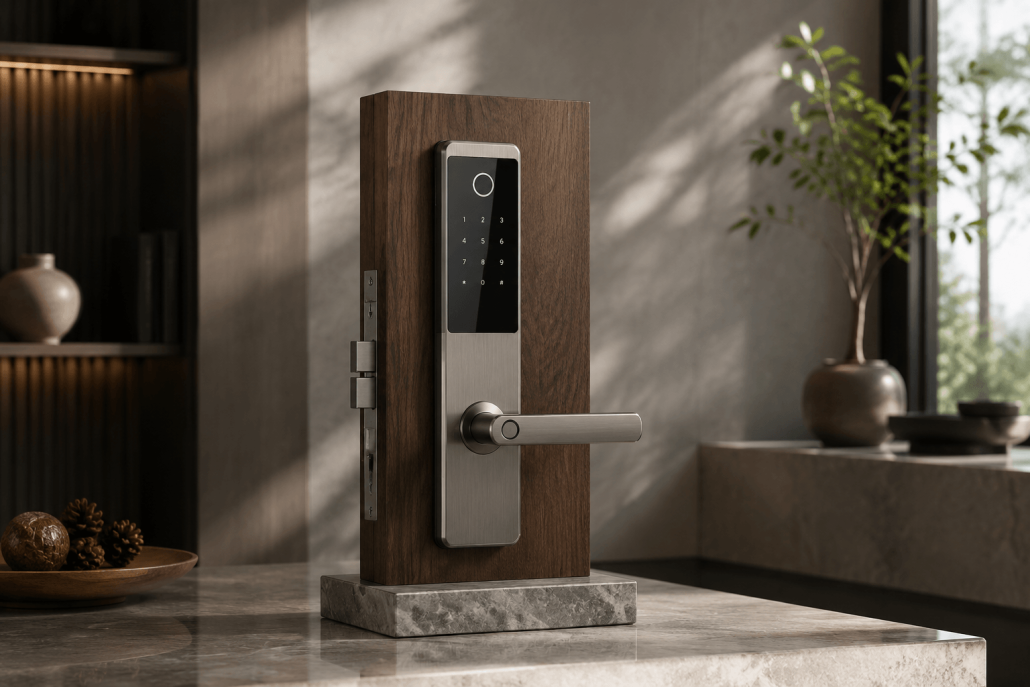
When considering Smart Lock With Handle, the global smart lock market is projected to reach $8.13 billion by 2026 (Fortune Business Insights, 2023), driven by increasing demand for secure and convenient access solutions. From residential applications to large-scale hospitality projects, smart locks with handles are becoming essential for modern access control systems. This article explores the market trends, key features, compliance considerations, and sourcing strategies that matter most to B2B buyers.solutions. From residential applications to large-scale hospitality projects, smart locks with handles are becoming essential for modern access control systems. This article explores the market trends, key features, compliance considerations, and sourcing strategies that matter most to B2B buyers.
About Smart Lock With Handle: Market Demand and Application Trends for Smart Locks
For B2B buyers, selecting the right smart lock with handle supplier is critical. KEYPLUS offers certified smart lock solutions with TTLock/Tuya integration, OEM/ODM flexibility, and competitive MOQ. Learn more below.
The adoption of smart home technology has surged in recent years. In developed markets, smart home penetration is expected to surpass 60% by 2026 (Statista, 2024). This growth has fueled demand for smart locks with handles, which combine advanced functionality with sleek designs that appeal to homeowners, property managers, and hospitality providers alike.
For rental properties and apartment projects, smart locks offer a practical solution to streamline tenant access. Features like remote access, temporary PIN codes, and app integration allow property managers to enhance security and reduce operational costs. Similarly, the hospitality sector is increasingly adopting smart locks to enable seamless guest check-ins and improve guest satisfaction.
KEYPLUS, a leader in smart lock R&D and manufacturing, provides tailored solutions for these diverse applications. With support for Tuya and TTLock ecosystems, their products ensure compatibility across various platforms, making them a preferred choice for distributors and project buyers.
Key Features B2B Buyers Evaluate in Smart Locks
When sourcing smart locks, buyers prioritize features that enhance functionality, security, and user experience. According to McKinsey (2023), 73% of B2B buyers consider app integration and remote access as critical factors. These features enable users to monitor and control locks conveniently via smartphones or central management systems.
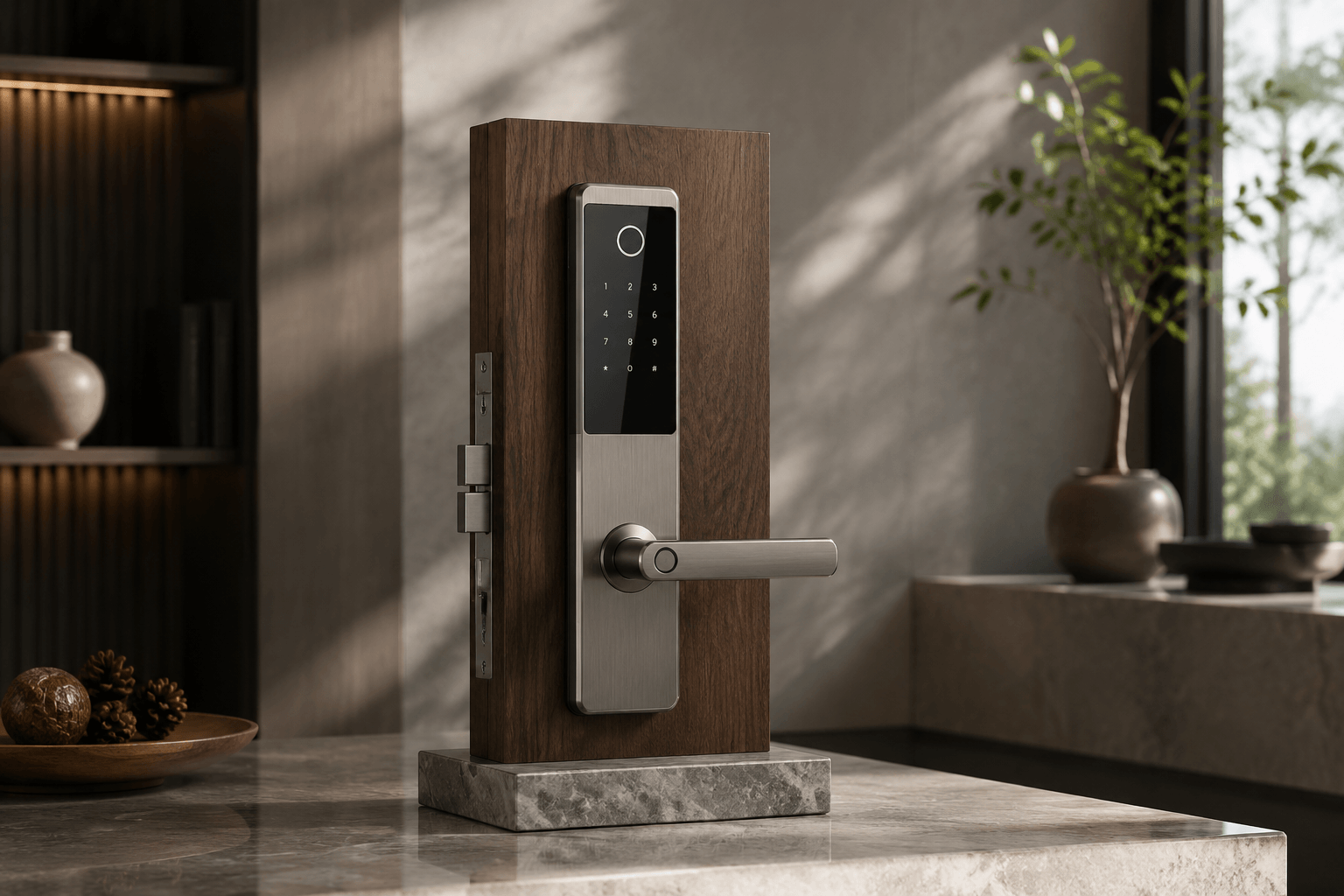
Unlock methods are another key consideration. Modern smart locks often support multiple access modes, including fingerprint recognition, RFID cards, mechanical keys, and face recognition. This versatility ensures that the locks meet diverse user preferences and security requirements.
As John Smith, Security Analyst, states: “The reliability of a smart lock depends not just on its features but also on its compatibility with existing systems and its certification standards.” For example, ANSI/BHMA Grade 1 certification is required in 68% of commercial access control projects (BHMA, 2023), making it a crucial criterion for buyers.
KEYPLUS excels in offering certified products with robust feature sets. Their smart locks are designed for easy installation and provide long-term stability, making them ideal for both retrofit and new construction projects.
Compliance, Standards, and Compatibility Considerations
Compliance with industry standards is non-negotiable for smart lock buyers, especially importers and distributors targeting regulated markets. Certifications such as CE, FCC, and RoHS ensure that products meet safety, performance, and environmental standards. Additionally, IP ratings for water and dust resistance are critical for outdoor installations.
Battery performance and app compatibility also influence procurement decisions. For instance, smart locks integrated with Tuya or TTLock platforms offer enhanced functionality, such as audit trails and user management. These ecosystems provide seamless integration with smart home devices, making them a valuable addition to residential and commercial projects.
KEYPLUS stands out by providing comprehensive documentation and compliance support. Their products undergo rigorous testing to meet international standards, ensuring reliability and peace of mind for buyers.
Choosing the Right Smart Lock for Your Project
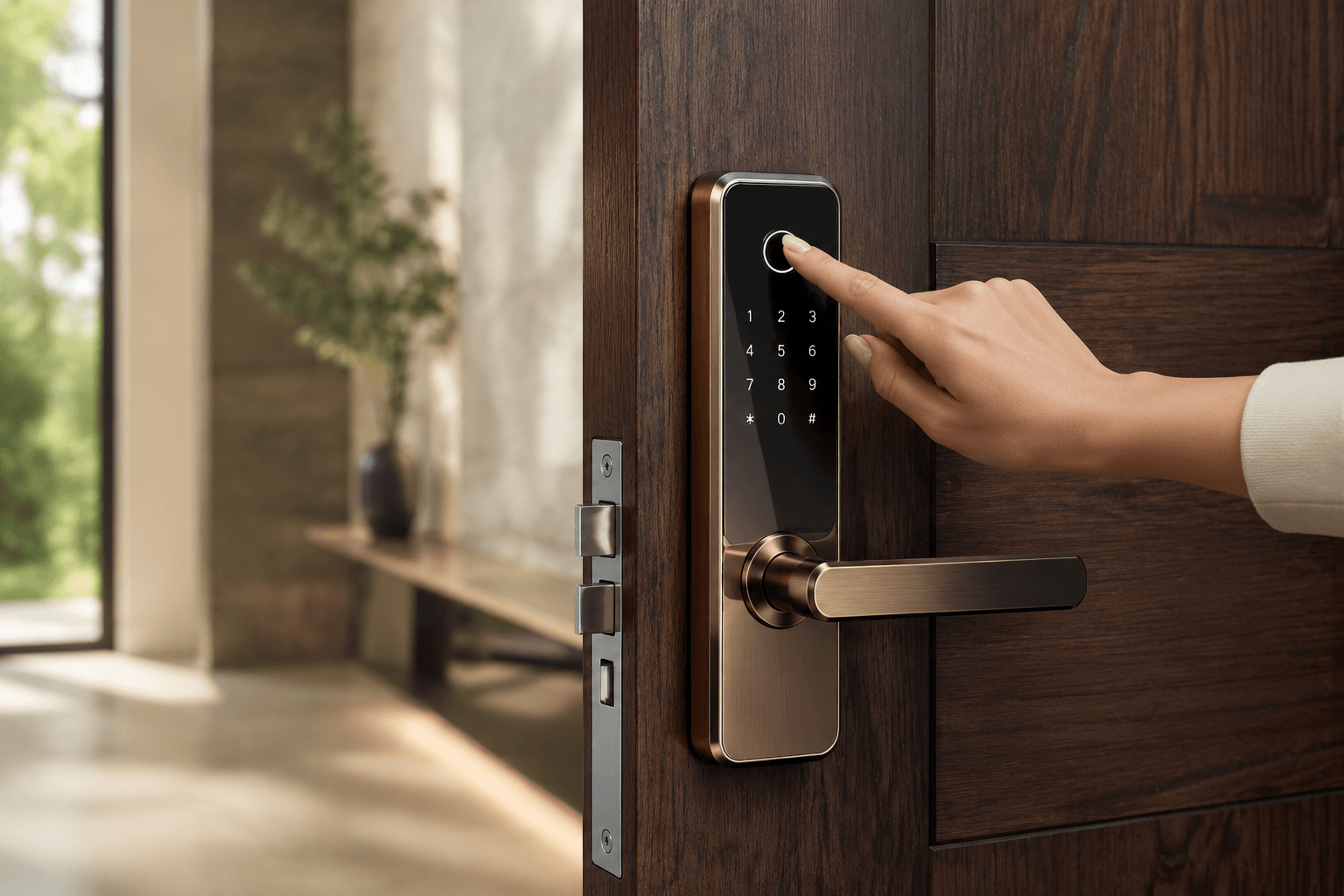
Selecting the ideal smart lock depends on the specific use case. For residential doors, features like fingerprint access and temporary PIN codes are highly valued. In rental properties, app-based management simplifies tenant turnover and improves operational efficiency. Hospitality projects often require advanced solutions, such as RFID card access and integration with hotel management systems.
Compatibility with door types is another critical factor. Buyers should ensure that the lock fits the door’s thickness and type, whether it’s a mortise, deadbolt, or latch design. Additionally, installation support and after-sales service play a significant role in reducing downtime and ensuring project success.
KEYPLUS offers OEM and ODM flexibility, allowing buyers to customize products according to project requirements. With low MOQs and stable lead times, they cater to both small-scale and large-scale projects efficiently.
Future Outlook for Smart Lock Manufacturing
The future of smart locks lies in advanced biometric authentication, cloud-based access control, and deeper integration with smart home ecosystems. As the market grows at a CAGR of 18.4% (MarketsandMarkets, 2023), manufacturers will need to innovate continuously to stay competitive.
For distributors and project buyers, partnering with experienced suppliers like KEYPLUS can provide a strategic advantage. By focusing on quality, certification, and customization, buyers can reduce project risks and accelerate go-to-market timelines.
As the industry evolves, staying informed about trends and leveraging partnerships with reliable manufacturers will be essential for success.
Frequently Asked Questions
What are the disadvantages of smart door locks?
Smart door locks offer convenience but can have drawbacks, such as reliance on batteries and potential cybersecurity risks. According to BHMA (2023), ensuring ANSI/BHMA certification can mitigate reliability concerns. Buyers should prioritize locks with robust encryption and backup access methods to address these challenges.
Which is the best smart lock to buy?
The best smart lock depends on your needs. For example, KEYPLUS offers a range of smart locks with handle options that support Tuya and TTLock integration. As John Smith, Security Analyst, notes: “Look for locks with certifications, app compatibility, and multi-access options for maximum value.”
What locks do police recommend?
Police often recommend locks with ANSI/BHMA Grade 1 certification for their high security standards. These locks, including many from KEYPLUS, provide robust protection against tampering and forced entry.
Is there a smart door handle?
Yes, many smart locks come with integrated handles. For example, KEYPLUS offers smart locks with handles that include fingerprint access, RFID cards, and temporary PIN options, ideal for residential and commercial use.
What is the price range for smart door lock bundles?
Prices vary depending on features and certifications. High-end bundles with biometric access and app integration, like those from KEYPLUS, typically range from $150 to $300. Bulk discounts may apply for project orders.
How do smart locks integrate with smart home systems?
Smart locks integrate with systems like Tuya or TTLock via WiFi or Bluetooth. These platforms allow users to control locks remotely and manage access through apps, enhancing convenience and security.

