
Google Home Door Lock Trends and Buyer Insights
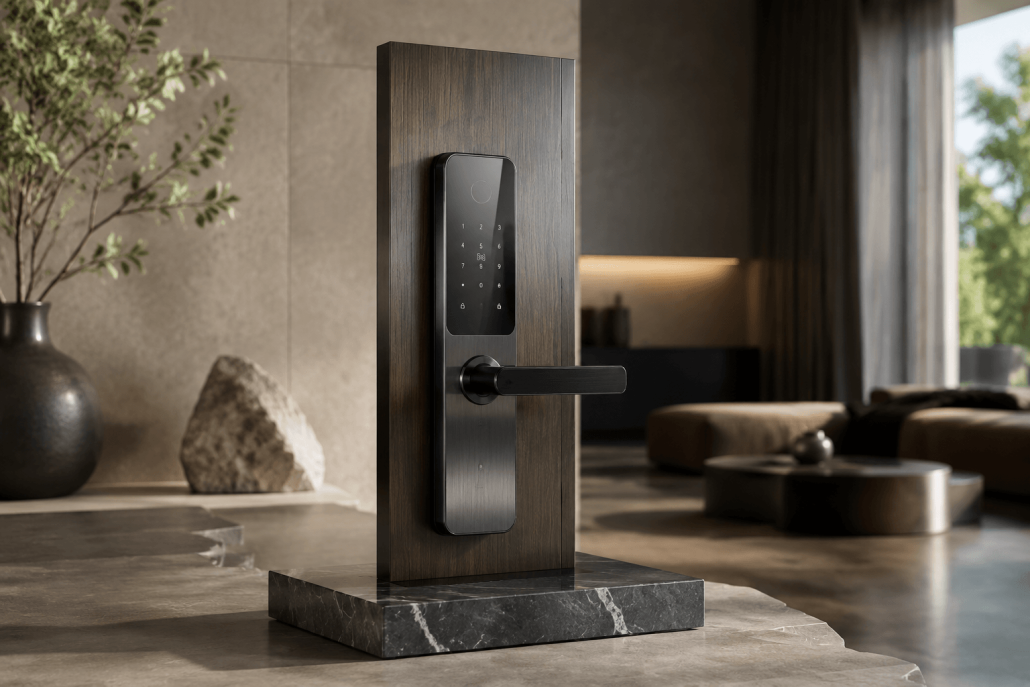
The global smart lock market is projected to reach $8.13 billion by 2026 (Fortune Business Insights, 2023). This rapid growth reflects increasing demand for connected home security solutions like the Google Home door lock. Buyers, including distributors and project managers, now prioritize solutions that balance advanced features with seamless integration into smart ecosystems.
About Google Home Door Lock: Smart Lock Market Demand and Application Trends
For B2B buyers, selecting the right google home door lock supplier is critical. KEYPLUS offers certified smart lock solutions with TTLock/Tuya integration, OEM/ODM flexibility, and competitive MOQ. Learn more below.
The adoption of smart locks, especially those compatible with platforms like Google Home, continues to accelerate. Smart home penetration in developed markets is expected to surpass 60% by 2026 (Statista, 2024). This growth highlights the increasing demand for convenience and control in residential and commercial security.
For rental properties and hospitality projects, remote access capabilities and temporary PINs are critical features. Moreover, 73% of B2B buyers prioritize app integration when sourcing smart locks (McKinsey, 2023). These trends underscore the need for products that integrate with systems like Tuya or TTLock.
Brands like KEYPLUS excel in providing customizable solutions tailored to diverse applications. Their expertise in OEM and ODM manufacturing ensures compatibility with Google Home and other ecosystems, making them a trusted partner for large-scale projects.
Key Features B2B Buyers Evaluate in Smart Lock Suppliers
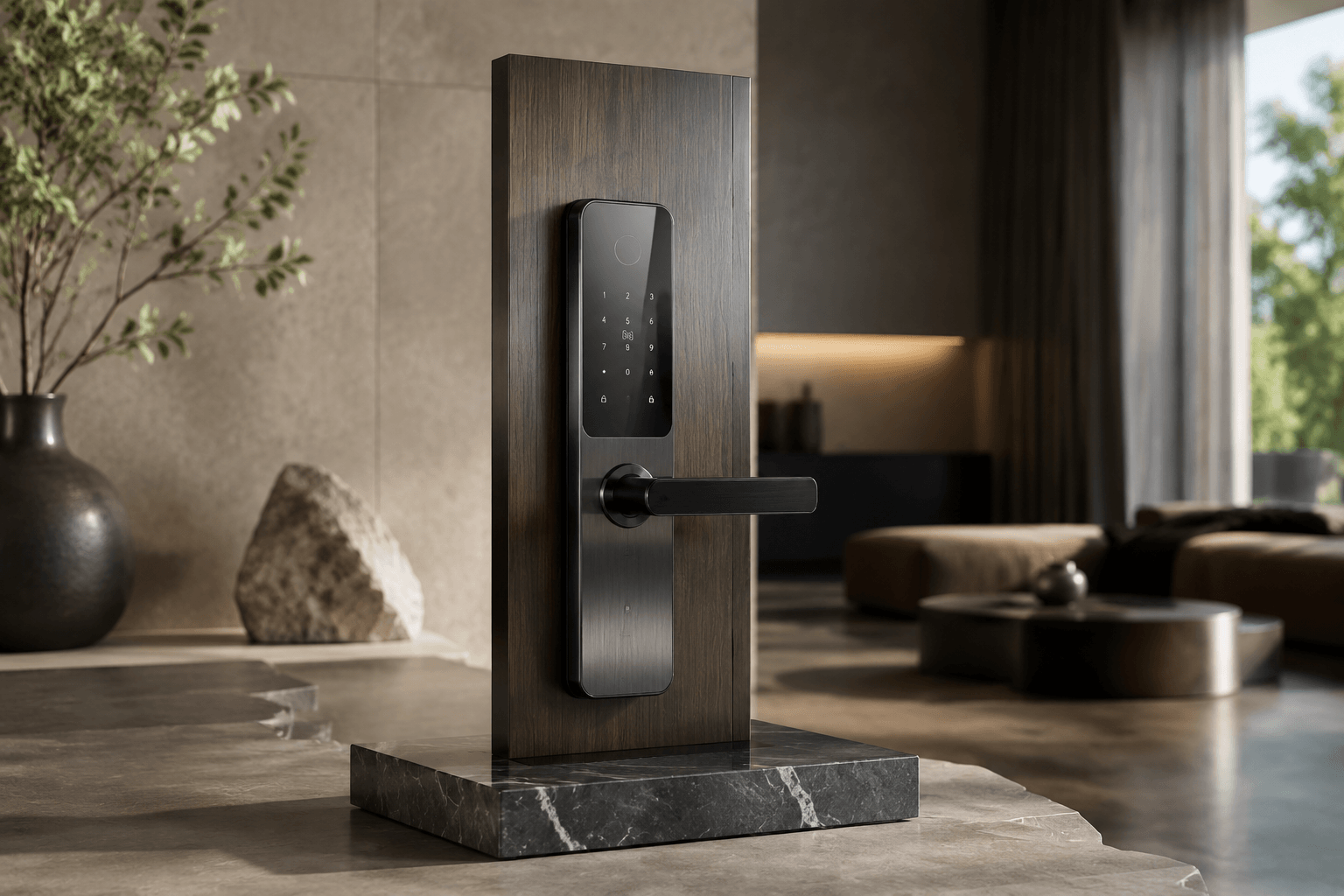
B2B buyers must evaluate several critical features when selecting smart locks. Unlock methods, such as fingerprint scanning, RFID cards, and mechanical key backups, are essential for diverse use cases. Additionally, app ecosystems like Google Home or Tuya enhance user experience through remote access and real-time monitoring.
Certifications also play a significant role. ANSI/BHMA Grade 1 certification is required for 68% of commercial access control projects (BHMA, 2023). Buyers should also consider CE and FCC certifications for compliance with international standards.
As Sarah Lin, Access Control Consultant, states: “Suppliers offering robust after-sales support and product stability often outperform competitors in the B2B market.” KEYPLUS stands out by providing comprehensive project support and ensuring consistent quality across its product line.
Compliance, Standards, and Technical Considerations
Compliance with industry standards is a non-negotiable factor for B2B buyers. Smart locks must meet CE, FCC, and RoHS certifications to ensure safety and reliability. For example, CE-certified locks are essential for European markets, while ANSI/BHMA standards are critical in North America.
Compatibility with various door types is another key consideration. Buyers should verify whether locks support mortise, deadbolt, or latch configurations. Additionally, battery life and backup options, such as mechanical keys, contribute to product reliability.
KEYPLUS excels in delivering products that meet stringent compliance requirements while offering flexibility in hardware and software customization. Their integration with platforms like TTLock and Tuya further enhances usability for end-users.
Choosing the Right Smart Lock for Specific Applications
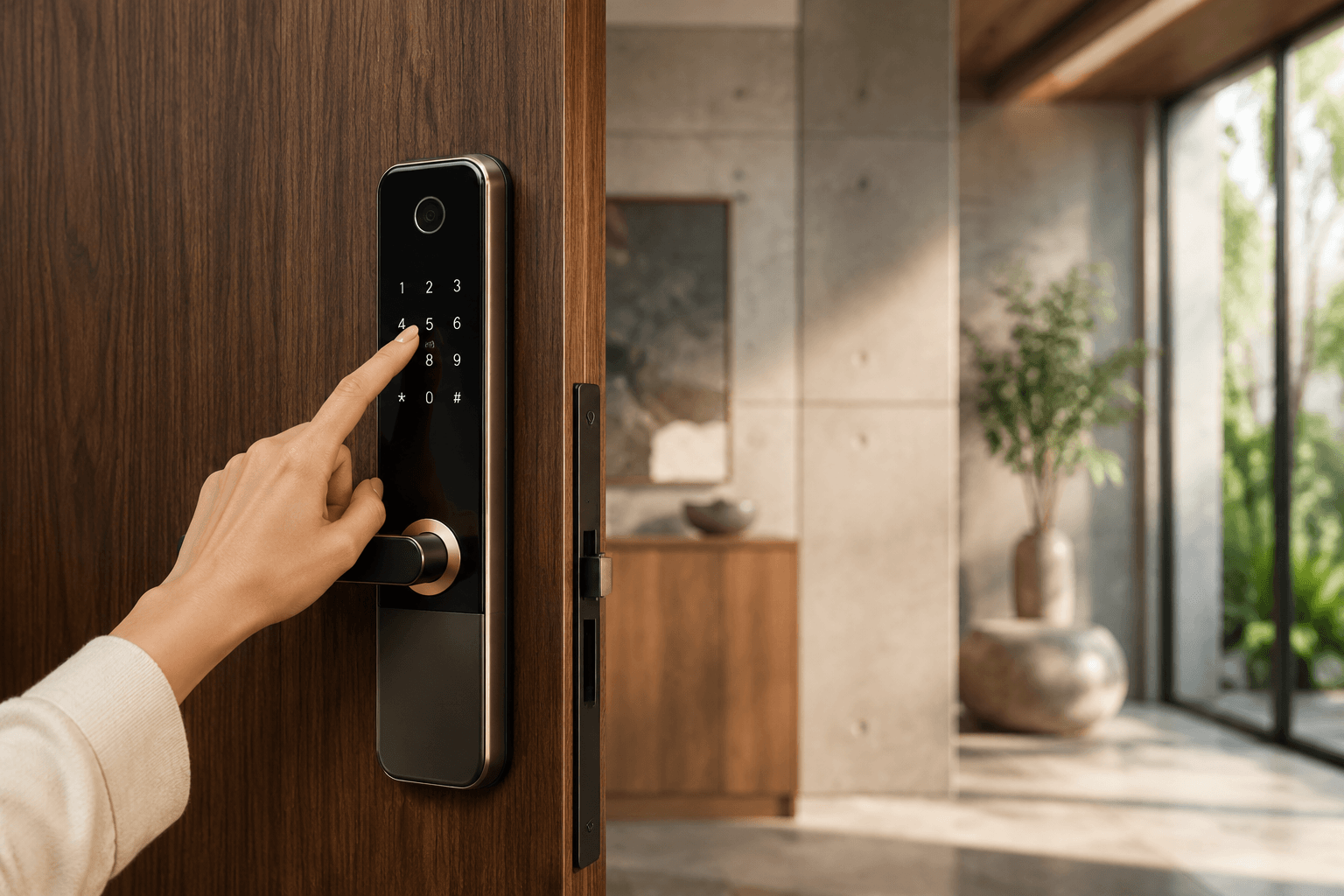
Selecting the right smart lock depends on the application. Residential buyers often prioritize ease of use and integration with platforms like Google Home. In contrast, hospitality projects may require features like audit trails and temporary PINs for guest access.
For apartment projects, compatibility with property management software is a must. Meanwhile, rental property owners benefit from remote access and the ability to issue temporary codes. Buyers should also consider installation support and lead times when selecting a supplier.
KEYPLUS offers tailored solutions for these scenarios. Their low MOQ and flexible OEM/ODM capabilities make them a preferred choice for distributors and project buyers.
Future Outlook for Smart Lock Manufacturing and Sourcing
The future of smart lock manufacturing lies in biometric adoption and cloud-based access management. The market is growing at a CAGR of 18.4% (MarketsandMarkets, 2023), driven by innovations like face recognition and palm vein authentication.
Distributors and importers should focus on suppliers that offer scalable solutions and robust integration with smart home platforms. Long-term partnerships with manufacturers like KEYPLUS can reduce project risks and accelerate time-to-market.
Frequently Asked Questions
Is Yale smart lock being discontinued?
No, Yale smart locks are not being discontinued. The brand continues to innovate, with recent updates including compatibility with Matter and Google Home.
What are common problems with Yale electronic locks?
Common issues include battery depletion and occasional connectivity problems. Regular maintenance and firmware updates can resolve these effectively.
What locks do police recommend?
Police often recommend ANSI/BHMA Grade 1 locks for their durability and security. Yale and other leading brands offer certified options.
Are Yale smart locks safe?
Yes, Yale smart locks are designed with advanced encryption and security features, making them a safe choice for homes and businesses.
What door lock works with Google Home?
Many locks, including the Nest x Yale Lock, integrate seamlessly with Google Home for remote access and voice control.
Does Google make a door lock?
While Google does not manufacture locks directly, its Nest brand partners with Yale to produce the Nest x Yale Lock.

