
Keypad Door Lock with Deadbolt for Smart Buyers | KEYPLUS
When considering Keypad Door Lock With Deadbolt, the global smart lock market is projected to reach $8.13 billion by 2026, driven by increasing demand for secure and convenient access solutions (Fortune Business Insights, 2023). With smart home penetration expected to surpass 60% in developed markets by 2026 (Statista, 2024), businesses are prioritizing advanced locking systems that combine reliability, ease of use, and technology integration. Keypad door locks with deadbolts are emerging as a top choice for residential, rental, and hospitality applications due to their robust security features and user-friendly design.smart lock market is projected to reach $8.13 billion by 2026, driven by increasing demand for secure and convenient access solutions (Fortune Business Insights, 2023). With smart home penetration expected to surpass 60% in developed markets by 2026 (Statista, 2024), businesses are prioritizing advanced locking systems that combine reliability, ease of use, and technology integration. Keypad door locks with deadbolts are emerging as a top choice for residential, rental, and hospitality applications due to their robust security features and user-friendly design.
About Keypad Door Lock With Deadbolt: Market Demand and Application Trends for Keypad Door Locks
For B2B buyers, selecting the right keypad door lock with deadbolt supplier is critical. KEYPLUS offers certified smart lock solutions with TTLock/Tuya integration, OEM/ODM flexibility, and competitive MOQ. Learn more below.
The smart lock market is growing at a CAGR of 18.4%, reflecting the increasing adoption of electronic and biometric locks across multiple sectors (MarketsandMarkets, 2023). Residential buyers seek smart locks for enhanced convenience and security, while property managers opt for solutions that streamline access control for apartments and rental units. Hospitality businesses, including hotels, prefer keypad locks with deadbolts for their durability and ability to integrate with centralized management systems.
73% of B2B buyers prioritize app integration and remote access when sourcing smart locks (McKinsey, 2023). Features like TTLock and Tuya compatibility enable seamless remote access and user management, making them ideal for large-scale projects. KEYPLUS specializes in smart lock solutions tailored to these scenarios, offering OEM/ODM services and scalable options for distributors and project buyers.
Key Features B2B Buyers Evaluate in a Smart Lock Supplier
When evaluating keypad door locks with deadbolts, buyers often focus on specific features that enhance functionality and reliability. Unlock methods, such as fingerprint authentication, RFID card access, and temporary PINs, are critical for ensuring versatile use across different applications. Integration with apps and gateways, such as TTLock and Tuya, allows for remote management and audit trails, improving operational efficiency.
ANSI/BHMA Grade 1 certification is required for 68% of commercial access control projects (BHMA, 2023). Locks that meet these standards provide peace of mind for importers and project buyers. As Mark Stevens, Access Control Consultant, states: “Certification compliance is not just about meeting regulations; it’s about ensuring long-term reliability in demanding environments.” KEYPLUS ensures its locks meet stringent certification requirements, providing distributors with confidence in product quality.
In addition, installation compatibility is a key consideration. Smart locks must fit various door types, including mortise and deadbolt configurations. High-quality suppliers offer installation guides and after-sales support to minimize project risks. Buyers also evaluate lead times and MOQ flexibility, especially for large-scale residential or hospitality projects.
Compliance, Standards, and Product Qualification Requirements
Compliance with CE, FCC, and RoHS standards is essential for smart lock manufacturers targeting global markets. These certifications ensure safety, reliability, and environmental sustainability. For example, CE certification signifies conformity with European safety standards, while RoHS compliance guarantees eco-friendly manufacturing practices.
Battery performance is another critical factor. High-capacity batteries with long life cycles reduce maintenance costs and downtime. IP ratings for dust and water resistance are equally important, especially for outdoor installations. KEYPLUS incorporates rigorous testing to ensure its locks meet these technical requirements, providing buyers with reliable solutions.
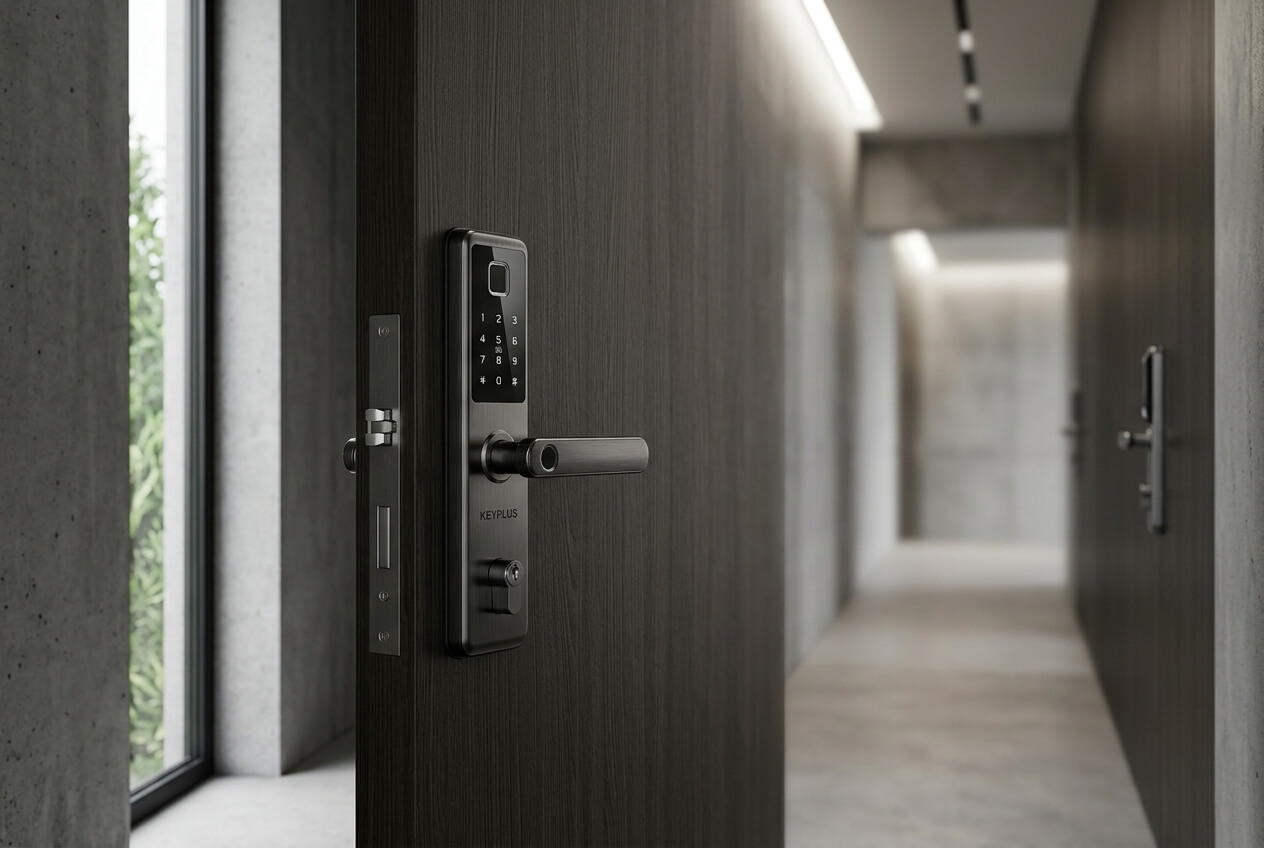
Choosing the Right Smart Lock for Residential, Rental, or Hospitality Projects
Selecting the right keypad door lock with deadbolt depends on the specific application. For residential use, features like fingerprint door lock capabilities and app control ensure convenience and security. Rental property managers benefit from temporary PINs and audit trails, which simplify tenant access management.
Hospitality projects require locks that integrate seamlessly with existing hotel management systems. Solutions like TTLock-enabled locks provide centralized control, allowing staff to manage guest access efficiently. Door compatibility is also crucial. Buyers should verify whether the lock supports mortise, latch, or deadbolt configurations based on project needs.
KEYPLUS offers OEM/ODM flexibility, enabling buyers to customize products for niche applications. With scalable manufacturing and strict quality control, the company ensures consistent performance across diverse use cases.
Future Outlook for Smart Lock Manufacturing and Strategic Sourcing
The future of smart lock manufacturing lies in advanced technologies like biometric authentication, 3D face recognition, and cloud-based access management. As smart home platforms evolve, integration with voice assistants and IoT ecosystems will become standard. Buyers should also consider long-term sourcing strategies, prioritizing suppliers with proven expertise in R&D and certification compliance.
KEYPLUS remains at the forefront of innovation, offering distributors and importers reliable solutions that meet emerging market demands. For businesses ready to secure their projects with high-quality smart locks, partnering with experienced manufacturers can reduce risks and accelerate delivery timelines.
Frequently Asked Questions
What is the best deadbolt with keypad?
The best deadbolt with keypad combines robust security features with user-friendly design. According to MarketsandMarkets (2023), locks with TTLock or Tuya integration provide enhanced remote management capabilities. Buyers should prioritize ANSI/BHMA Grade 1 certified products for reliability in commercial applications.
Are there any dangers of keypad locks for the front door?
Keypad locks are generally secure, but improper installation or poor-quality products can compromise safety. ANSI/BHMA-certified locks minimize these risks by meeting stringent performance standards. Buyers should also consider locks with mechanical key backups for added peace of mind.
What are the disadvantages of digital locks?
Digital locks can be vulnerable to power outages or hacking if not properly secured. High-quality locks with encrypted communication protocols and long-life batteries mitigate these risks. Buyers should verify compliance with CE and FCC standards to ensure product reliability.
Is a keypad deadbolt worth it?
A keypad deadbolt is worth the investment for its convenience and enhanced security. Research shows that 73% of B2B buyers prioritize remote access and app integration (McKinsey, 2023). For residential and commercial applications, these features add significant value.
What are the best keyless entry door locks with deadbolt?
Keyless entry door locks with deadbolts should offer multiple unlock methods, such as fingerprints, PINs, and RFID cards. TTLock-enabled locks provide robust app integration, making them ideal for rental and hospitality projects. Buyers should also evaluate ANSI/BHMA certification for durability.
What are the best door locks to prevent break-ins?
The best locks to prevent break-ins include ANSI/BHMA Grade 1 certified deadbolts with biometric authentication. According to BHMA (2023), these locks meet rigorous security standards. Buyers should also consider locks with tamper-proof designs and encrypted communication protocols.

