
Best Door Lock Trends for Smart Security Buyers | KEYPLUS
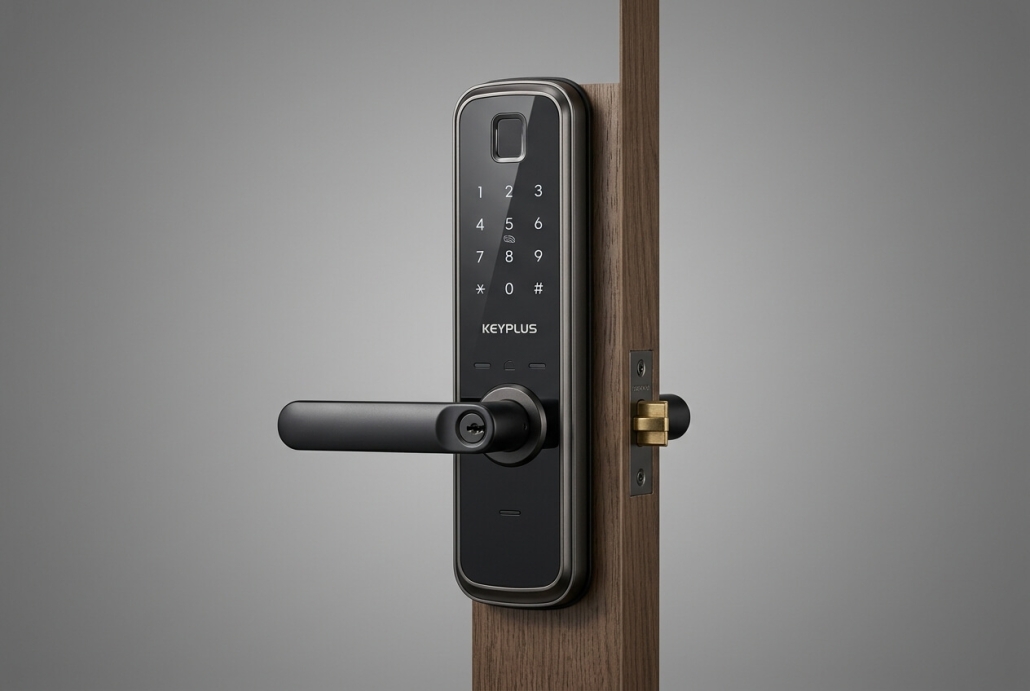
When considering Best Door Lock, the global smart lock market is projected to reach $8.13 billion by 2026 (Fortune Business Insights, 2023). As smart home penetration surpasses 60% in developed markets (Statista, 2024), B2B buyers increasingly prioritize advanced access control solutions. Smart locks offer convenience, security, and integration with systems like Tuya and TTLock, making them essential for residential, rental, and hospitality projects.solutions. Smart locks offer convenience, security, and integration with systems like Tuya and TTLock, making them essential for residential, rental, and hospitality projects.
About Best Door Lock: Smart Lock Market Growth and Application Trends
For B2B buyers, selecting the right best door lock supplier is critical. KEYPLUS offers certified smart lock solutions with TTLock/Tuya integration, OEM/ODM flexibility, and competitive MOQ. Learn more below.
The smart lock industry is growing at an impressive CAGR of 18.4% (MarketsandMarkets, 2023). This surge reflects rising demand across residential, rental, and hospitality sectors. Apartment projects often require scalable access control systems, while hotels seek locks compatible with centralized management. Meanwhile, rental properties benefit from remote access and temporary PIN features, enabling seamless tenant entry.
KEYPLUS specializes in OEM/ODM smart lock solutions tailored for these applications. Their Tuya and TTLock-compatible locks offer app integration, remote access, and biometric authentication, meeting diverse buyer needs.
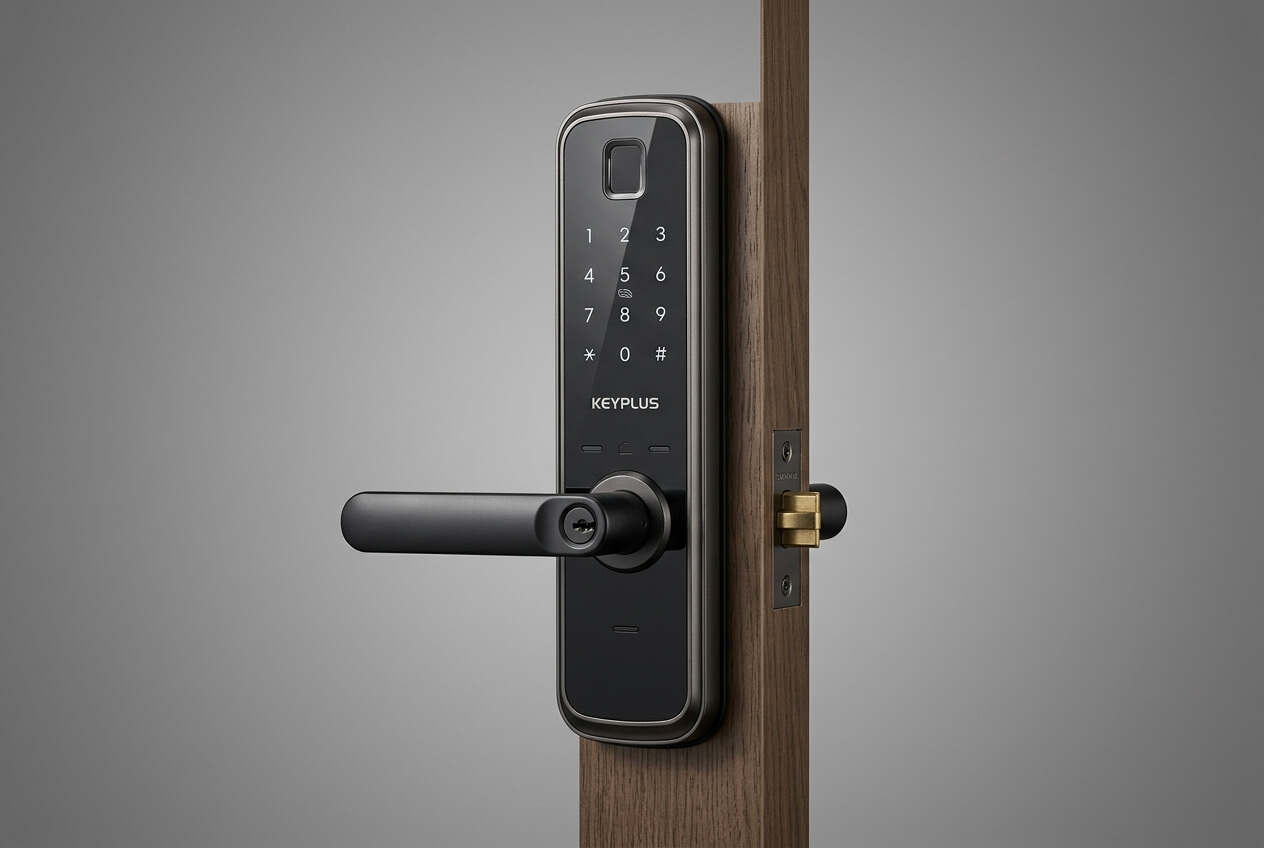
Key Features B2B Buyers Evaluate in Smart Locks
To select the best door lock, buyers assess unlock methods, app ecosystems, installation compatibility, and certification requirements. For example, ANSI/BHMA Grade 1 certification is required for 68% of commercial access control projects (BHMA, 2023). Buyers also value features like fingerprint authentication, remote access, and temporary PINs for flexibility.
As Sarah Chen, Security Consultant, explains: “App integration and remote access are critical for 73% of B2B buyers sourcing smart locks” (McKinsey, 2023). KEYPLUS supports these needs by offering locks with robust app ecosystems and gateway connectivity, ensuring seamless operation in multi-unit projects or high-traffic environments.
Compliance, Standards, and Compatibility Considerations
Compliance is vital for importers and distributors. Smart locks must meet CE, FCC, and RoHS certifications to ensure safety and market readiness. Additionally, compatibility with door thicknesses, mortise lock configurations, and battery life are key technical factors.
KEYPLUS excels in product testing and certification support, ensuring smooth project delivery. Their locks integrate with Tuya and TTLock platforms, offering stable software performance and audit trail capabilities for access management.
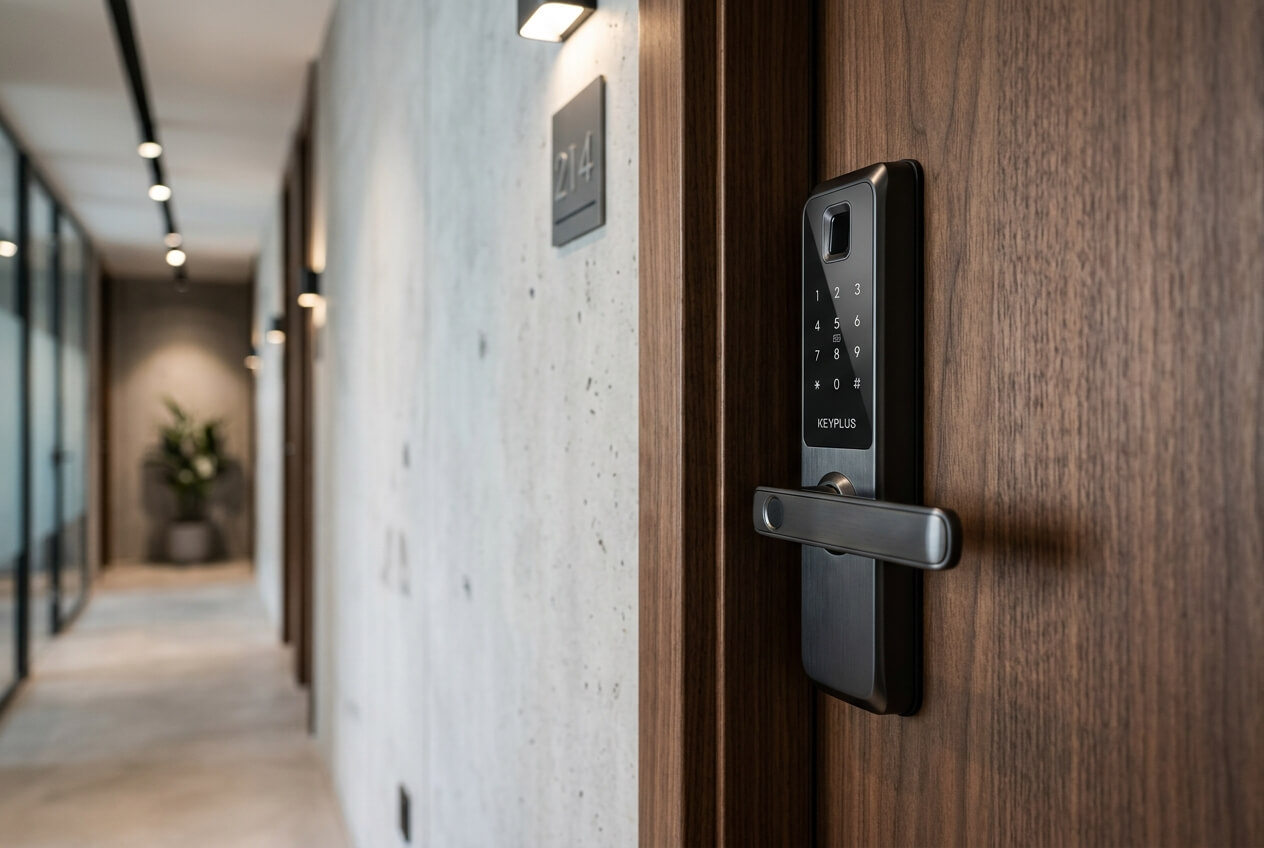
Choosing the Right Smart Lock for Your Project
Residential buyers prioritize ease of use, while rental property managers need locks that streamline tenant turnover. Hotels require centralized systems for efficient guest access. Therefore, selecting locks based on door type compatibility, software ecosystem, and user management features is essential.
KEYPLUS provides tailored solutions for each scenario, from biometric locks for high-security needs to app-controlled systems for rental properties. Their OEM flexibility allows distributors to customize locks to match specific project requirements, ensuring optimal fit and performance.
Future Outlook for Smart Lock Manufacturing
Looking ahead, biometric adoption and cloud-based access management will drive innovation in the smart lock industry. Buyers will increasingly demand locks that integrate seamlessly with smart home platforms and offer scenario-based solutions.
KEYPLUS remains committed to advancing smart lock technology to meet these trends. Their focus on stable quality, certification support, and OEM/ODM flexibility positions them as a reliable partner for distributors, importers, and project buyers.
Frequently Asked Questions
What are the downsides of smart locks?
Smart locks rely on batteries and software, which can occasionally fail. According to BHMA (2023), ensuring locks meet ANSI/BHMA Grade 1 standards can mitigate reliability concerns. Buyers should also evaluate app ecosystems and backup options like mechanical keys.
What are the 7 types of locks and their functions?
Common types include deadbolt, mortise, latch, biometric, RFID, keypad, and smart locks. Each serves specific functions. For example, biometric locks provide high security through fingerprint or face recognition, while keypad locks simplify user entry with PIN codes.
What is the best smart door lock to buy?
Top choices depend on project needs. Tuya and TTLock-compatible locks, such as those from KEYPLUS, offer app integration, remote access, and ANSI/BHMA certification, making them ideal for residential and commercial applications.
What is the difference between a handleset and a lever?
Handlesets combine a decorative handle with a deadbolt, offering enhanced security and aesthetics. Levers are simpler and often used for interior doors. Choosing between them depends on the door type and specific security needs.
Best smart locks door locks door knobs door levers handlesets?
Smart locks with app control, biometric authentication, and remote access lead the market. KEYPLUS offers versatile solutions compatible with TTLock and Tuya platforms, ensuring reliability across diverse applications.
Keyless entry door lock with Handle?
Keyless entry locks with handles combine convenience and security. Features like temporary PINs and app control make them ideal for rental and hospitality projects. Buyers should assess compatibility with existing systems and certifications.

