
Keyless Door Entry System Trends for Businesses | KEYPLUS
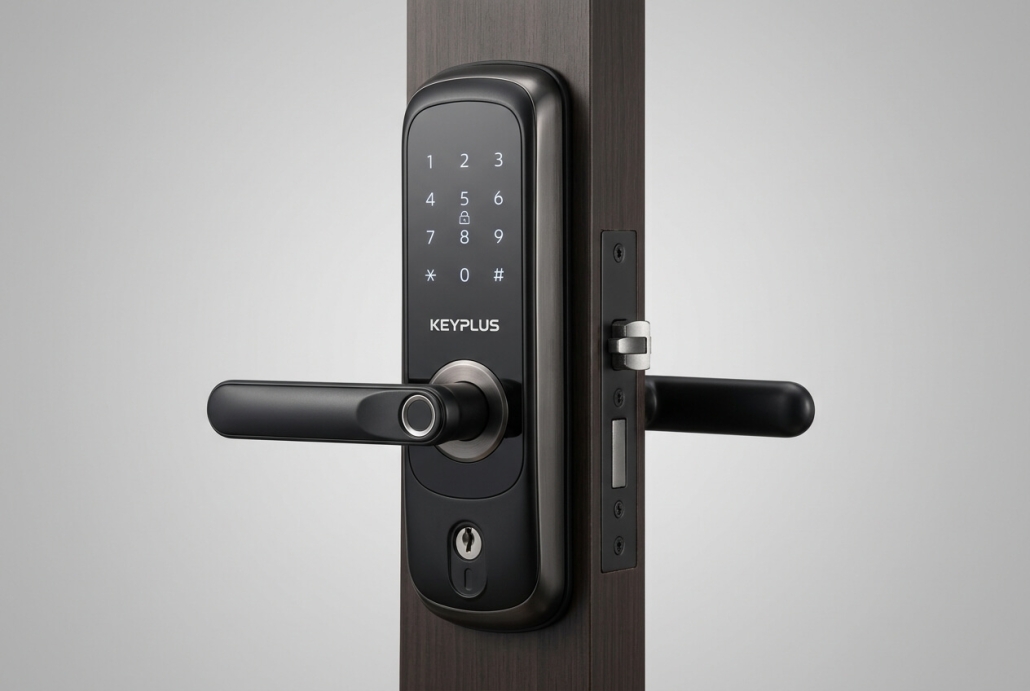
The global smart lock market is projected to reach $8.13 billion by 2026 (Fortune Business Insights, 2023). This surge reflects the growing demand for advanced access control solutions in commercial, residential, and hospitality sectors. As businesses prioritize security and operational efficiency, keyless door entry systems have emerged as a preferred choice for modern access control.
About Keyless Door Entry System: Why Demand for Keyless Entry Systems is Growing
For B2B buyers, selecting the right keyless door entry system supplier is critical. KEYPLUS offers certified smart lock solutions with TTLock/Tuya integration, OEM/ODM flexibility, and competitive MOQ. Learn more below.
Smart home penetration in developed markets is expected to surpass 60% by 2026 (Statista, 2024). This trend is driving widespread adoption of keyless door entry systems in commercial and residential spaces. Businesses increasingly seek solutions that offer convenience, scalability, and enhanced security. For example, hotels and rental properties benefit from systems that integrate with platforms like TTLock and Tuya, enabling remote access and temporary PIN management.
Moreover, the smart lock market is growing at a CAGR of 18.4% (MarketsandMarkets, 2023). This growth highlights the rising importance of electronic access control in storefronts, offices, and apartment complexes. Keyless systems reduce the risk of unauthorized access while simplifying user management.
Features B2B Buyers Evaluate in Smart Lock Suppliers
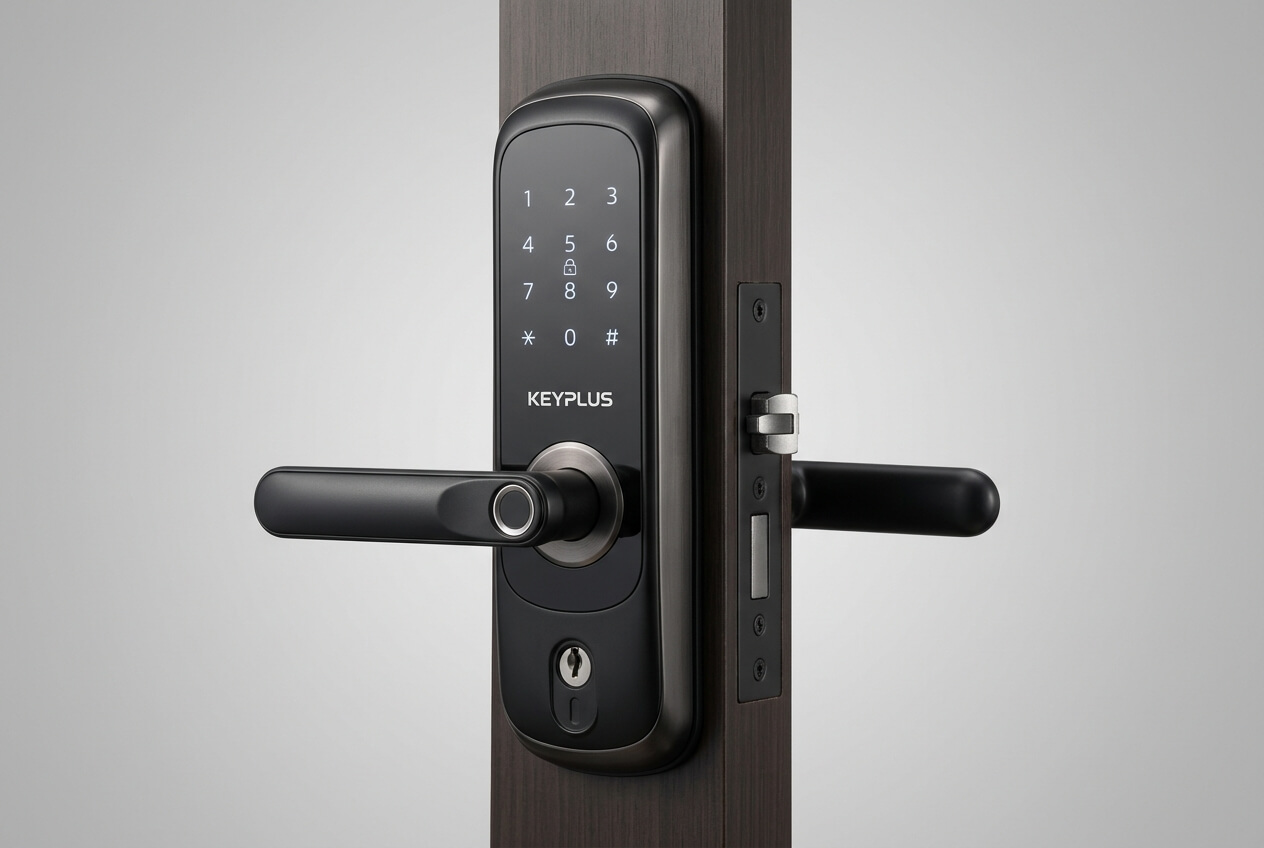
When selecting a supplier for keyless entry systems, B2B buyers prioritize features such as app integration, remote access, and installation compatibility. According to McKinsey (2023), 73% of B2B buyers prioritize app integration and remote access during procurement. These functionalities allow businesses to manage access remotely and provide audit trails for enhanced security.
As John Smith, Security Analyst, states: “Buyers need systems that balance advanced features with reliability. Certifications like CE and ANSI/BHMA Grade 1 ensure product quality for demanding projects.” For example, ANSI/BHMA Grade 1 certification is required for 68% of commercial access control projects (BHMA, 2023). Buyers also value suppliers who offer OEM/ODM customization and stable lead times.
Keyless entry systems often include unlock methods like fingerprint recognition, RFID cards, and mechanical key backups. These features cater to diverse use cases, from rental properties to applications/corporate-offices/”>corporate offices. Additionally, platforms like Tuya and TTLock enhance functionality by enabling app-based control and integration with smart home ecosystems.
Compliance and Technical Considerations for Keyless Systems
Compliance with certifications such as CE, FCC, and RoHS is critical for importers and distributors. These standards ensure the safety, reliability, and environmental friendliness of electronic locks. For example, CE certification guarantees compliance with EU regulations, while FCC certification addresses electromagnetic interference.
Technical considerations include battery life, IP ratings, and compatibility with door types. For instance, systems with IP65 ratings are ideal for outdoor installations. Export documentation and installation guides also play a crucial role in simplifying distribution and project implementation. Buyers should evaluate suppliers based on their ability to provide detailed technical support and after-sales service.
Choosing the Right Keyless Entry System for Your Project
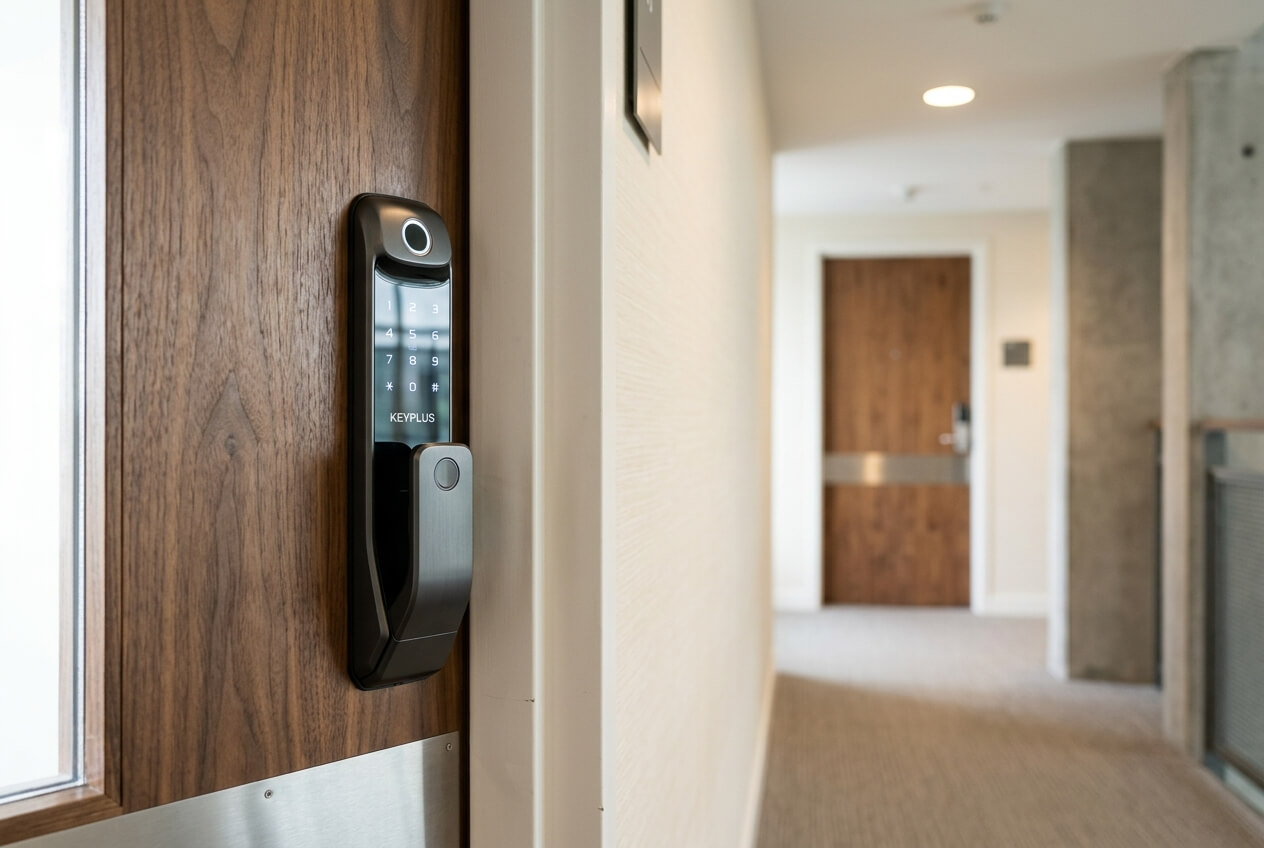
Selecting the right keyless entry system depends on the application. For residential projects, buyers may prioritize fingerprint locks and app integration. Hotels often require RFID card systems that integrate with property management software. Meanwhile, office spaces benefit from keypad locks with audit trails and remote access capabilities.
Practical factors include door compatibility, user capacity, and software ecosystem. For example, systems designed for mortise locks may not suit retrofit projects. Buyers should also consider installation efficiency and return rate reduction. Companies like KEYPLUS offer flexible OEM/ODM options, low MOQs, and consistent lead times, making them a reliable partner for diverse project needs.
Sourcing Strategies for Long-Term Success
The future of keyless entry systems lies in biometric authentication, cloud-based access management, and smart home integration. As the market evolves, buyers should focus on sourcing from experienced manufacturers who offer scalable solutions and robust certifications.
For importers and distributors, partnering with suppliers that provide detailed documentation and strong after-sales support reduces project risks. OEM/ODM flexibility allows businesses to tailor products to specific market needs, ensuring long-term success in competitive sectors. KEYPLUS, for example, combines advanced R&D capabilities with reliable manufacturing, positioning itself as a trusted partner for smart lock solutions.
Frequently Asked Questions
What is a keyless entry system for commercial buildings?
A keyless entry system allows users to unlock doors without physical keys, using methods like PIN codes, RFID cards, or biometric authentication. According to MarketsandMarkets (2023), the market for such systems is growing rapidly due to enhanced security and convenience. For commercial buildings, these systems simplify access management and reduce the risk of unauthorized entry. Buyers often prioritize solutions with app integration and remote access for scalability and ease of use.
What locks do police recommend?
Police often recommend locks with ANSI/BHMA Grade 1 certification for maximum security. These locks meet stringent performance standards and are ideal for commercial and residential use. As John Smith, Security Analyst, states: “Certified locks provide peace of mind and ensure compliance with safety regulations.” Keyless systems with advanced features like audit trails and temporary PINs are also highly recommended.
Can you put a smart lock on a commercial door?
Yes, smart locks can be installed on commercial doors. However, buyers must ensure compatibility with door types and compliance with certifications like CE and ANSI/BHMA. Systems designed for mortise locks or deadbolts are common in commercial applications. For large-scale projects, suppliers like KEYPLUS offer tailored solutions and installation support.
What is the best brand for a keyless entry door lock?
The best brand depends on the application and buyer priorities. For example, KEYPLUS specializes in OEM/ODM solutions and offers locks with advanced features like biometric authentication and Tuya integration. Industry leaders often provide certifications like CE and FCC to ensure quality and reliability.
How much does it cost to install a keyless entry system?
Installation costs vary based on the system type and project size. For commercial applications, costs range from $200 to $800 per unit, including hardware and labor. Buyers should also consider long-term savings from reduced maintenance and enhanced security.
What are the drawbacks of keyless entry?
Drawbacks include potential reliance on batteries and cybersecurity concerns. However, these risks can be mitigated by choosing systems with robust encryption and extended battery life. Buyers should evaluate supplier certifications and after-sales support to address these challenges effectively.

