
Electronic Deadbolt Lock Trends for Smart Buyers
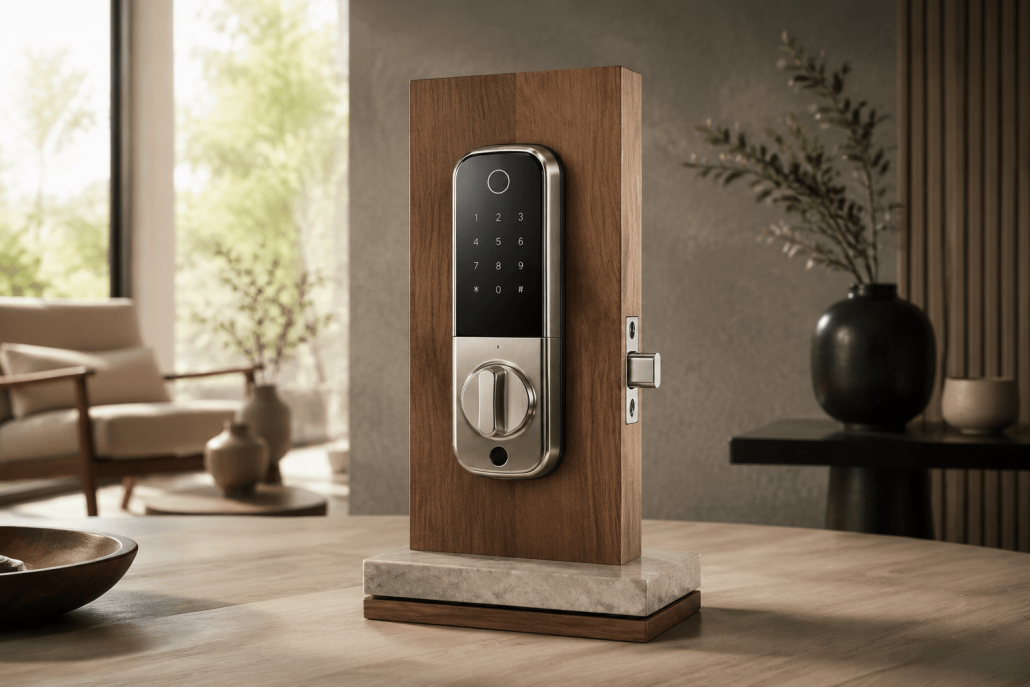
The global smart lock market is projected to reach $8.13 billion by 2026 (Fortune Business Insights, 2023). This rapid growth highlights the increasing demand for electronic deadbolt locks in residential, rental, and hospitality applications. Buyers are prioritizing solutions that offer advanced security, seamless app integration, and versatile installation options. As smart home penetration in developed markets is expected to surpass 60% by 2026 (Statista, 2024), electronic deadbolt locks are becoming essential for modern access control.
About Electronic Deadbolt Lock: Why Smart Locks Are Driving Market Growth
Smart locks are transforming how people secure their homes and businesses. The market is growing at a CAGR of 18.4% (MarketsandMarkets, 2023), driven by increasing adoption in residential, apartment, and hotel projects. These locks provide enhanced convenience, allowing users to unlock doors via fingerprint, keypad, or app control. Moreover, solutions like TTLock and Tuya integration enable remote access, temporary PINs, and audit trails for better security management.
For instance, apartment managers are embracing electronic deadbolt locks to simplify tenant access. Hotels are also utilizing advanced solutions, such as RFID card access and face recognition, to improve guest experiences. KEYPLUS specializes in smart lock R&D, offering OEM/ODM options tailored to these diverse applications.
Key Features Buyers Should Evaluate
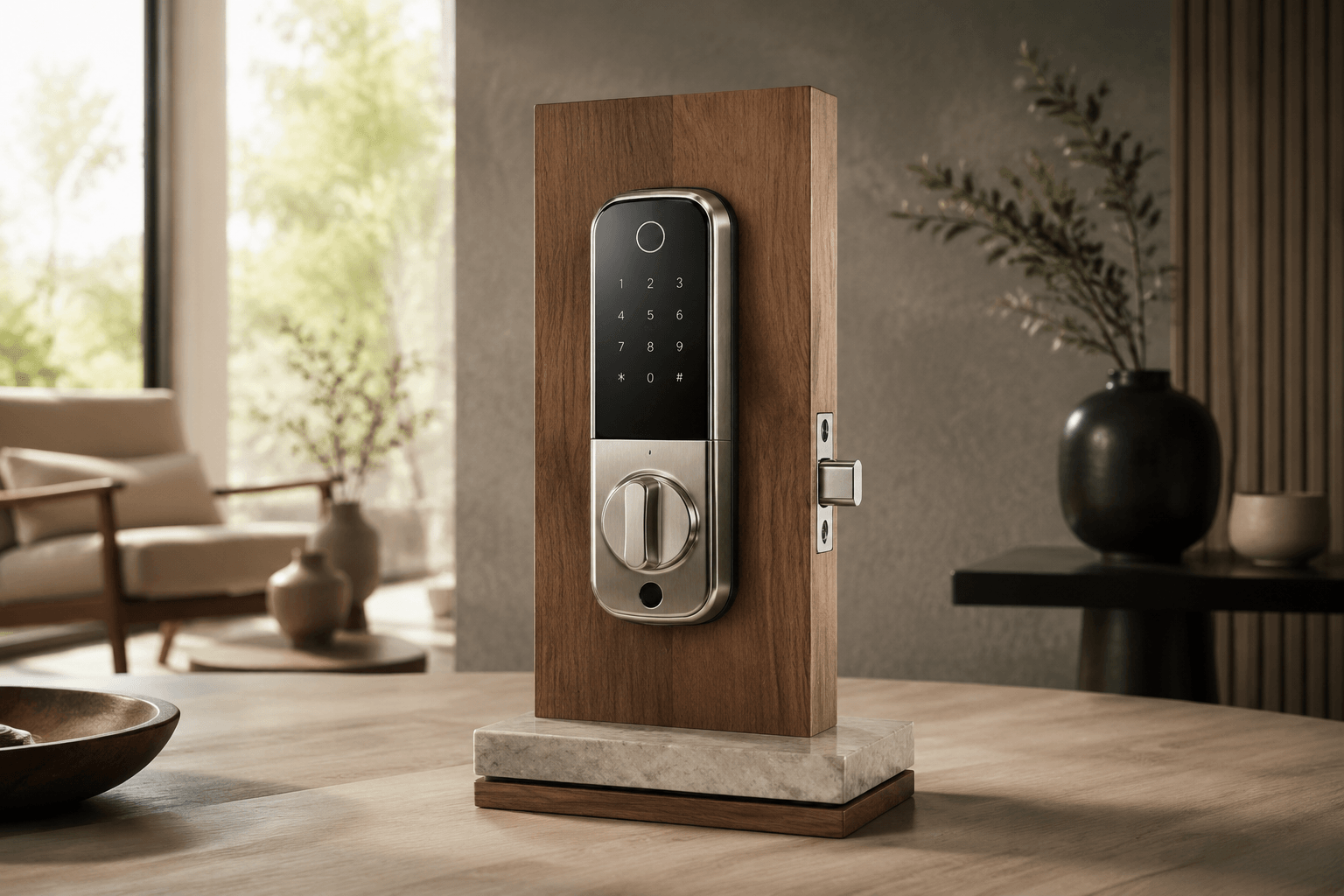
When sourcing electronic deadbolt locks, buyers need to assess several critical factors. App integration ranks high, as 73% of B2B buyers prioritize remote access and app control (McKinsey, 2023). Locks compatible with TTLock or Tuya ecosystems provide seamless connectivity and user-friendly management.
Certifications are equally important. ANSI/BHMA Grade 1 certification is required for 68% of commercial access control projects (BHMA, 2023). Buyers must also consider door compatibility, installation support, and product reliability. KEYPLUS offers solutions with robust biometric authentication, including fingerprint and 3D face recognition, ensuring top-tier security and performance.
As Sarah Johnson, Access Control Specialist, states: “B2B buyers should prioritize locks with versatile unlock methods, strong certifications, and app ecosystems that align with their project needs.”
Compliance and Technical Considerations
Sourcing electronic deadbolt locks involves meeting strict compliance requirements. CE, FCC, and RoHS certifications are essential for importers targeting global markets. Additionally, battery safety and IP ratings ensure durability in challenging environments.
Compatibility with different door types, such as mortise or latch locks, is another key consideration. Buyers should verify that locks support mechanical key backups for emergency scenarios. For example, KEYPLUS products integrate gateway connectivity for remote control while adhering to international compliance standards.
Choosing the Right Lock for Your Project
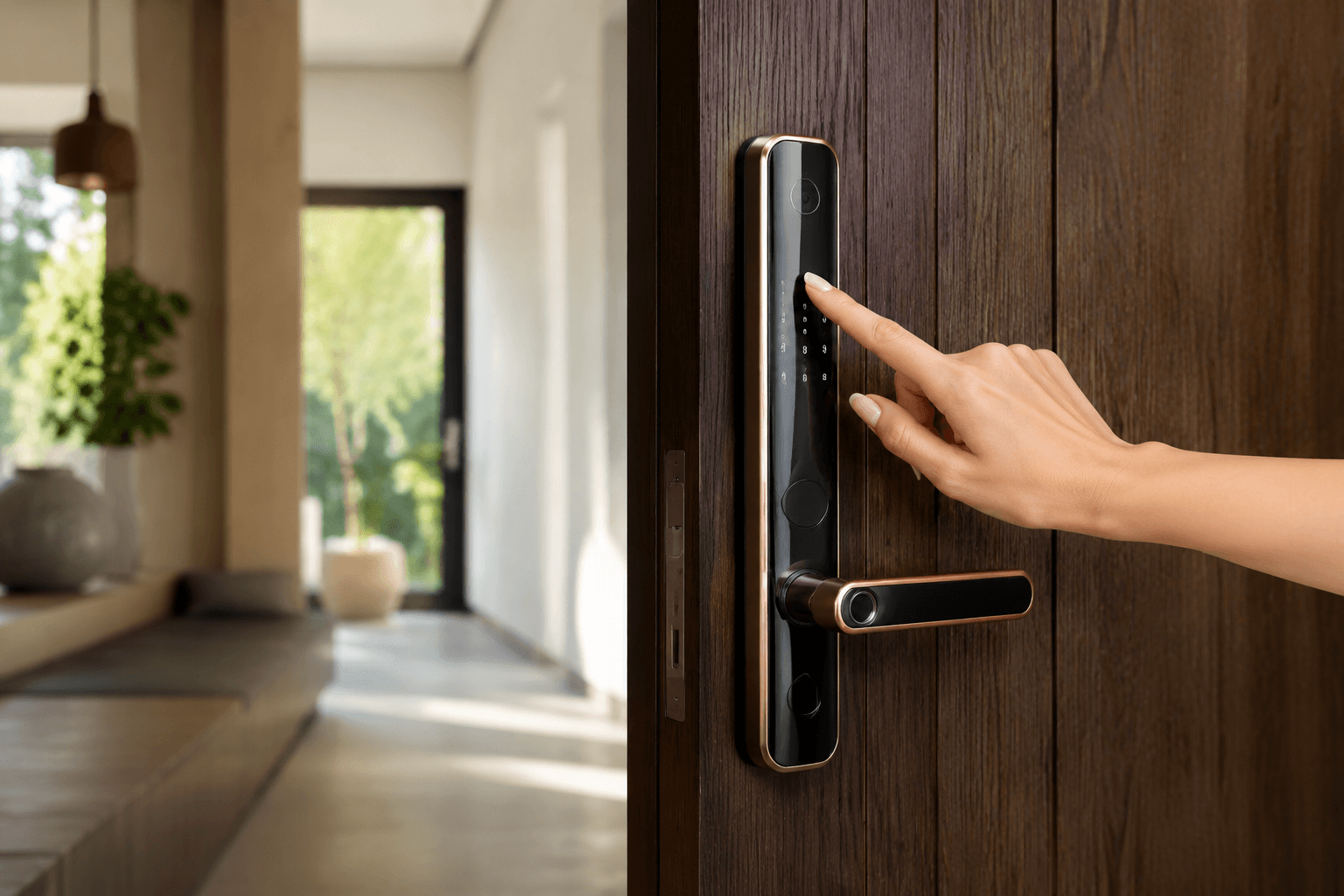
Selecting the right electronic deadbolt lock depends on the intended application. Residential buyers may prefer fingerprint door locks for convenience, while hospitality projects often require RFID card systems for seamless guest access. Rental property managers benefit from locks with temporary PINs and audit trail capabilities.
Door compatibility is critical. Buyers should confirm lock suitability for door thickness and material. Additionally, installation efficiency and software ecosystem compatibility reduce project costs and improve user satisfaction. KEYPLUS offers OEM/ODM customization, ensuring locks meet specific project requirements.
Strategic Sourcing for Long-Term Success
The future of electronic deadbolt locks lies in advanced features like biometric authentication and cloud-based access management. Buyers should evaluate suppliers based on manufacturing stability, lead times, and after-sales support. As the market evolves, sourcing flexible solutions ensures long-term success.
KEYPLUS provides distributors and importers with reliable smart lock solutions backed by robust certifications and customization options. Partnering with experienced manufacturers reduces project risks and accelerates delivery timelines.
Frequently Asked Questions
What are the disadvantages of keypad door locks?
Keypad locks can face issues such as battery dependency and wear-and-tear on buttons. According to McKinsey (2023), regular maintenance and backup options like mechanical keys mitigate these risks. Buyers should prioritize locks with durable materials and reliable battery systems.
Which electronic door lock is the best?
The best electronic deadbolt lock depends on the application. As Sarah Johnson, Access Control Specialist, states: “Locks with biometric features and app integration offer superior security and convenience.” TTLock and Tuya-compatible locks are ideal for residential and rental use.
What locks do police recommend for doors?
Police often recommend locks with ANSI/BHMA Grade 1 certification for maximum security. These locks meet rigorous standards for durability and resistance against forced entry. Buyers should verify certification before procurement.
What smart locks are compatible with SimpliSafe?
Smart locks compatible with SimpliSafe typically support app integration and remote access. Buyers should confirm compatibility with SimpliSafe’s ecosystem before purchase. TTLock and Tuya-based locks often provide seamless integration.
Are electronic keypad deadbolts secure?
Electronic keypad deadbolts are secure when certified to ANSI/BHMA standards. Buyers should select locks with anti-tampering features and strong encryption for app communication. Backup keys ensure reliability in emergencies.
What happens if a digital lock runs out of battery?
If a digital lock runs out of battery, mechanical key backups and external battery ports provide solutions. Buyers should ensure locks include these features for uninterrupted access. Regular battery checks prevent downtime.

