
Commercial Digital Door Lock Trends for B2B Buyers
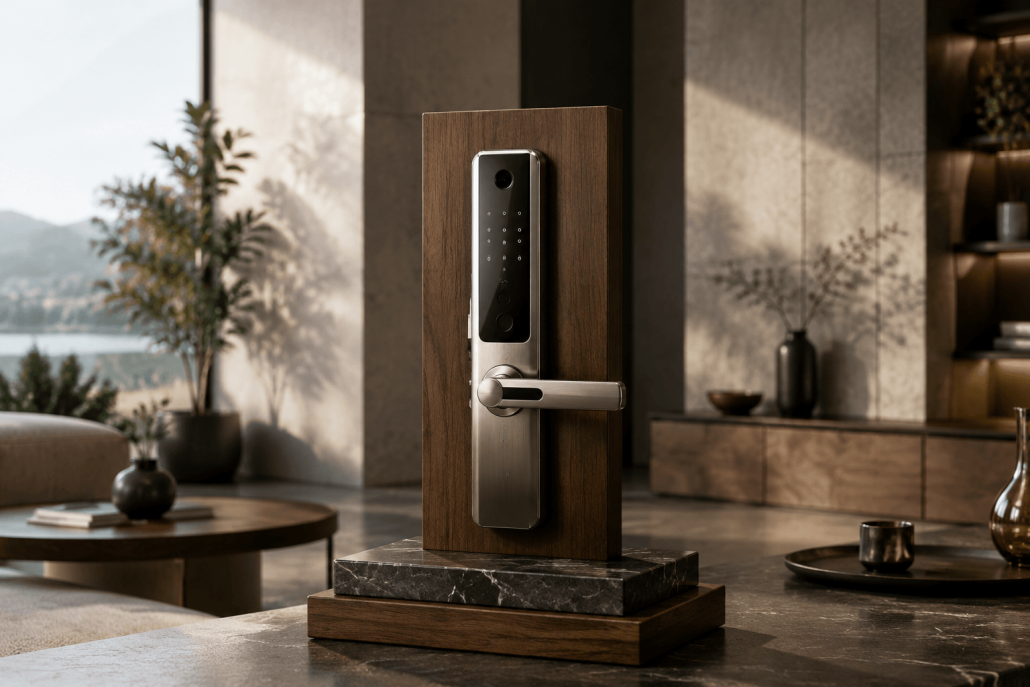
When considering Commercial Digital Door Lock, the global smart lock market is projected to reach $8.13 billion by 2026, growing at a CAGR of 18.4% (Fortune Business Insights, 2023; MarketsandMarkets, 2023). This rapid expansion reflects increasing demand for secure, keyless access solutions in commercial, hospitality, and residential projects. B2B buyers, including property managers and project contractors, are prioritizing advanced features such as app integration, biometric authentication, and remote access capabilities. The shift toward digital access control is reshaping procurement strategies across industries.smart lock market is projected to reach $8.13 billion by 2026, growing at a CAGR of 18.4% (Fortune Business Insights, 2023; MarketsandMarkets, 2023). This rapid expansion reflects increasing demand for secure, keyless access solutions in commercial, hospitality, and residential projects. B2B buyers, including property managers and project contractors, are prioritizing advanced features such as app integration, biometric authentication, and remote access capabilities. The shift toward digital access control is reshaping procurement strategies across industries.
Rising Demand for Commercial Digital Door Locks
Smart home penetration in developed markets is expected to surpass 60% by 2026 (Statista, 2024). This trend is driving parallel growth in commercial applications, particularly in hotels, rental properties, and office buildings. Businesses seek reliable solutions that integrate seamlessly with existing infrastructure while offering enhanced security and convenience. For example, TTLock and Tuya smart locks enable centralized management through mobile apps, making them ideal for multi-unit properties.
In addition, commercial buyers increasingly value compliance with ANSI/BHMA Grade 1 standards, which are required for 68% of access control projects (BHMA, 2023). This ensures durability and performance for high-traffic environments like storefronts and office complexes. Companies like KEYPLUS are well-positioned to meet these demands with customizable OEM/ODM solutions that support diverse project requirements.
Key Features B2B Buyers Evaluate in Smart Lock Suppliers
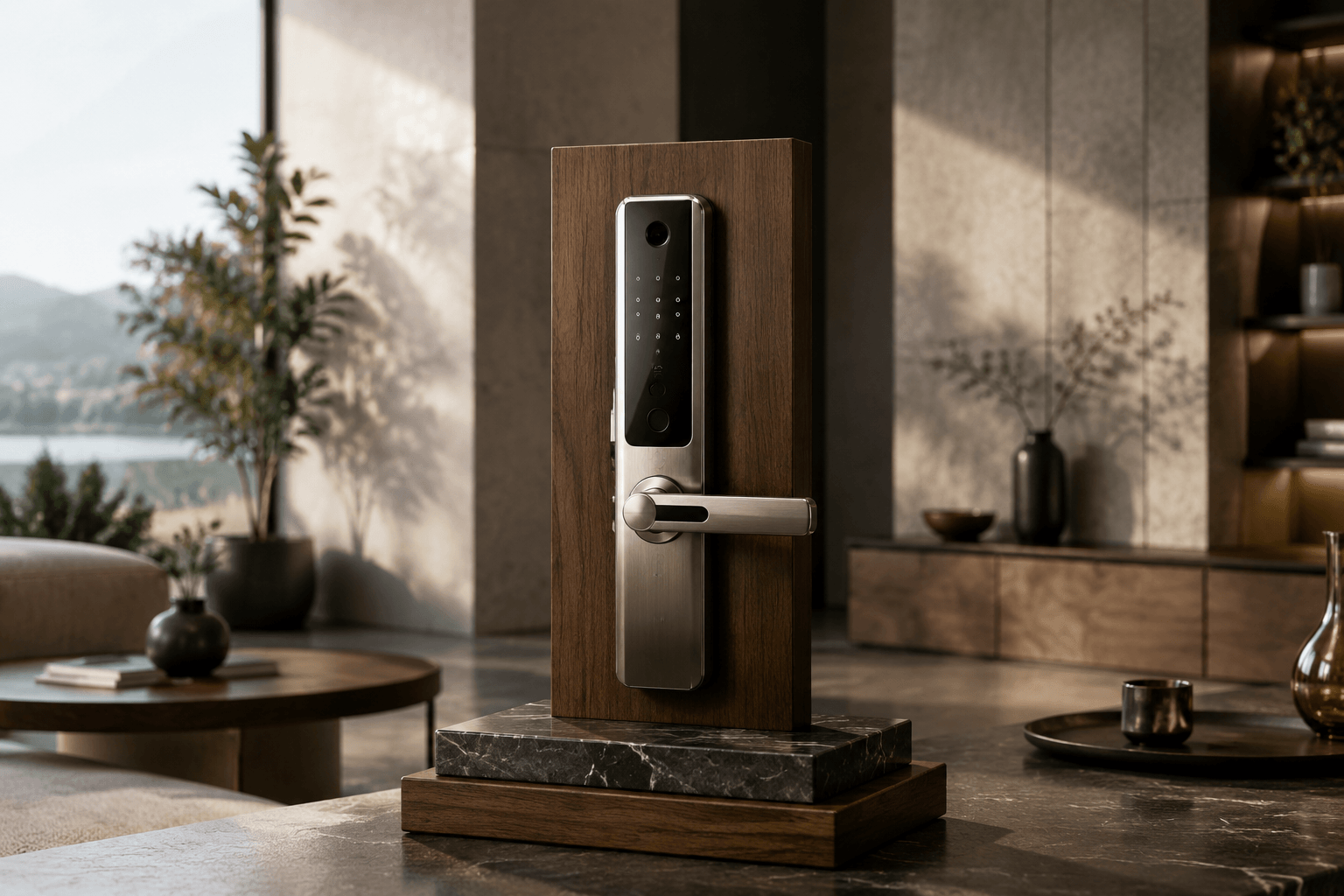
When sourcing commercial digital door locks, buyers prioritize several critical features. According to McKinsey (2023), 73% of B2B buyers emphasize app integration and remote access. This allows property managers to issue temporary passcodes, monitor usage through audit trails, and manage multiple locks from a single platform. Integration with ecosystems like TTLock and Tuya further enhances functionality.
Unlock methods are another key consideration. Many projects require multiple options, such as fingerprint authentication, RFID card access, and mechanical key backups. Biometric locks, including fingerprint door locks, offer heightened security by ensuring only authorized personnel can gain entry. Moreover, compatibility with various door types, including aluminum storefronts, simplifies installation for contractors.
As Sarah Lin, a Hospitality Technology Consultant, states: “Commercial buyers need solutions that balance security, convenience, and scalability. Suppliers offering robust app ecosystems and certification compliance are best positioned to succeed.” This highlights the importance of selecting partners with proven expertise in smart lock R&D and manufacturing.
Compliance, Standards, and Technical Considerations
Compliance with international standards is non-negotiable for most commercial projects. Certifications such as CE, FCC, and RoHS ensure that products meet safety and environmental requirements. Additionally, ANSI/BHMA grading guarantees durability and reliability under heavy usage. For example, Grade 1 certified locks are ideal for high-traffic areas like office entrances and hotel lobbies.
Battery performance is another critical factor. Commercial digital door locks must support extended usage cycles without frequent replacements. Many advanced models include low-battery alerts and emergency power options to prevent lockouts. Furthermore, compatibility with door thicknesses and lock body types ensures a seamless fit for various applications.
Choosing the Right Smart Lock for Your Application
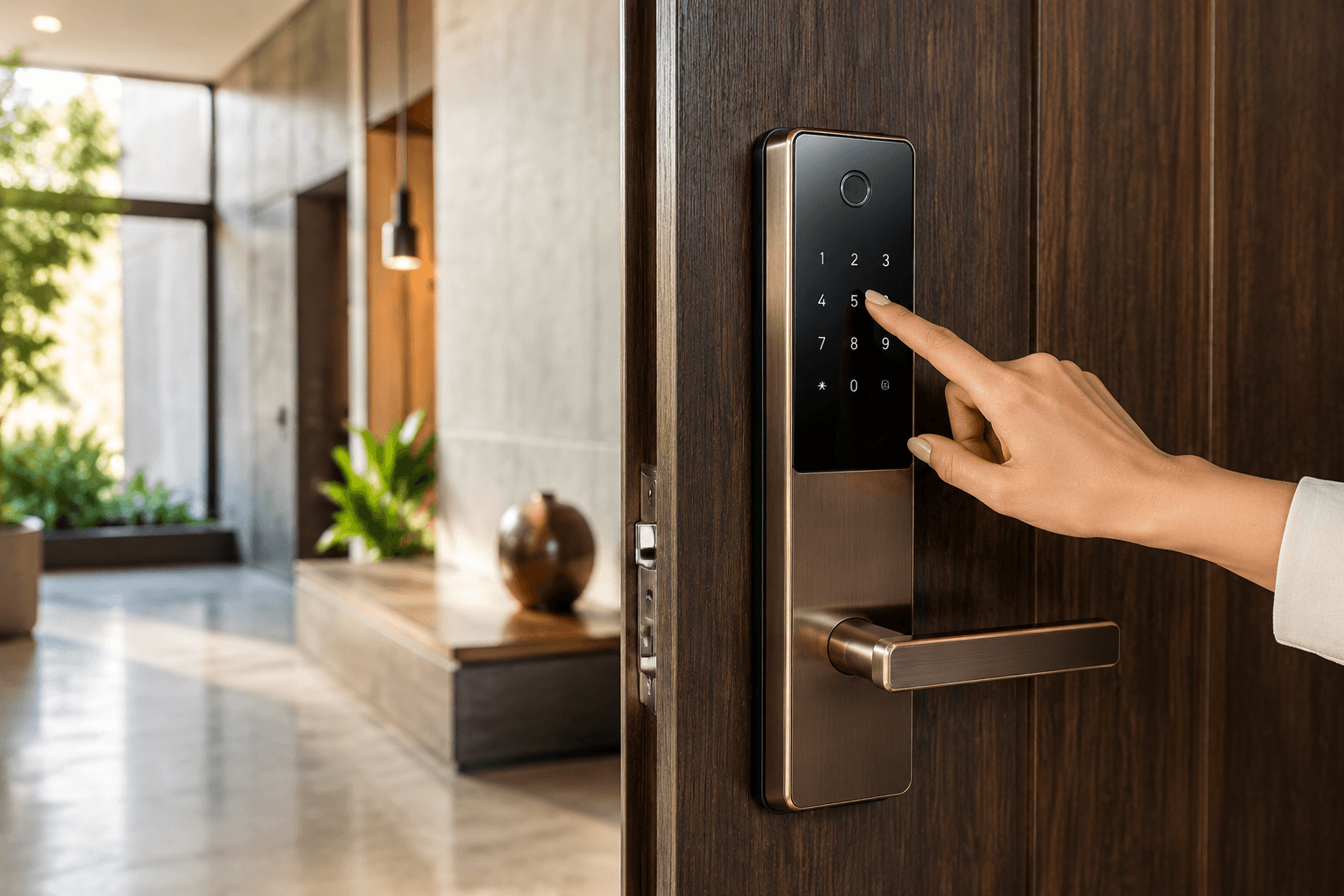
Selecting the right commercial digital door lock depends on the specific use case. For hotels, features like RFID card access and centralized management systems are essential. Rental properties benefit from remote access and temporary PIN functionality, enabling seamless tenant turnover. Offices often require biometric locks for restricted areas and audit trails for enhanced accountability.
Practical considerations include installation complexity, door compatibility, and software ecosystem integration. For instance, Tuya and TTLock-compatible locks streamline management across multiple locations. Suppliers like KEYPLUS offer tailored solutions, from low MOQs for pilot projects to full-scale OEM production for large developments.
Sourcing Strategies and Future Trends
Looking ahead, the smart lock industry will continue to evolve with advancements in biometric authentication, cloud-based access control, and AI-driven security features. Distributors and importers should prioritize suppliers with strong R&D capabilities and flexible production models. Establishing long-term partnerships with trusted manufacturers reduces project risk and accelerates go-to-market timelines.
As the market grows, the ability to deliver certified, customizable solutions will differentiate leading brands. For businesses seeking reliable partners, KEYPLUS provides a comprehensive range of smart lock options tailored to diverse project needs. Their expertise in TTLock and Tuya integration ensures compatibility with modern access control ecosystems.
Frequently Asked Questions
What are heavy-duty commercial door locks?
Heavy-duty commercial door locks are designed for high-traffic environments and offer enhanced durability. ANSI/BHMA Grade 1 locks are the gold standard, providing maximum security and reliability for storefronts, offices, and hospitality applications.
What features do Schlage electronic commercial door locks offer?
Schlage offers a range of electronic commercial door locks with features like keypad access, RFID compatibility, and ANSI/BHMA certification. These locks are ideal for businesses requiring robust security and easy access control management.
What is a commercial electronic door lock system?
A commercial electronic door lock system integrates smart locks with centralized management software. This allows property managers to control access, issue temporary credentials, and monitor usage in real-time.
How do I install a commercial keypad door lock?
Installation involves securing the lock body to the door, connecting the electronic components, and configuring the keypad. Ensure compatibility with the door’s thickness and follow the manufacturer’s guide for precise installation.
What are the best electronic commercial door locks?
The best locks combine features like biometric access, app integration, and ANSI/BHMA certification. Brands like KEYPLUS and others offering TTLock or Tuya compatibility are popular choices for commercial projects.
Are electronic commercial door locks customizable?
Yes, many suppliers offer OEM/ODM services for customization. This includes branding, feature modifications, and compatibility adjustments to meet specific project requirements.

