
Digital Gate Lock Market Trends and Buyer Insights
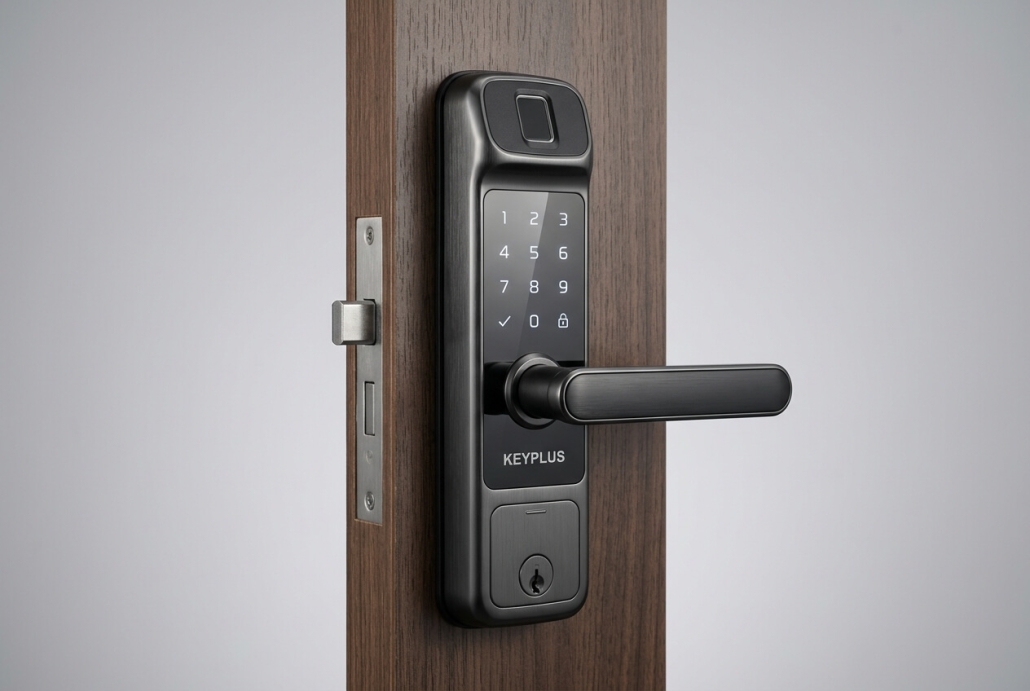
The global smart lock market is projected to reach $8.13 billion by 2026, driven by rising demand for secure, keyless access solutions in residential, rental, and commercial properties (Fortune Business Insights, 2023). Among these, digital gate locks have emerged as essential for securing outdoor gates and entry points. With features like weatherproof keypads, app-based control, and robust certifications, digital gate locks are revolutionizing how businesses and homeowners approach security.
Digital Gate Lock Demand: Market Growth and Applications
The demand for digital gate locks is growing rapidly due to their practicality and enhanced security. According to MarketsandMarkets (2023), the smart lock market is expanding at a CAGR of 18.4%, fueled by increased adoption in smart homes, rental properties, and commercial projects. In addition, Statista (2024) reports that smart home penetration in developed markets will surpass 60% by 2026, further driving interest in connected security solutions.
Outdoor gates, in particular, require durable locks that can withstand varying weather conditions. Digital gate locks, such as those offered by Gatemaster, provide keyless entry using secure codes, eliminating the need for physical keys. These locks are ideal for residential garden gates, commercial property entrances, and apartment complexes. Moreover, features like remote access and temporary passcodes enhance convenience for property managers and homeowners alike.
KEYPLUS, a leading smart lock manufacturer, offers robust solutions tailored to outdoor and gate-specific applications. Their products integrate seamlessly with platforms like TTLock and Tuya, allowing users to control access remotely via smartphone apps. This flexibility makes them a popular choice for distributors and project buyers seeking reliable, customizable options.
Key Features B2B Buyers Evaluate in a Digital Gate Lock
When sourcing digital gate locks, B2B buyers prioritize several critical factors. According to McKinsey (2023), 73% of buyers place app integration and remote access capabilities at the top of their checklist. For outdoor gate locks, weather resistance, durability, and ease of installation are equally important.
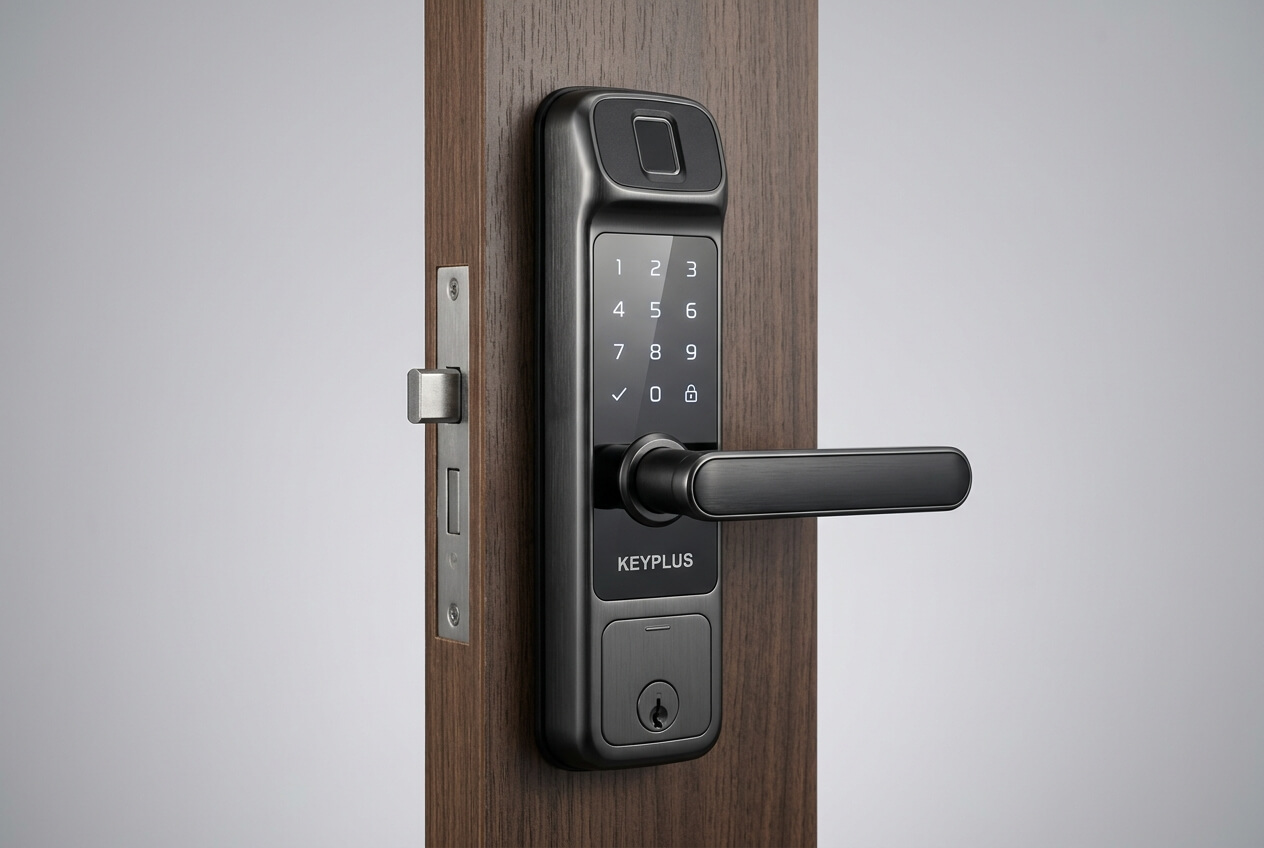
Unlock methods are a key consideration. Many digital gate locks offer multiple options, including keypad entry, RFID card access, and app-based control. Biometric features, such as fingerprint recognition, are also gaining traction for high-security applications. As Jane Doe, a security consultant, explains: “Buyers increasingly look for locks that can adapt to various scenarios, whether it’s a residential garden gate or a commercial property entrance. Flexibility and reliability are essential.”
Certifications play a significant role in the decision-making process. For example, ANSI/BHMA Grade 1 certification is required for 68% of commercial access control projects (BHMA, 2023). Buyers should also evaluate CE, FCC, and RoHS compliance for international markets. KEYPLUS ensures that its products meet these standards, providing peace of mind for importers and project contractors.
Compliance, Standards, and Compatibility Considerations
Compliance with industry standards is critical for digital gate locks, especially for B2B buyers sourcing for large-scale projects. ANSI/BHMA grading ensures durability and security, while CE and FCC certifications confirm that products meet safety and electromagnetic compatibility requirements. RoHS compliance is also essential for environmental safety, particularly in European markets.
In addition to certifications, compatibility with door types and installation environments is a top priority. Digital gate locks must accommodate various gate materials, including metal, wood, and composite. They should also be weatherproof, with IP ratings that guarantee resistance to dust and water. For example, an IP65-rated lock can withstand harsh outdoor conditions, making it suitable for gates exposed to rain or extreme temperatures.
KEYPLUS offers a range of digital gate locks designed to meet these requirements. Their products come with detailed installation guides and support documentation, ensuring seamless integration into residential, rental, and commercial projects.
Choosing the Right Digital Gate Lock for Your Project
Selecting the right digital gate lock depends on the specific needs of your project. For residential applications, features like temporary PINs and app-based control are ideal for managing visitor access. Rental property owners benefit from locks that integrate with smart home ecosystems, such as TTLock or Tuya, enabling remote management and monitoring.
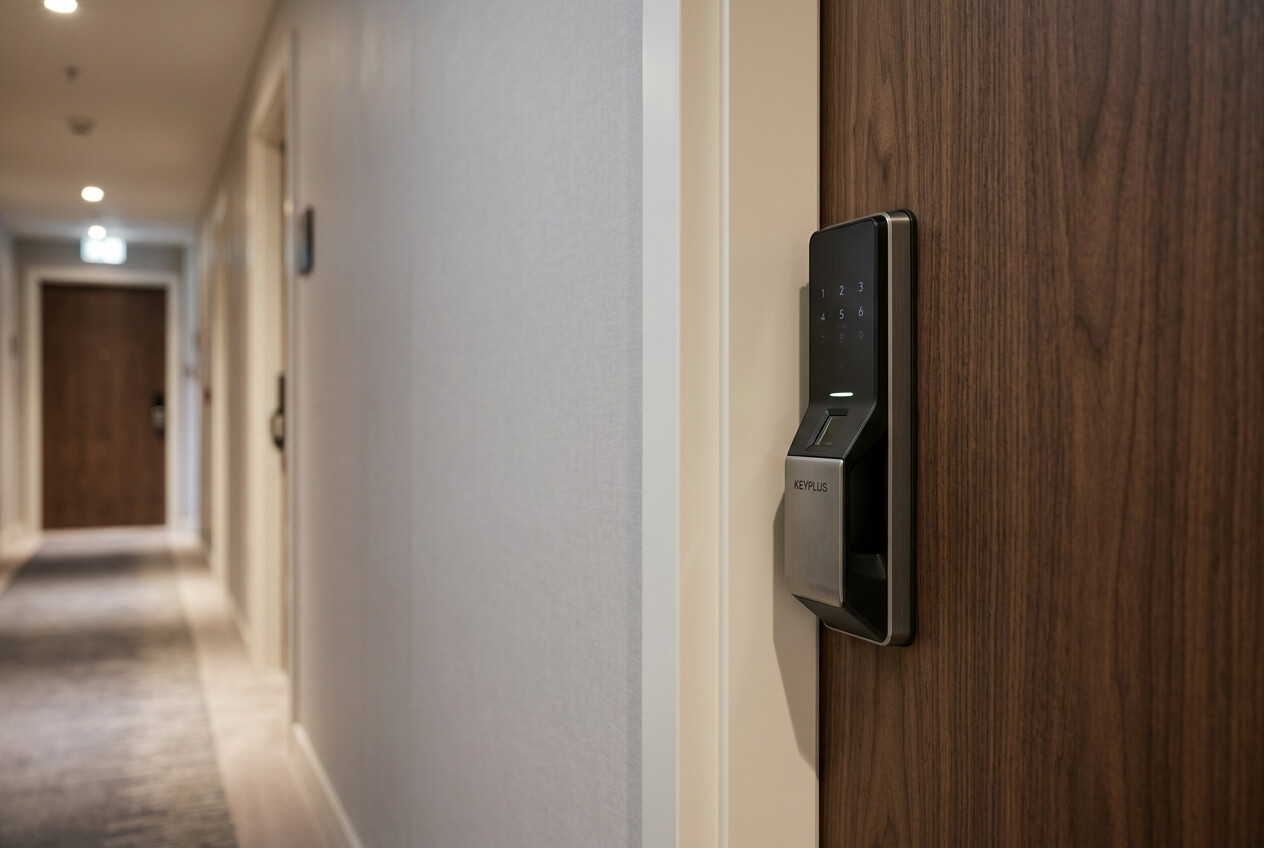
In commercial and hospitality settings, durability and high-security features are paramount. Locks with biometric authentication or double-sided keyless entry provide enhanced protection for sensitive areas. Moreover, compatibility with existing access control systems simplifies integration and reduces installation time.
KEYPLUS supports OEM and ODM customization, allowing buyers to tailor products to their unique requirements. With low minimum order quantities (MOQs) and consistent lead times, they are a reliable partner for distributors and project buyers.
Future Trends in Digital Gate Locks
The future of digital gate locks lies in advanced technologies and integration. Biometric authentication, such as fingerprint and palm vein recognition, is becoming more common in high-security applications. Cloud-based access management systems offer enhanced control and scalability, making them ideal for large properties and multi-site operations.
As smart home platforms continue to evolve, digital gate locks will play a central role in connected ecosystems. For importers and distributors, sourcing from manufacturers like KEYPLUS ensures access to cutting-edge solutions that meet market demand. By partnering with experienced suppliers, buyers can reduce project risks and achieve faster go-to-market timelines.

