
Best Electronic Deadbolt Trends for 2026
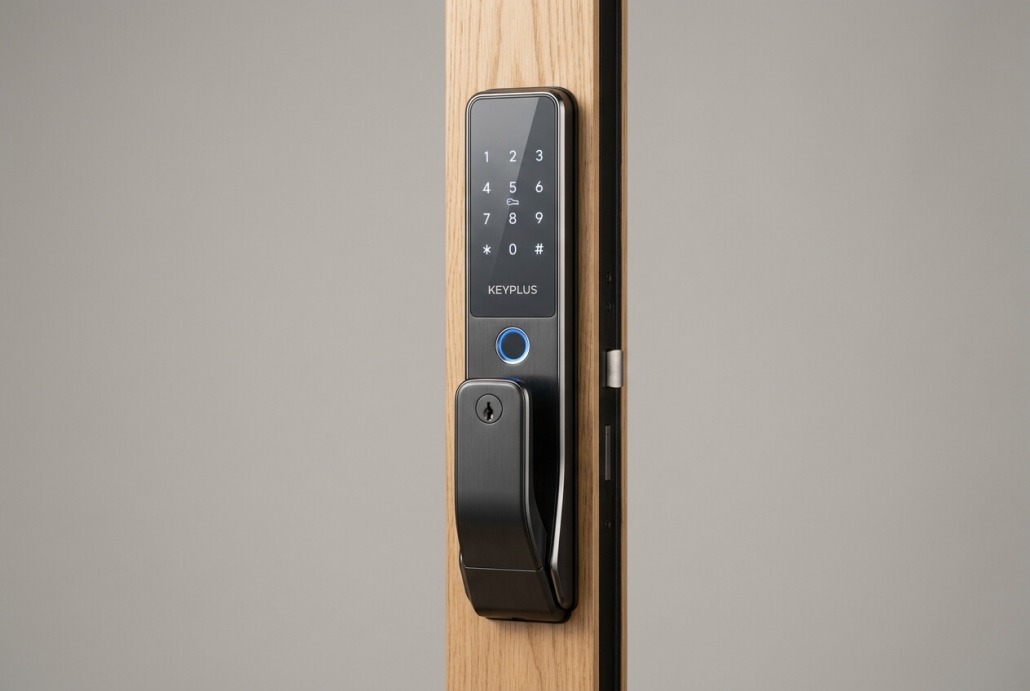
The global smart lock market is projected to reach $8.13 billion by 2026 (Fortune Business Insights, 2023). This rapid growth reflects increasing demand for innovative access control solutions in residential, rental, and hospitality sectors. Among these, the best electronic deadbolt solutions are gaining traction due to their advanced features like remote access, app integration, and robust security standards. As smart home penetration in developed markets is expected to surpass 60% by 2026 (Statista, 2024), sourcing the right smart lock technology has become a priority for B2B buyers.
About Best Electronic Deadbolt: Smart Lock Market Trends Driving Buyer Decisions
The smart lock industry is undergoing significant transformation, driven by the rise of smart home adoption and the need for secure, convenient access control systems. According to MarketsandMarkets (2023), the smart lock market is growing at a CAGR of 18.4%, fueled by demand for solutions that integrate seamlessly with existing smart home ecosystems. Buyers in the rental and hospitality sectors also prioritize features like remote access and temporary PIN functionality to streamline property management.
73% of B2B buyers place high importance on app integration when selecting smart locks (McKinsey, 2023). This demand has led manufacturers to prioritize compatibility with leading platforms such as Tuya and TTLock. Companies like KEYPLUS offer tailored smart lock solutions that cater to diverse applications, from residential homes to large-scale apartment projects and hotels. Their expertise in OEM/ODM services enables buyers to customize products to meet specific project needs.
Key Features Buyers Evaluate in Smart Locks
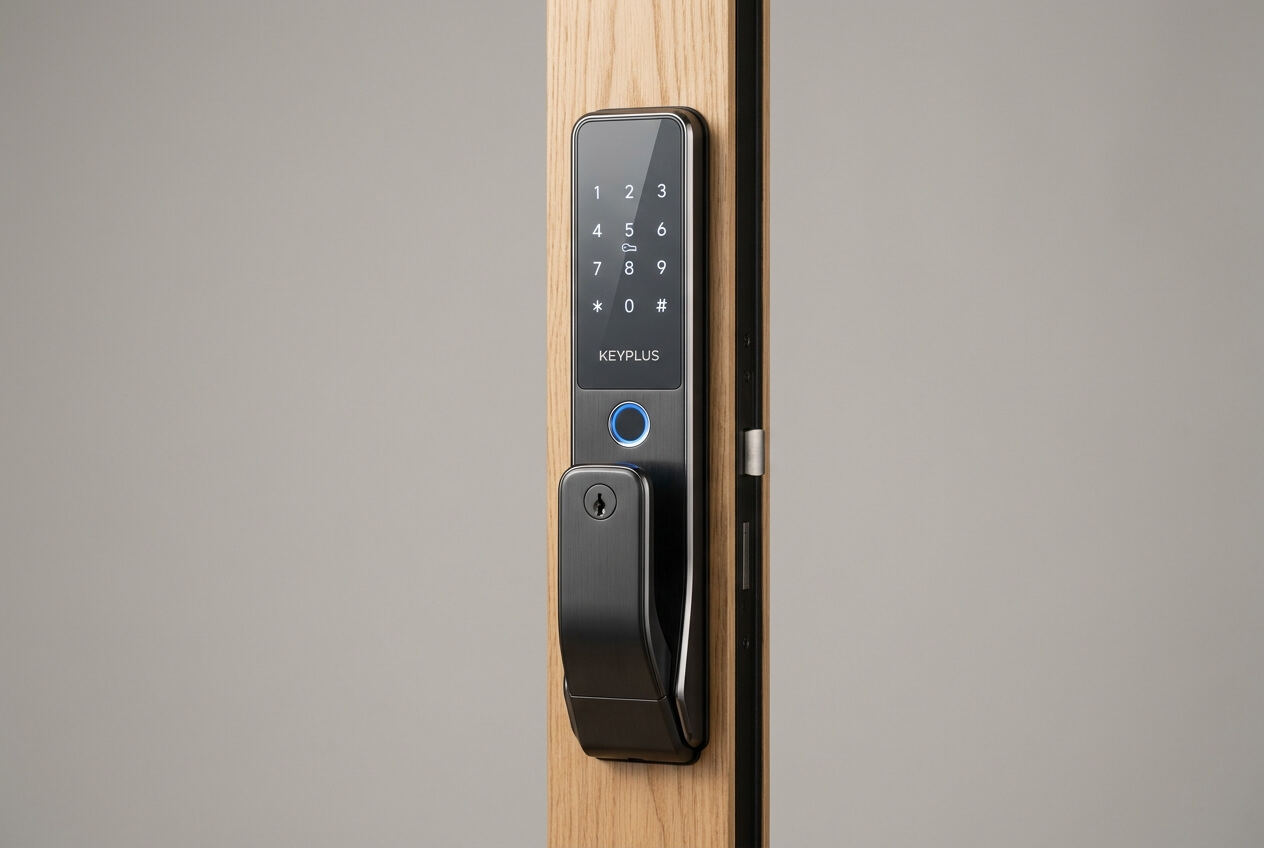
B2B buyers assess several critical factors when sourcing smart locks. First and foremost, unlocking methods play a significant role. Features such as fingerprint authentication, RFID card access, and app control are increasingly standard. Buyers also evaluate the integration capabilities of locks with platforms like Tuya and TTLock, ensuring seamless operation within broader smart home systems.
Installation compatibility is another essential consideration. Smart locks must accommodate various door types, including wooden, metal, and glass doors, while adhering to regional standards. For instance, ANSI/BHMA Grade 1 certification is required for 68% of commercial access control projects (BHMA, 2023). Additionally, buyers look for robust after-sales support and reliable warranty terms to minimize project risks.
As Sarah Johnson, a property technology consultant, states: “The best electronic deadbolt solutions combine advanced features with the durability and certifications that ensure long-term performance. Buyers should prioritize suppliers who can provide both technical excellence and reliable support.”
Compliance, Standards, and Technical Considerations
Compliance with industry standards is critical for smart lock procurement. Certifications such as CE, FCC, and RoHS ensure product safety, while ANSI/BHMA grading verifies durability and security performance. For projects targeting outdoor installations, IP ratings are essential to guarantee weather resistance.
Battery life is another technical consideration. Buyers often prefer locks with low-power consumption designs to reduce maintenance frequency. Additionally, software compatibility plays a pivotal role in long-term usability. Smart locks integrated with Tuya or TTLock platforms provide robust ecosystems that enable remote access, audit trails, and user management.
Choosing the Right Smart Lock for Your Project
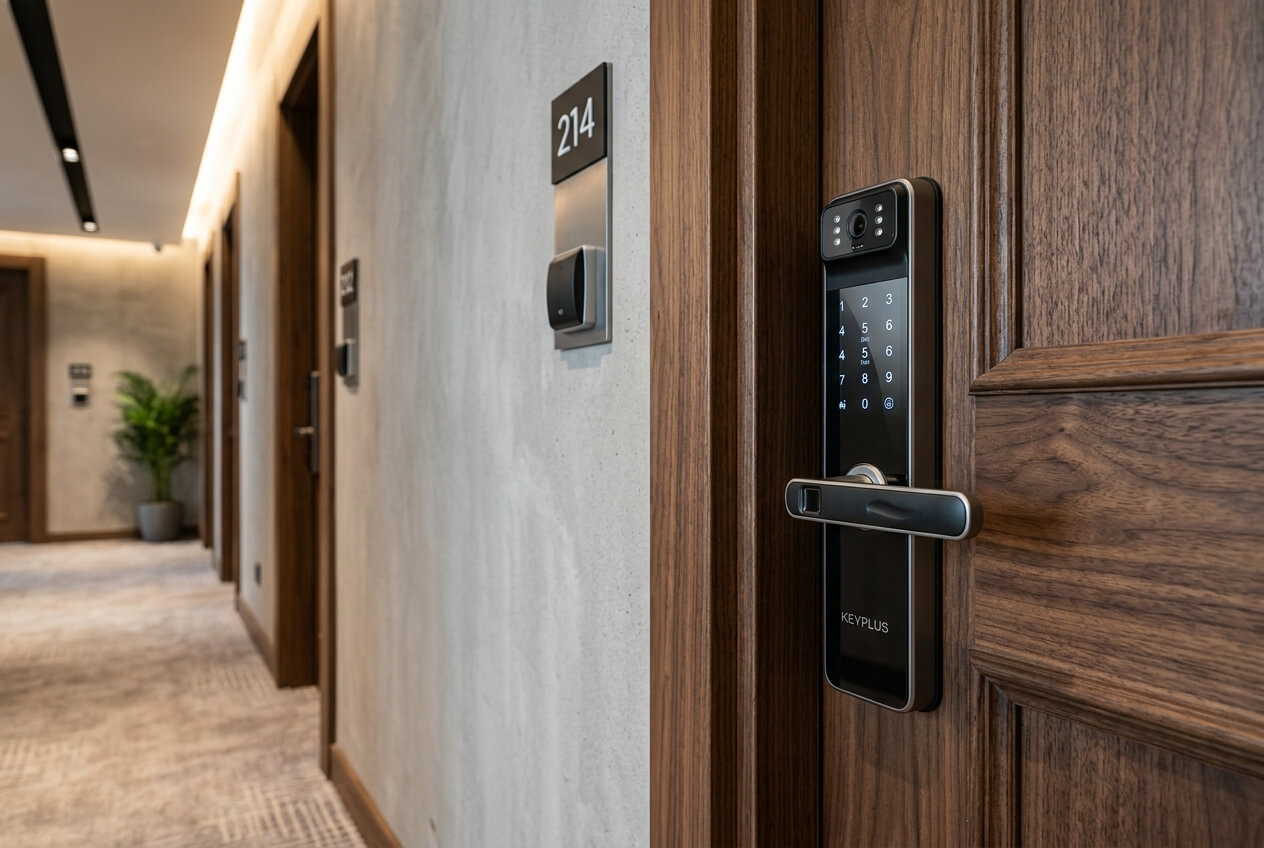
Selecting the best electronic deadbolt depends on the application scenario. Residential projects benefit from locks with biometric features like fingerprint recognition and app control. Meanwhile, rental properties and hotels require solutions that support temporary PINs and remote management for streamlined operations.
Door compatibility is another critical factor. For example, mortise locks are ideal for high-security applications, while deadbolt smart locks suit standard residential doors. Buyers should also consider installation support and documentation provided by suppliers. KEYPLUS offers comprehensive project support, ensuring smooth implementation and reduced downtime.
Sourcing Strategies and Future Trends
As the smart lock industry evolves, biometric technologies like face recognition and palm vein scanning are expected to gain traction. Additionally, cloud-based access management solutions are becoming increasingly popular for their scalability and convenience. For distributors and importers, partnering with a reliable OEM/ODM supplier like KEYPLUS can reduce project risks and accelerate time-to-market.
By focusing on certifications, app integration, and installation support, buyers can ensure long-term success in their projects. The growing demand for smart locks across residential, rental, and hospitality sectors underscores the importance of strategic sourcing and supplier collaboration.
Frequently Asked Questions
Who makes the best electronic deadbolt?
The best electronic deadbolt manufacturers include brands like Schlage, August, and Yale. Each brand offers unique features tailored to different user needs. For example, Schlage Encode Plus stands out for its compatibility with Apple HomeKit, while August Smart Lock excels in retrofit installations. B2B buyers should evaluate certifications, app ecosystems, and supplier support when choosing a brand.
Which digital lock brand is best?
The best digital lock brands vary depending on application needs. Yale, Kwikset, and KEYPLUS offer robust solutions for residential and commercial projects. According to McKinsey (2023), 73% of buyers prioritize app integration, making compatibility with Tuya or TTLock platforms a key factor in brand selection.
Is Kwikset or Schlage better?
Both Kwikset and Schlage are reputable brands. Kwikset offers innovative features like SmartKey security, while Schlage is known for its durability and ANSI/BHMA certifications. Buyers should assess specific project requirements, such as door type compatibility and app integration, to make an informed decision.
What locks do police recommend?
Police often recommend locks with ANSI/BHMA Grade 1 certification for maximum security. Deadbolt locks with robust construction and anti-pick features are also preferred. For smart locks, features like remote access and audit trails add additional layers of security, making them a valuable choice for property protection.
The best smart locks of 2026 consumer reports?
According to consumer reports, the best smart locks of 2026 include Schlage Encode Plus, August Smart Lock, and Yale Assure Lock 2. These models excel in app integration, ease of use, and compatibility with smart home systems. Buyers should consider certifications and installation requirements when evaluating these options.
Best electronic deadbolt for home?
For home use, the best electronic deadbolts include models with fingerprint access, app control, and mechanical key backups. Popular choices include Yale Assure Lock 2 and August Wi-Fi Smart Lock. KEYPLUS also offers customizable solutions for homeowners and project buyers.

