
Digital Door Lock with Keypad: Trends and Buyer Insights | KEYPLUS
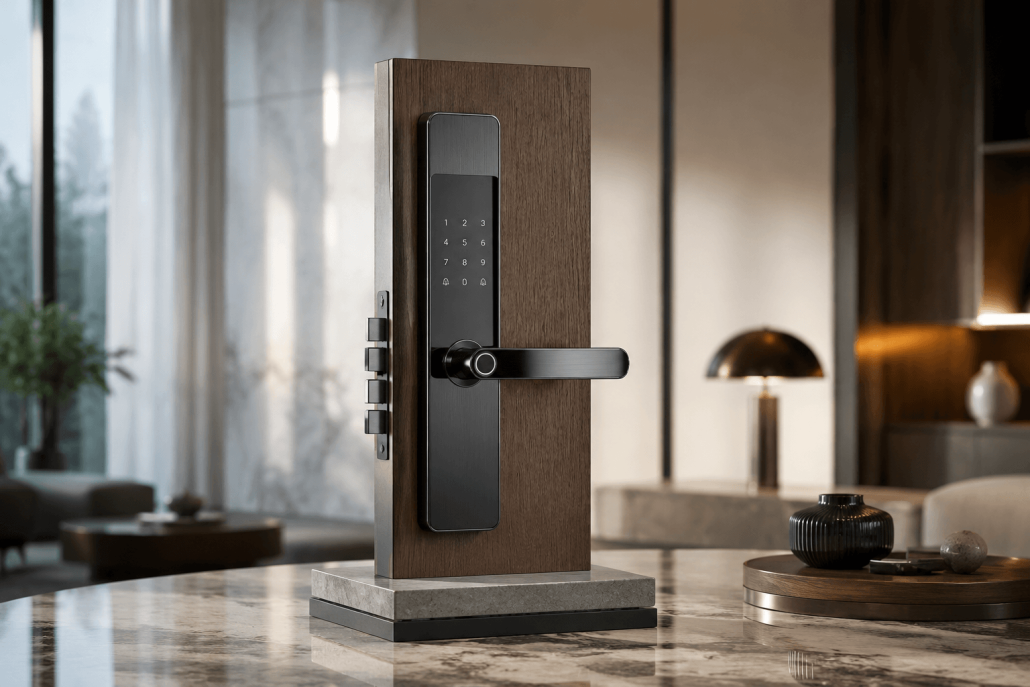
The global smart lock market is experiencing remarkable growth, projected to reach $8.13 billion by 2026 (Fortune Business Insights, 2023). This surge is driven by rising demand for secure, convenient access solutions across residential, rental, and hospitality sectors. Buyers increasingly prioritize features like app integration, biometric authentication, and remote access, making the digital door lock with keypad a preferred choice for modern access control systems.
About Digital Door Lock With Keypad: Smart Lock Market Trends and Growing Demand
For B2B buyers, selecting the right digital door lock with keypad supplier is critical. KEYPLUS offers certified smart lock solutions with TTLock/Tuya integration, OEM/ODM flexibility, and competitive MOQ. Learn more below.
Smart home penetration in developed markets is expected to surpass 60% by 2026 (Statista, 2024). This trend underscores the importance of integrating smart locks into broader home automation systems. Meanwhile, the smart lock market is growing at a CAGR of 18.4%, reflecting the rapid adoption of keyless and electronic locks across commercial and residential applications (MarketsandMarkets, 2023).
In the rental and hospitality sectors, digital locks streamline property management by offering remote access and temporary PINs for guests. For example, TTLock and Tuya smart locks enable seamless app control, making them ideal for apartment and hotel projects. As buyers evaluate suppliers, features like OEM/ODM capabilities and support for certifications such as ANSI/BHMA Grade 1 become critical.
Key Features B2B Buyers Evaluate in a Smart Lock Supplier
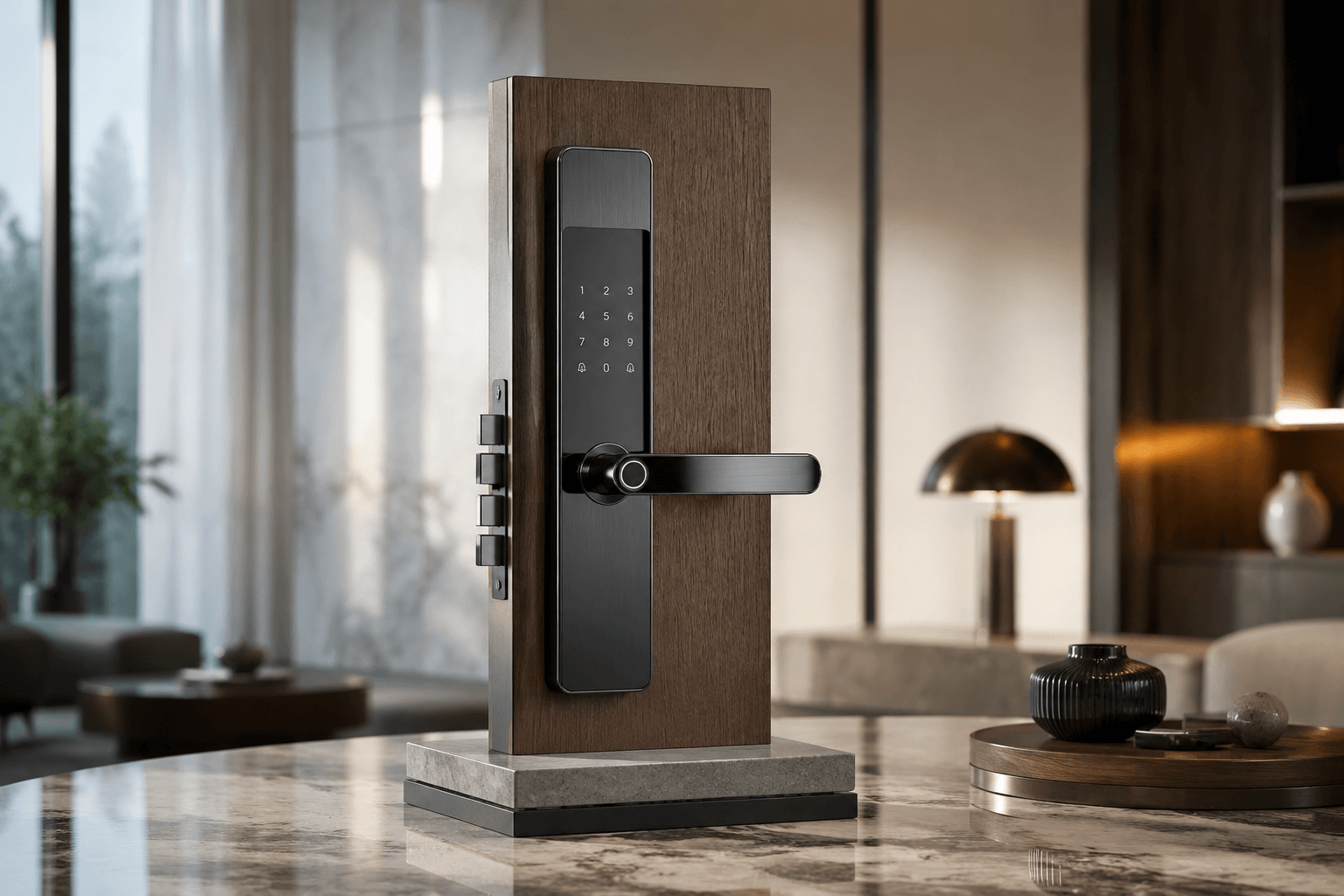
When sourcing smart locks, buyers focus on technical features and supplier reliability. Unlock methods such as fingerprint authentication, RFID cards, and keypad entry cater to diverse user needs. App ecosystems like TTLock and Tuya enhance remote management and integration with smart home platforms.
As John Smith, Security Analyst, states: “App integration and remote access are top priorities for 73% of B2B buyers when choosing smart locks” (McKinsey, 2023). Additionally, certifications like CE, FCC, and RoHS ensure compliance with international standards, while ANSI/BHMA Grade 1 certification is required for 68% of commercial access control projects (BHMA, 2023).
Buyers also consider installation compatibility, product stability, and after-sales support. KEYPLUS, for instance, offers OEM/ODM customization, low MOQs, and reliable lead times, making it a trusted partner for large-scale projects.
Compliance, Standards, and Product Qualification Requirements
Compliance is a critical factor in smart lock procurement. Certifications such as ANSI/BHMA Grade 1 ensure durability and reliability for commercial use. CE, FCC, and RoHS certifications address safety and environmental standards, which are essential for international distribution.
Technical considerations include battery safety, IP ratings for water and dust resistance, and compatibility with various door types. For example, mortise locks and deadbolt smart locks are popular choices for residential and commercial applications. KEYPLUS stands out by offering detailed product documentation and testing to meet diverse project requirements.
Choosing the Right Smart Lock for Residential, Rental, or Hospitality Projects
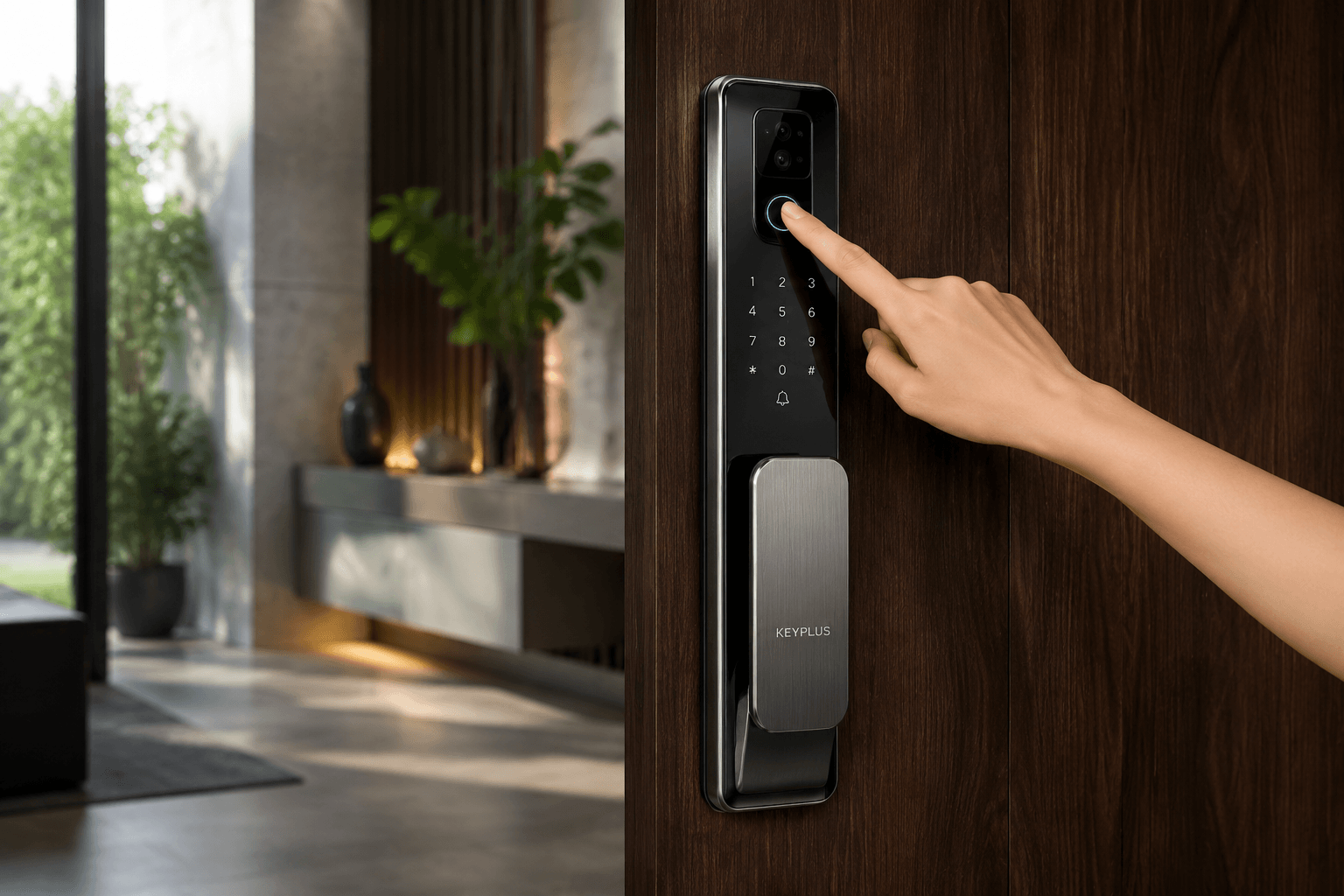
Selecting the ideal smart lock depends on the use case. For residential doors, features like fingerprint authentication and keypad entry provide convenience and security. Rental property managers benefit from app-controlled locks with temporary PINs, enabling flexible guest access.
In hospitality projects, hotel locks with RFID card access and remote management streamline operations. Compatibility with software ecosystems like TTLock and Tuya ensures seamless integration. Buyers should also consider installation efficiency, product stability, and warranty options. KEYPLUS offers tailored solutions for residential, rental, and hospitality scenarios, ensuring reliable performance and support.
Future Outlook for Smart Lock Manufacturing and Strategic Sourcing
As biometric authentication gains traction, technologies like 3D face recognition and palm vein detection are set to revolutionize access control. Cloud-based access management and scenario-based solutions will further enhance smart lock functionality. For distributors and importers, partnering with manufacturers like KEYPLUS reduces project risk and accelerates go-to-market timelines.
Buyers should prioritize suppliers with strong R&D capabilities, certification support, and OEM/ODM flexibility. By aligning with experienced manufacturers, businesses can meet the growing demand for secure, innovative access solutions.
Frequently Asked Questions
What are the disadvantages of keypad door lock?
Keypad door locks may require battery replacements and are vulnerable to wear over time. According to BHMA (2023), durability standards like ANSI/BHMA Grade 1 can mitigate these issues. For buyers, considering locks with backup mechanical keys ensures reliability in case of electronic failure.
What is the best door lock with keypad?
The best keypad door locks offer features like app control, biometric authentication, and ANSI/BHMA certification. As John Smith, Security Analyst, states: “Buyers should prioritize locks with robust software ecosystems and compliance certifications.” TTLock and Tuya-enabled locks are popular options for diverse applications.
What are the disadvantages of digital lock?
Digital locks rely on batteries and may face connectivity issues. CE and FCC certifications ensure product reliability and safety. Buyers should evaluate locks with backup options like mechanical keys and app-based troubleshooting.
What locks do police recommend?
Police recommend locks that meet ANSI/BHMA Grade 1 standards for durability and security. Mortise locks and deadbolt smart locks are preferred for residential and commercial use. Buyers should consider certified locks with high resistance to tampering.
What is the best keyless entry door lock with deadbolt?
The best deadbolt locks combine biometric authentication, keypad entry, and app control. Industry research shows that locks with ANSI/BHMA certification offer superior durability. TTLock and Tuya-enabled deadbolts are ideal for residential and rental applications.
What is the best keyless entry door lock with app?
App-controlled locks provide remote access and user management. Research from McKinsey (2023) highlights that 73% of buyers prioritize app integration. TTLock and Tuya-compatible locks deliver seamless functionality for residential and commercial projects.

