
Biometric Door Locks for Business: A Strategic Guide for Buyers
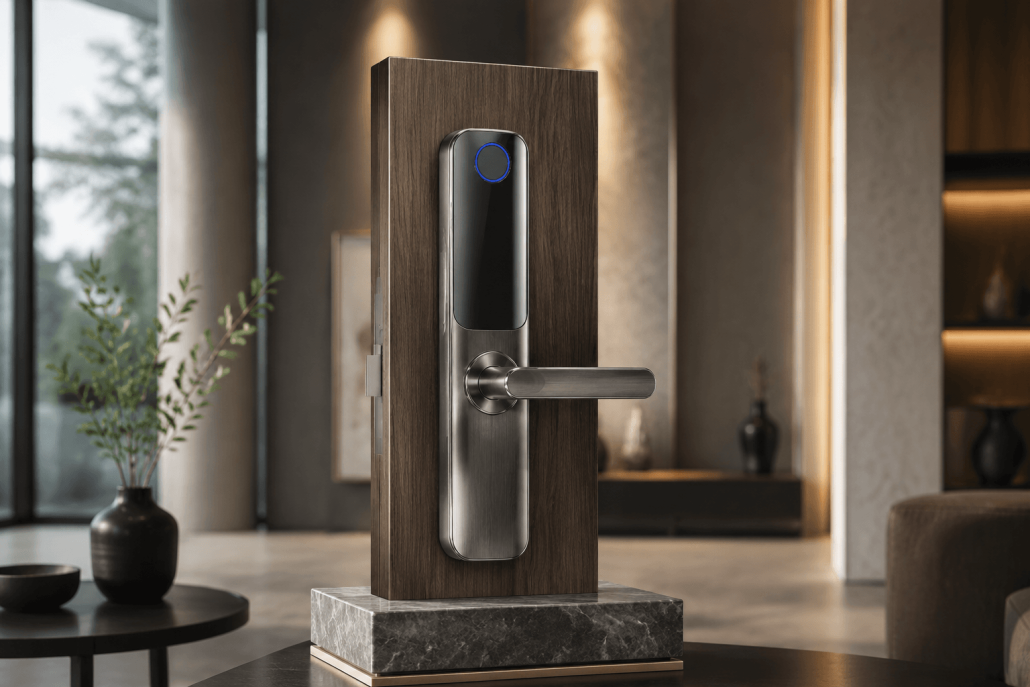
When considering Biometric Door Locks For Business, the global smart lock market is projected to reach $8.13 billion by 2026 (Fortune Business Insights, 2023). As businesses increasingly prioritize security and efficiency, biometric door locks have become a cornerstone of modern access control. These advanced systems offer unparalleled convenience, eliminating the need for traditional keys while enhancing security through fingerprint or facial recognition. For B2B buyers, understanding the strategic advantages of biometric door locks is critical to meeting the evolving demands of commercial spaces.smart lock market is projected to reach $8.13 billion by 2026 (Fortune Business Insights, 2023). As businesses increasingly prioritize security and efficiency, biometric door locks have become a cornerstone of modern access control. These advanced systems offer unparalleled convenience, eliminating the need for traditional keys while enhancing security through fingerprint or facial recognition. For B2B buyers, understanding the strategic advantages of biometric door locks is critical to meeting the evolving demands of commercial spaces.
About Biometric Door Locks For Business: Market Growth and Application Trends in Biometric Door Locks
For B2B buyers, selecting the right biometric door locks for business supplier is critical. KEYPLUS offers certified smart lock solutions with TTLock/Tuya integration, OEM/ODM flexibility, and competitive MOQ. Learn more below.
The adoption of smart locks, including biometric models, is accelerating across industries. Smart home penetration in developed markets is expected to surpass 60% by 2026 (Statista, 2024), and this trend is mirrored in commercial sectors. Offices, hotels, and rental properties are embracing biometric solutions to streamline access control and improve operational efficiency. These locks are particularly popular in high-turnover environments, such as coworking spaces and apartment complexes, where managing physical keys can be cumbersome.
Biometric door locks integrate seamlessly with platforms like TTLock and Tuya, enabling remote management and real-time access monitoring. For example, a property manager can issue time-limited access codes to contractors or tenants, reducing the risk of unauthorized entry. “The demand for app-integrated smart locks is reshaping the security landscape,” says Sarah Lin, Access Control Consultant. “Buyers prioritize flexibility and ease of use when selecting solutions.”
KEYPLUS, a leader in smart lock manufacturing, offers a range of customizable biometric locks designed for diverse applications, from hotel rooms to corporate offices. Their OEM and ODM capabilities ensure tailored solutions that meet specific project requirements.
Key Features B2B Buyers Evaluate in Biometric Door Locks
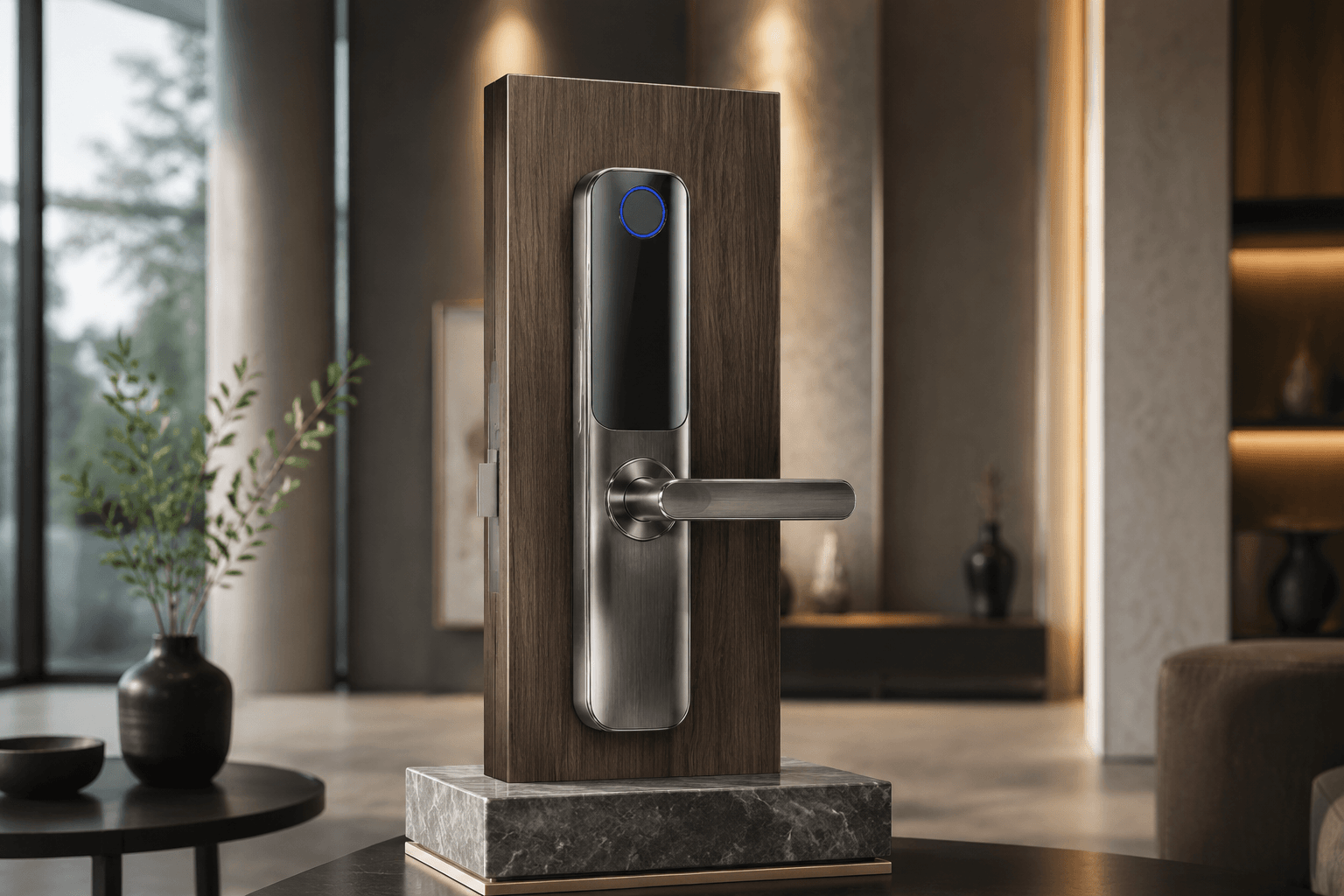
When sourcing biometric door locks, B2B buyers focus on critical features and supplier reliability. According to McKinsey (2023), 73% of buyers prioritize app integration and remote access. This functionality allows businesses to manage access from anywhere, a key advantage for distributed teams and multi-site operations.
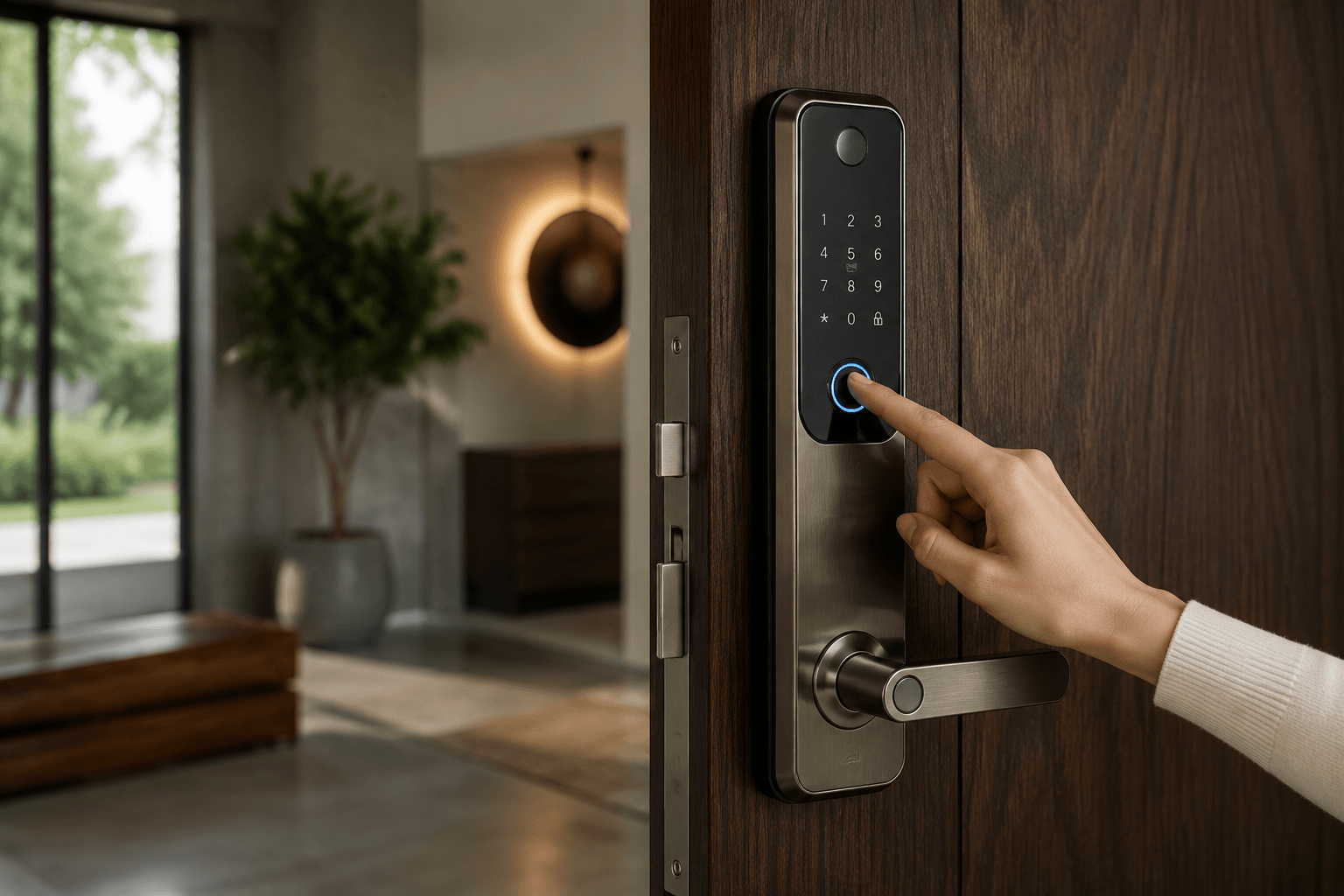
Unlock methods are another vital consideration. Fingerprint recognition, RFID cards, and temporary PIN codes offer versatile access options. Many suppliers, like KEYPLUS, also provide mechanical key backups for added reliability. Additionally, compatibility with existing door types and ease of installation are essential factors. Buyers often seek locks that fit standard mortise or deadbolt configurations to minimize retrofitting costs.
Certifications such as ANSI/BHMA Grade 1, required for 68% of commercial access control projects (BHMA, 2023), are non-negotiable for many buyers. These standards ensure durability and performance, particularly in high-traffic environments. Furthermore, after-sales support, such as warranty coverage and technical assistance, plays a significant role in supplier selection. Reliable support reduces downtime and enhances the overall user experience.
Compliance, Standards, and Technical Considerations
Compliance with international standards is a cornerstone of successful smart lock sourcing. Certifications like CE, FCC, and RoHS are mandatory for importers targeting European and North American markets. These standards guarantee product safety, electromagnetic compatibility, and environmental sustainability.
Battery performance is another critical factor. Most biometric door locks use AA batteries, providing up to 12 months of operation under normal usage. However, low-battery alerts and emergency power options, such as USB ports, are essential for uninterrupted performance. Buyers should also evaluate IP ratings, which indicate resistance to dust and water, especially for outdoor installations.
KEYPLUS emphasizes rigorous testing to ensure compliance with these standards. Their products undergo extensive quality checks, including lifecycle testing and environmental simulations, to meet the demands of commercial applications. By partnering with a supplier that prioritizes compliance, buyers can mitigate risks and ensure smooth project execution.
Choosing the Right Biometric Door Lock for Your Project
Selecting the ideal biometric door lock depends on the specific needs of the project. For hotels, features like RFID card compatibility and integration with property management systems are crucial. Apartment complexes benefit from solutions that support multiple access methods and centralized management. In office settings, audit trails and user management capabilities enhance accountability and security.
Buyers should also consider the lock’s software ecosystem. Platforms like TTLock and Tuya offer robust APIs for customization, enabling seamless integration with existing systems. Additionally, installation requirements, such as door thickness and lock body type, must align with project specifications. “A well-chosen smart lock can reduce return rates and improve tenant satisfaction,” notes James Carter, Property Technology Specialist.
KEYPLUS offers flexible OEM/ODM solutions, catering to diverse scenarios. With low minimum order quantities and competitive lead times, they are an ideal partner for distributors and project buyers alike.
Sourcing Strategies and Future Trends in Biometric Door Locks
As the smart lock market grows at a CAGR of 18.4% (MarketsandMarkets, 2023), staying ahead of trends is vital for importers and distributors. Emerging technologies, such as 3D face recognition and palm vein scanning, are set to redefine access control. Cloud-based management systems and AI-driven analytics will further enhance security and operational efficiency.
For businesses sourcing biometric door locks, partnering with experienced manufacturers like KEYPLUS offers a strategic advantage. Their commitment to innovation, quality, and compliance ensures long-term value. By leveraging these partnerships, buyers can reduce project risks and accelerate time-to-market.
Frequently Asked Questions
Are fingerprint door locks worth it?
Yes, fingerprint door locks offer unmatched convenience and security. According to MarketsandMarkets (2023), the smart lock market is growing at a CAGR of 18.4%, driven by the demand for biometric solutions. These locks eliminate key management hassles and provide quick, reliable access. For businesses, they enhance operational efficiency and reduce unauthorized entry risks.
What is a keyless entry system for commercial buildings?
A keyless entry system allows access without traditional keys. It uses methods like fingerprints, RFID cards, or PIN codes. According to McKinsey (2023), 73% of buyers prioritize remote access and app integration, making keyless systems ideal for modern businesses. These systems also support centralized management, enhancing security and convenience.
What are the disadvantages of fingerprint locks?
Fingerprint locks may face challenges like sensor malfunctions or difficulty reading wet or dirty fingers. However, advanced models, such as those from KEYPLUS, include backup access methods like PIN codes or mechanical keys. Regular maintenance and ensuring proper installation can mitigate these issues.
What are the disadvantages of smart door locks?
Smart door locks rely on batteries and may require regular replacements. Additionally, cybersecurity risks exist if the device or app is not properly secured. Choosing a certified supplier, such as KEYPLUS, ensures robust security protocols and reliable performance. CE, FCC, and RoHS certifications further guarantee product quality.
Which is the best company for biometric doors?
The best company depends on project needs. However, KEYPLUS stands out for its OEM/ODM capabilities, compliance focus, and app integration expertise. Their products cater to diverse applications, from hotels to offices, making them a trusted partner for B2B buyers.
What is the cost of biometric fingerprint door locks?
The cost varies by features and certifications. Entry-level models may start at $100, while advanced locks with app integration and multiple access methods can exceed $300. For bulk orders or OEM projects, manufacturers like KEYPLUS offer competitive pricing and customization options.

