
Are there fingerprint door locks?
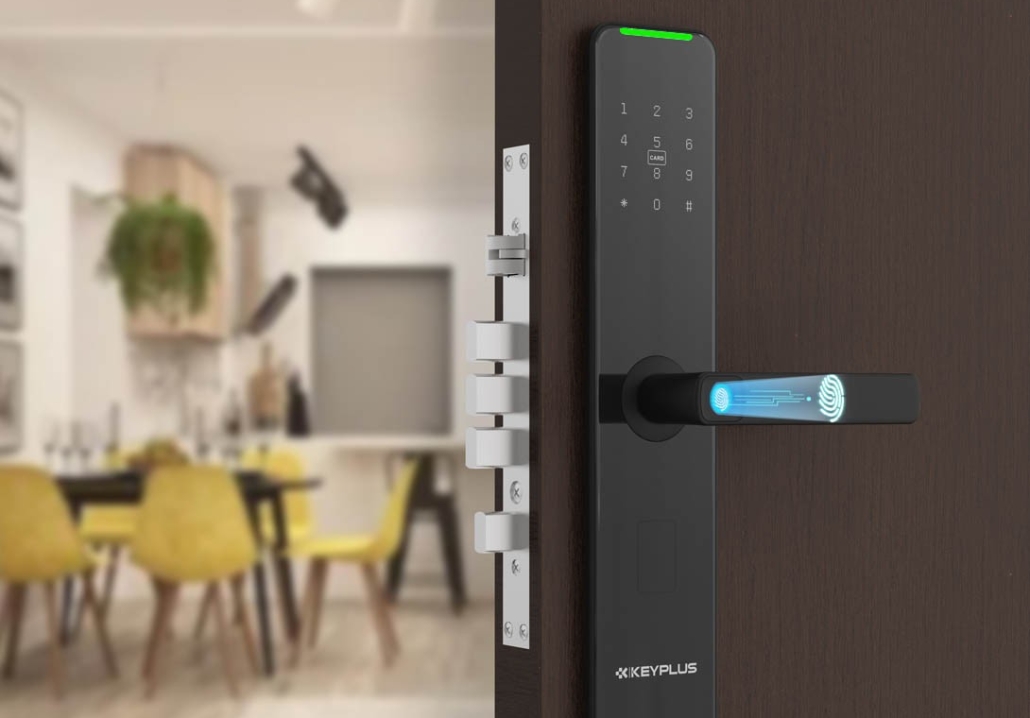
In today’s world, home security is more important than ever. Traditional locks and keys are being replaced by advanced technologies that offer greater convenience and safety. One such innovation is the fingerprint door lock, a smart locking system that uses biometric authentication to grant access.
But are fingerprint door locks really available? How do they work, and are they secure enough for everyday use? This article explores everything you need to know about fingerprint door locks, their benefits, potential drawbacks, and whether they are the right choice for your home or office.
What Is a Fingerprint Door Lock?
A fingerprint door lock is a type of electronic lock that scans and recognizes a person’s fingerprint to allow or deny entry. Unlike traditional locks that require a physical key or combination, fingerprint locks rely on biometric data—unique patterns in a person’s fingerprints—to verify identity.
These locks typically include:
-
A fingerprint scanner (optical, capacitive, or ultrasonic)
-
A database to store authorized fingerprints
-
A mechanical or motorized locking mechanism
-
Optional backup entry methods (PIN codes, RFID cards, or smartphone access)
Fingerprint door locks are commonly used in homes, offices, hotels, and high-security facilities due to their convenience and enhanced security features.
How Do Fingerprint Door Locks Work?
Fingerprint recognition technology has evolved significantly, making these locks highly reliable. Here’s a step-by-step breakdown of how they function:
1. Fingerprint Enrollment
Before using the lock, authorized users must register their fingerprints. The scanner captures the unique ridges and valleys of the fingerprint and stores them as encrypted data.
2. Authentication Process
When someone attempts to unlock the door:
-
The scanner captures their fingerprint.
-
The system compares it with stored data.
-
If there’s a match, the lock disengages.
-
If no match is found, access is denied.
3. Backup Access Methods
Most fingerprint locks include alternative unlocking options in case of scanner failure or if a registered user cannot use their fingerprint (e.g., wet or dirty fingers). Common backup methods include:
-
PIN codes (numeric passwords)
-
RFID keycards or fobs
-
Smartphone Bluetooth or Wi-Fi access
-
Physical keys (for emergencies)
Benefits of Fingerprint Door Locks
1. Enhanced Security
Unlike keys, which can be lost, duplicated, or stolen, fingerprints are unique to each individual. This makes fingerprint locks more resistant to unauthorized access.
2. Convenience
No need to carry keys or remember combinations—just place your finger on the scanner, and the door unlocks. This is especially useful for families, Airbnb hosts, or office managers who need to grant temporary access.
3. No More Lockouts
Forgetting keys is a common problem, but with a fingerprint lock, you’ll always have “your key” with you—your finger!
4. Access Control & Monitoring
Many advanced models allow users to:
-
Track who enters and exits (with timestamps)
-
Add or delete fingerprints remotely
-
Receive notifications for unauthorized attempts
5. Durability & Weather Resistance
High-quality fingerprint locks are designed to withstand harsh weather conditions, making them suitable for both indoor and outdoor use.
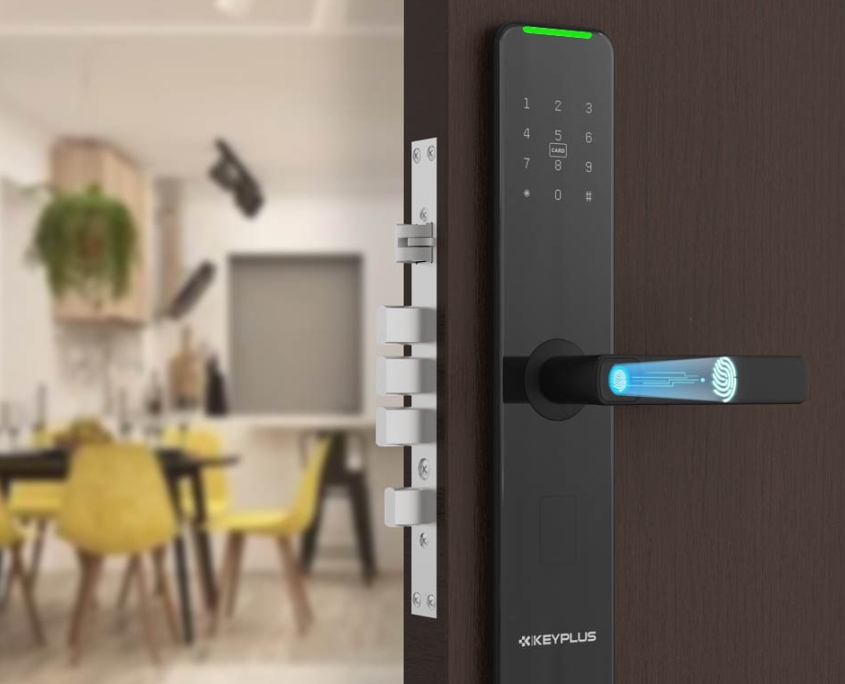
Potential Drawbacks
While fingerprint door locks offer many advantages, they are not without limitations:
1. False Rejections & False Acceptances
-
False rejection: The system may fail to recognize a registered fingerprint due to dirt, moisture, or minor injuries.
-
False acceptance: Rarely, a lock might mistakenly grant access to an unauthorized person (though modern scanners minimize this risk).
2. Power Dependency
Most fingerprint locks require batteries. If the battery dies and there’s no backup key or alternative entry method, you could be locked out.
3. Initial Cost
Fingerprint locks are more expensive than traditional locks, though prices have decreased as the technology becomes more common.
4. Privacy Concerns
Some users worry about biometric data storage. Reputable locks encrypt fingerprint data locally rather than storing it in the cloud, reducing hacking risks.
Are Fingerprint Door Locks Right for You?
Fingerprint door locks are an excellent choice if:
You want a keyless, convenient entry system.
You need better access control (e.g., for rental properties or offices).
You prioritize high-security solutions over traditional locks.
However, they may not be ideal if:
You prefer low-tech, low-maintenance solutions.
You have budget constraints (though long-term benefits may justify the cost).
You live in an area with frequent power outages (unless the lock has a reliable backup).
Conclusion
Fingerprint door locks are not just a futuristic concept—they are readily available, secure, and increasingly popular in modern homes and businesses. By combining biometric accuracy with smart features, they offer a compelling alternative to traditional locks.
While they have some limitations, advancements in technology continue to improve their reliability. If you’re looking for a keyless, high-security entry system, a fingerprint door lock could be the perfect upgrade for your property.
Would you consider switching to a fingerprint lock? Share your thoughts in the comments!
Related Blog
 https://www.keyplusystem.com/wp-content/uploads/2026/10/image-20261010-080119085.png
1024
1536
Wu, Wendy
/wp-content/uploads/2023/05/logo.png
Wu, Wendy2026-10-10 06:01:302026-10-10 06:01:31Driving Hotel Efficiency with Advanced Digital Door Locks: The Ultimate B2B Guide
https://www.keyplusystem.com/wp-content/uploads/2026/10/image-20261010-080119085.png
1024
1536
Wu, Wendy
/wp-content/uploads/2023/05/logo.png
Wu, Wendy2026-10-10 06:01:302026-10-10 06:01:31Driving Hotel Efficiency with Advanced Digital Door Locks: The Ultimate B2B Guide https://www.keyplusystem.com/wp-content/uploads/2026/10/image-20261010-000134148.png
1024
1536
Wu, Wendy
/wp-content/uploads/2023/05/logo.png
Wu, Wendy2026-10-09 22:01:442026-10-09 22:01:46Revolutionizing Hotel Security: RFID Key Cards and AIoT Smart Lock Solutions by KEYPLUS
https://www.keyplusystem.com/wp-content/uploads/2026/10/image-20261010-000134148.png
1024
1536
Wu, Wendy
/wp-content/uploads/2023/05/logo.png
Wu, Wendy2026-10-09 22:01:442026-10-09 22:01:46Revolutionizing Hotel Security: RFID Key Cards and AIoT Smart Lock Solutions by KEYPLUS https://www.keyplusystem.com/wp-content/uploads/2026/10/image-20261009-160126393.png
1024
1536
Wu, Wendy
/wp-content/uploads/2023/05/logo.png
Wu, Wendy2026-10-09 14:01:362026-10-09 14:01:38The Future of Hospitality: Wireless Hotel Lock Systems Powered by KEYPLUS
https://www.keyplusystem.com/wp-content/uploads/2026/10/image-20261009-160126393.png
1024
1536
Wu, Wendy
/wp-content/uploads/2023/05/logo.png
Wu, Wendy2026-10-09 14:01:362026-10-09 14:01:38The Future of Hospitality: Wireless Hotel Lock Systems Powered by KEYPLUS https://www.keyplusystem.com/wp-content/uploads/2026/10/image-20261009-080202455.png
1024
1536
Wu, Wendy
/wp-content/uploads/2023/05/logo.png
Wu, Wendy2026-10-09 06:02:152026-10-09 06:02:17Revolutionizing Hotel Security: The Future of Smart Locks for Hospitality Spaces
https://www.keyplusystem.com/wp-content/uploads/2026/10/image-20261009-080202455.png
1024
1536
Wu, Wendy
/wp-content/uploads/2023/05/logo.png
Wu, Wendy2026-10-09 06:02:152026-10-09 06:02:17Revolutionizing Hotel Security: The Future of Smart Locks for Hospitality Spaces https://www.keyplusystem.com/wp-content/uploads/2026/10/image-20261009-000116876.png
1024
1536
Wu, Wendy
/wp-content/uploads/2023/05/logo.png
Wu, Wendy2026-10-08 22:01:272026-10-08 22:01:29Revolutionizing Hotel Room Security: How Smart Locks Enhance Guest Safety and Operational Efficiency
https://www.keyplusystem.com/wp-content/uploads/2026/10/image-20261009-000116876.png
1024
1536
Wu, Wendy
/wp-content/uploads/2023/05/logo.png
Wu, Wendy2026-10-08 22:01:272026-10-08 22:01:29Revolutionizing Hotel Room Security: How Smart Locks Enhance Guest Safety and Operational Efficiency https://www.keyplusystem.com/wp-content/uploads/2026/10/image-20261008-080144553.png
1024
1536
Wu, Wendy
/wp-content/uploads/2023/05/logo.png
Wu, Wendy2026-10-08 06:01:552026-10-08 06:01:57Why Portable Locks are a Game-Changer for Modern Hotel Room Security
https://www.keyplusystem.com/wp-content/uploads/2026/10/image-20261008-080144553.png
1024
1536
Wu, Wendy
/wp-content/uploads/2023/05/logo.png
Wu, Wendy2026-10-08 06:01:552026-10-08 06:01:57Why Portable Locks are a Game-Changer for Modern Hotel Room Security
