
Are Passcode Locks Safe?
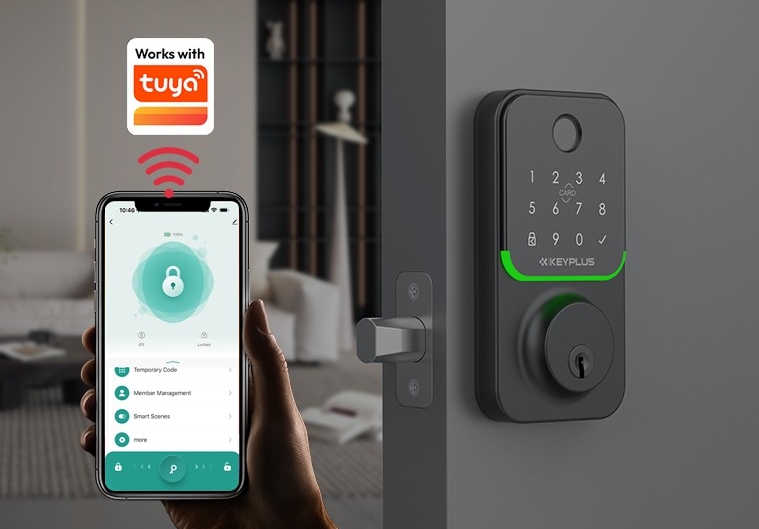
In an era where smart home technology is rapidly evolving, traditional key locks are no longer the only option for securing your property. Passcode locks—electronic locks that require a numeric code instead of a physical key—have become increasingly popular in American homes.
But are they truly safe? Can a passcode lock provide the same level of security as a traditional deadbolt, or does it introduce new risks? This guide explores the safety of passcode locks, how they work, their advantages and vulnerabilities, and whether they’re the right choice for your home.
What Is a Passcode Lock?
A passcode lock (also called a keypad lock or digital door lock) is an electronic locking system that grants access when the correct numeric code is entered. Unlike traditional locks, these do not require a physical key—instead, users memorize or store a PIN (Personal Identification Number) to unlock the door.
Types of Passcode Locks
-
Basic Keypad Locks – Simple numeric entry with no additional features.
-
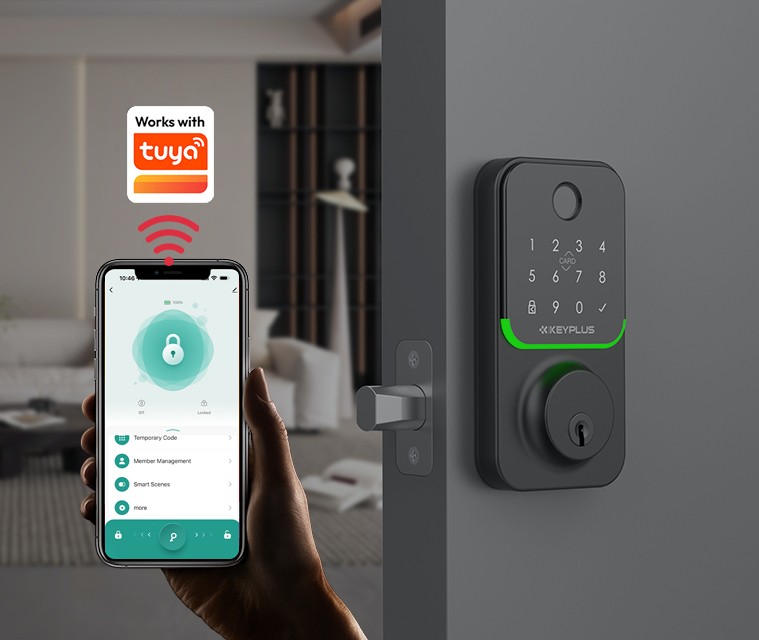
Smart Keypad Locks – Can connect to Wi-Fi or Bluetooth for remote access and monitoring.
-
Hybrid Locks – Allow both passcode and traditional key entry as a backup.
How Do Passcode Locks Work?
Passcode locks use an electronic mechanism that disengages the bolt when the correct code is entered. Here’s how they function:
-
Code Setup – The owner programs one or more access codes into the lock.
-
Authentication – When a user enters a code, the system verifies it against stored data.
-
Access Granted/Denied – If correct, the lock opens; if incorrect, entry is blocked.
-
Optional Features – Some models allow temporary codes, auto-locking, and entry logs.
Are Passcode Locks Safe? Pros & Cons
Advantages of Passcode Locks
1. No Physical Keys Needed
-
Eliminates the risk of lost, stolen, or duplicated keys.
-
Great for Airbnb hosts, rental properties, or offices where multiple people need access.
2. Customizable Access
-
You can assign unique codes to family members, guests, or service workers.
-
Temporary codes can be set for visitors and later deleted.
3. No More Lockouts
-
Forgetful homeowners won’t get locked out—just remember the code!
4. Enhanced Security Features
-
Some models have anti-tamper alarms that trigger after too many wrong attempts.
-
Auto-locking ensures the door is never accidentally left unlocked.
5. Integration with Smart Home Systems
-
Many passcode locks work with home automation (e.g., lights, alarms, cameras).
Potential Security Risks
1. Code Guessing & Shoulder Surfing
-
If someone watches you enter the code (“shoulder surfing”), they can steal it.
-
Simple codes (e.g., “1234” or “0000”) are easy to guess.
2. Wear & Tear on Keypads
-
Over time, frequently pressed buttons may show fingerprint smudges, making the code easier to guess.
3. Power & Technical Failures
-
Battery-dependent locks can fail if the battery dies (though most give low-battery warnings).
-
Hacking risks exist for Wi-Fi/Bluetooth-enabled locks (though rare).
4. No Physical Backup (In Some Models)
-
Some passcode locks do not have a key override, which could be problematic in emergencies.
How to Make Passcode Locks More Secure
If you decide to install a passcode lock, follow these best practices to maximize security:
1. Use a Strong, Unique Code
-
Avoid obvious sequences like “1234” or your birth year.
-
Opt for 6-8 digits instead of the standard 4-digit code.
2. Change Codes Regularly
-
If you’ve given out temporary codes (e.g., to cleaners or contractors), delete them afterward.
3. Choose a Lock with Anti-Tamper Features
-
Look for models that lock out after multiple incorrect attempts or trigger an alarm.
4. Keep the Keypad Clean
-
Wipe the buttons regularly to prevent fingerprint smudge patterns.
5. Have a Backup Entry Method
-
Ensure your lock has a physical key override or a secondary access method (e.g., smartphone unlock).
Passcode Locks vs. Traditional Locks: Which Is Safer?
| Feature | Passcode Lock | Traditional Lock |
|---|---|---|
| Key Management | No keys needed | Risk of lost/stolen keys |
| Access Control | Multiple codes possible | Only key holders can enter |
| Lockout Risk | Only if code is forgotten | If key is lost |
| Tamper Resistance | Vulnerable to code guessing | Vulnerable to lock picking |
| Power Dependency | Needs batteries | No power required |
Verdict: Passcode locks offer greater convenience and access control, but traditional locks are more reliable in power outages. For maximum security, some homeowners use a hybrid system (passcode + key backup).
Are Passcode Locks Right for You?
Ideal For:
-
Families (kids don’t need to carry keys).
-
Rental properties (easy to change codes between tenants).
-
Frequent travelers (no risk of losing keys).
-
Smart home enthusiasts (integration with security systems).
May Not Be Best For:
-
People who prefer low-tech solutions.
-
Areas with frequent power outages (unless battery backup is strong).
-
High-crime neighborhoods (if the lock lacks anti-tamper features).
Final Verdict: Are Passcode Locks Safe?
Yes—if used correctly. While no lock is 100% foolproof, passcode locks provide strong security when combined with smart habits (strong codes, regular updates, and anti-tamper features). They are more convenient than traditional locks and reduce the risk of unauthorized key duplication.
For optimal safety, consider a hybrid lock (passcode + key backup) or a smart lock with encryption to prevent hacking.
Would You Use a Passcode Lock?
What’s your experience with electronic locks? Share your thoughts in the comments!
Related Blog
 https://www.keyplusystem.com/wp-content/uploads/2026/10/image-20261010-080119085.png
1024
1536
Wu, Wendy
/wp-content/uploads/2023/05/logo.png
Wu, Wendy2026-10-10 06:01:302026-10-10 06:01:31Driving Hotel Efficiency with Advanced Digital Door Locks: The Ultimate B2B Guide
https://www.keyplusystem.com/wp-content/uploads/2026/10/image-20261010-080119085.png
1024
1536
Wu, Wendy
/wp-content/uploads/2023/05/logo.png
Wu, Wendy2026-10-10 06:01:302026-10-10 06:01:31Driving Hotel Efficiency with Advanced Digital Door Locks: The Ultimate B2B Guide https://www.keyplusystem.com/wp-content/uploads/2026/10/image-20261010-000134148.png
1024
1536
Wu, Wendy
/wp-content/uploads/2023/05/logo.png
Wu, Wendy2026-10-09 22:01:442026-10-09 22:01:46Revolutionizing Hotel Security: RFID Key Cards and AIoT Smart Lock Solutions by KEYPLUS
https://www.keyplusystem.com/wp-content/uploads/2026/10/image-20261010-000134148.png
1024
1536
Wu, Wendy
/wp-content/uploads/2023/05/logo.png
Wu, Wendy2026-10-09 22:01:442026-10-09 22:01:46Revolutionizing Hotel Security: RFID Key Cards and AIoT Smart Lock Solutions by KEYPLUS https://www.keyplusystem.com/wp-content/uploads/2026/10/image-20261009-160126393.png
1024
1536
Wu, Wendy
/wp-content/uploads/2023/05/logo.png
Wu, Wendy2026-10-09 14:01:362026-10-09 14:01:38The Future of Hospitality: Wireless Hotel Lock Systems Powered by KEYPLUS
https://www.keyplusystem.com/wp-content/uploads/2026/10/image-20261009-160126393.png
1024
1536
Wu, Wendy
/wp-content/uploads/2023/05/logo.png
Wu, Wendy2026-10-09 14:01:362026-10-09 14:01:38The Future of Hospitality: Wireless Hotel Lock Systems Powered by KEYPLUS https://www.keyplusystem.com/wp-content/uploads/2026/10/image-20261009-080202455.png
1024
1536
Wu, Wendy
/wp-content/uploads/2023/05/logo.png
Wu, Wendy2026-10-09 06:02:152026-10-09 06:02:17Revolutionizing Hotel Security: The Future of Smart Locks for Hospitality Spaces
https://www.keyplusystem.com/wp-content/uploads/2026/10/image-20261009-080202455.png
1024
1536
Wu, Wendy
/wp-content/uploads/2023/05/logo.png
Wu, Wendy2026-10-09 06:02:152026-10-09 06:02:17Revolutionizing Hotel Security: The Future of Smart Locks for Hospitality Spaces https://www.keyplusystem.com/wp-content/uploads/2026/10/image-20261009-000116876.png
1024
1536
Wu, Wendy
/wp-content/uploads/2023/05/logo.png
Wu, Wendy2026-10-08 22:01:272026-10-08 22:01:29Revolutionizing Hotel Room Security: How Smart Locks Enhance Guest Safety and Operational Efficiency
https://www.keyplusystem.com/wp-content/uploads/2026/10/image-20261009-000116876.png
1024
1536
Wu, Wendy
/wp-content/uploads/2023/05/logo.png
Wu, Wendy2026-10-08 22:01:272026-10-08 22:01:29Revolutionizing Hotel Room Security: How Smart Locks Enhance Guest Safety and Operational Efficiency https://www.keyplusystem.com/wp-content/uploads/2026/10/image-20261008-080144553.png
1024
1536
Wu, Wendy
/wp-content/uploads/2023/05/logo.png
Wu, Wendy2026-10-08 06:01:552026-10-08 06:01:57Why Portable Locks are a Game-Changer for Modern Hotel Room Security
https://www.keyplusystem.com/wp-content/uploads/2026/10/image-20261008-080144553.png
1024
1536
Wu, Wendy
/wp-content/uploads/2023/05/logo.png
Wu, Wendy2026-10-08 06:01:552026-10-08 06:01:57Why Portable Locks are a Game-Changer for Modern Hotel Room Security
