
Are Digital Hotel Keys Safe? What You Need to Know Before Your Next Stay
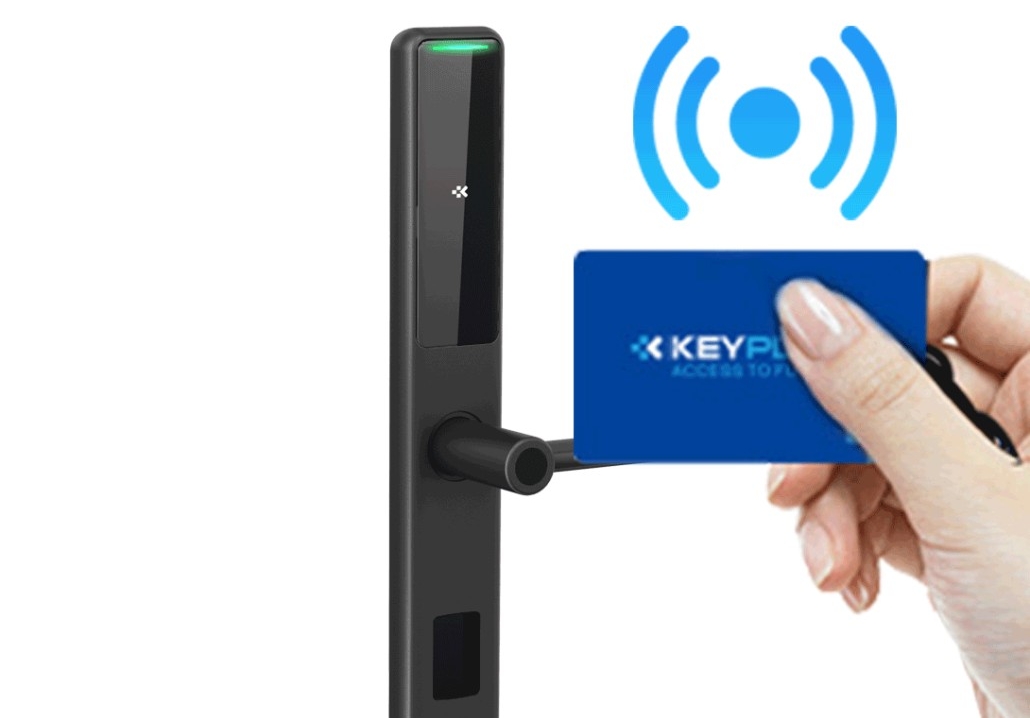
You check into a hotel, and instead of a plastic key card, the front desk says: “We’ve sent a digital key to your phone!” Sounds convenient—but is it safe?
Digital hotel keys (like those from Marriott, Hilton, and Hyatt) are becoming the norm, replacing traditional key cards. They promise faster check-ins, no lost keys, and touchless entry—but they also raise security questions.
- Can hackers break into your phone and steal your room key?
- What if your phone dies—are you locked out?
- Are digital keys safer than plastic cards, or just a tech gimmick?
In this article, we’ll break down:
How digital hotel keys work
Security risks & hacking concerns
How hotels protect your digital key
What you can do to stay safe
By the end, you’ll know whether to embrace the convenience or stick to old-school keys on your next trip.
How Do Digital Hotel Keys Work?
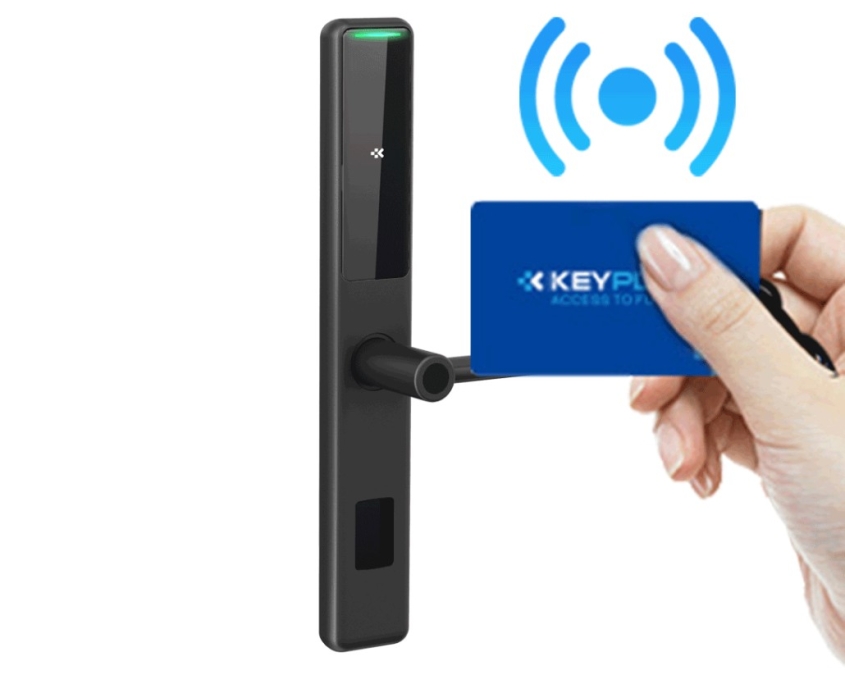
Digital keys use Bluetooth or NFC (Near Field Communication) to unlock your hotel room door via:
- The hotel’s app (e.g., Marriott Bonvoy, Hilton Honors)
- Apple Wallet or Google Wallet (for some chains)
- A text message link (less common)
The Process:
- Check-in online (before arrival or at the front desk).
- Receive a digital key (sent to your phone via the app).
- Hold your phone near the door lock (like Apple Pay) to enter.
No front desk visit required—great for late arrivals or avoiding lines.
Are Digital Hotel Keys Safe? The Pros & Cons
Advantages (Why They’re More Secure Than Key Cards)
No risk of losing or demagnetizing a plastic card (a major issue with traditional keys).
Encrypted access—digital keys use one-time codes or dynamic encryption, making them harder to copy than magnetic stripe cards.
Remote deactivation—if you lose your phone, the hotel can instantly revoke access (unlike a missing key card, which could still work until checkout).
No card skimming risk—hackers can’t clone a digital key like they can with RFID card scams.
Potential Risks (Where Problems Could Happen)
Phone hacking—if someone gets into your unlocked device, they could access your room.
Dead phone = locked out (unless you have a backup key or visit the front desk).
Wi-Fi/Bluetooth vulnerabilities—some systems have been hacked in the past (e.g., researchers found flaws in Saflok’s RFID system in 2024).
Hotel security flaws—if the hotel’s software is outdated, hackers could breach multiple rooms.
Can Digital Hotel Keys Be Hacked? (Real-World Cases)
While digital keys are generally secure, no system is 100% foolproof:
1. Bluetooth Relay Attacks (The “Long-Range Hacking” Risk)
- In 2023, researchers showed how thieves could extend a phone’s Bluetooth signal to trick a door into unlocking—without the owner being nearby.
- Fix: Hotels now use distance verification (the phone must be very close to the lock).
2. App Vulnerabilities (If the Hotel’s Software Is Weak)
- In 2022, a bug in a major hotel chain’s app allowed hackers to steal digital keys via phishing scams.
- Fix: Major brands now use multi-factor authentication (MFA) before issuing keys.
3. Phone Theft (If Your Device Isn’t Password-Protected)
- If a thief steals your unlocked phone, they could open your room.
- Fix: Always use Face ID, fingerprint, or a strong PIN.
How Hotels Protect Your Digital Key
Reputable chains use multiple layers of security, including:
- End-to-end encryption (like banks use).
- Auto-expiring keys (your access ends at checkout).
- Real-time monitoring (unusual access attempts trigger alerts).
Example: Marriott’s digital keys use Apple’s Secure Element, the same tech that protects Apple Pay.
How to Use Digital Hotel Keys Safely
To minimize risks, follow these tips:
- Use the official hotel app (not third-party booking apps).
- Enable biometric locks (Face ID/fingerprint) on your phone.
- Keep Bluetooth/NFC off when not in use (prevents signal hijacking).
- Have a backup plan (carry a physical key card or know the front desk’s hours).
- Report lost phones immediately (so the hotel can deactivate your key).
The Verdict: Are Digital Keys Safe Enough to Use?
Yes—with precautions. Major hotel chains have strong security, and digital keys are often safer than plastic cards. However:
- If you’re tech-savvy and protect your phone, they’re a convenient, secure option.
- If you’re worried about hacking or phone issues, request a traditional key card as a backup.
Would You Trust a Digital Hotel Key?
- Have you used one before?
- Did it work smoothly, or did you run into issues?
Related Blog
 https://www.keyplusystem.com/wp-content/uploads/2026/06/image-20260630-085513.png
1024
1536
Wu, Wendy
/wp-content/uploads/2023/05/logo.png
Wu, Wendy2026-06-30 06:55:242026-06-30 06:55:26How Hotel Smart Locks Are Transforming Hospitality: A Comprehensive B2B Guide
https://www.keyplusystem.com/wp-content/uploads/2026/06/image-20260630-085513.png
1024
1536
Wu, Wendy
/wp-content/uploads/2023/05/logo.png
Wu, Wendy2026-06-30 06:55:242026-06-30 06:55:26How Hotel Smart Locks Are Transforming Hospitality: A Comprehensive B2B Guide https://www.keyplusystem.com/wp-content/uploads/2026/06/image-20260630-045651.png
1024
1536
Wu, Wendy
/wp-content/uploads/2023/05/logo.png
Wu, Wendy2026-06-30 02:57:022026-06-30 06:30:57Smart Wi-Fi Locks Redefined: KEYPLUS Solutions for Modern Enterprises
https://www.keyplusystem.com/wp-content/uploads/2026/06/image-20260630-045651.png
1024
1536
Wu, Wendy
/wp-content/uploads/2023/05/logo.png
Wu, Wendy2026-06-30 02:57:022026-06-30 06:30:57Smart Wi-Fi Locks Redefined: KEYPLUS Solutions for Modern Enterprises https://www.keyplusystem.com/wp-content/uploads/2026/06/image-20260630-032502.png
1024
1536
Wu, Wendy
/wp-content/uploads/2023/05/logo.png
Wu, Wendy2026-06-30 01:25:162026-06-30 05:50:57Smart Wi-Fi Locks: Integrating Advanced Access Control with Edge Computing Solutions
https://www.keyplusystem.com/wp-content/uploads/2026/06/image-20260630-032502.png
1024
1536
Wu, Wendy
/wp-content/uploads/2023/05/logo.png
Wu, Wendy2026-06-30 01:25:162026-06-30 05:50:57Smart Wi-Fi Locks: Integrating Advanced Access Control with Edge Computing Solutions https://www.keyplusystem.com/wp-content/uploads/2026/06/image-20260626-050047-1.png
1024
1536
Wu, Wendy
/wp-content/uploads/2023/05/logo.png
Wu, Wendy2026-06-26 09:54:342026-06-30 05:57:47Why B2B Smart Lock Solutions Are Redefining Access Control in 2026
https://www.keyplusystem.com/wp-content/uploads/2026/06/image-20260626-050047-1.png
1024
1536
Wu, Wendy
/wp-content/uploads/2023/05/logo.png
Wu, Wendy2026-06-26 09:54:342026-06-30 05:57:47Why B2B Smart Lock Solutions Are Redefining Access Control in 2026 https://www.keyplusystem.com/wp-content/uploads/2026/05/image-20260530-120210-1.png
1024
1536
Wu, Wendy
/wp-content/uploads/2023/05/logo.png
Wu, Wendy2026-05-30 04:02:212026-05-30 04:02:23Most Secure Smart Lock Trends for B2B Buyers | KEYPLUS
https://www.keyplusystem.com/wp-content/uploads/2026/05/image-20260530-120210-1.png
1024
1536
Wu, Wendy
/wp-content/uploads/2023/05/logo.png
Wu, Wendy2026-05-30 04:02:212026-05-30 04:02:23Most Secure Smart Lock Trends for B2B Buyers | KEYPLUS https://www.keyplusystem.com/wp-content/uploads/2026/05/image-20260530-060323.png
1024
1536
Wu, Wendy
/wp-content/uploads/2023/05/logo.png
Wu, Wendy2026-05-29 22:03:352026-05-29 22:03:37WiFi Door Knob Market Trends for 2024 Buyers
https://www.keyplusystem.com/wp-content/uploads/2026/05/image-20260530-060323.png
1024
1536
Wu, Wendy
/wp-content/uploads/2023/05/logo.png
Wu, Wendy2026-05-29 22:03:352026-05-29 22:03:37WiFi Door Knob Market Trends for 2024 Buyers
