
How Does a Wi-Fi Door Lock Work?
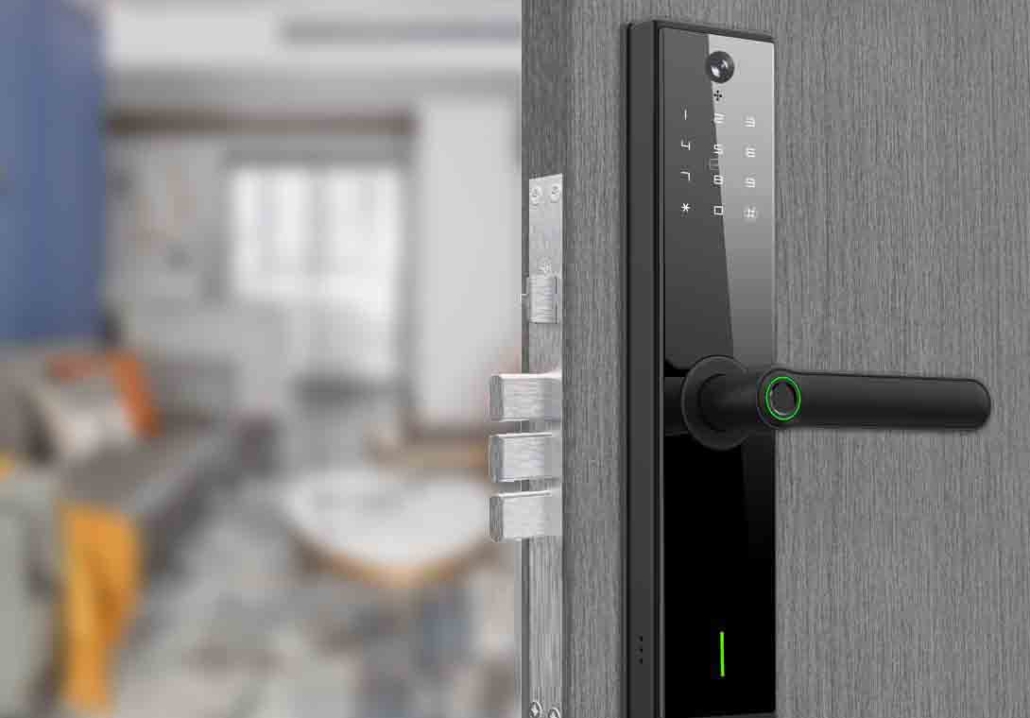
In today’s smart home era, Wi-Fi door locks have become a popular choice for Americans looking to enhance security and convenience. These high-tech locks allow you to control access to your home remotely using a smartphone, voice commands, or even fingerprint recognition. But how exactly do they work?
This article will break down the technology behind Wi-Fi door locks, their key features, installation process, and why they might be the perfect upgrade for your home.
1. What Is a Wi-Fi Door Lock?
A Wi-Fi door lock is an electronic locking system that connects to your home’s Wi-Fi network, enabling remote access and control. Unlike traditional deadbolts, these smart locks let you:
- Lock and unlock your door from anywhere using a smartphone app.
- Grant temporary access to guests, cleaners, or delivery personnel.
- Receive real-time notifications when someone enters or exits.
- Integrate with smart home systems like Amazon Alexa, Google Assistant, or Ttlock.
2. How Does a Wi-Fi Door Lock Work?
A. Wireless Connectivity (Wi-Fi vs. Bluetooth)
Most smart locks use either Wi-Fi or Bluetooth to communicate with your devices:
- Wi-Fi-enabled locks connect directly to your home network, allowing remote access from anywhere.
- Bluetooth-enabled locks require you to be nearby (usually within 30 feet) to operate them.
Some models, like the August Wi-Fi Smart Lock, combine both technologies for flexibility.
B. Smartphone App Control
Once installed, you can control the lock via a dedicated app (e.g., August App, Schlage Home, or Yale Access). The app lets you:
- Lock/unlock the door remotely.
- Create and manage unique access codes for family members or guests.
- Check the lock’s status (whether it’s locked or unlocked).
C. Keyless Entry Options
Wi-Fi door locks offer multiple ways to unlock your door:
- PIN Codes – Enter a custom code on a keypad.
- Fingerprint Scanning – Some models (like Ultraloq) use biometrics.
- Smartphone Auto-Unlock – The lock detects your phone’s proximity and unlocks automatically.
- Voice Commands – Works with Alexa, Google Assistant, or Siri.
- Traditional Keys – Most smart locks still include a backup keyhole.
D. Remote Access & Alerts
Since the lock connects to Wi-Fi, you can:
- Check if you forgot to lock the door while at work.
- Let in a guest remotely by sending a temporary code.
- Get alerts if someone tries to tamper with the lock.
E. Smart Home Integration
Many Wi-Fi locks work with:
- Amazon Alexa – “Alexa, lock the front door.”
- Google Assistant – “Hey Google, is the back door locked?”
- Apple HomeKit – Control via the Home app on iPhone.
- Smart Security Systems – Like Ring, Nest, or ADT.
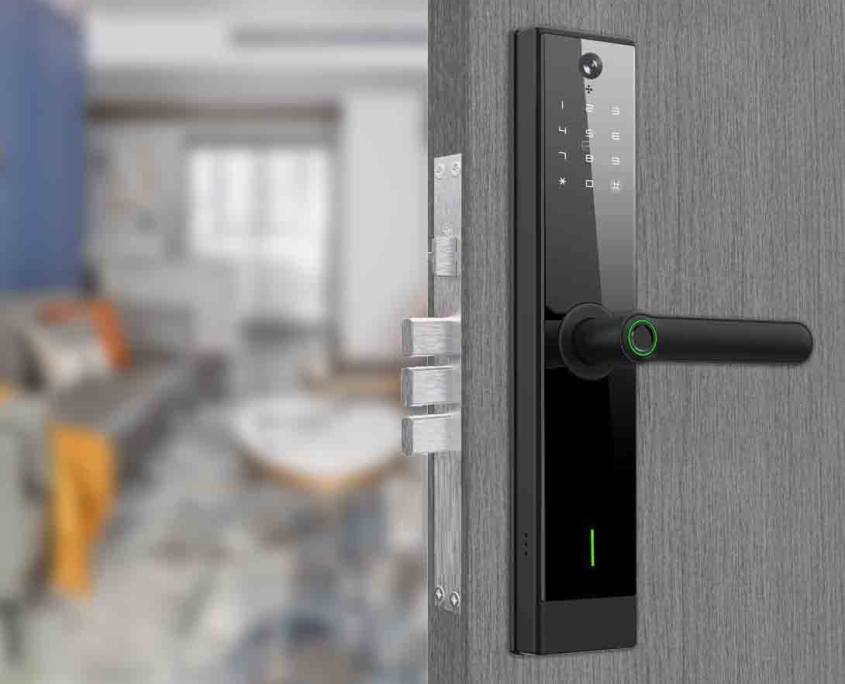
3. Installation: Is It Easy to Set Up?
Most Wi-Fi door locks are designed for DIY installation and fit standard U.S. door prep (2-1/8” bore hole, 1” cross bore). Here’s how it typically works:
- Remove the old deadbolt and measure your door.
- Install the new lock according to the manual.
- Connect to Wi-Fi via the app.
4. Security: Are Wi-Fi Locks Safe?
A common concern is whether Wi-Fi locks are hack-proof. Reputable brands use:
- AES 128-bit or 256-bit encryption (same as banks).
- Two-factor authentication (2FA) for app access.
- Tamper alerts if someone tries to force entry.
However, like any connected device, strong passwords and regular firmware updates are essential.
5. Pros & Cons of Wi-Fi Door Locks
Pros:
No more lost keys – Use your phone or a code instead.
Remote access – Let in a dog walker or repairman while you’re away.
Enhanced security – Receive alerts for unauthorized entry attempts.
Smart home compatibility – Works with Alexa, Google, and more.
6. Best Wi-Fi Door Locks for American Homes (2025)
Here are some top-rated models:
Keyplus T3V one-touch fingerprint cat-eye video intercom smart lock – Wi-Fi remote video intercom, TTlock system, smart home linkage.
7. Conclusion: Is a Wi-Fi Door Lock Right for You?
If you want keyless convenience, remote access, and better home security, a Wi-Fi door lock is a smart investment. They’re especially useful for:
- Frequent travelers who need to grant temporary access.
- Busy parents who want to check if kids got home safely.
- Tech-savvy homeowners who love smart home automation.
With easy installation and strong security features, Wi-Fi door locks are becoming a must-have in modern American homes.
Would you install one? Let us know in the comments!
Related Blog
 https://www.keyplusystem.com/wp-content/uploads/2026/10/image-20261010-080119085.png
1024
1536
Wu, Wendy
/wp-content/uploads/2023/05/logo.png
Wu, Wendy2026-10-10 06:01:302026-10-10 06:01:31Driving Hotel Efficiency with Advanced Digital Door Locks: The Ultimate B2B Guide
https://www.keyplusystem.com/wp-content/uploads/2026/10/image-20261010-080119085.png
1024
1536
Wu, Wendy
/wp-content/uploads/2023/05/logo.png
Wu, Wendy2026-10-10 06:01:302026-10-10 06:01:31Driving Hotel Efficiency with Advanced Digital Door Locks: The Ultimate B2B Guide https://www.keyplusystem.com/wp-content/uploads/2026/10/image-20261010-000134148.png
1024
1536
Wu, Wendy
/wp-content/uploads/2023/05/logo.png
Wu, Wendy2026-10-09 22:01:442026-10-09 22:01:46Revolutionizing Hotel Security: RFID Key Cards and AIoT Smart Lock Solutions by KEYPLUS
https://www.keyplusystem.com/wp-content/uploads/2026/10/image-20261010-000134148.png
1024
1536
Wu, Wendy
/wp-content/uploads/2023/05/logo.png
Wu, Wendy2026-10-09 22:01:442026-10-09 22:01:46Revolutionizing Hotel Security: RFID Key Cards and AIoT Smart Lock Solutions by KEYPLUS https://www.keyplusystem.com/wp-content/uploads/2026/10/image-20261009-160126393.png
1024
1536
Wu, Wendy
/wp-content/uploads/2023/05/logo.png
Wu, Wendy2026-10-09 14:01:362026-10-09 14:01:38The Future of Hospitality: Wireless Hotel Lock Systems Powered by KEYPLUS
https://www.keyplusystem.com/wp-content/uploads/2026/10/image-20261009-160126393.png
1024
1536
Wu, Wendy
/wp-content/uploads/2023/05/logo.png
Wu, Wendy2026-10-09 14:01:362026-10-09 14:01:38The Future of Hospitality: Wireless Hotel Lock Systems Powered by KEYPLUS https://www.keyplusystem.com/wp-content/uploads/2026/10/image-20261009-080202455.png
1024
1536
Wu, Wendy
/wp-content/uploads/2023/05/logo.png
Wu, Wendy2026-10-09 06:02:152026-10-09 06:02:17Revolutionizing Hotel Security: The Future of Smart Locks for Hospitality Spaces
https://www.keyplusystem.com/wp-content/uploads/2026/10/image-20261009-080202455.png
1024
1536
Wu, Wendy
/wp-content/uploads/2023/05/logo.png
Wu, Wendy2026-10-09 06:02:152026-10-09 06:02:17Revolutionizing Hotel Security: The Future of Smart Locks for Hospitality Spaces https://www.keyplusystem.com/wp-content/uploads/2026/10/image-20261009-000116876.png
1024
1536
Wu, Wendy
/wp-content/uploads/2023/05/logo.png
Wu, Wendy2026-10-08 22:01:272026-10-08 22:01:29Revolutionizing Hotel Room Security: How Smart Locks Enhance Guest Safety and Operational Efficiency
https://www.keyplusystem.com/wp-content/uploads/2026/10/image-20261009-000116876.png
1024
1536
Wu, Wendy
/wp-content/uploads/2023/05/logo.png
Wu, Wendy2026-10-08 22:01:272026-10-08 22:01:29Revolutionizing Hotel Room Security: How Smart Locks Enhance Guest Safety and Operational Efficiency https://www.keyplusystem.com/wp-content/uploads/2026/10/image-20261008-080144553.png
1024
1536
Wu, Wendy
/wp-content/uploads/2023/05/logo.png
Wu, Wendy2026-10-08 06:01:552026-10-08 06:01:57Why Portable Locks are a Game-Changer for Modern Hotel Room Security
https://www.keyplusystem.com/wp-content/uploads/2026/10/image-20261008-080144553.png
1024
1536
Wu, Wendy
/wp-content/uploads/2023/05/logo.png
Wu, Wendy2026-10-08 06:01:552026-10-08 06:01:57Why Portable Locks are a Game-Changer for Modern Hotel Room Security
