
Commercial WiFi Door Lock Market Trends and Buyer Insights
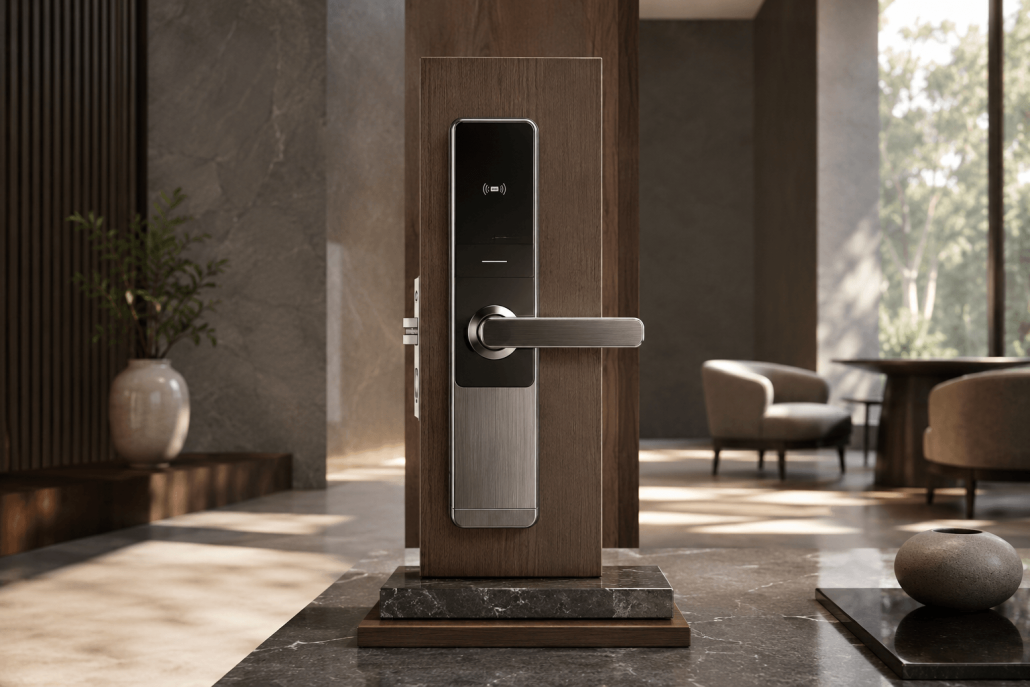
The global smart lock market is projected to reach $8.13 billion by 2026, driven by growing demand for secure, connected access solutions (Fortune Business Insights, 2023). Among these, commercial WiFi door locks have emerged as a critical solution for property managers, hospitality providers, and office spaces. This article explores market trends, buyer priorities, and sourcing considerations for these innovative products.
About Commercial Wifi Door Lock: Smart Lock Market Growth and Application Trends
For B2B buyers, selecting the right commercial wifi door lock supplier is critical. KEYPLUS offers certified smart lock solutions with TTLock/Tuya integration, OEM/ODM flexibility, and competitive MOQ. Learn more below.
The adoption of smart locks has grown exponentially, with the market expanding at a compound annual growth rate (CAGR) of 18.4% (MarketsandMarkets, 2023). This growth is fueled by smart home penetration rates in developed markets, which are expected to surpass 60% by 2026 (Statista, 2024). For commercial applications, WiFi-enabled locks provide enhanced security and remote management capabilities, making them ideal for storefronts, apartment complexes, and hotels.
In addition to security, features such as biometric authentication, mobile app integration, and audit trails have become essential for B2B buyers. For example, fingerprint door locks and TTLock-enabled systems offer seamless access control for both tenants and property managers. These technologies not only improve user convenience but also reduce administrative overhead for facility managers.
Evaluating Smart Lock Features and Supplier Criteria
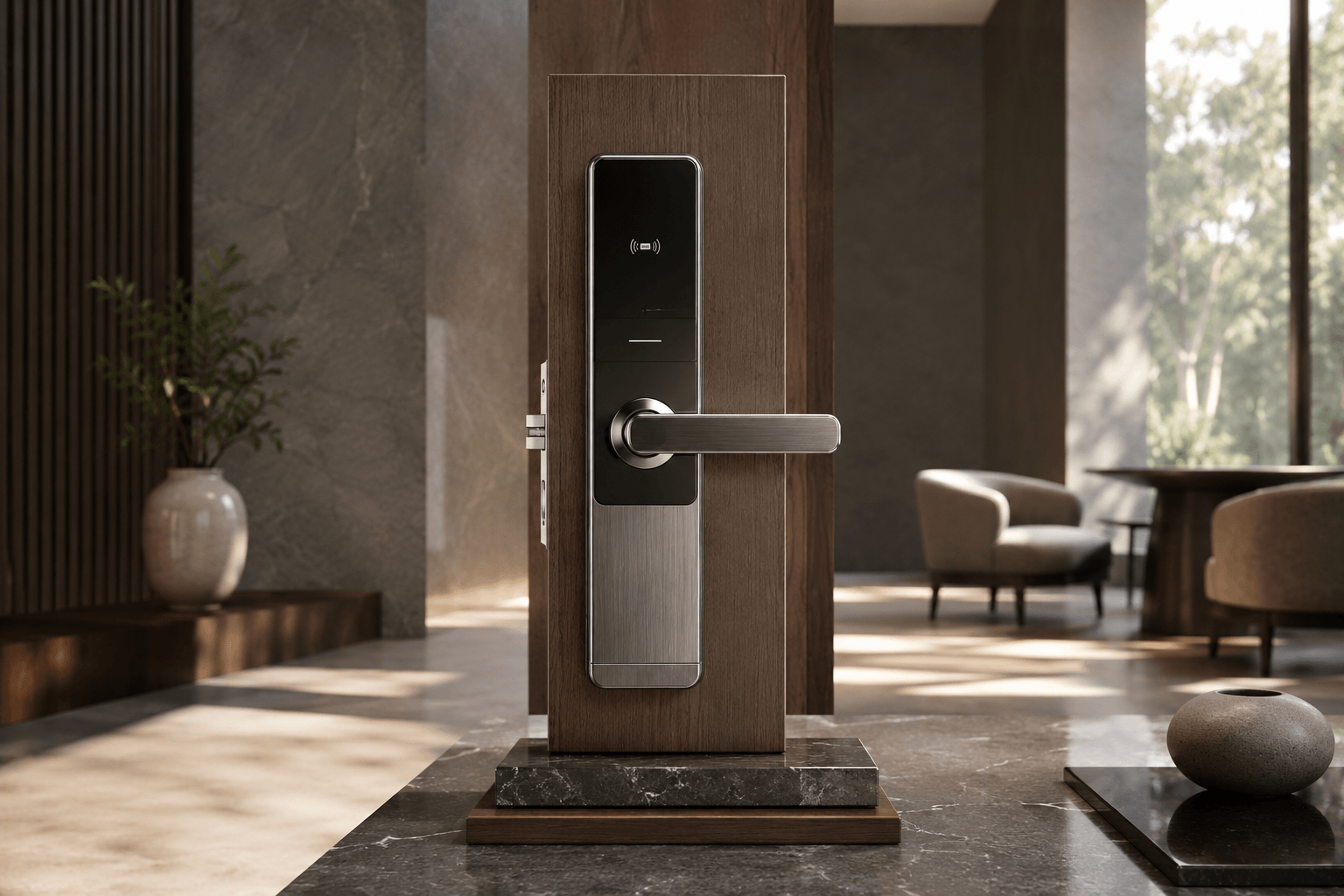
When sourcing commercial WiFi door locks, buyers prioritize several key features. According to McKinsey (2023), 73% of B2B buyers value app integration and remote access capabilities. These features enable centralized control over access permissions and real-time monitoring.
Unlock methods are another critical factor. Options such as fingerprint authentication, RFID card access, and temporary PIN codes provide flexibility for diverse use cases. For instance, hotels often prefer RFID cards for guest rooms, while apartment complexes benefit from biometric locks that eliminate the need for physical keys.
Compatibility with existing door types and lock bodies is equally important. Buyers should confirm whether a supplier’s product supports mortise, deadbolt, or latch lock configurations. Moreover, certifications like ANSI/BHMA Grade 1 are required for 68% of commercial access control projects (BHMA, 2023), ensuring durability and performance in high-traffic environments.
As Sarah Lee, Access Control Consultant, notes: “Buyers should also evaluate supplier capabilities such as OEM/ODM flexibility, lead times, and after-sales support. These factors significantly impact project timelines and long-term satisfaction.”
Compliance, Standards, and Technical Considerations
Compliance with international standards is a non-negotiable requirement for smart lock buyers. Certifications such as CE, FCC, and RoHS ensure products meet safety and environmental regulations. Additionally, buyers must consider IP ratings for water and dust resistance, particularly for outdoor installations.
Battery life and power efficiency are other critical factors. Commercial locks should support extended battery life to minimize maintenance disruptions. Many WiFi-enabled locks now include low-battery alerts and backup power options to ensure uninterrupted operation.
Software integration is another area of focus. Locks compatible with platforms like Tuya and TTLock offer robust app ecosystems, enabling features such as remote unlocking, audit trails, and multi-user management. Importers and distributors should also verify the availability of multilingual documentation and export compliance support.
Choosing the Right Smart Lock for Your Project
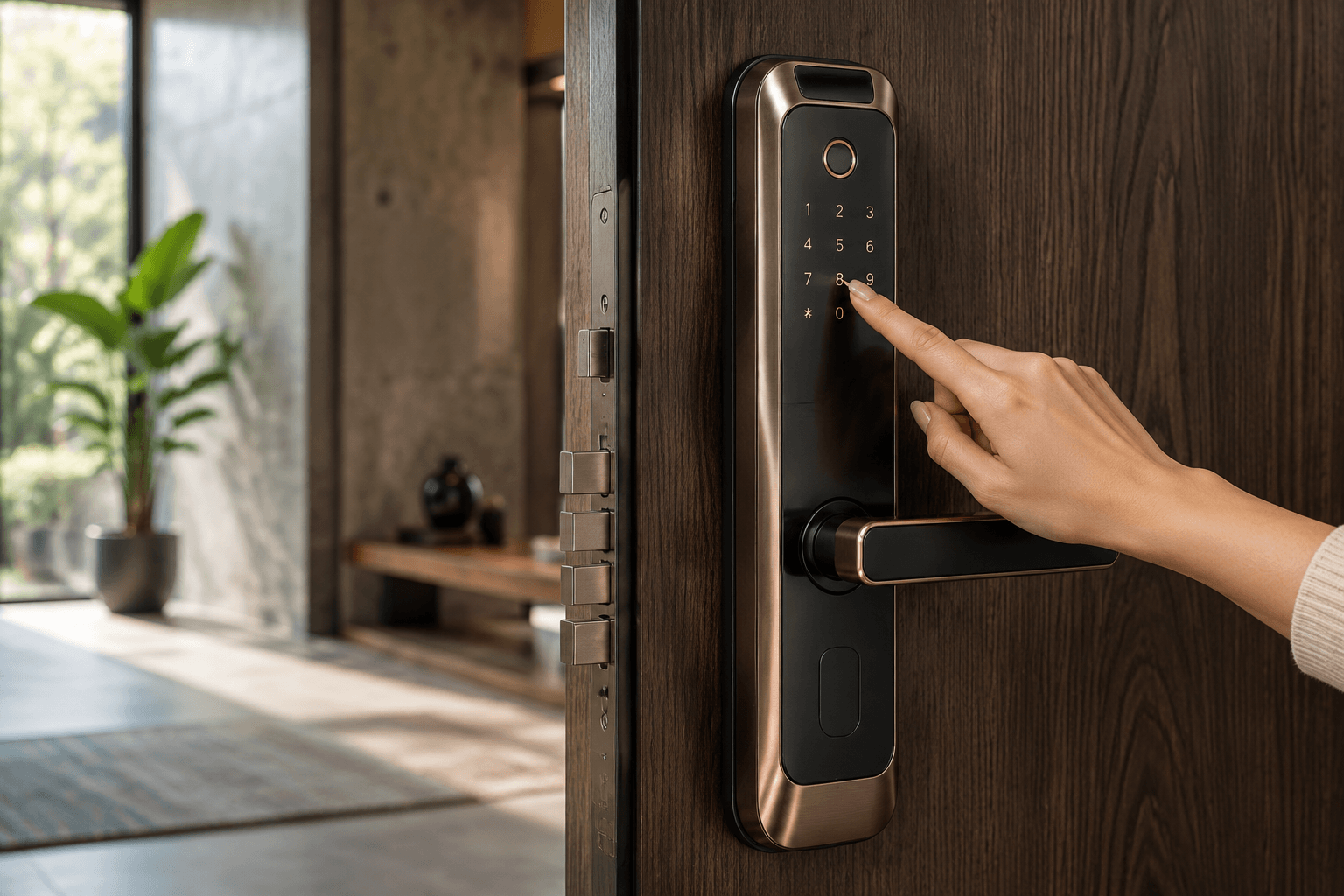
Selecting the right commercial WiFi door lock depends on the specific use case. For hotels, RFID card locks integrated with property management systems (PMS) streamline guest check-ins and access management. Apartment buildings benefit from biometric locks that offer residents secure and keyless entry.
For storefronts, aluminum door locks with WiFi connectivity provide a balance of durability and convenience. These locks often include mechanical key backups, ensuring access during power outages. Buyers should also consider installation compatibility with aluminum or glass doors, which are common in commercial spaces.
Project buyers must factor in installation support, warranty terms, and return rates when evaluating suppliers. For example, KEYPLUS offers tailored OEM/ODM solutions, ensuring compatibility with various door types and software ecosystems. By partnering with experienced manufacturers, buyers can reduce project risks and improve delivery timelines.
Sourcing Strategies and Long-Term Supplier Partnerships
Strategic sourcing of commercial WiFi door locks requires a focus on supplier reliability and product customization. Importers and distributors should prioritize manufacturers with proven expertise in smart lock R&D and production. Look for partners who offer low minimum order quantities (MOQs) and stable lead times.
Future trends point to increased adoption of biometric and AI-driven access control systems. As the market evolves, buyers should seek suppliers who invest in innovation and comply with emerging standards. For example, cloud-based access management and 3D face recognition are expected to gain traction in the coming years.
By aligning with forward-thinking suppliers like KEYPLUS, buyers can stay ahead of market trends and deliver value-added solutions to their customers. KEYPLUS provides comprehensive support for project documentation, certifications, and customization, making it a trusted partner for businesses worldwide.
Frequently Asked Questions
What are heavy-duty commercial door locks?
Heavy-duty commercial door locks are designed for high-traffic areas and demanding environments. According to BHMA (2023), 68% of commercial projects require ANSI/BHMA Grade 1 certified locks for durability. These locks often include features like reinforced deadbolts, biometric access, and WiFi connectivity for remote monitoring.
What is the best commercial electronic door lock?
The best lock depends on your specific needs. For example, biometric locks provide high security for offices, while RFID card locks are ideal for hotels. According to McKinsey (2023), 73% of buyers prefer locks with app integration and remote access capabilities. Evaluate features, certifications, and supplier support to make the right choice.
How do you install a commercial keypad door lock with a panic bar?
Installation depends on the specific model and door type. Ensure the lock is compatible with the panic bar mechanism. Many suppliers, like KEYPLUS, offer detailed installation guides and support to ensure proper setup.
Are there smart locks for storefront doors?
Yes, many smart locks are designed for storefronts. Aluminum door locks with WiFi connectivity and mechanical key backups are popular choices. Ensure the lock is compatible with glass or aluminum doors for seamless installation.
What certifications should a commercial smart lock have?
Commercial smart locks should meet ANSI/BHMA, CE, FCC, and RoHS standards. These certifications ensure durability, safety, and environmental compliance. Verify certification details with your supplier to avoid compliance issues during import.
How do I choose the right smart lock for my project?
Consider factors like door type, user requirements, and software compatibility. For example, hotels may need RFID card locks, while apartments benefit from biometric locks. Partnering with suppliers like KEYPLUS ensures access to tailored solutions and expert support.

