
WiFi Keypad Door Lock Market Insights for Project Buyers
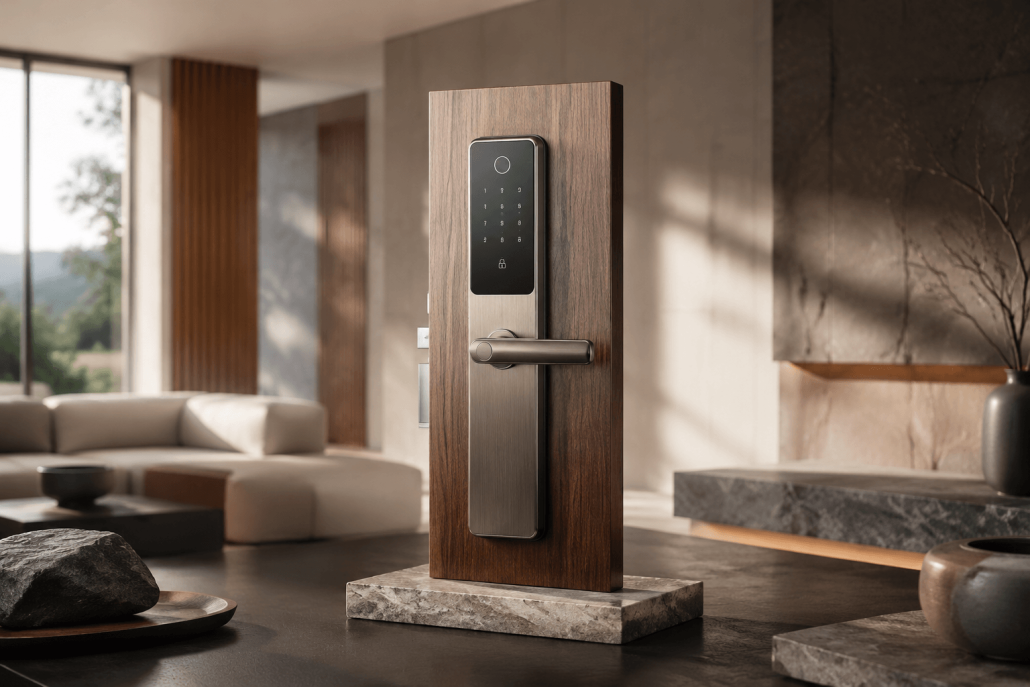
The global smart lock market is projected to reach $8.13 billion by 2026 (Fortune Business Insights, 2023). This rapid growth reflects surging demand for secure, connected solutions across residential, rental, and hospitality sectors. WiFi keypad door locks, in particular, are gaining traction for their combination of convenience and advanced access control features. For importers, distributors, and project buyers, selecting the right product and supplier is critical to meeting end-user expectations and achieving project success.
About Wifi Keypad Door Lock: Smart Lock Market Growth and Application Trends
Smart home penetration in developed markets is expected to surpass 60% by 2026 (Statista, 2024). This trend is driving increased demand for WiFi keypad door locks in residential and rental properties. Additionally, the smart lock market is growing at a CAGR of 18.4% (MarketsandMarkets, 2023), indicating strong momentum for both consumer and commercial adoption.
In the hospitality sector, digital locks with features like remote access and audit trails enable streamlined management of guest check-ins and security. Meanwhile, property managers are increasingly turning to solutions like Tuya or TTLock-integrated systems for centralized access control. These platforms allow for seamless remote management, reducing operational costs and enhancing tenant satisfaction.
KEYPLUS, a leading smart lock manufacturer, offers a broad range of solutions tailored to residential, apartment, and hospitality applications. Their products integrate advanced features such as temporary PINs, fingerprint unlocking, and mechanical key backups, making them suitable for diverse use cases.
Key Features B2B Buyers Evaluate in a Smart Lock Supplier
B2B buyers prioritize several factors when sourcing smart locks. According to McKinsey (2023), 73% of buyers consider app integration and remote access essential features. Additionally, installation compatibility, certification compliance, and after-sales support are critical evaluation criteria.
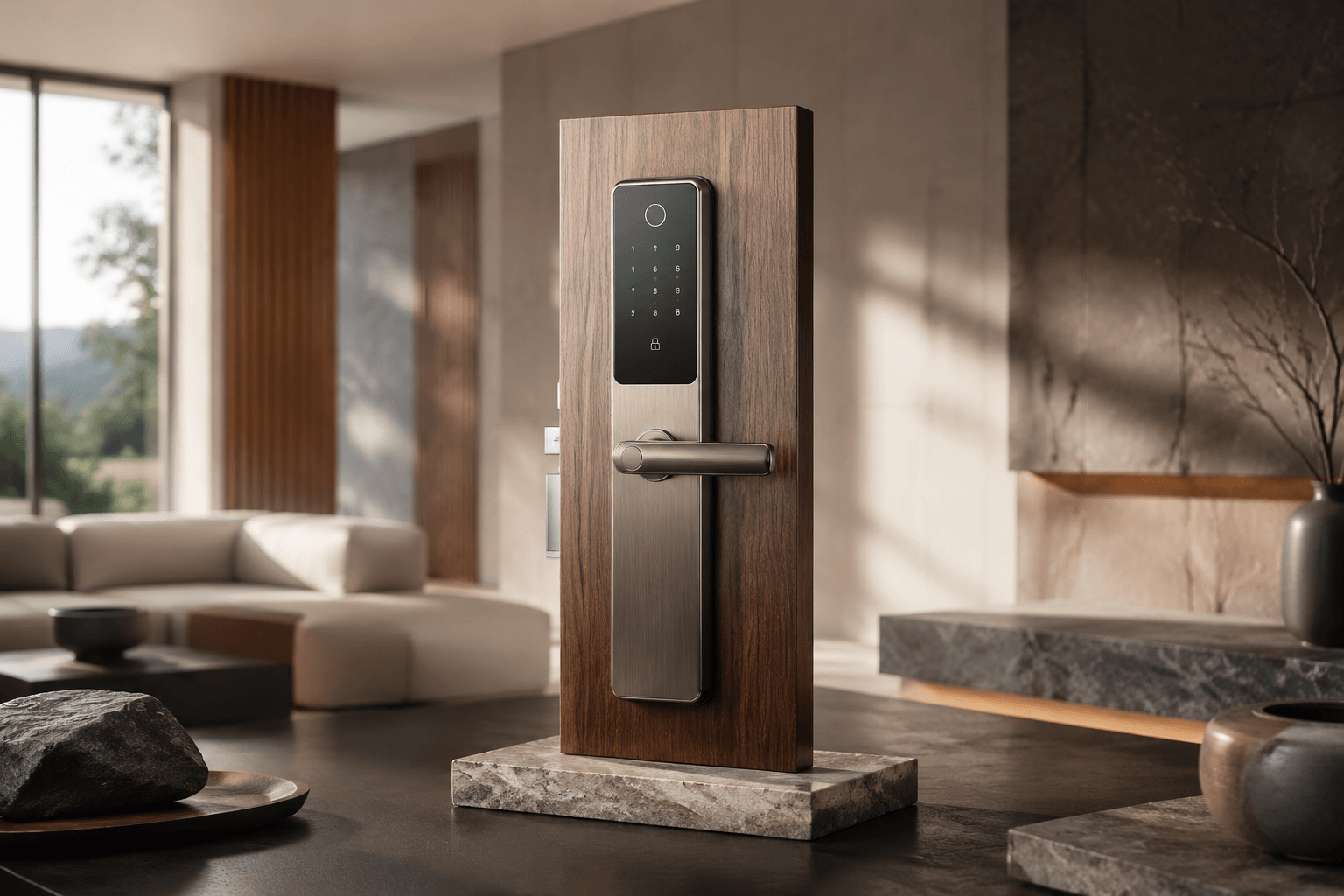
WiFi keypad door locks offer multiple unlock methods, including PIN codes, RFID cards, and mobile app control. For example, products with Tuya or TTLock integration provide a user-friendly app ecosystem for managing access permissions and generating audit trails. These features are particularly valuable for rental property managers and hotel operators.
As Jane Roberts, a property technology consultant, states: “B2B buyers should look beyond price and evaluate long-term factors like certification coverage, product stability, and supplier responsiveness.”
KEYPLUS stands out with its OEM/ODM capabilities, enabling tailored solutions for unique project requirements. Their locks are compatible with various door types, including mortise and deadbolt configurations, ensuring broad applicability across projects.
Compliance, Standards, and Product Qualification Requirements
Compliance with industry standards is a non-negotiable aspect of sourcing smart locks. For instance, ANSI/BHMA Grade 1 certification is required for 68% of commercial access control projects (BHMA, 2023). This certification ensures durability and reliability, key considerations for high-traffic environments.
Additionally, CE, FCC, and RoHS certifications are essential for products entering European and North American markets. These certifications confirm compliance with safety, electromagnetic compatibility, and environmental standards. Buyers should also consider IP ratings for water and dust resistance, especially for outdoor installations.
KEYPLUS conducts rigorous testing to meet these standards, ensuring their locks are suitable for both residential and commercial applications. Their commitment to quality and compliance reduces project risk and simplifies the import/export process.
Choosing the Right Smart Lock for Your Project
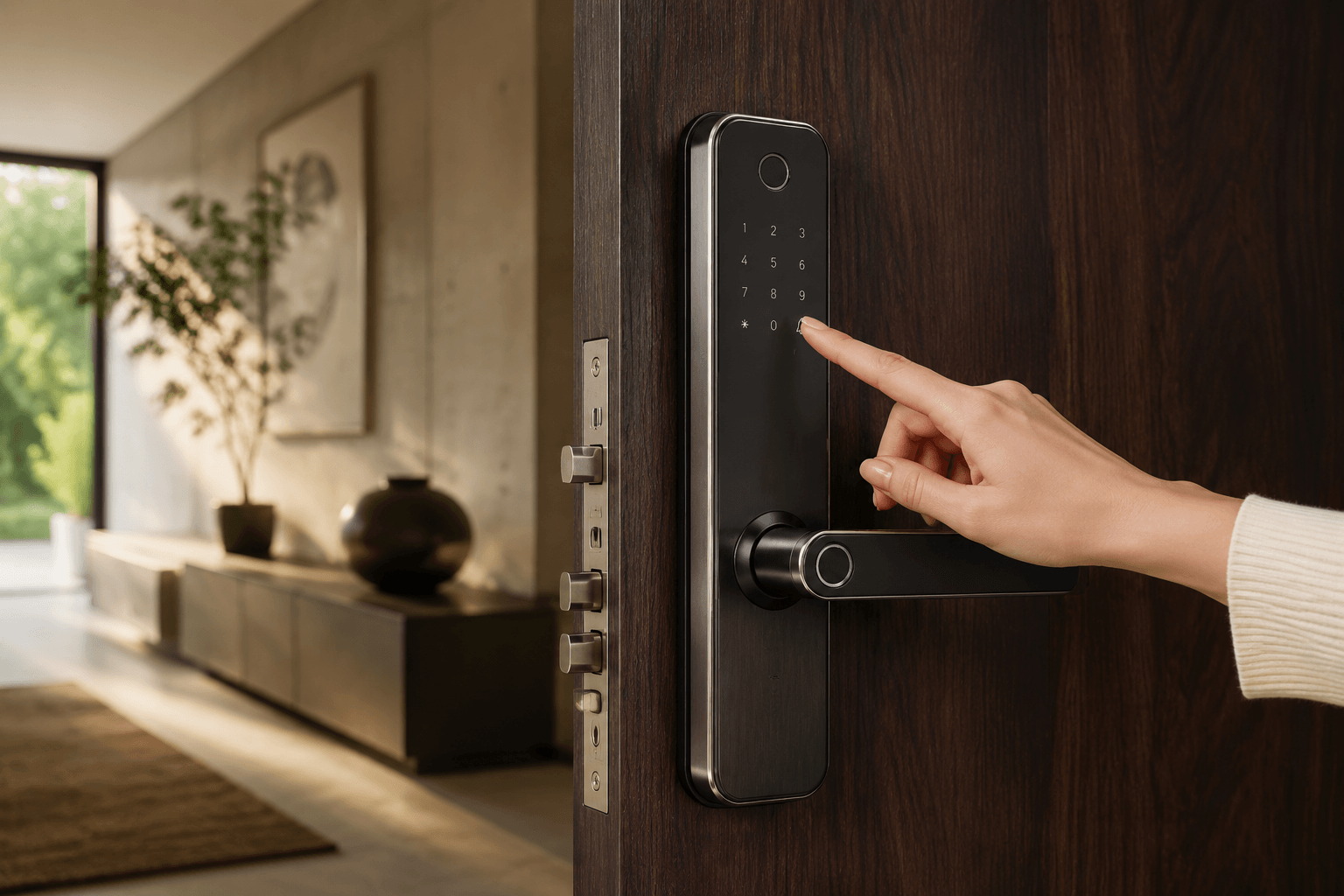
Selecting the ideal WiFi keypad door lock depends on the specific use case. For residential projects, features like fingerprint authentication and temporary passcodes enhance convenience and security. Rental property managers benefit from systems that support remote access and centralized control, streamlining tenant turnover processes.
In hospitality applications, locks with audit trails and guest-friendly interfaces improve operational efficiency and customer satisfaction. Buyers should also evaluate door compatibility, software ecosystem, and installation requirements to ensure a smooth implementation.
KEYPLUS offers flexible OEM/ODM options, allowing buyers to customize products for their unique needs. Their solutions are designed to minimize installation challenges and support seamless integration with existing access control systems.
Sourcing Strategies for Long-Term Success
To maximize value, B2B buyers should prioritize partnerships with experienced smart lock manufacturers. Look for suppliers with a proven track record, robust quality control processes, and comprehensive certification support. Additionally, consider factors like MOQ, lead times, and after-sales service when evaluating potential partners.
For example, working with KEYPLUS ensures access to cutting-edge technology, including Tuya and TTLock integration, as well as reliable project support. This approach reduces go-to-market timelines and enhances overall project outcomes.
As the market for WiFi keypad door locks continues to grow, aligning with the right supplier will be key to capturing emerging opportunities. By focusing on quality, compliance, and customization, buyers can secure a competitive edge in this dynamic industry.
Frequently Asked Questions
What are the disadvantages of smart door locks?
Smart locks rely on power and connectivity, which can be a drawback during outages. According to MarketsandMarkets (2023), the market is addressing these challenges with improved battery life and offline functionality. For buyers, it’s important to choose locks with mechanical key backups and robust power-saving features.
What is the best smart lock for your home?
The best smart lock depends on your needs. For example, WiFi keypad door locks with fingerprint authentication and remote access are ideal for families. KEYPLUS offers a range of customizable options, ensuring a perfect fit for any home environment.
What locks do police recommend for doors?
Police typically recommend locks with ANSI/BHMA Grade 1 certification for maximum security. This standard ensures durability and resistance to forced entry. Buyers should verify certification when sourcing locks for high-security applications.
What happens if Wi-Fi goes out on a smart lock?
Most smart locks, including WiFi keypad door locks, have offline modes or mechanical key backups. This ensures continued access during connectivity issues. Buyers should confirm these features during procurement to avoid potential disruptions.
How do smart locks integrate with smart home systems?
Smart locks integrate using platforms like Tuya or TTLock, enabling seamless control via mobile apps or voice assistants. According to Statista (2024), over 60% of smart home users prioritize system compatibility when choosing devices.
What are the key certifications to look for in a smart lock?
CE, FCC, and RoHS certifications are essential for safety and environmental compliance. ANSI/BHMA certification ensures durability. Buyers should verify these certifications to meet market and project requirements.

