
Smart Keypad Door Lock Market Trends for B2B Buyers
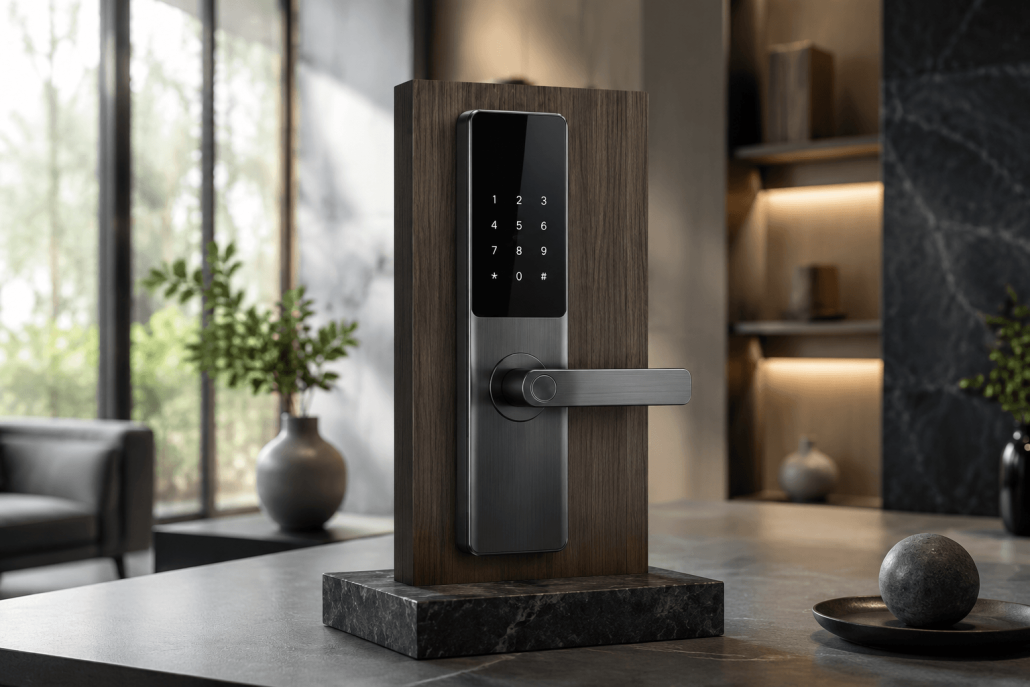
The global smart lock market is projected to reach $8.13 billion by 2026, driven by increasing demand for connected home solutions and enhanced security measures (Fortune Business Insights, 2023). Smart keypad door locks have become a cornerstone of modern access control, offering convenience, remote management, and multi-scenario compatibility. For B2B buyers, understanding the trends shaping this industry is essential to making informed purchasing decisions.
About Smart Keypad Door Lock: Why Demand for Smart Locks Is Growing Across Key Sectors
For B2B buyers, selecting the right smart keypad door lock supplier is critical. KEYPLUS offers certified smart lock solutions with TTLock/Tuya integration, OEM/ODM flexibility, and competitive MOQ. Learn more below.
Smart locks are no longer limited to residential applications. Their adoption is expanding into rental properties, hospitality, and even office spaces. According to Statista (2024), smart home penetration in developed markets is expected to surpass 60% by 2026, creating a robust market for integrated security solutions like smart keypad door locks.
In the hospitality industry, hotels are transitioning to digital access methods, such as RFID cards and TTLock-enabled systems, to improve guest experiences. Meanwhile, rental property managers are leveraging features like temporary PINs and remote access to simplify tenant turnover processes. These applications highlight the versatility of smart keypad door locks in addressing diverse access control needs.
KEYPLUS, a leading smart lock manufacturer, supports this demand by offering OEM and ODM solutions tailored to residential, rental, and hospitality projects. Their integration of platforms like Tuya and TTLock ensures compatibility with leading smart home ecosystems, providing seamless user experiences.
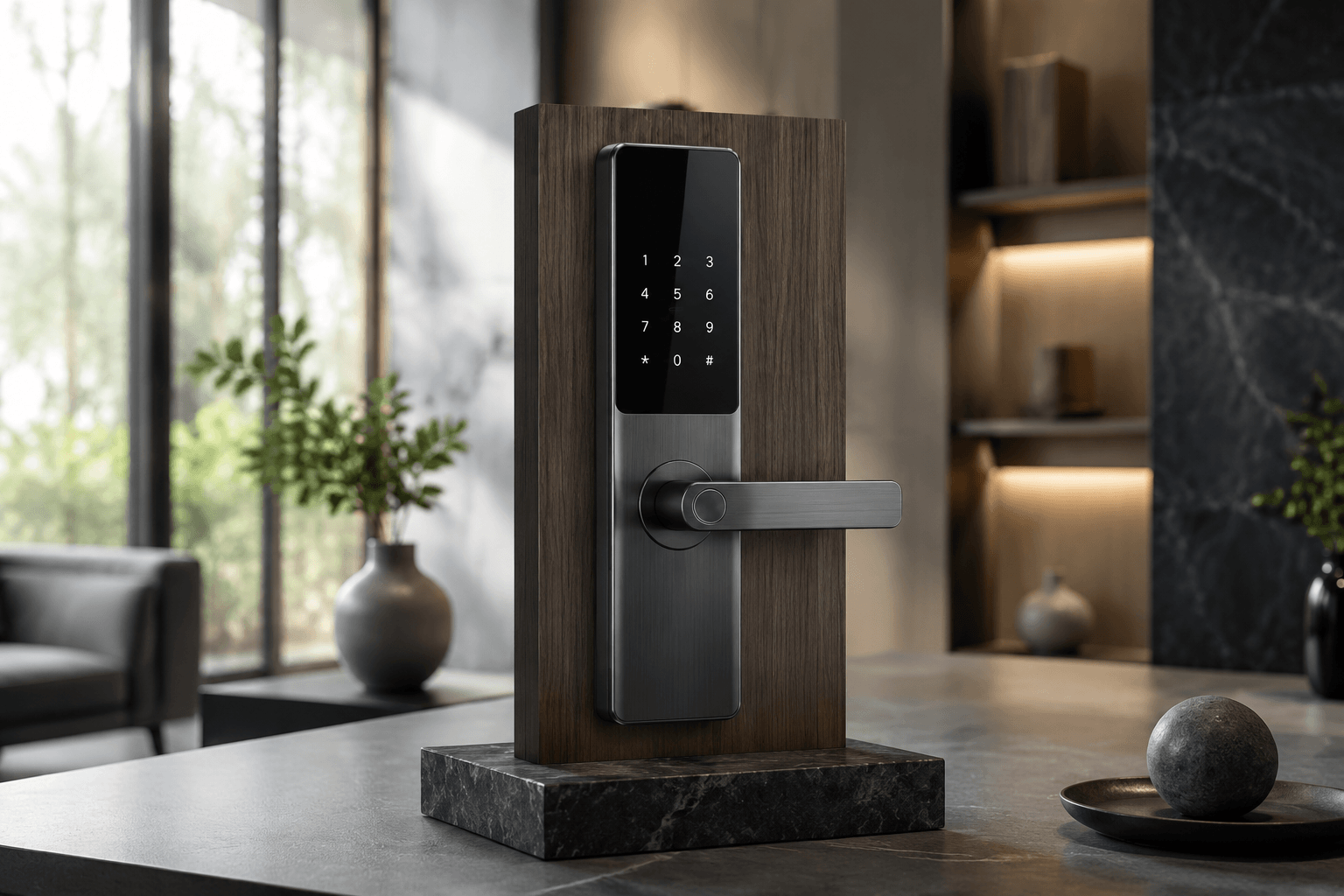
Key Features B2B Buyers Evaluate in Smart Lock Suppliers
B2B buyers prioritize several factors when sourcing smart locks. According to McKinsey (2023), 73% of buyers value app integration and remote access features. These capabilities allow for centralized management and real-time control over access points, which is critical for large-scale applications such as apartment complexes or office buildings.
Buyers also assess the range of unlock methods a smart lock offers. Options such as fingerprint authentication, keypad entry, RFID cards, and mechanical key backups provide flexibility and redundancy. For example, biometric locks, like fingerprint door locks, offer enhanced security through unique user identification.
As John Smith, Access Control Consultant, states: “B2B buyers are increasingly looking for suppliers who can deliver not just products but complete solutions, including app ecosystems, customization options, and robust after-sales support.”
In addition, buyers consider installation compatibility. Smart keypad door locks must fit various door types and thicknesses, whether for mortise or deadbolt configurations. Certifications like ANSI/BHMA Grade 1, required in 68% of commercial access control projects (BHMA, 2023), are also critical indicators of product quality and durability.
Compliance, Standards, and Technical Considerations
Compliance with international standards is a top priority for importers and distributors. Certifications such as CE, FCC, and RoHS ensure that smart locks meet safety and environmental requirements. For hospitality and rental applications, ANSI/BHMA grading provides an additional layer of assurance regarding lock performance under heavy usage.
Compatibility with smart home ecosystems is another key consideration. Locks integrated with platforms like Tuya or Home Connect enable seamless interaction with other IoT devices, such as cameras or thermostats. For example, Kwikset’s SmartCode series offers Home Connect integration, allowing users to control locks remotely through compatible apps.
Battery life and backup options are equally important. Smart locks must maintain reliability over extended periods, with features like low-battery alerts and mechanical key overrides ensuring uninterrupted access. Buyers should also evaluate export/import documentation and support for their target markets to avoid logistical hurdles.
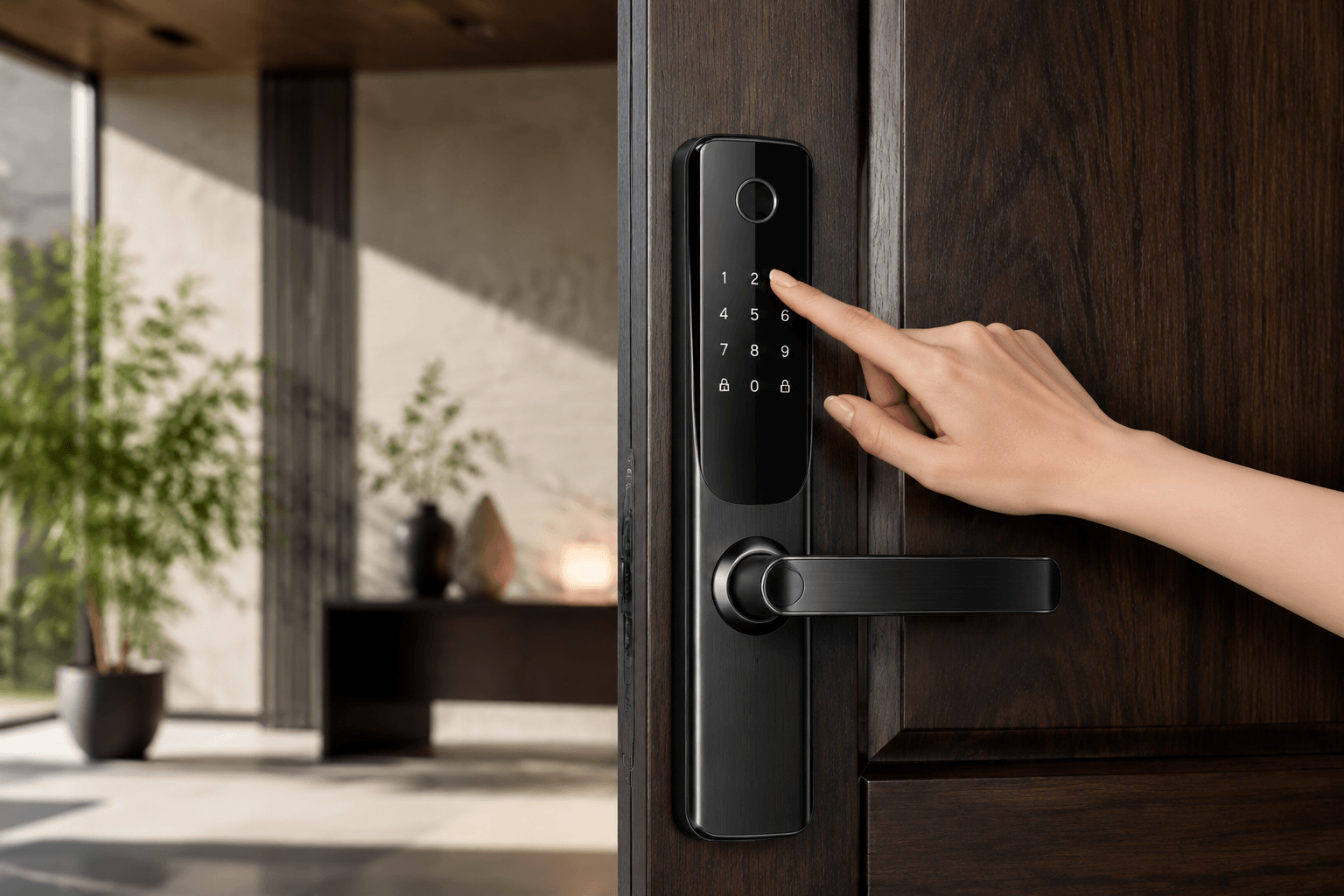
Choosing the Right Smart Lock for Specific Applications
Different applications require tailored smart lock solutions. For residential use, features like fingerprint door locks and app-based remote access appeal to tech-savvy homeowners. Rental properties benefit from temporary PINs and audit trails, which simplify tenant management and enhance security.
In the hospitality sector, hotel locks with RFID card access and centralized management systems streamline operations while enhancing guest convenience. Meanwhile, office environments often require biometric authentication and multi-user management to ensure secure yet flexible access.
KEYPLUS offers customizable solutions for these scenarios, including support for low MOQs and fast lead times. Their robust manufacturing capabilities and integration with platforms like TTLock make them a reliable partner for diverse project needs.
Strategic Sourcing and Future Industry Outlook
As the smart lock market grows at a CAGR of 18.4% (MarketsandMarkets, 2023), distributors and project buyers must adopt strategic sourcing practices. Partnering with manufacturers who offer OEM/ODM flexibility, comprehensive certifications, and strong after-sales support can reduce project risks and ensure timely delivery.
Future trends include increased adoption of biometric technologies, such as face and palm vein recognition, and deeper integration with cloud-based access management systems. Buyers should prioritize suppliers who demonstrate innovation and adaptability to these evolving demands.
For businesses seeking to source high-quality smart locks, KEYPLUS provides a competitive edge with its focus on product stability, customization, and multi-scenario compatibility. These strengths make them a strategic partner for long-term success in the smart lock industry.
Frequently Asked Questions
Which Kwikset locks work with HomeKit?
Kwikset SmartCode 916 and Premis locks are compatible with HomeKit. According to Kwikset, these models allow users to control locks via the Apple Home app and Siri.
Which Kwikset locks work with the app?
Kwikset SmartCode 888, 914, and 916 models integrate with apps like Home Connect. These apps enable remote lock/unlock, user management, and activity monitoring.
How do I connect my Kwikset smart lock to Wi-Fi?
To connect your Kwikset lock to Wi-Fi, use a compatible hub like SmartThings or a Wi-Fi-enabled model. Follow the user manual for pairing instructions.
Which Kwikset lock has Wi-Fi?
Kwikset Halo is a Wi-Fi-enabled smart lock that doesn’t require a separate hub. It connects directly to your home network for remote access.
What are the disadvantages of a smart door lock?
Smart locks may face issues like battery dependency and cybersecurity risks. However, features like mechanical key backups and encryption mitigate these concerns.
What locks do police recommend?
Police often recommend ANSI/BHMA Grade 1 locks for maximum security. These locks undergo rigorous testing to ensure durability and resistance to forced entry.

