
Best Keyless Entry Solutions for Smart Lock Buyers
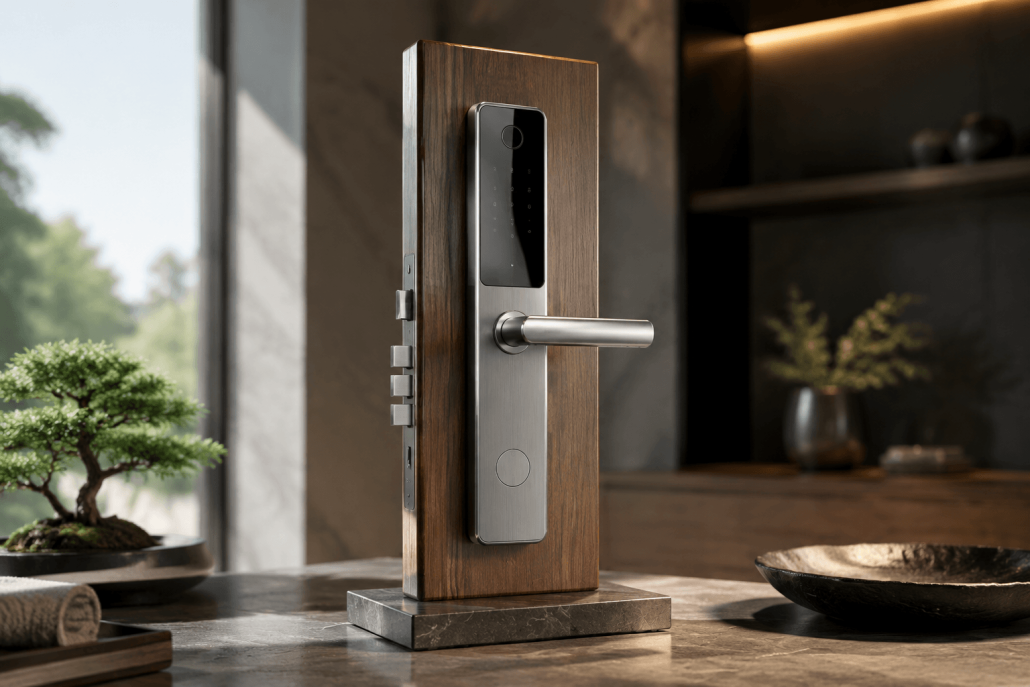
When considering Best Keyless Entry, the global smart lock market is projected to reach $8.13 billion by 2026, driven by advancements in smart home technology and access control solutions (Fortune Business Insights, 2023). B2B buyers are increasingly focused on sourcing smart locks that offer seamless integration with apps, remote access, and biometric security features. For distributors, property managers, and project contractors, understanding the latest trends and supplier evaluation criteria is essential to making informed decisions.technology and access control solutions (Fortune Business Insights, 2023). B2B buyers are increasingly focused on sourcing smart locks that offer seamless integration with apps, remote access, and biometric security features. For distributors, property managers, and project contractors, understanding the latest trends and supplier evaluation criteria is essential to making informed decisions.
About Best Keyless Entry: Rising Demand for Smart Locks in Residential and Commercial Applications
For B2B buyers, selecting the right best keyless entry supplier is critical. KEYPLUS offers certified smart lock solutions with TTLock/Tuya integration, OEM/ODM flexibility, and competitive MOQ. Learn more below.
Smart locks are becoming a cornerstone of modern access control, with residential and commercial adoption rates climbing steadily. According to Statista (2024), smart home penetration in developed markets is expected to surpass 60% by 2026. This surge reflects the growing demand for convenience, security, and connectivity in homes and businesses alike. For example, hotel lock systems now prioritize features like remote access and audit trails to streamline guest experiences.
Keyless entry systems, such as those using fingerprint door locks or TTLock integration, cater to diverse applications. Rental property managers often prefer solutions with temporary PINs and app-based access to simplify tenant turnover. Similarly, apartment complexes benefit from scalable systems that support multiple users while ensuring CE and FCC compliance.
Manufacturers like KEYPLUS offer tailored solutions for these markets, combining robust hardware with software ecosystems like Tuya. Their OEM and ODM capabilities allow buyers to customize features, ensuring compatibility with specific project requirements.
Key Features B2B Buyers Evaluate in a Smart Lock Supplier
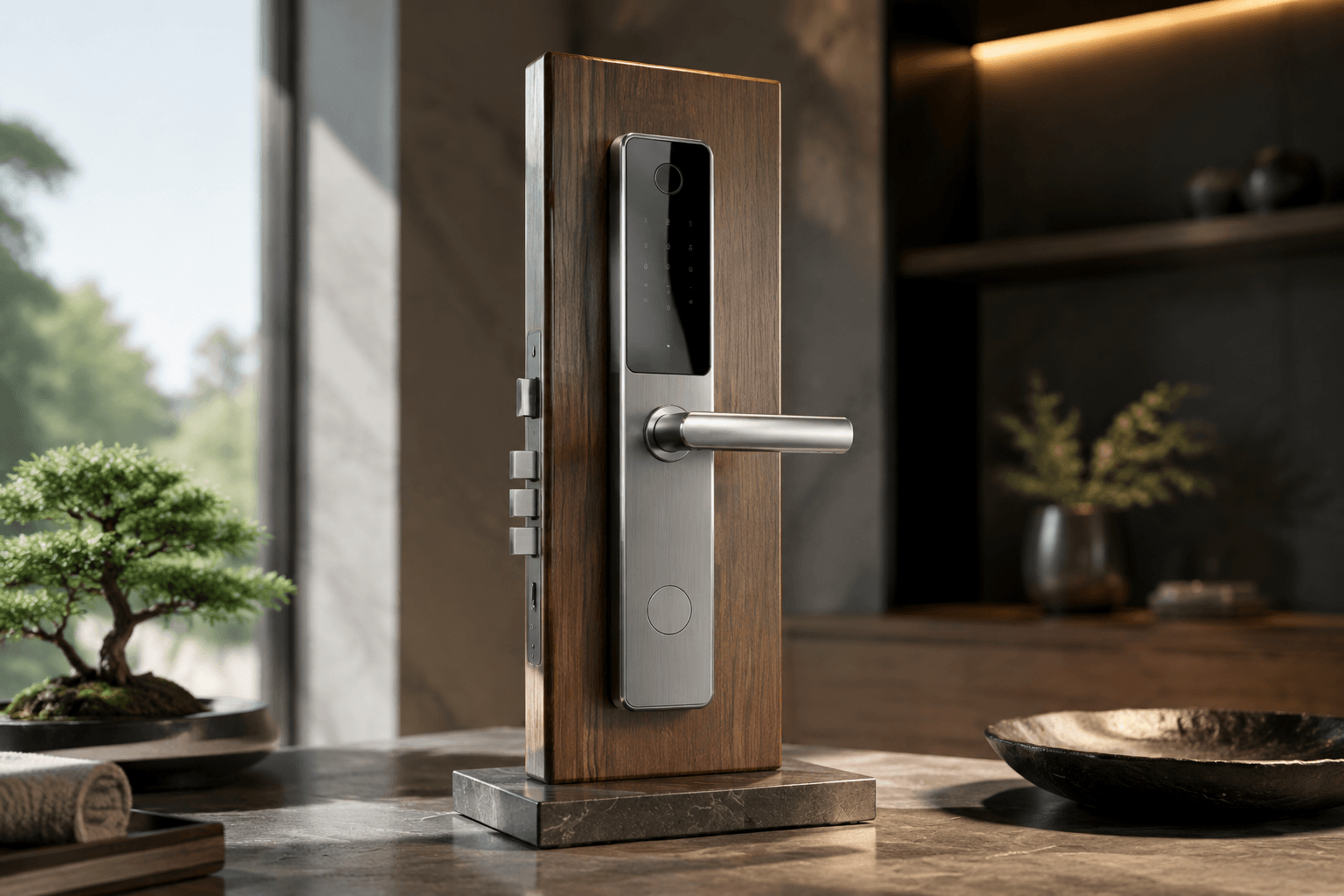
When sourcing smart locks, buyers prioritize functionality, reliability, and compliance. According to McKinsey (2023), 73% of B2B buyers emphasize app integration and remote access as critical features. These capabilities enhance both user convenience and operational efficiency. For example, integrating locks with platforms like TTLock or Tuya enables centralized control and real-time monitoring.
Unlock methods are another key consideration. Options such as fingerprint authentication, RFID card access, and mechanical key backups ensure flexibility for different use cases. Additionally, buyers often evaluate battery life, gateway compatibility, and the availability of temporary passcodes for short-term access needs.
As Sarah Li, Access Control Consultant, states: “B2B buyers should prioritize suppliers that offer ANSI/BHMA Grade 1 certified products. This certification ensures durability and security, which are essential for commercial applications.” In fact, 68% of commercial access control projects require this certification (BHMA, 2023).
KEYPLUS stands out by offering a wide range of certified products, ensuring compliance with stringent international standards. Their after-sales support and project documentation further enhance their appeal to distributors and contractors.
Compliance, Standards, and Product Qualification Requirements
Compliance with international standards is non-negotiable for importers and project buyers. Certifications such as CE, FCC, and RoHS verify product safety, electromagnetic compatibility, and environmental sustainability. For example, CE certification is crucial for products entering the European market, while FCC certification is mandatory for U.S. imports.
In addition to certifications, buyers must consider compatibility with door types and installation environments. Mortise locks, deadbolt smart locks, and latch locks each serve different applications, requiring careful selection based on project needs. Moreover, app ecosystems like Tuya and TTLock ensure interoperability with other smart home devices, enhancing user experience.
KEYPLUS supports its clients by providing detailed compliance documentation and ensuring all products meet international standards. Their rigorous testing processes guarantee product stability and reliability, making them a trusted partner for large-scale projects.
Choosing the Right Smart Lock for Specific Applications
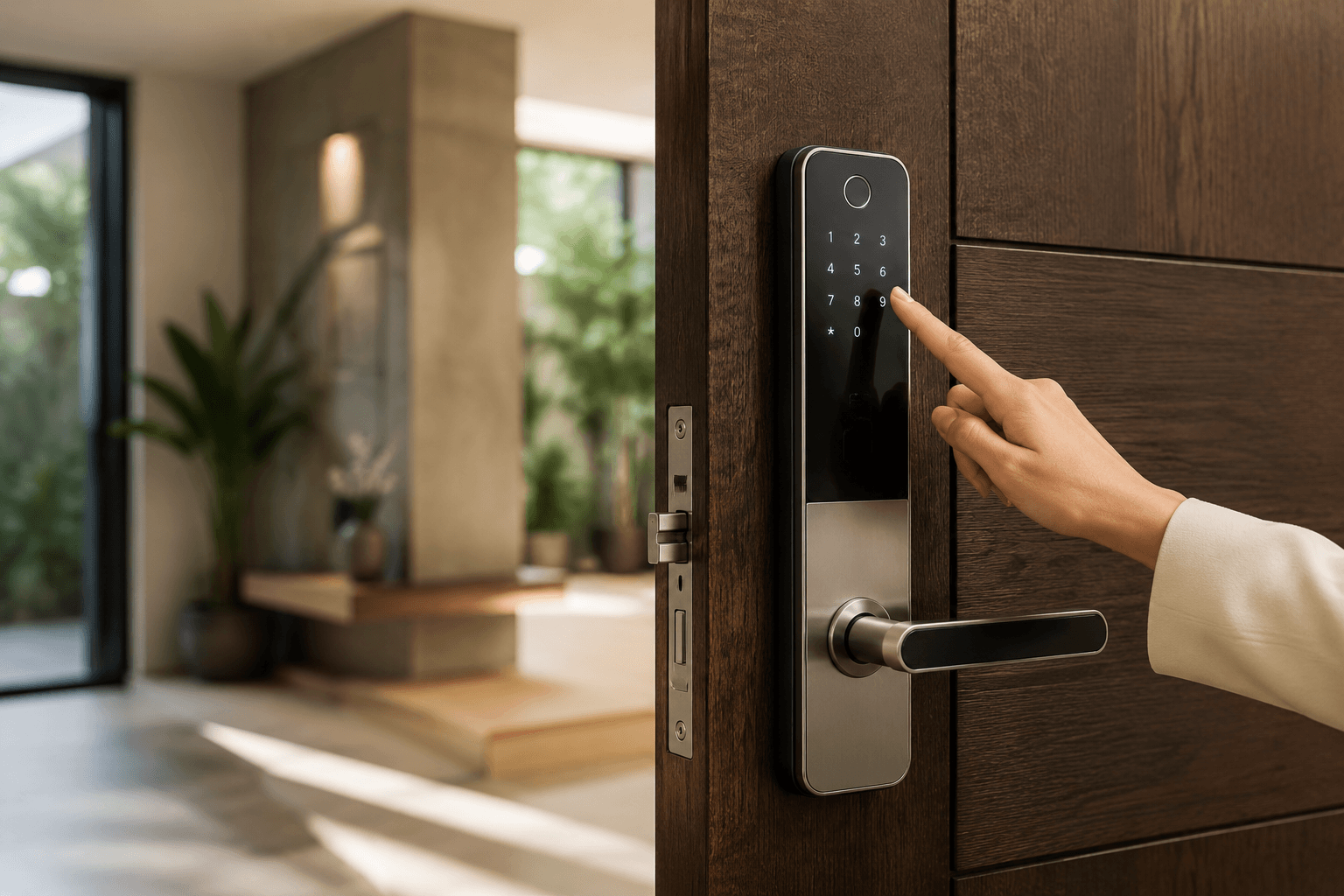
Selecting the right smart lock depends on the intended use case. For residential applications, features like fingerprint door locks and app control are popular for their convenience and security. Rental property managers, on the other hand, benefit from systems that offer remote access and temporary PINs to simplify tenant management.
Hospitality projects often require advanced hotel lock systems that integrate with property management software. These systems enhance guest experiences by enabling mobile check-ins and keyless room access. Meanwhile, apartment complexes prioritize scalability and robust access control to accommodate multiple users.
Buyers should also evaluate the supplier’s ability to provide OEM and ODM customization. KEYPLUS excels in this area, offering tailored solutions that meet specific project requirements. Their flexible MOQs and stable lead times make them a reliable choice for both small and large-scale projects.
Strategic Sourcing for Long-Term Success
The smart lock market is growing at a CAGR of 18.4% (MarketsandMarkets, 2023), highlighting the importance of strategic sourcing. Distributors and importers should partner with manufacturers that offer comprehensive support, from product development to after-sales service. This approach minimizes project risks and ensures consistent quality.
Future trends, such as biometric adoption and cloud-based access management, will further shape the industry. Buyers should prioritize suppliers that invest in R&D to stay ahead of these developments. For example, KEYPLUS is at the forefront of integrating advanced features like palm vein recognition and 3D face recognition into their product lineup.
By choosing a reliable partner, buyers can reduce return rates, improve installation efficiency, and achieve long-term project success.
Frequently Asked Questions
What are the top-rated smart locks?
Top-rated smart locks include models with biometric authentication, app integration, and robust certifications. According to MarketsandMarkets (2023), the market is growing at a CAGR of 18.4%, reflecting increasing buyer demand for advanced features.
What locks do police recommend?
Police often recommend locks with ANSI/BHMA Grade 1 certification for maximum security. These locks provide superior durability and resistance to forced entry, making them ideal for both residential and commercial use.
Is Yale or Kwikset better?
Both Yale and Kwikset offer reliable smart locks, but the choice depends on specific needs. Yale excels in app integration and advanced features, while Kwikset is known for ease of installation.
What is the most secure smart lock for home?
The most secure smart locks combine biometric authentication, ANSI/BHMA Grade 1 certification, and app-based access control. These features ensure both convenience and high levels of security.
What is the best keyless entry door lock with deadbolt?
Deadbolt smart locks with fingerprint authentication and app integration are highly recommended. These models offer enhanced security and user convenience, making them a popular choice for homeowners and property managers.
The best smart locks we’ve tested for 2026?
Smart locks tested for 2026 include models with TTLock and Tuya integration, ensuring compatibility with modern smart home ecosystems. These locks also feature advanced biometric options like face recognition and palm vein scanning.

