
Keyless Entry Deadbolt Market Insights for B2B Buyers
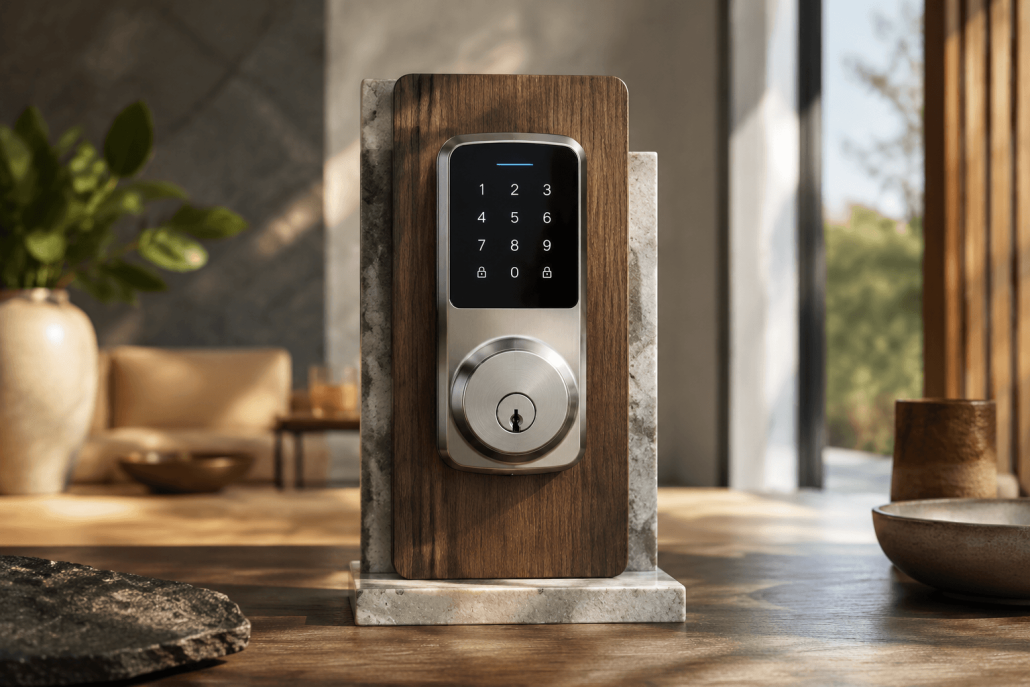
When considering Keyless Entry Deadbolt, the global smart lock market is projected to reach $8.13 billion by 2026, driven by increasing demand for keyless entry solutions across residential, hospitality, and rental property sectors (Fortune Business Insights, 2023). As smart home penetration surpasses 60% in developed markets (Statista, 2024), B2B buyers are prioritizing advanced electronic locks that integrate seamlessly into app ecosystems and offer reliable remote access capabilities.smart lock market is projected to reach $8.13 billion by 2026, driven by increasing demand for keyless entry solutions across residential, hospitality, and rental property sectors (Fortune Business Insights, 2023). As smart home penetration surpasses 60% in developed markets (Statista, 2024), B2B buyers are prioritizing advanced electronic locks that integrate seamlessly into app ecosystems and offer reliable remote access capabilities.
About Keyless Entry Deadbolt: Smart Lock Market Growth and Buyer Demand
For B2B buyers, selecting the right keyless entry deadbolt supplier is critical. KEYPLUS offers certified smart lock solutions with TTLock/Tuya integration, OEM/ODM flexibility, and competitive MOQ. Learn more below.
The smart lock industry is experiencing rapid growth, with a CAGR of 18.4% from 2023 to 2026 (MarketsandMarkets, 2023). This expansion reflects growing adoption in multi-family housing projects, hotels, and rental properties where streamlined access control is critical. Keyless entry deadbolts are particularly popular due to their ability to enhance security while offering user-friendly features like fingerprint authentication and touchscreen keypads.
Moreover, 73% of B2B buyers now prioritize app integration and remote access capabilities when sourcing smart locks (McKinsey, 2023). These features allow property managers and hospitality operators to efficiently manage access permissions, monitor usage, and provide temporary PINs for guests or contractors. Companies like KEYPLUS stand out by offering OEM/ODM customization, TTLock and Tuya integration, and scalable solutions for residential and commercial projects.
Key Features B2B Buyers Evaluate in Smart Lock Suppliers
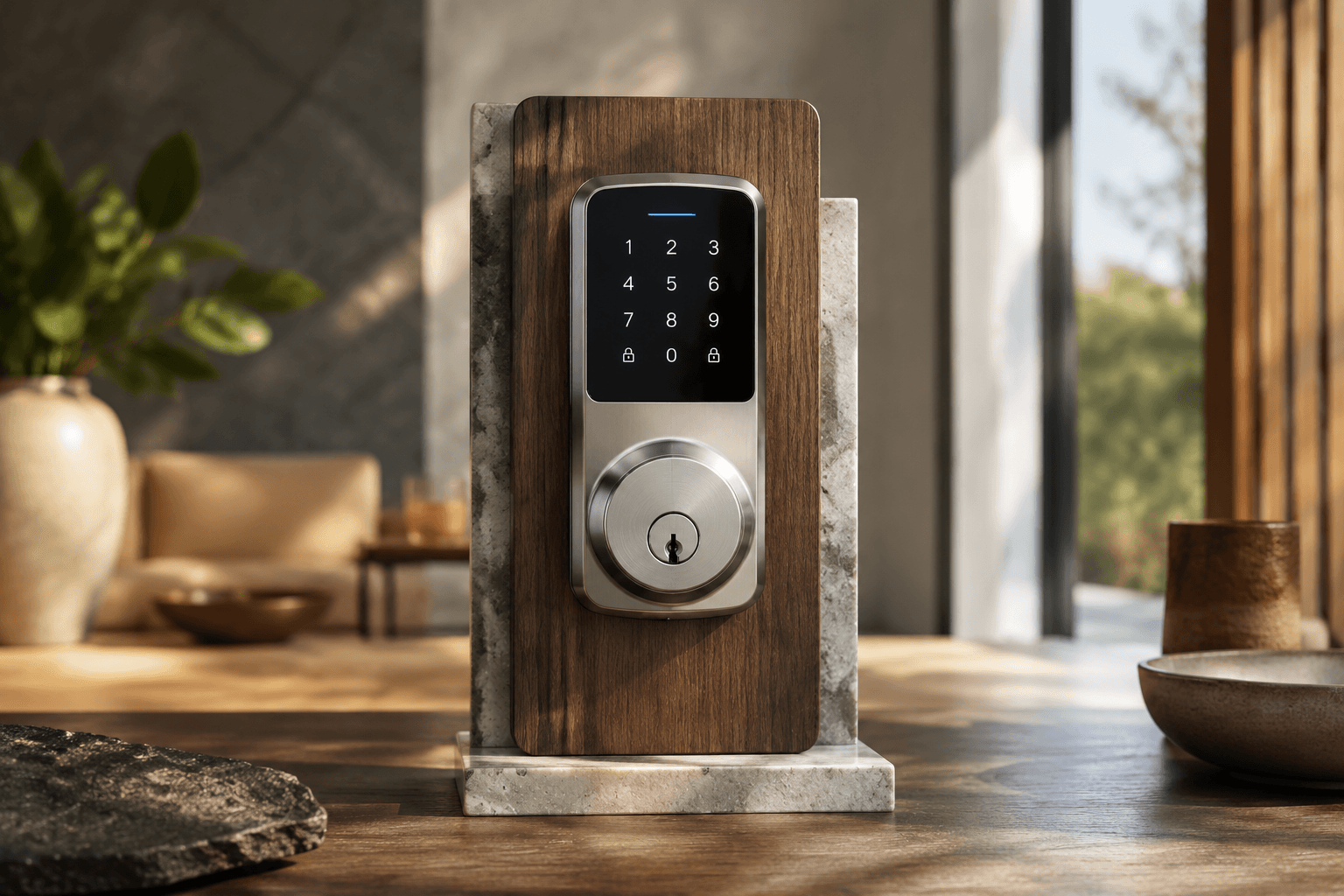
When selecting smart lock products, buyers must evaluate technical features and supplier capabilities. Unlock methods such as fingerprint recognition, keypad entry, RFID card access, and mechanical key backups are essential for meeting diverse user requirements. App ecosystems like TTLock and Tuya enhance remote access and user management, making them critical factors in supplier selection.
Installation compatibility is another key consideration. Buyers should ensure products can fit a variety of door types and thicknesses, including mortise and deadbolt configurations. Certifications such as ANSI/BHMA Grade 1 are required for 68% of commercial access control projects (BHMA, 2023), underscoring the importance of compliance.
As Sarah Johnson, Hospitality Technology Consultant, states: “B2B buyers need solutions that balance advanced security features with ease of use. Suppliers who offer robust after-sales support and product reliability gain a competitive edge in the market.” KEYPLUS provides comprehensive technical documentation, reliable production processes, and low MOQs, making them a trusted partner for distributors and project buyers.
Compliance, Standards, and Product Qualification Requirements
Compliance with industry standards is non-negotiable for importers and project buyers. Certifications like CE, FCC, and RoHS ensure products meet safety and environmental regulations, while ANSI/BHMA grading verifies lock durability and security. Buyers should also confirm compatibility with smart home platforms, voice assistants, and gateway connectivity.
Battery reliability is another critical factor, especially for biometric locks and touchscreen keypads. Products must provide long battery life and low power consumption to minimize maintenance costs. KEYPLUS emphasizes rigorous testing for battery performance, ensuring consistent functionality across all use cases.
Choosing the Right Smart Lock for Residential, Rental, or Hospitality Projects
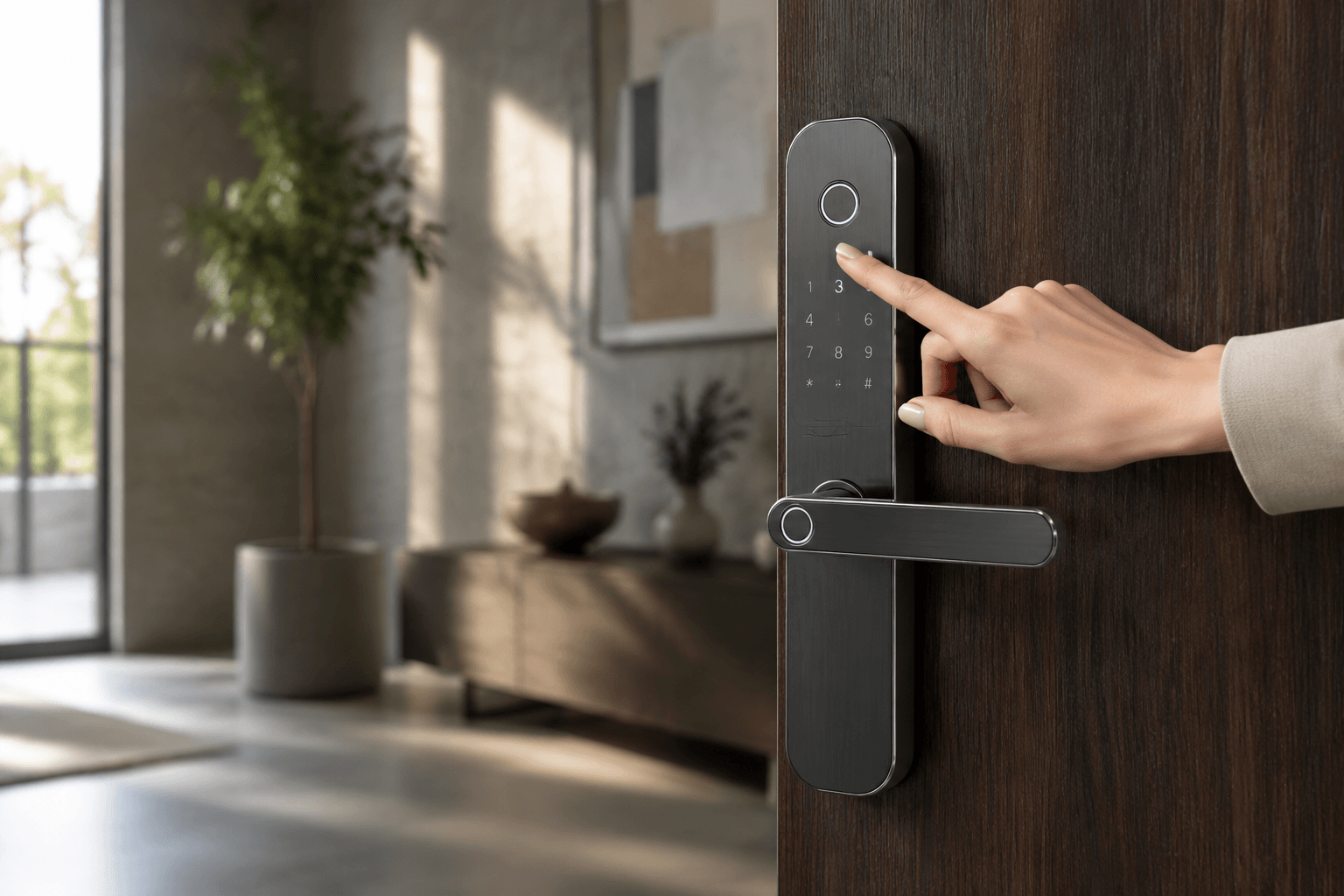
Selecting the ideal smart lock requires matching product capabilities to project requirements. For residential use, buyers often focus on ease of installation, app-based control, and aesthetic design. Rental property managers prioritize features like audit trails, temporary passcodes, and remote lock access.
Hospitality projects demand scalable solutions that integrate seamlessly into hotel management systems. Keyless entry deadbolts with RFID card access and customizable PINs improve guest experience while reducing front desk workload. KEYPLUS provides tailored solutions for hotels, including locks with integrated video intercoms for enhanced security.
Strategic Sourcing for OEM/ODM and Long-Term Partnerships
To reduce project risk and optimize procurement efficiency, distributors and importers should prioritize suppliers with OEM/ODM flexibility, stable lead times, and comprehensive support. Companies like KEYPLUS offer scalable manufacturing capabilities, low MOQs, and robust after-sales service, ensuring consistent quality and timely delivery.
Looking ahead, the smart lock market will continue to evolve with advancements in biometric authentication, cloud-based access management, and AI-enhanced security features. Buyers who align with innovative suppliers will gain a competitive edge in delivering cutting-edge solutions to their markets.
Frequently Asked Questions
How do I program my Kwikset keyless entry?
To program your Kwikset keyless entry lock, follow the instructions in the user manual provided with your device. According to Kwikset, programming typically involves entering a master code followed by the desired user codes.
Ensure your lock is powered and follow the steps carefully to avoid errors. If issues arise, contact the manufacturer’s support team for assistance. For buyers, reliable customer support is a critical factor when sourcing smart locks.
How do I reset my Kwikset keyless entry lock?
Resetting a Kwikset keyless entry lock involves removing the lock from the door, pressing the reset button, and reprogramming it. Detailed instructions can be found in the Kwikset keypad deadbolt manual.
For distributors, offering locks with clear documentation simplifies installation and maintenance for end users, reducing return rates and support costs.
What is the vulnerability of Kwikset smart locks?
Like all electronic locks, Kwikset smart locks may be vulnerable to hacking if not properly secured. Industry research highlights the importance of secure app ecosystems and data encryption to mitigate risks.
Buyers should prioritize locks with robust security protocols and certifications to ensure reliability in high-traffic applications.
What are the disadvantages of a smart door lock?
Smart door locks can be expensive and require battery maintenance. Additionally, compatibility with existing doors and app ecosystems can present challenges.
For B2B buyers, evaluating supplier support for installation and troubleshooting is crucial for minimizing operational disruptions.
What locks do locksmiths recommend?
Locksmiths often recommend ANSI/BHMA Grade 1 certified locks for commercial and residential applications. These locks provide superior durability and security.
Buyers should confirm certifications and consult with suppliers like KEYPLUS to ensure compatibility with project requirements.
Do digital door locks work when power goes out?
Most digital door locks include mechanical key backups to ensure functionality during power outages. Battery-operated models also maintain performance.
Buyers should verify backup features and battery reliability when selecting locks for critical applications.

