
Home Door Locks: Trends and Smart Solutions for 2024
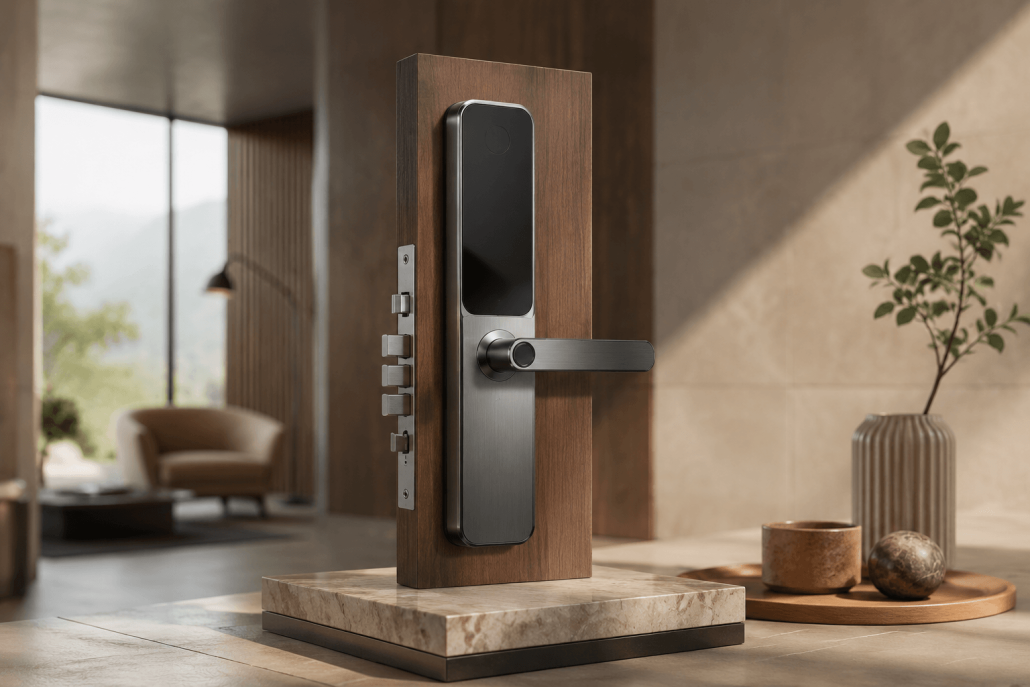
The global smart lock market is projected to reach $8.13 billion by 2026, driven by growing demand for secure and convenient access control solutions (Fortune Business Insights, 2023). With smart home penetration expected to surpass 60% in developed markets by 2026 (Statista, 2024), B2B buyers are increasingly investing in advanced home door locks. These solutions cater to residential, rental, and hospitality applications, offering features such as remote access, app integration, and biometric authentication.
Why Demand for Smart Home Door Locks Is Growing
For B2B buyers, selecting the right home door locks supplier is critical. KEYPLUS offers certified smart lock solutions with TTLock/Tuya integration, OEM/ODM flexibility, and competitive MOQ. Learn more below.
The demand for smart locks is surging due to increased adoption of smart home ecosystems and heightened security concerns. MarketsandMarkets reports a compound annual growth rate (CAGR) of 18.4% for the smart lock industry, underscoring the sector’s rapid expansion (2023). For property managers and homeowners, the ability to control access remotely and customize security settings is a game changer.
Moreover, industries such as hospitality and real estate are embracing smart locks to streamline operations and enhance user experiences. For example, temporary PINs and remote access features are ideal for rental properties and vacation homes. Companies like KEYPLUS, known for their integration of TTLock and Tuya smart ecosystems, offer tailored solutions for these dynamic use cases.
Key Features B2B Buyers Evaluate in Home Door Locks
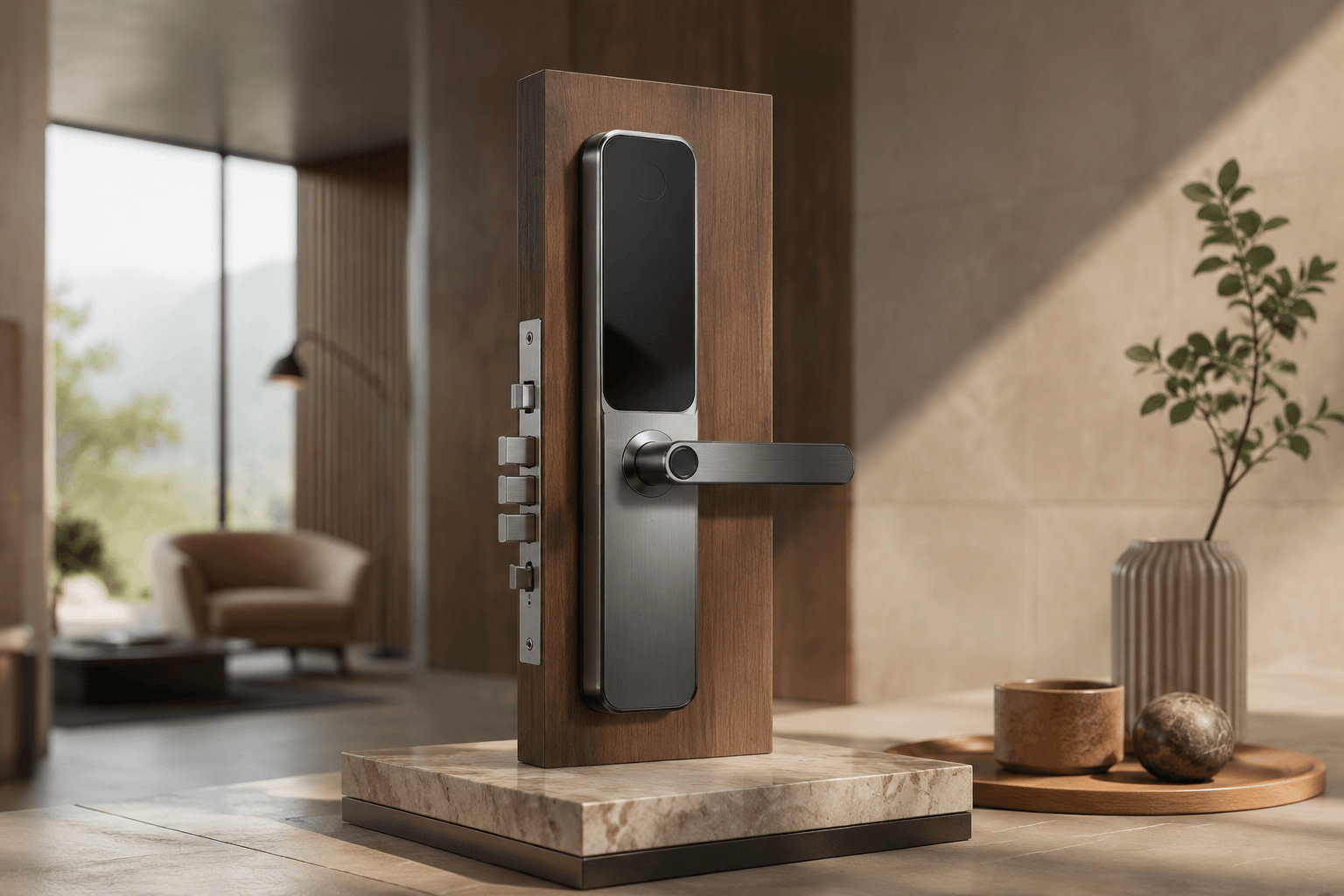
B2B buyers prioritize several critical features when sourcing smart locks. According to McKinsey (2023), 73% of buyers consider app integration and remote access essential. This reflects the growing need for seamless connectivity within smart home ecosystems. Keyless entry, biometric authentication, and temporary passcodes are also top considerations for residential and commercial projects.
As Sarah Jenkins, a Property Technology Consultant, states: “Buyers are looking for smart locks that balance advanced functionality with ease of installation and long-term reliability.” Additionally, certifications such as ANSI/BHMA Grade 1 are required for 68% of commercial access control projects, ensuring compliance with stringent security standards (BHMA, 2023).
KEYPLUS stands out by offering a diverse product lineup, including mortise locks, deadbolt smart locks, and invisible locks. Their solutions support app-based management, fingerprint recognition, and mechanical key backups, making them suitable for varied applications.
Compliance, Standards, and Technical Considerations
Compliance with industry standards is a non-negotiable factor for importers and distributors. Certifications such as CE, FCC, and RoHS ensure product safety and compatibility with international markets. For commercial projects, ANSI/BHMA grading provides assurance of durability and security performance.
Battery life is another critical consideration. High-quality smart locks typically offer extended battery performance, reducing maintenance costs. Furthermore, compatibility with different door types and thicknesses ensures seamless installation across residential, rental, and hospitality projects.
KEYPLUS products undergo rigorous testing to meet these standards, offering reliability and peace of mind for B2B buyers. Their solutions are designed to integrate smoothly with smart home platforms, enhancing user convenience and operational efficiency.
Choosing the Right Home Door Lock for Your Project
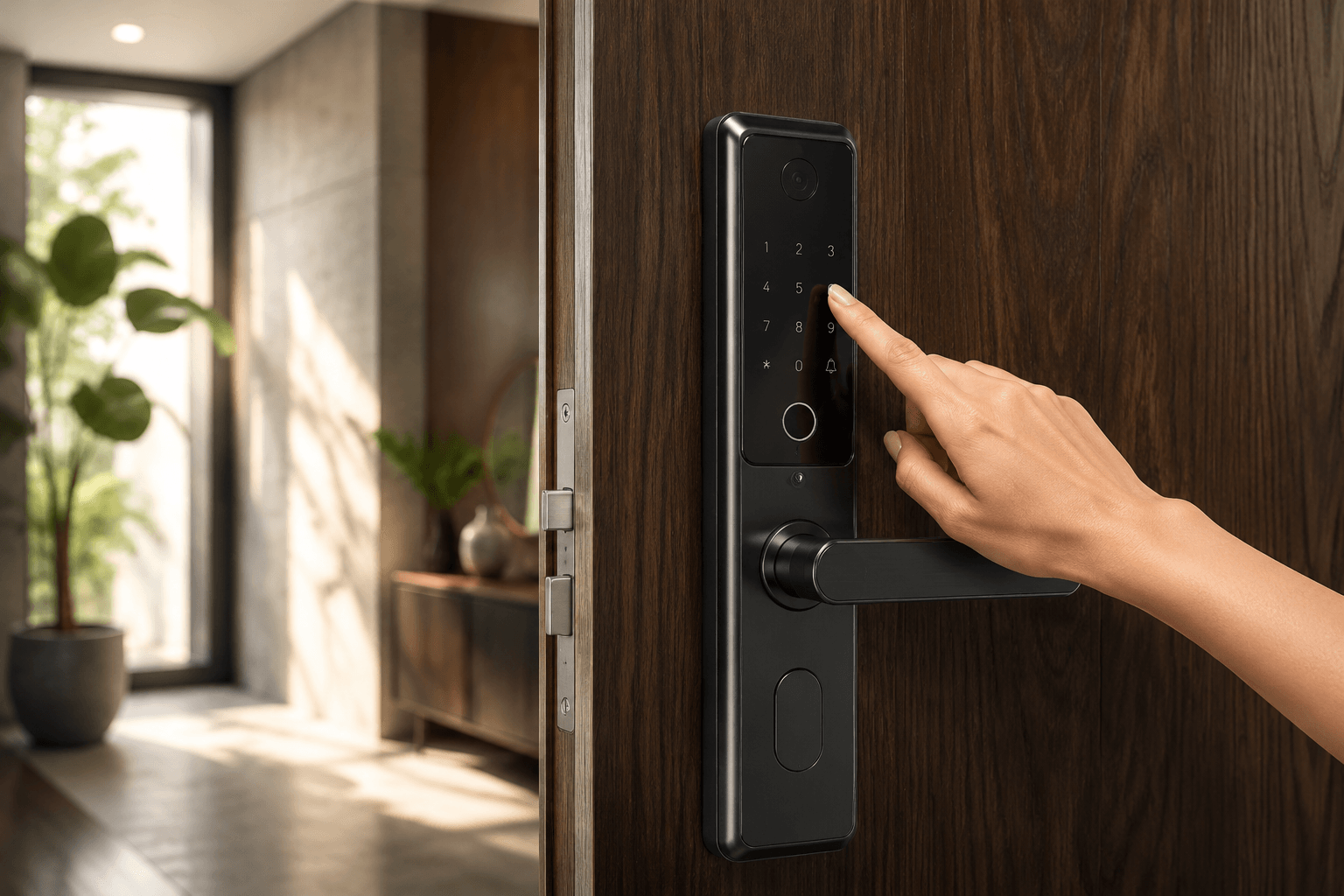
Selecting the ideal smart lock depends on the specific application and user needs. For residential properties, features like fingerprint authentication and app control offer convenience and security. In rental scenarios, temporary PINs and audit trail functionality are invaluable for managing guest access.
Hospitality projects, on the other hand, require robust systems that integrate with property management software. Smart locks with RFID card access and remote management capabilities streamline operations and enhance guest experiences. KEYPLUS provides OEM/ODM customization to meet these varied requirements, ensuring optimal functionality for each use case.
Practical considerations such as installation compatibility, lead times, and MOQ (minimum order quantity) should also guide sourcing decisions. Working with a reliable supplier like KEYPLUS can reduce project risks and improve delivery timelines.
Sourcing Strategies and Future Trends in Smart Locks
To stay competitive, B2B buyers must align their sourcing strategies with emerging trends. Biometric authentication, such as palm vein and 3D face recognition, is gaining traction in both residential and commercial markets. Additionally, cloud-based access management and voice assistant compatibility are becoming standard features.
For importers and distributors, partnering with manufacturers offering OEM/ODM services ensures flexibility and product differentiation. KEYPLUS excels in this area, providing tailored solutions that meet diverse market demands. As smart lock adoption grows, strategic sourcing decisions will play a crucial role in capturing market opportunities.
Frequently Asked Questions
What is the best home door lock?
The best home door lock depends on your specific needs. For example, smart locks with biometric authentication and app control are ideal for residential use. According to McKinsey (2023), 73% of buyers prioritize remote access and app integration. Consider factors like door compatibility, user management, and certification when choosing a lock.
Which door lock is the most secure?
ANSI/BHMA Grade 1 locks are considered the most secure for both residential and commercial applications. These locks undergo rigorous testing to ensure durability and resistance to tampering (BHMA, 2023). Smart locks with advanced encryption and biometric features offer additional layers of security.
Why put a rubber band on a doorknob when you’re alone?
Using a rubber band on a doorknob is a temporary measure to prevent accidental locking. However, this is not a secure solution. For enhanced security, consider installing a smart lock with keyless entry and remote access features.
What are the best locks to keep burglars out of your house?
Smart locks with biometric authentication, reinforced deadbolts, and ANSI/BHMA certifications are highly effective. According to MarketsandMarkets (2023), the smart lock market is growing at a CAGR of 18.4%, reflecting increased demand for advanced security solutions. Look for locks with audit trails and tamper alerts for added protection.
Are smart locks compatible with all door types?
Most smart locks are designed to fit standard door sizes and types. However, it’s essential to check compatibility with door thickness and lock body dimensions. KEYPLUS offers versatile solutions that accommodate various door configurations, ensuring a seamless fit.
How can I ensure my smart lock is reliable?
Choose a smart lock from a reputable manufacturer with certifications like CE, FCC, and ANSI/BHMA. Additionally, look for features like long battery life and robust app ecosystems. Partnering with an experienced supplier like KEYPLUS ensures product quality and after-sales support.

