
Digital Keypad Door Lock Trends for Smart Buyers
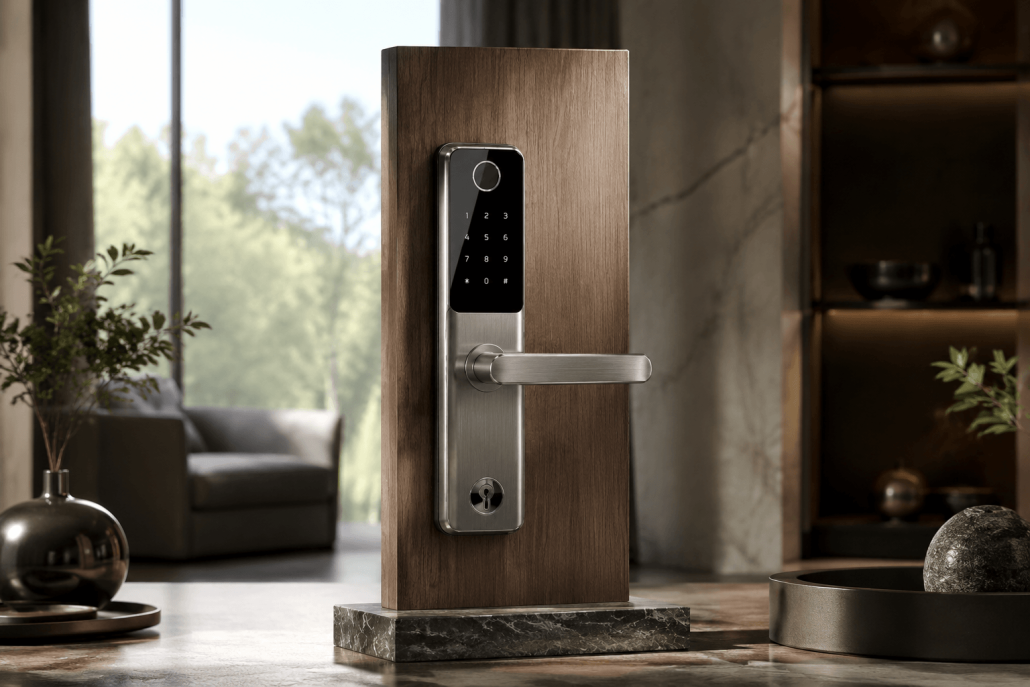
The global smart lock market is projected to reach $8.13 billion by 2026 (Fortune Business Insights, 2023). As smart home penetration is expected to surpass 60% in developed markets by 2026 (Statista, 2024), the demand for digital keypad door locks is surging. These advanced locks are revolutionizing residential, rental, and commercial access control systems, offering convenience, security, and seamless integration with smart home ecosystems. For B2B buyers, understanding the latest trends and critical evaluation criteria is essential to sourcing the right products for various applications.
Growing Demand for Digital Keypad Door Locks in Key Sectors
The adoption of smart locks is accelerating across multiple sectors, driven by a growing need for security and convenience. According to MarketsandMarkets (2023), the smart lock market is expanding at a compound annual growth rate (CAGR) of 18.4%. This growth is fueled by increased urbanization, rising consumer awareness, and a shift towards keyless entry systems in both residential and commercial spaces.
In the hospitality sector, digital keypad door locks are becoming a standard feature in hotels, enabling seamless guest check-in and check-out processes. For property managers, these locks simplify rental property access by allowing remote access control and temporary PIN generation. In addition, the growing integration of smart locks with platforms like TTLock and Tuya has made management easier for multi-unit apartment complexes and Airbnb hosts.
For residential applications, homeowners are prioritizing security and convenience. Features like biometric locks and fingerprint door locks provide enhanced security while eliminating the need for physical keys. As one of the leading manufacturers of smart locks, KEYPLUS offers a range of customizable solutions tailored for residential, rental, and commercial needs.
Key Features B2B Buyers Evaluate in a Smart Lock Supplier
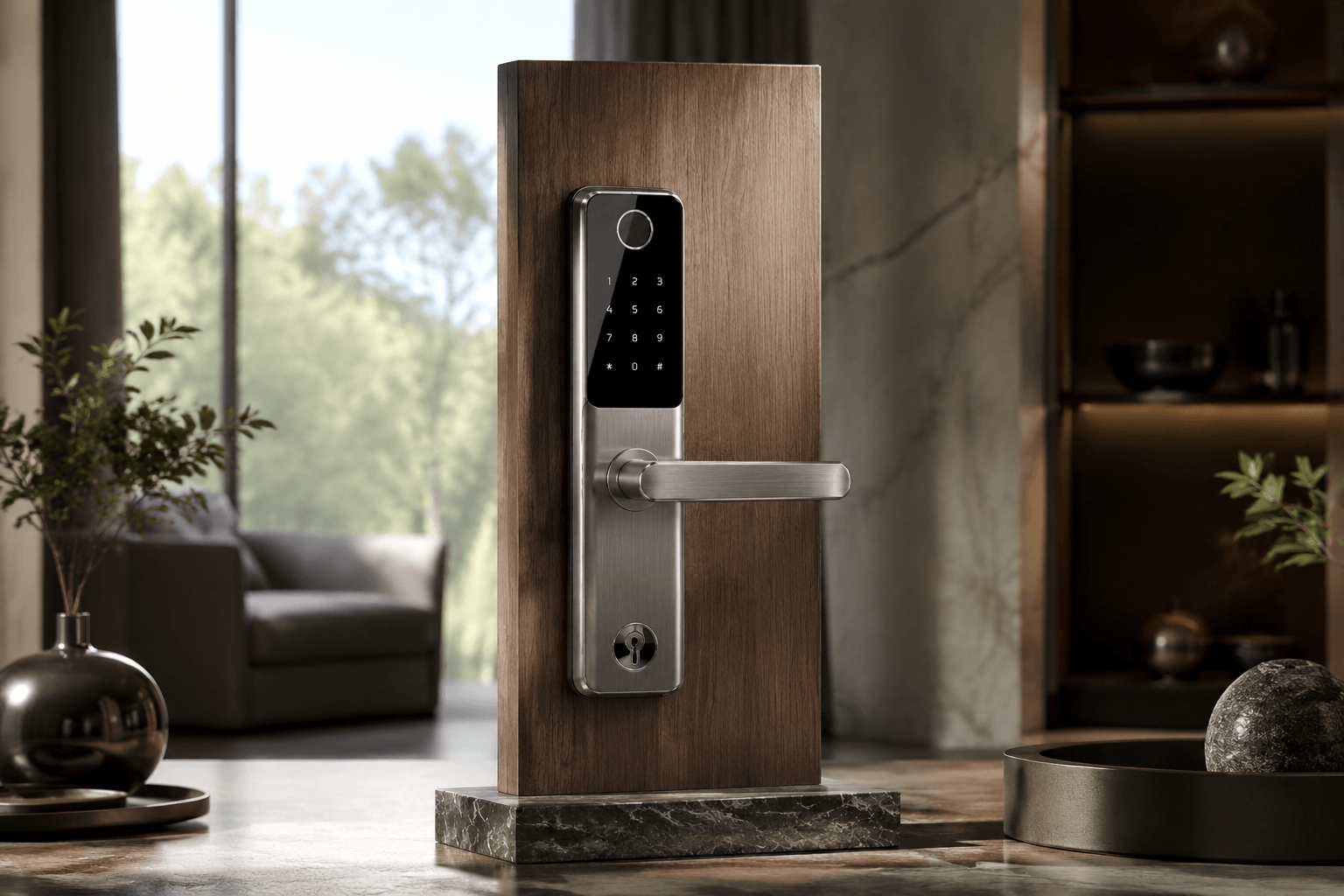
When selecting a digital keypad door lock supplier, B2B buyers consider several technical and commercial factors. Unlock methods are a primary concern, with buyers seeking options such as fingerprint recognition, RFID card access, and app-based control. For example, 73% of B2B buyers prioritize app integration and remote access when sourcing smart locks (McKinsey, 2023). Products with TTLock or Tuya compatibility offer seamless control through mobile applications, making them highly appealing to tech-savvy consumers.
Installation compatibility is another critical factor. Smart locks must accommodate various door types, including mortise locks, deadbolts, and latch locks. Buyers should ensure that the selected locks are suitable for their specific applications, whether for residential, commercial, or hospitality projects. As John Smith, a Security Analyst, states: “A reliable smart lock supplier must deliver versatile solutions that adapt to diverse door types and installation environments.”
Certifications also play a significant role. ANSI/BHMA Grade 1 certification, for instance, is required for 68% of commercial access control projects (BHMA, 2023). These certifications ensure that locks meet stringent safety and durability standards. KEYPLUS provides products that meet international standards such as CE, FCC, and RoHS, offering peace of mind to importers and project buyers.
Compliance, Standards, and Product Qualification Requirements
Compliance with industry standards is non-negotiable for B2B buyers. Certifications like CE, FCC, and RoHS are often prerequisites for importing and selling smart locks in various markets. Additionally, locks installed in commercial settings frequently require compliance with ANSI/BHMA grading to ensure durability and security.
Battery life is another important consideration. High-quality smart locks should feature energy-efficient designs to minimize maintenance costs. Buyers should also evaluate IP ratings to ensure the locks can withstand environmental factors like dust and moisture. For example, an IP65-rated smart lock is ideal for outdoor installations. Furthermore, seamless integration with smart home ecosystems such as Tuya and TTLock enhances the user experience and adds value for end-users.
How to Choose the Right Digital Keypad Door Lock for Various Applications
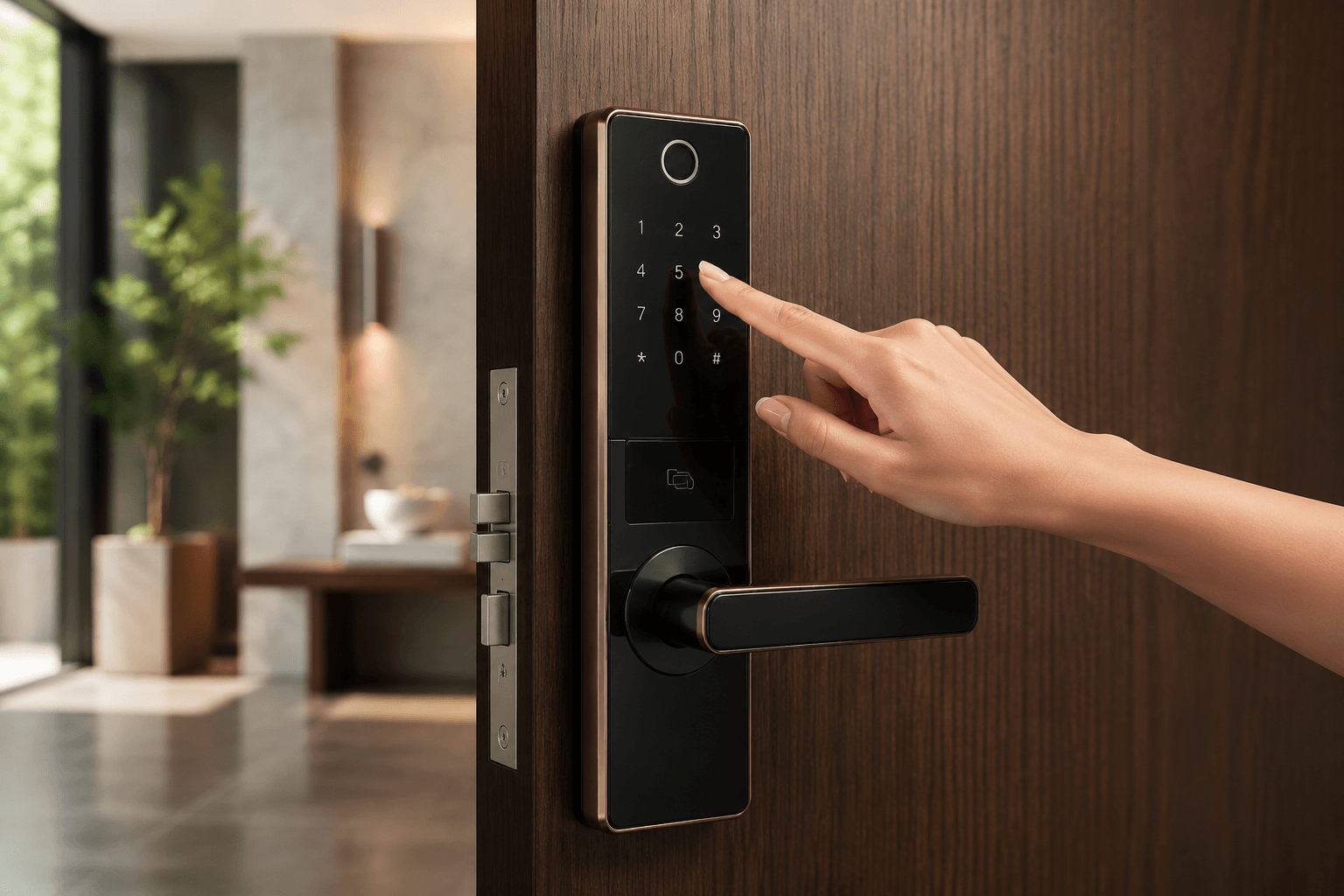
Choosing the right digital keypad door lock depends on the intended application. For residential properties, features like fingerprint door locks and app-based remote access are highly desirable. In contrast, hotels often prioritize RFID card access and centralized access control systems to manage multiple rooms efficiently. Similarly, landlords of rental properties benefit from temporary PIN features, which allow them to grant and revoke access as needed.
Door compatibility is another crucial factor. Buyers should confirm that the lock design fits the specific door type, thickness, and material. Additionally, the software ecosystem should support features like audit trails, user management, and integration with third-party platforms. KEYPLUS offers a range of solutions tailored to these diverse needs, backed by robust OEM/ODM capabilities and competitive lead times.
Future Outlook for Smart Lock Manufacturing and Strategic Sourcing
The future of digital keypad door locks is promising, with advancements in biometric technology and cloud-based access management leading the way. As the global smart lock market continues to grow, buyers can expect more sophisticated features like face recognition and palm vein authentication to become mainstream. These technologies will further enhance security and convenience for both residential and commercial users.
For B2B buyers, partnering with reliable manufacturers like KEYPLUS can offer significant advantages. With extensive experience in smart lock R&D and production, KEYPLUS provides tailored solutions for various industries, including hospitality, property management, and residential projects. Their commitment to quality, certification, and customer support ensures a streamlined sourcing process and long-term success.
Frequently Asked Questions
Is a digital door lock worth it?
Yes, a digital door lock is worth the investment. According to MarketsandMarkets (2023), the smart lock market is growing at a CAGR of 18.4%, indicating strong consumer demand for secure and convenient access solutions. Digital locks eliminate the need for physical keys, reduce the risk of lockouts, and often integrate with smart home systems for added functionality. For businesses, these locks can streamline access management and improve security.
What is the best keypad lock for doors?
The best keypad lock for doors depends on your specific needs. For residential use, a digital keypad door lock with fingerprint recognition and app integration, like those offered by KEYPLUS, is ideal. For commercial applications, prioritize ANSI/BHMA-certified locks for enhanced durability and security. Always consider the lock’s compatibility with your door type and smart home ecosystem.
Are there any dangers of keypad locks for the front door?
While keypad locks offer many benefits, there are some potential risks. Unauthorized access can occur if PIN codes are shared or easily guessed. However, modern digital keypad door locks, like those integrated with TTLock or Tuya, often include advanced security features such as two-factor authentication and automatic lockout after multiple incorrect attempts.
What are the disadvantages of digital door locks?
One disadvantage of digital door locks is their reliance on power sources like batteries. However, many models feature long-lasting batteries and low-battery indicators to mitigate this issue. Additionally, some users may find the initial cost higher than traditional locks, but the long-term benefits of convenience and security often outweigh the upfront expense.
Can a keyless entry door lock include a camera?
Yes, some keyless entry door locks come with integrated cameras for added security. These models often include features like real-time video monitoring and two-way communication. When selecting a lock with a camera, ensure it supports your smart home ecosystem and complies with privacy regulations like GDPR.
How do I ensure a digital keypad door lock is secure?
To ensure security, choose a lock with robust features like biometric authentication, two-factor verification, and ANSI/BHMA certification. As John Smith, Security Analyst, states: “A certified and well-tested lock is the cornerstone of any secure access control system.” Additionally, consider brands like KEYPLUS that offer high-quality manufacturing and comprehensive support.

