
Smart Home Door Lock Trends for B2B Buyers | KEYPLUS
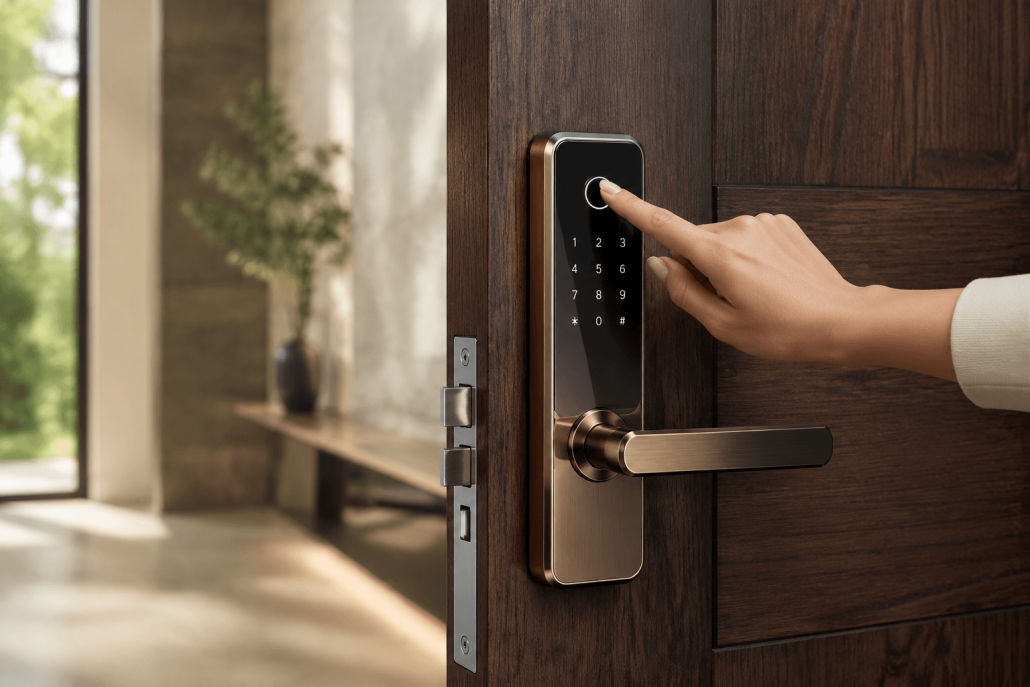
The global smart lock market is expected to reach $8.13 billion by 2026, growing at an impressive compound annual growth rate (CAGR) of 18.4% (Fortune Business Insights, 2023; MarketsandMarkets, 2023). This surge is driven by rising demand for secure, convenient, and connected solutions in residential, rental, and commercial spaces. As smart home penetration in developed markets is projected to surpass 60% by 2026 (Statista, 2024), B2B buyers are increasingly prioritizing advanced features such as app integration, remote access, and robust security certifications. With these trends in mind, choosing the right smart home door lock supplier has become a critical business decision.
About Smart Home Door Lock: Market Demand and Application Trends for Smart Locks
For B2B buyers, selecting the right smart home door lock supplier is critical. KEYPLUS offers certified smart lock solutions with TTLock/Tuya integration, OEM/ODM flexibility, and competitive MOQ. Learn more below.
Smart locks are no longer a luxury but a necessity in modern residential and commercial spaces. The ongoing shift toward smart homes, coupled with the rise of multi-family housing and short-term rental platforms, has significantly boosted demand for advanced access control solutions. In particular, property managers and landlords are turning to smart locks to streamline tenant access and reduce operational costs.
In the hospitality industry, the adoption of smart locks is transforming guest experiences. Hotels now offer keyless entry systems that integrate with mobile apps, enabling seamless check-ins and check-outs. This not only enhances convenience but also reduces the cost of managing physical keys. In addition, with 73% of B2B buyers prioritizing app integration and remote access when sourcing smart locks (McKinsey, 2023), the emphasis on connectivity and user experience is clear.
KEYPLUS, a leading smart lock manufacturer, offers a diverse range of solutions tailored for various applications. Their products, including biometric smart locks and TTLock-enabled devices, are designed to meet the needs of residential properties, rental units, and hotels alike. By providing comprehensive OEM and ODM services, KEYPLUS ensures that B2B customers can customize products to meet specific project requirements.
Key Features B2B Buyers Evaluate in a Smart Lock Supplier
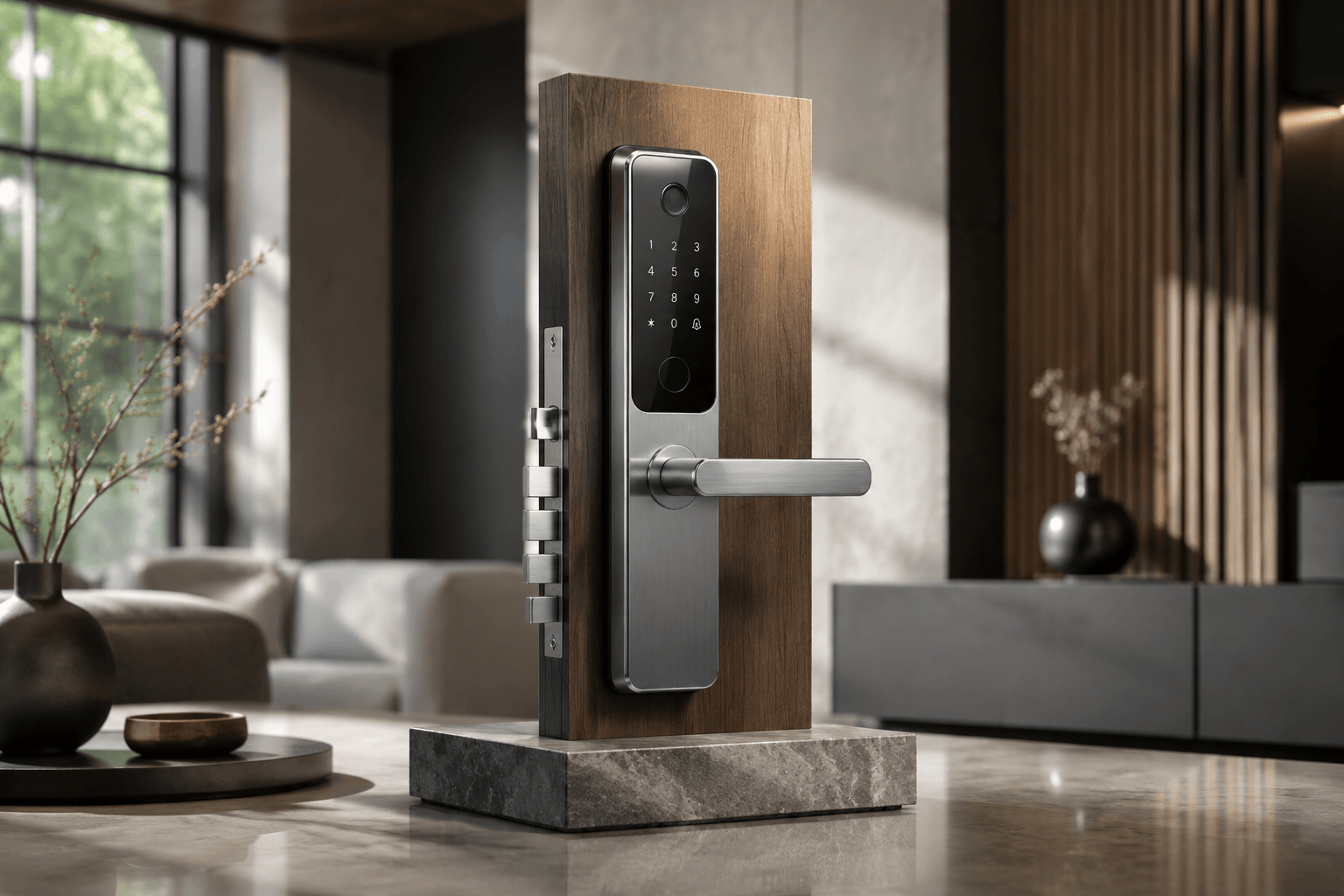
When choosing a smart lock supplier, B2B buyers must evaluate several key factors. First and foremost is the range of unlock methods. From fingerprint and face recognition to RFID cards and temporary PINs, modern smart locks offer diverse options to meet user needs. For instance, biometric smart locks provide enhanced security by ensuring that only authorized users can access a property.
Another critical consideration for buyers is app integration. Leading smart lock ecosystems like Tuya and TTLock provide seamless remote access and advanced features such as user management, audit trails, and real-time notifications. These capabilities are particularly valuable for property managers and hospitality providers who need to efficiently manage multiple users.
In addition to features, buyers must assess the compatibility of smart locks with different door types and installation environments. Mortise locks, deadbolts, and latch locks each serve specific use cases, and it is essential to select a solution that aligns with the project’s requirements. As Sarah Chen, a property technology consultant, emphasizes: “A reliable smart lock supplier must offer versatile solutions that cater to diverse installation scenarios, from residential homes to large-scale apartment complexes.”
Lastly, quality assurance and after-sales support are crucial. B2B buyers should look for manufacturers with a proven track record of delivering consistent product quality and providing robust technical support. KEYPLUS, for example, excels in these areas, offering CE-certified products and comprehensive project documentation to ensure compliance and reliability.
Compliance, Standards, and Product Qualification Requirements
Meeting compliance and certification standards is a non-negotiable requirement for smart lock suppliers. For example, ANSI/BHMA Grade 1 certification is required for 68% of commercial access control projects (BHMA, 2023). This standard ensures that locks meet rigorous durability and security benchmarks, making them suitable for high-traffic areas.
Similarly, CE and FCC certifications are essential for products targeting the European and North American markets, respectively. These certifications demonstrate compliance with safety, health, and environmental protection standards. RoHS compliance is another critical factor, as it ensures that products are free from hazardous substances, making them environmentally friendly.
Technical considerations such as battery life, IP ratings, and software compatibility also play a significant role. For instance, a long battery life is crucial for minimizing maintenance costs, especially in multi-unit properties. An IP65-rated smart lock, on the other hand, offers protection against dust and water, making it ideal for outdoor installations.
KEYPLUS stands out as a trusted partner for B2B buyers, offering a range of certified products and robust testing processes to ensure quality and compliance. Their expertise in integrating TTLock and Tuya platforms further enhances their appeal to buyers seeking advanced smart lock solutions.
Choosing the Right Smart Lock for Your Project
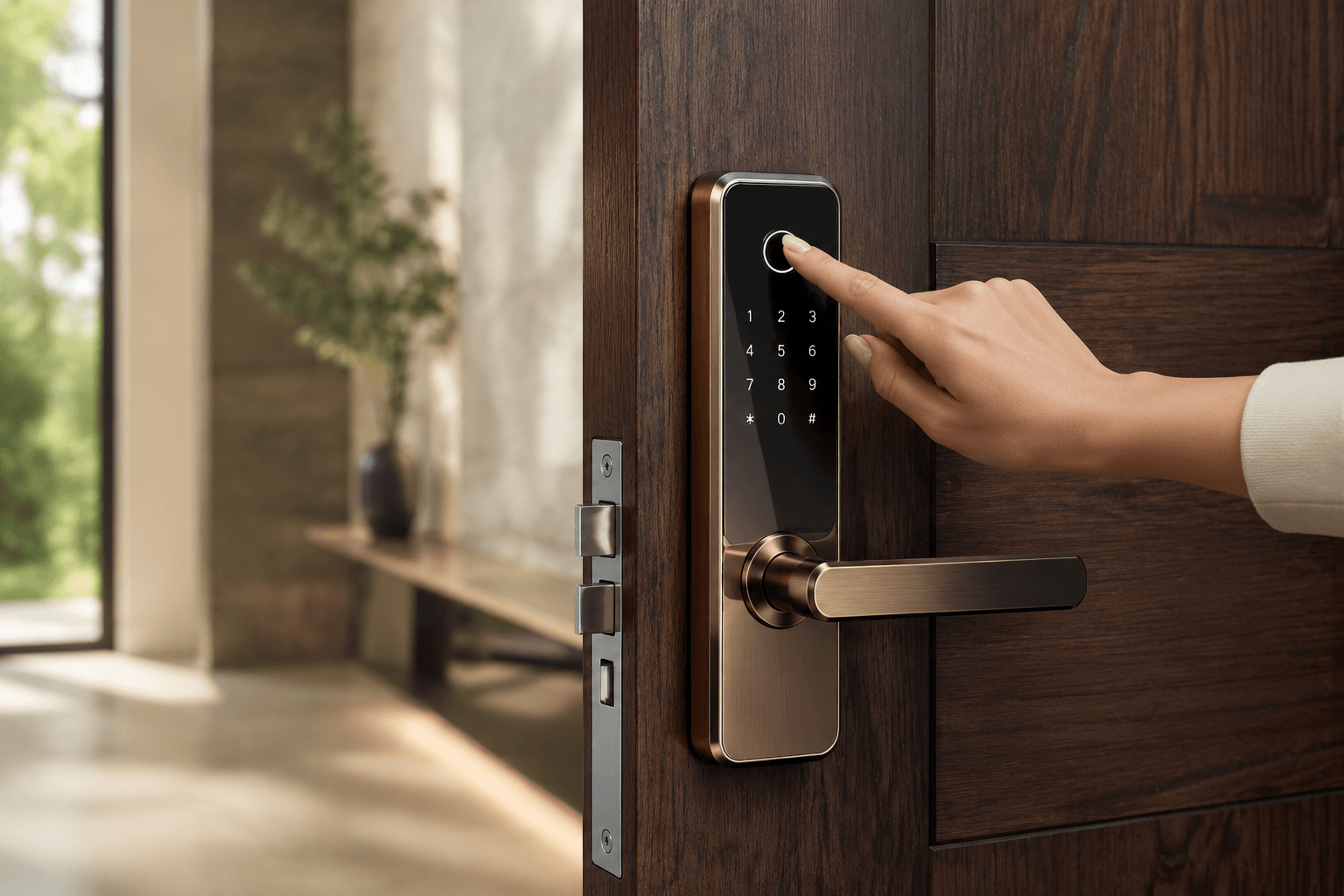
Selecting the right smart home door lock depends on various factors, including the intended application, door type compatibility, and software ecosystem. For residential properties, fingerprint and keyless entry locks are popular due to their user-friendly design. In contrast, hotels often require locks with RFID card access and centralized management systems.
Rental property owners should consider locks with features like temporary PINs and remote access. These enable seamless check-ins and check-outs while maintaining security. Additionally, locks integrated with Tuya or TTLock platforms offer robust user management and audit trail capabilities, which are essential for managing multiple tenants.
Installation compatibility is another critical factor. For example, mortise locks are ideal for commercial doors, while deadbolt smart locks are better suited for residential use. Buyers should also evaluate the supplier’s ability to provide technical support and installation guidance, as these can significantly impact project timelines and costs.
KEYPLUS offers a comprehensive range of products designed for various use cases. Their OEM and ODM capabilities allow buyers to customize solutions, ensuring a perfect fit for their projects. With competitive MOQs and reliable lead times, KEYPLUS is a preferred choice for distributors and project buyers worldwide.
Future Outlook for Smart Lock Manufacturing and Strategic Sourcing
The future of smart lock manufacturing is poised for significant innovation and growth. Biometric technologies, such as face and palm vein recognition, are expected to gain traction in both residential and commercial markets. Additionally, the integration of smart locks with cloud-based access management systems will enable more advanced features, including real-time monitoring and predictive maintenance.
For B2B buyers, sourcing strategies must focus on long-term partnerships with manufacturers that offer flexibility, quality, and compliance. By partnering with a reliable supplier like KEYPLUS, businesses can ensure stable product quality, efficient project delivery, and access to the latest technological advancements. As the smart lock market continues to grow, investing in a trusted supplier will be critical to staying competitive in this dynamic industry.
Frequently Asked Questions
What are the downsides of smart locks?
Smart locks offer convenience, but they are not without drawbacks. For instance, they rely on power or battery sources and may fail during power outages. However, most modern smart locks, such as those from KEYPLUS, include mechanical key backups to address this issue. Additionally, some users express concerns about hacking risks, but choosing a lock with robust encryption and certification, such as CE or ANSI/BHMA, can mitigate these risks.
What is the best smart lock for your home?
The best smart home door lock depends on your specific needs. For example, fingerprint locks are ideal for families, while locks with temporary PIN features are perfect for guests and service providers. KEYPLUS offers a versatile range of smart locks, including TTLock and Tuya-integrated models, to suit diverse residential requirements.
What locks do police recommend for doors?
Police often recommend locks with ANSI/BHMA Grade 1 certification for their high-security standards. These locks are designed to withstand significant force and provide enhanced protection against break-ins. Additionally, smart locks with audit trail features can deter unauthorized access and provide valuable information in case of security breaches.
What happens if Wi-Fi goes out on a smart lock?
If the Wi-Fi connection to a smart lock is lost, most locks will still function using local Bluetooth or manual override options like a mechanical key. For example, Tuya-enabled smart locks often include backup access methods to ensure uninterrupted security. Buyers should confirm these features with their suppliers to avoid potential issues during power or internet outages.
Are smart locks safe for rental properties?
Yes, smart locks are highly effective for rental properties. With features like remote access, temporary PINs, and audit trails, landlords can manage tenant access without physical keys. This not only enhances security but also improves operational efficiency. KEYPLUS offers tailored solutions for rental properties, ensuring seamless integration with property management systems.
Why choose a CE-certified smart lock?
CE certification ensures that a smart lock meets European safety, health, and environmental standards. This certification is particularly important for businesses importing or distributing products in the EU market. Partnering with a CE-certified manufacturer like KEYPLUS reduces compliance risks and ensures product reliability.

