
Best Keyless Entry System for Business: Trends & Buyer Insights
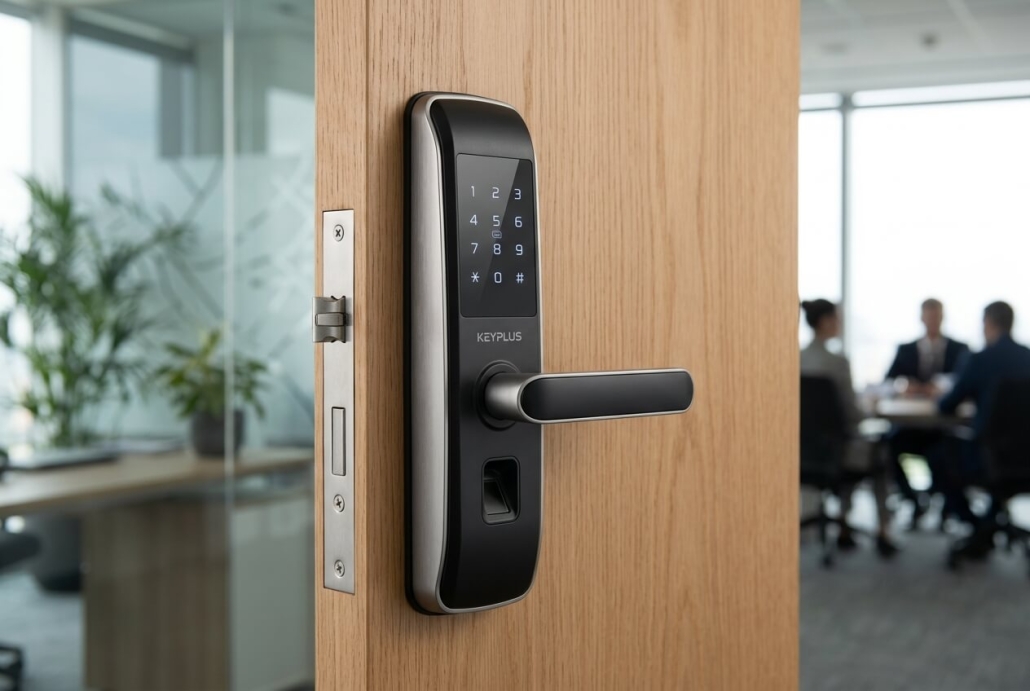
When considering Best Keyless Entry System For Business, the global smart lock market is projected to reach $8.13 billion by 2026, driven by rising demand for secure and efficient access solutions (Fortune Business Insights, 2023). Businesses increasingly prioritize keyless entry systems for their ability to enhance security, streamline operations, and provide a seamless user experience. From offices to hotels and apartment complexes, these systems are becoming essential for modern access control.smart lock market is projected to reach $8.13 billion by 2026, driven by rising demand for secure and efficient access solutions (Fortune Business Insights, 2023). Businesses increasingly prioritize keyless entry systems for their ability to enhance security, streamline operations, and provide a seamless user experience. From offices to hotels and apartment complexes, these systems are becoming essential for modern access control.
About Best Keyless Entry System For Business: Market Demand and Trends in Commercial Keyless Entry Systems
For B2B buyers, selecting the right best keyless entry system for business supplier is critical. KEYPLUS offers certified smart lock solutions with TTLock/Tuya integration, OEM/ODM flexibility, and competitive MOQ. Learn more below.
Demand for commercial keyless entry systems is surging due to the rapid adoption of smart technology in business environments. Smart home penetration in developed markets is expected to surpass 60% by 2026, signaling a broader shift toward connected ecosystems (Statista, 2024). For businesses, integrating keyless entry systems with existing infrastructure offers both convenience and enhanced security.
Access control needs vary by sector. For instance, hotels require solutions like RFID card-based locks or app-enabled systems to manage guest access efficiently. Meanwhile, apartment complexes often adopt TTLock or Tuya-based smart locks for seamless tenant management. These systems allow property managers to issue temporary PINs or revoke access remotely, simplifying operations.
KEYPLUS, a leading smart lock manufacturer, offers extensive OEM and ODM capabilities to meet diverse project requirements. Their solutions support fingerprint door locks, app integration, and remote access, making them ideal for commercial and residential applications.
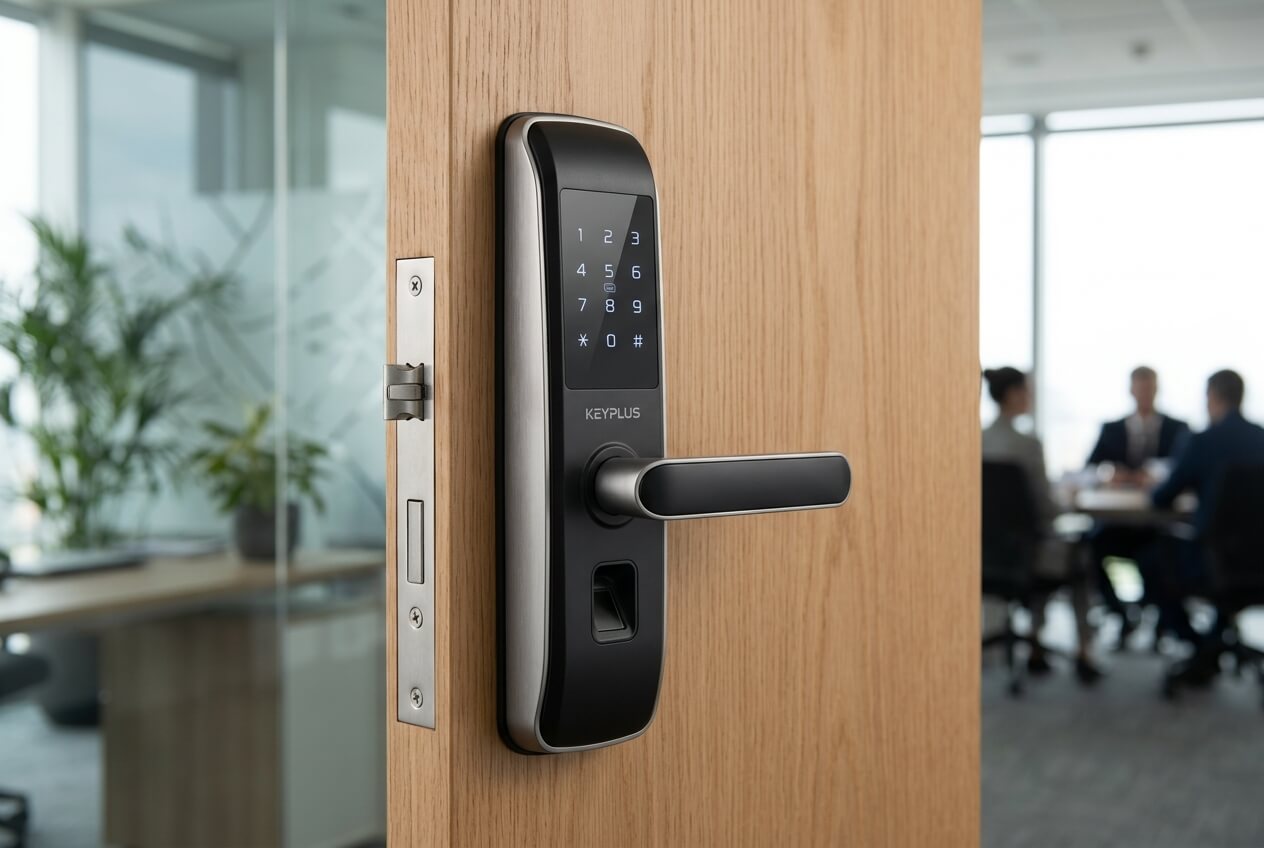
Key Features B2B Buyers Evaluate in Smart Lock Suppliers
When sourcing keyless entry systems, B2B buyers focus on features that balance security, usability, and scalability. According to McKinsey (2023), 73% of buyers prioritize app integration and remote access. This functionality enables real-time control, audit trails, and seamless user management across multiple locations.
Unlock methods are another critical factor. Modern systems support biometric authentication, including fingerprint and face recognition, alongside traditional PIN codes and RFID cards. For example, biometric locks provide enhanced security by ensuring access is limited to authorized individuals.
Compatibility with existing infrastructure is also essential. Buyers must consider door type compatibility, installation requirements, and integration with third-party platforms like Tuya or TTLock. Furthermore, ANSI/BHMA Grade 1 certification is required for 68% of commercial access control projects, underscoring the importance of compliance with industry standards (BHMA, 2023).
As Sarah Lee, a Property Technology Consultant, states: “For businesses, the right keyless entry system is one that aligns with operational needs while offering robust security features. Partnering with a supplier that provides comprehensive support and customization options is key to long-term success.”
Compliance, Standards, and Product Qualification Requirements
Compliance with certifications like CE, FCC, RoHS, and ANSI/BHMA is crucial for importers and distributors. These certifications ensure that products meet safety, quality, and regulatory standards, reducing the risk of compliance issues during installation or operation.
For instance, ANSI/BHMA Grade 1-certified locks are designed to withstand rigorous testing, making them ideal for high-traffic commercial environments. Similarly, products with CE and FCC certifications meet electrical and radio frequency safety requirements, which are critical for export to international markets.
Battery performance and durability are additional considerations. Many smart locks operate on AA batteries, and buyers should evaluate battery life and replacement ease. Solutions that offer low-battery alerts or emergency power options provide added reliability.
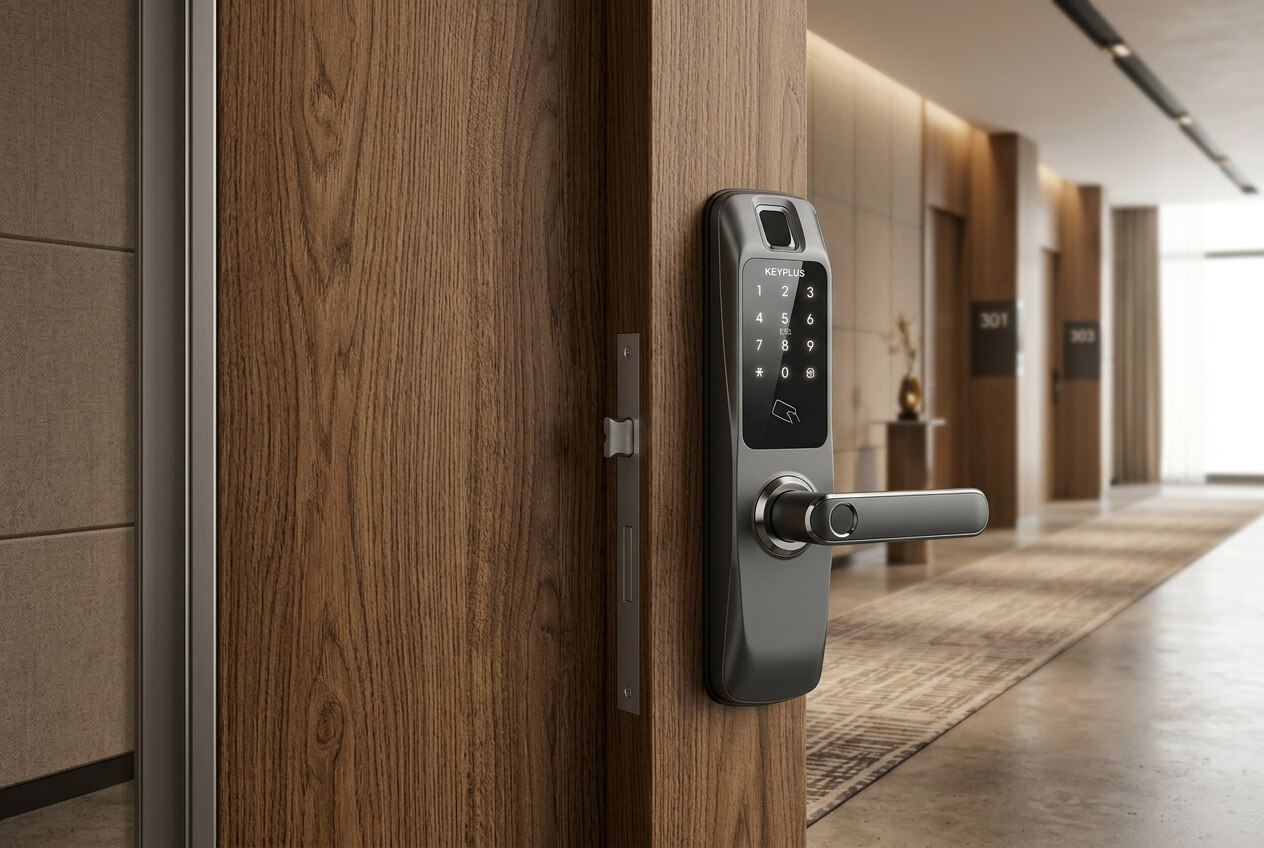
Choosing the Right Smart Lock for Business Applications
Selecting the best keyless entry system for business depends on the specific use case. For hotels, solutions like RFID card-based locks or app-enabled systems streamline guest access management. Apartment managers benefit from TTLock or Tuya-based systems, which allow for remote access and tenant-specific control.
Office environments often require multi-user management, audit trails, and integration with existing security systems. Buyers should consider factors like installation compatibility, software ecosystem, and after-sales support. For example, KEYPLUS offers tailored solutions with a focus on OEM and ODM customization, ensuring that clients receive products suited to their unique needs.
Additionally, businesses should evaluate practical metrics such as return rates, installation efficiency, and overall project costs. A reliable supplier can help minimize risks and ensure timely delivery.
Sourcing Strategies for Long-Term Success
To maximize ROI, importers and distributors should partner with manufacturers that offer flexible MOQs, stable lead times, and comprehensive project support. The smart lock market, growing at a CAGR of 18.4%, presents significant opportunities for strategic sourcing (MarketsandMarkets, 2023).
Looking ahead, trends like cloud-based access management and biometric authentication will continue to shape the industry. Suppliers that invest in R&D and provide scalable solutions will be well-positioned to meet evolving market demands.
For businesses seeking reliable smart lock solutions, collaborating with a trusted partner like KEYPLUS ensures access to high-quality products backed by robust support. This approach not only reduces project risks but also accelerates time-to-market, enabling businesses to stay competitive.
Frequently Asked Questions
What is a keyless entry system for commercial buildings?
A keyless entry system allows access without physical keys, using methods like PIN codes, RFID cards, or biometrics. According to McKinsey (2023), 73% of buyers prioritize systems with app integration and remote access for enhanced control. These systems are ideal for businesses seeking secure and efficient access management.
What is the best brand for a keyless entry door lock?
The best brand depends on your specific needs. KEYPLUS, for example, offers highly customizable solutions with features like biometric authentication, app control, and Tuya compatibility. Their focus on OEM and ODM ensures tailored solutions for various business applications.
Can you put a smart lock on a commercial door?
Yes, smart locks can be installed on commercial doors. Buyers should ensure compatibility with door types and verify compliance with ANSI/BHMA Grade 1 standards for high-traffic environments. Proper installation and integration are key to maximizing functionality.
What locks do police recommend?
Police often recommend locks with ANSI/BHMA Grade 1 certification for their durability and security. Biometric locks and systems with audit trails provide additional layers of protection, making them suitable for commercial use.
How much does a keyless entry system cost?
Costs vary based on features and scale, ranging from $100 for basic locks to $500+ for advanced systems. For large-scale projects, pricing depends on customization, installation, and support services.
What are the drawbacks of keyless entry?
Potential drawbacks include battery dependency and cybersecurity risks. However, reliable systems with low-battery alerts and robust encryption mitigate these concerns. Partnering with a trusted supplier ensures long-term reliability and support.
