
Programmable Door Locks: Trends and Sourcing Insights
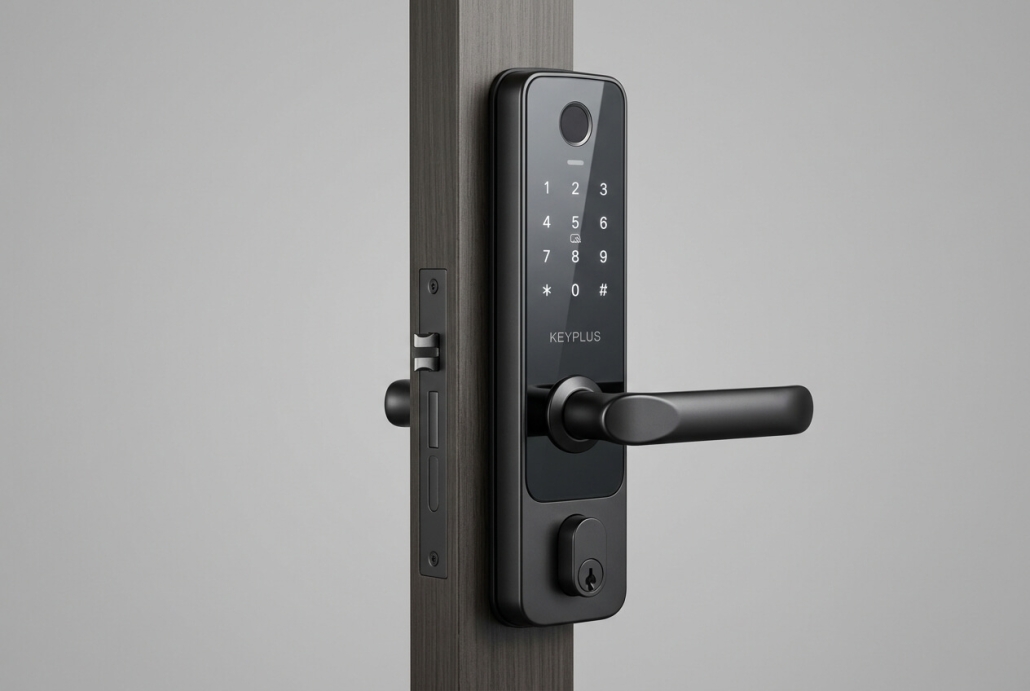
The global smart lock market is projected to reach $8.13 billion by 2026 (Fortune Business Insights, 2023). This growth reflects increasing demand for programmable door locks across residential, commercial, and hospitality sectors. Businesses are prioritizing advanced access control solutions to enhance security, streamline operations, and meet the expectations of modern users. For B2B buyers, choosing the right programmable door locks requires careful evaluation of features, certifications, and supplier capabilities.
Why Demand for Programmable Door Locks is Growing
Smart home penetration in developed markets is expected to surpass 60% by 2026 (Statista, 2024). This trend is driving demand for programmable door locks in residential and rental properties, as users seek solutions that offer convenience and security. Additionally, commercial applications, such as office buildings and retail storefronts, are adopting keyless entry systems to improve operational efficiency.
Hospitality is another key growth area. Hotels increasingly rely on smart locks to provide seamless guest experiences through mobile check-ins and keyless room entry. According to McKinsey (2023), 73% of B2B buyers prioritize app integration and remote access when sourcing smart locks. This highlights the importance of selecting locks compatible with platforms like TTLock and Tuya.
Key Features B2B Buyers Evaluate in Smart Locks
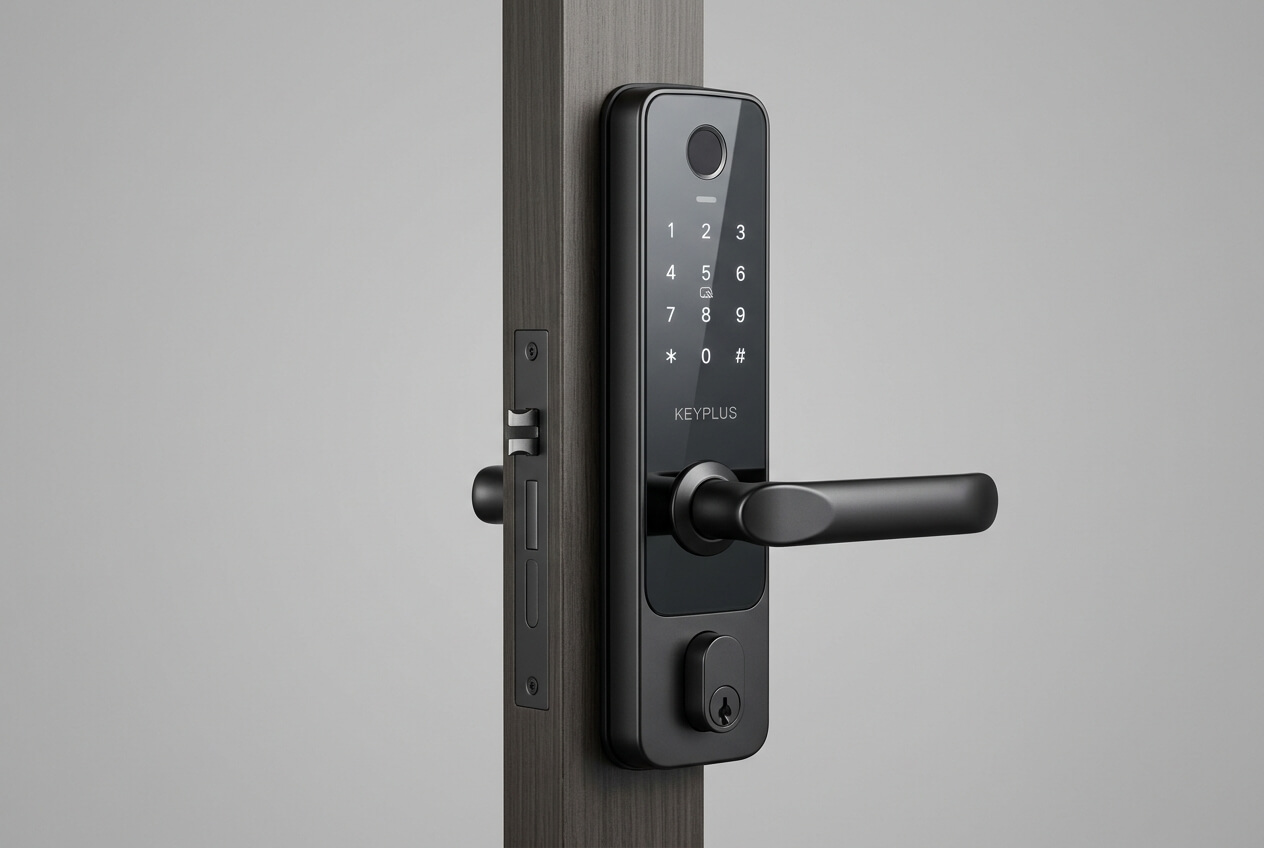
When sourcing programmable door locks, businesses must evaluate several critical features. Unlock methods, such as fingerprint recognition, RFID card access, and temporary PINs, are essential for meeting diverse user needs. Integration with app ecosystems like TTLock or Tuya ensures remote management and scalability for large projects.
Installation compatibility is another priority. Buyers should ensure that locks support various door types, including aluminum storefronts and steel commercial doors. Certifications like ANSI/BHMA Grade 1, which is required for 68% of commercial access control projects (BHMA, 2023), guarantee durability and security.
As Sarah Johnson, a Security Consultant, states: “B2B buyers must prioritize quality consistency and after-sales support when selecting smart lock suppliers. Reliable customer service can significantly reduce downtime and maintenance costs.” For example, companies like KEYPLUS offer OEM/ODM customization, ensuring tailored solutions for specific project needs.
Compliance, Standards, and Technical Considerations
Compliance with international standards is critical for programmable door locks. CE, FCC, and RoHS certifications ensure that products meet safety and environmental requirements. Additionally, locks should feature robust battery systems and low power consumption to minimize maintenance.
Door compatibility is another technical consideration. Buyers must confirm that locks fit specific door thicknesses and configurations, such as mortise or deadbolt setups. For export markets, proper documentation, including test reports and certifications, is essential to avoid delays.
Choosing the Right Smart Lock for Your Application
Each application has unique requirements. Residential buyers often prioritize ease of use and app connectivity, while hospitality projects demand scalable solutions with audit trail capabilities. Rental properties benefit from features like temporary passcodes for short-term tenants.
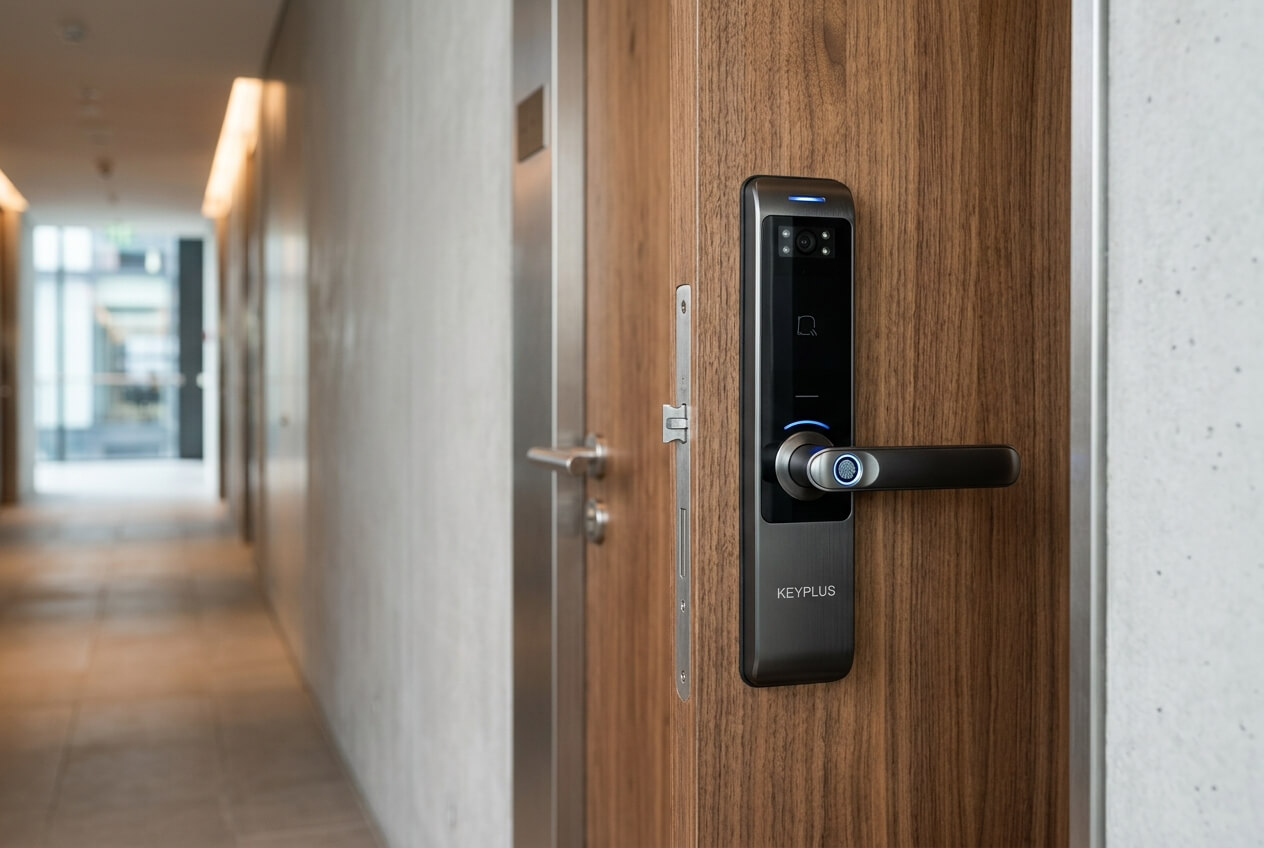
For commercial projects, locks must handle high traffic and integrate with existing access control systems. Buyers should also consider the supplier’s lead time, MOQ, and ability to provide technical support during installation. KEYPLUS, for instance, specializes in project-based solutions, offering tailored products for apartments, hotels, and offices.
Future Trends in Programmable Door Locks and Strategic Sourcing
The future of programmable door locks lies in advanced biometrics, such as palm vein and 3D face recognition. Cloud-based access management and AI-driven analytics are also gaining traction. As the market grows at a CAGR of 18.4% (MarketsandMarkets, 2023), B2B buyers must focus on long-term partnerships with reliable suppliers.
For distributors and importers, sourcing from manufacturers with strong R&D capabilities and certification support is essential. Partnering with suppliers like KEYPLUS can ensure consistent quality, shorter go-to-market cycles, and reduced project risks.
Frequently Asked Questions
What are the disadvantages of smart locks?
Smart locks can be vulnerable to hacking if not properly secured. According to BHMA (2023), locks with strong encryption and regular firmware updates mitigate this risk. Additionally, reliance on batteries may require periodic maintenance. For buyers, selecting locks with low power consumption and backup mechanical keys ensures reliability.
What is the best automatic door lock?
The best automatic door lock depends on your application. For residential use, models with app integration and fingerprint recognition are popular. For commercial projects, locks like Schlage programmable door locks offer durability and ANSI/BHMA certification, ensuring high security.
Do smart locks void insurance?
Most insurance policies accept smart locks if they meet specific security standards. For example, ANSI/BHMA Grade 1 certification is often required. Buyers should consult their insurance provider and verify compliance before installation.
Is Schlage or Kwikset better?
Schlage and Kwikset both offer high-quality locks, but Schlage is often preferred for commercial applications due to its durability and certification coverage. Kwikset is popular for residential use because of its affordability and ease of installation.
What are commercial programmable door locks?
Commercial programmable door locks are designed for high-traffic environments like offices and hotels. Features include remote access, audit trails, and compatibility with access control systems. For example, TTLock-enabled locks allow centralized management across multiple locations.
How do I choose a supplier for programmable door locks?
When choosing a supplier, consider factors like certifications, OEM/ODM capabilities, and after-sales support. Companies like KEYPLUS provide tailored solutions with CE and FCC certifications, ensuring compliance and reliability for global markets.

