
Keyless Door Entry: Trends and Buyer Insights | KEYPLUS
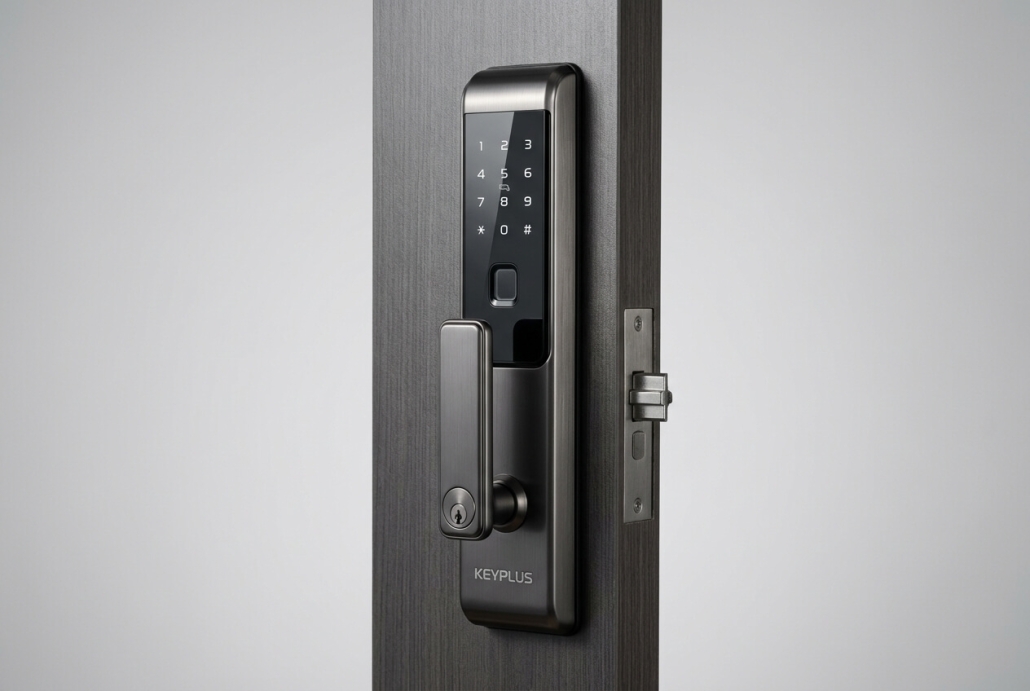
The global smart lock market is projected to reach $8.13 billion by 2026 (Fortune Business Insights, 2023). This growth reflects a rising demand for keyless door entry solutions in residential, rental, and hospitality sectors. Buyers are increasingly seeking advanced features like biometric authentication, app integration, and remote access. For businesses sourcing smart locks, evaluating supplier capabilities and product compliance is critical.
About Keyless Door Entry: Smart Lock Market Trends and Buyer Demand
For B2B buyers, selecting the right keyless door entry supplier is critical. KEYPLUS offers certified smart lock solutions with TTLock/Tuya integration, OEM/ODM flexibility, and competitive MOQ. Learn more below.
Smart home penetration in developed markets is expected to surpass 60% by 2026 (Statista, 2024). This trend drives demand for keyless entry solutions that seamlessly integrate with broader home automation systems. Meanwhile, the smart lock market is growing at a CAGR of 18.4% (MarketsandMarkets, 2023), highlighting the rapid adoption across both residential and commercial applications. For property managers, rental owners, and hospitality operators, keyless solutions offer enhanced security and streamlined access control.
Moreover, 73% of B2B buyers prioritize app integration and remote access when sourcing smart locks (McKinsey, 2023). Features like TTLock and Tuya app compatibility enable centralized management and real-time monitoring, making these systems ideal for large-scale projects. Keyless entry solutions also reduce operational costs by eliminating the need for physical keys and improving tenant or guest convenience.
Key Features B2B Buyers Evaluate in a Smart Lock Supplier
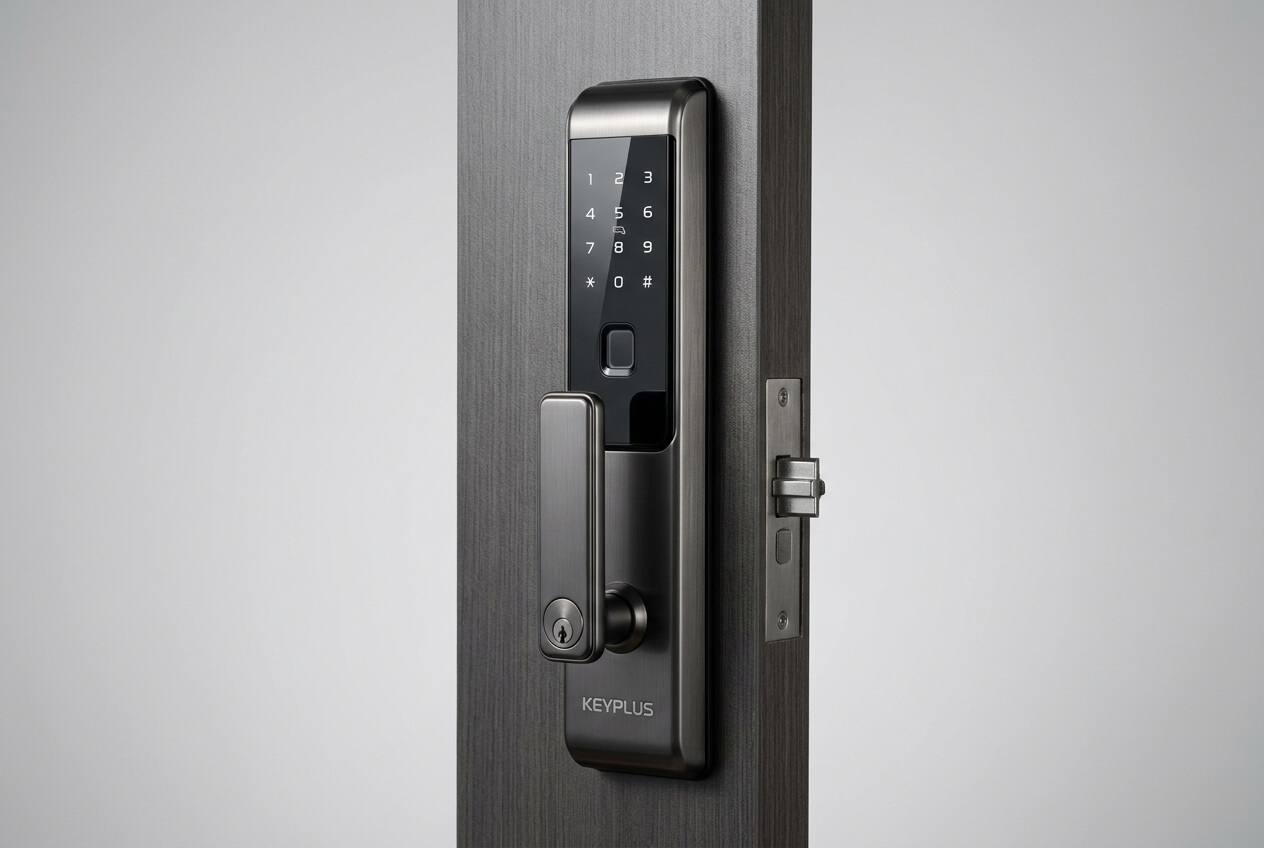
When sourcing keyless door entry systems, buyers must consider several critical factors. Unlock methods, such as fingerprint recognition, RFID cards, and temporary PINs, provide flexibility across different applications. Additionally, app ecosystems like TTLock and Tuya support remote access and centralized management, which are essential for rental properties and hospitality projects.
ANSI/BHMA Grade 1 certification is required for 68% of commercial access control projects (BHMA, 2023). Compliance ensures durability and security, making certified locks a top priority for project integrators. As John Smith, Security Analyst, states: “B2B buyers increasingly demand locks that meet stringent standards to reduce liability and improve reliability.”
Installation compatibility is another key factor. Locks must fit various door types, including mortise locks, deadbolts, and latch locks. Buyers should also evaluate battery life, IP ratings, and after-sales support to ensure long-term performance.
Compliance, Standards, and Product Qualification Requirements
Compliance with CE, FCC, and RoHS standards is mandatory for importers targeting international markets. These certifications ensure product safety, electromagnetic compatibility, and environmental sustainability. Additionally, app compatibility with voice assistants like Alexa and Google Home enhances user convenience and market appeal.
Door compatibility is also crucial. Smart locks must support a range of door thicknesses and installation environments, such as residential doors, apartment units, and hotel suites. Export documentation, warranty policies, and sample testing further influence buyer decisions.
How to Choose the Right Smart Lock for Residential, Rental, or Hospitality Projects
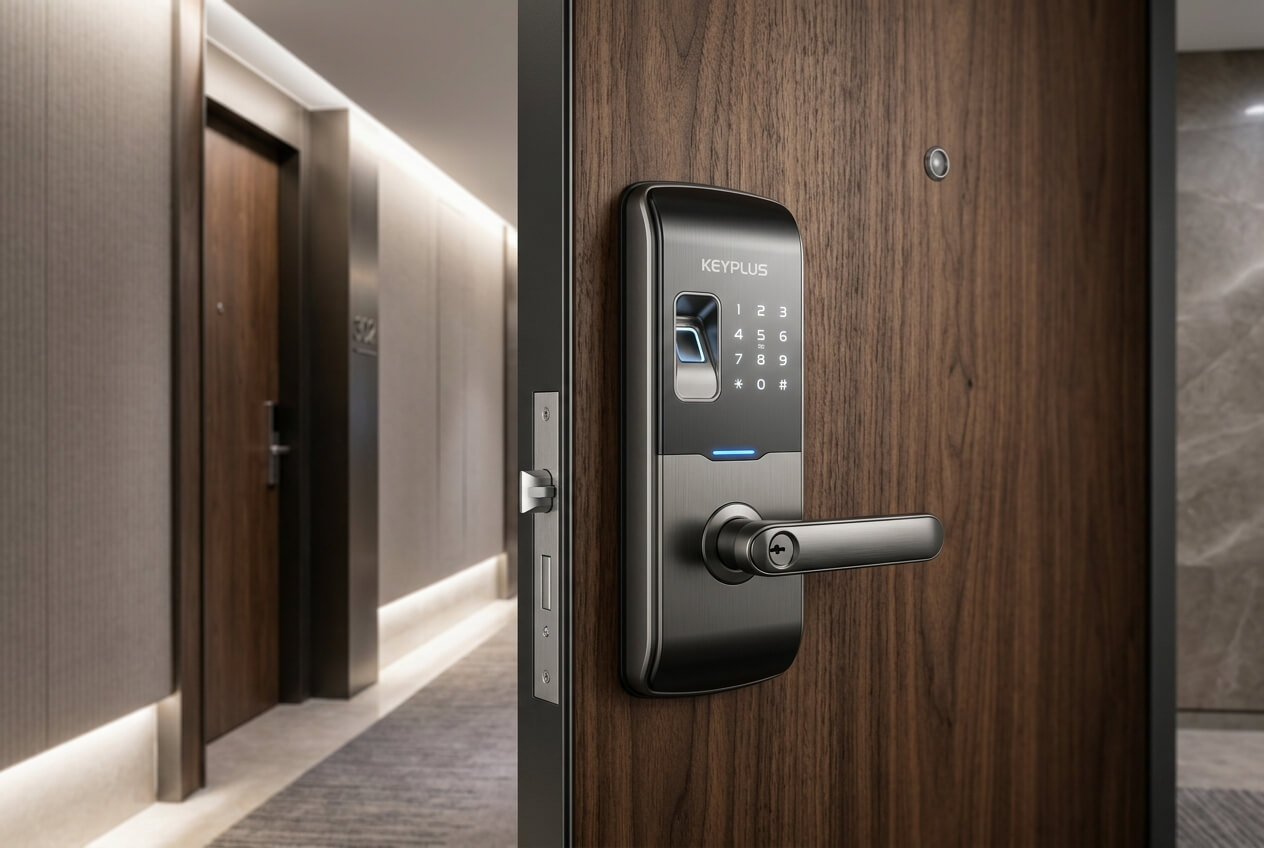
Selecting the right keyless entry solution depends on the application. Residential buyers often prioritize fingerprint door locks for enhanced security, while rental properties benefit from app-controlled systems that enable remote management. Hospitality projects require locks with RFID card access and audit trail functionality to streamline guest access.
Door type compatibility and installation ease are also important. For example, mortise locks suit high-security applications, while deadbolts are ideal for retrofitting existing doors. Buyers should also consider software ecosystems and OEM/ODM flexibility to meet specific project requirements.
Future Outlook for Smart Lock Manufacturing and Strategic Sourcing
Biometric adoption and cloud-based access management are reshaping the smart lock industry. As the market evolves, scenario-based solutions tailored to residential, rental, and hospitality applications will gain prominence. Manufacturers offering OEM/ODM services and low MOQs will be better positioned to serve diverse buyer needs.
For importers and distributors, partnering with experienced suppliers ensures stable quality, certification support, and efficient lead times. As the industry transitions toward advanced technologies, strategic sourcing will be key to maintaining competitive advantage.
Frequently Asked Questions
What are the problems with keyless entry door locks?
Keyless entry locks can face issues like battery failure, connectivity problems, or compatibility with certain door types. According to McKinsey (2023), app integration and remote access are critical features to minimize operational risks. Buyers should prioritize locks with certifications and reliable after-sales support.
What to look for in a keyless entry door lock?
Buyers should evaluate unlock methods, app compatibility, certifications, and installation compatibility. ANSI/BHMA Grade 1 certification is essential for commercial applications. As John Smith, Security Analyst, notes: “Reliable locks with robust standards reduce liability and enhance trust.”
What are common keyless entry problems?
Common problems include battery drainage, poor app integration, and connectivity issues. Choosing locks with high IP ratings and certified components can mitigate these challenges. Buyers should also consider supplier support for troubleshooting.
How to make keyless entry unlock all doors?
App-controlled locks, such as those using TTLock or Tuya, enable centralized management across multiple doors. Buyers should ensure compatibility with gateway systems for seamless operation.
Schlage keyless entry door locks: everything you need to know
Schlage offers a range of keyless entry locks with features like fingerprint recognition and app control. For B2B buyers, ANSI/BHMA certification and installation compatibility are key advantages.
Best keyless entry door locks: everything you need to know
The best locks feature biometric authentication, app integration, and robust certifications. Buyers should consider TTLock or Tuya compatibility for enhanced functionality. Partnering with reliable suppliers ensures stable quality and project success.

