
WiFi Locks: Market Growth and B2B Sourcing Strategies
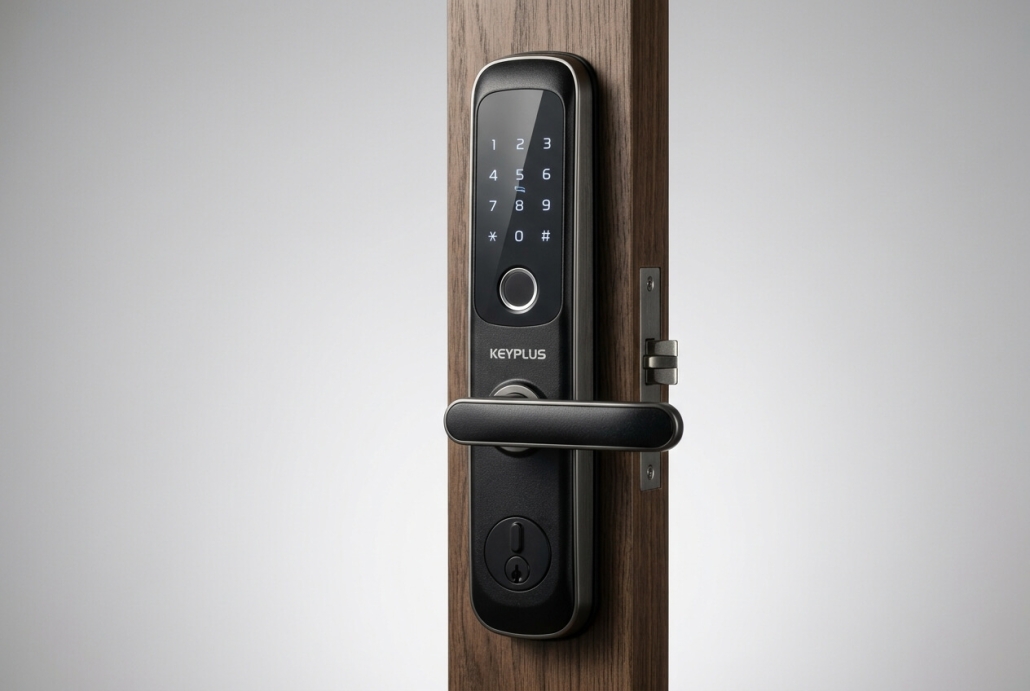
The global smart lock market is booming, with projections reaching $8.13 billion by 2026 (Fortune Business Insights, 2023). As smart home penetration in developed markets surpasses 60% (Statista, 2024), WiFi locks are quickly emerging as a preferred solution for residential, rental, and hospitality applications. This surge in demand is driven by the need for advanced access control, app integration, and remote management.
About Wifi Locks: Smart Lock Market Trends and Application Growth
WiFi locks are revolutionizing access control across multiple industries. In residential markets, homeowners prioritize convenience and security. Meanwhile, property managers and rental operators benefit from remote access and temporary PIN functionality. Hospitality buyers are increasingly adopting digital locks for seamless guest experiences, reducing check-in times and enabling mobile key usage.
The market’s growth is supported by technological advancements and evolving consumer expectations. According to MarketsandMarkets (2023), the smart lock industry is growing at a CAGR of 18.4%. This rapid expansion is encouraging B2B buyers to seek suppliers with strong R&D capabilities, certifications like CE and FCC, and robust app ecosystems such as Tuya and TTLock integration.
Critical Features and Supplier Evaluation for WiFi Locks
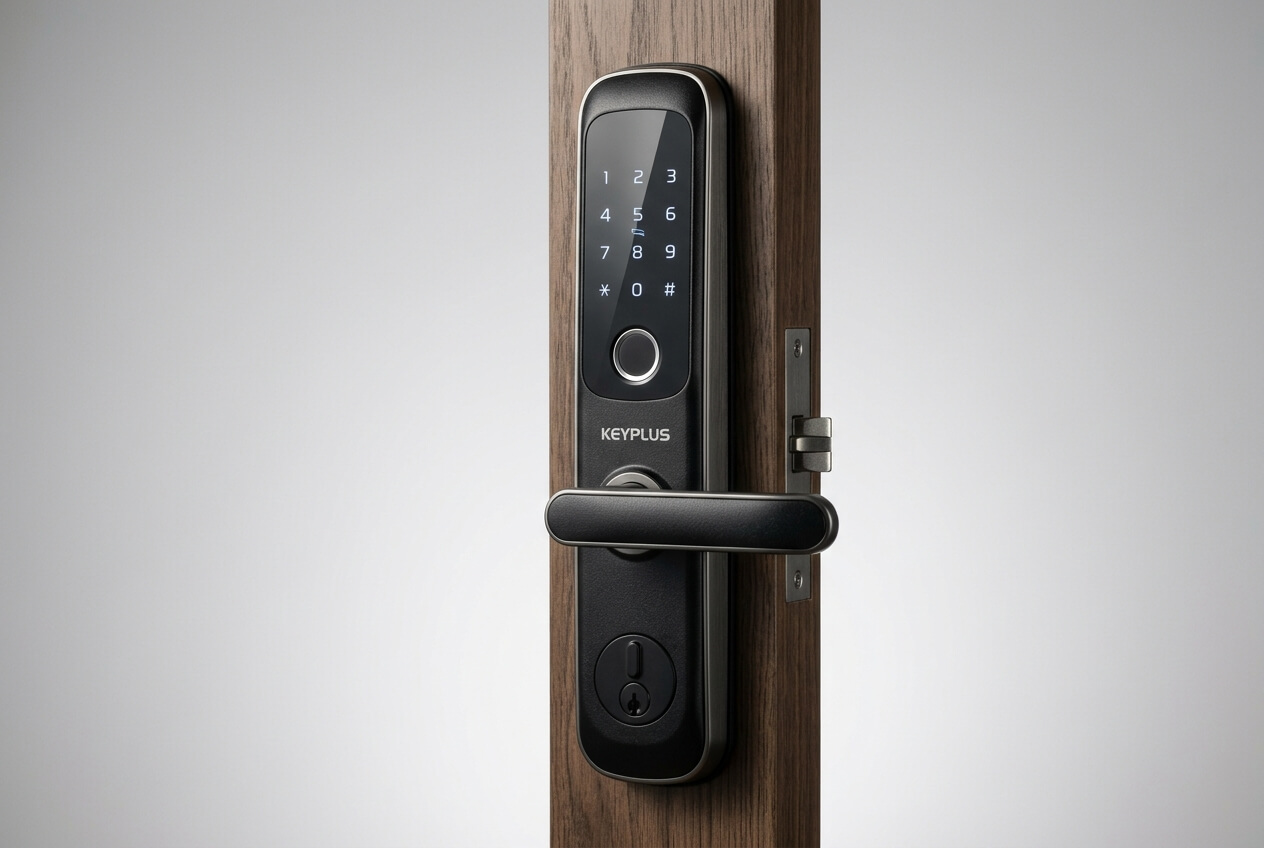
When sourcing WiFi locks, B2B buyers must evaluate several key factors. Unlock methods, such as fingerprint recognition, RFID cards, and app control, are essential for meeting diverse user needs. Remote access and audit trail capabilities also appeal to buyers managing multiple properties or projects.
As John Smith, Access Control Consultant, states: “The ability to integrate with existing smart home systems is a top priority for buyers. Solutions with Tuya or TTLock compatibility often stand out.”
Additionally, ANSI/BHMA Grade 1 certification is required for 68% of commercial access control projects (BHMA, 2023). Buyers should also assess installation compatibility, ensuring locks fit various door types, including mortise and deadbolt configurations. After-sales support and warranty terms further influence procurement decisions.
Compliance, Standards, and Technical Considerations
Compliance is non-negotiable for smart lock buyers. Certifications like CE, FCC, and RoHS demonstrate product safety and regulatory adherence. For instance, CE-certified locks meet rigorous European standards, making them ideal for importers targeting the EU market.
Technical considerations also play a role. Battery life, IP ratings for weather resistance, and app updates impact long-term performance. Buyers should prioritize locks with stable firmware and robust encryption to mitigate security risks. Moreover, gateway compatibility for remote management can enhance functionality, particularly in multi-unit installations.
Choosing the Right WiFi Lock for Specific Use Cases
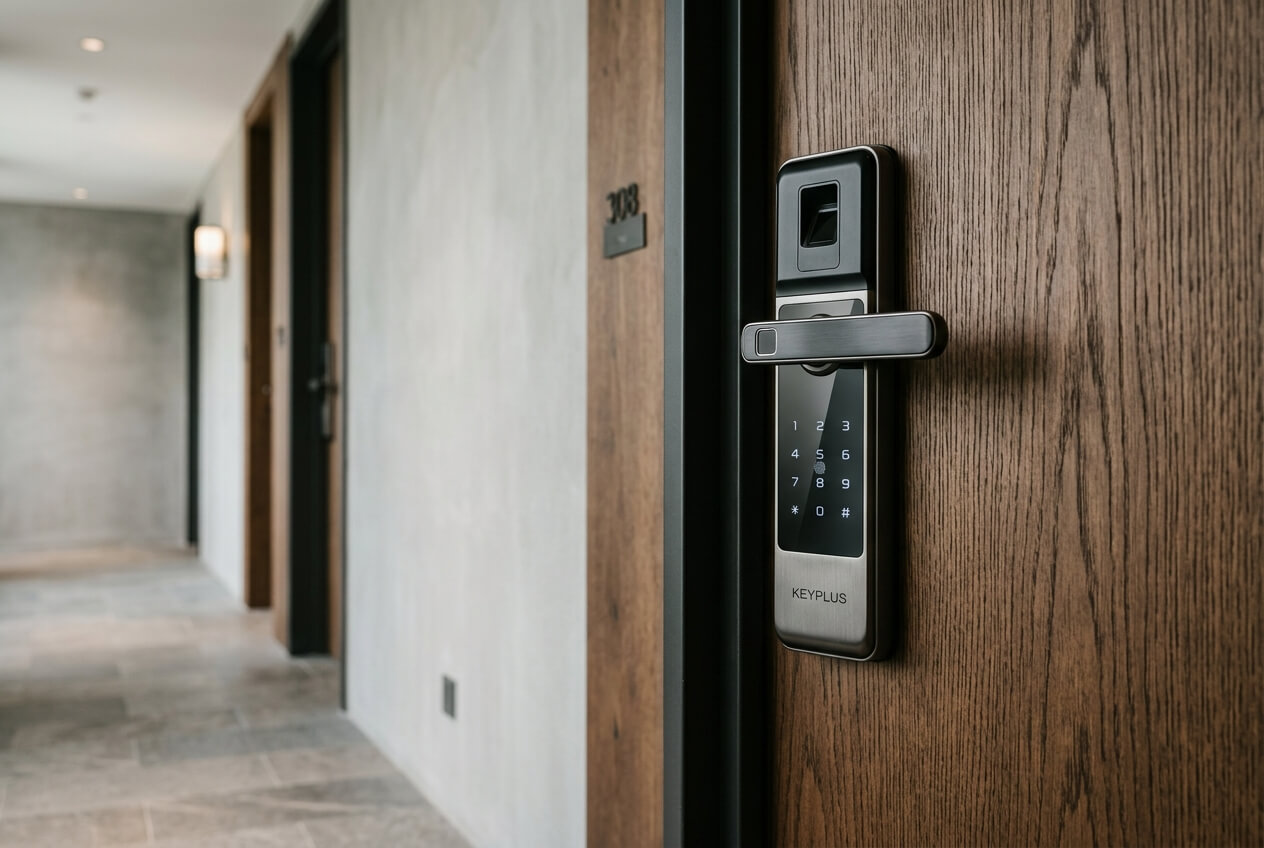
Selecting the right WiFi lock depends on the application. For residential use, features like fingerprint unlocking and app control offer convenience. In rental properties, temporary PINs and audit trails simplify tenant management. Hotels benefit from locks with mobile key functionality, reducing reliance on physical cards.
Door compatibility is another critical factor. Buyers must confirm locks fit specific door types, whether retrofitting old doors or installing on new constructions. Additionally, app ecosystems like Tuya and TTLock streamline user management, making them ideal for multi-unit projects.
Sourcing Strategy and Long-Term Partnerships
To succeed in the WiFi lock market, B2B buyers should prioritize partnerships with experienced manufacturers. Suppliers offering OEM/ODM services provide flexibility in branding and customization. Low MOQs and stable lead times also reduce project risks for distributors and importers.
As the market evolves, buyers should focus on future-proof solutions. Features like biometric authentication, cloud-based access management, and integration with voice assistants ensure long-term value. Partnering with a reliable supplier can streamline sourcing and improve project outcomes.
Frequently Asked Questions
What is the best WiFi lock?
The best WiFi lock depends on your needs. According to MarketsandMarkets (2023), app integration and remote access are top priorities for 73% of buyers. For residential use, models with fingerprint unlocking and app control, like Tuya-compatible locks, are highly rated. In commercial projects, ANSI/BHMA-certified locks ensure durability and compliance.
How does a WiFi lock work?
WiFi locks connect to your home or office network, enabling remote control through an app. Users can lock and unlock doors, manage access permissions, and monitor activity logs. As John Smith states: “WiFi locks offer unparalleled convenience by integrating with smart home ecosystems.”
Are WiFi locks hackable?
While WiFi locks use encryption to secure data, vulnerabilities may exist. Buyers should choose locks with robust firmware and regular updates. CE and FCC certifications often indicate adherence to security standards.
What is the best smart lock for renters?
For renters, WiFi locks with temporary PINs and audit trails are ideal. These features simplify tenant management without compromising security. Tuya-compatible models are particularly popular for their app integration.
What is the Schlage Encode Plus?
The Schlage Encode Plus is a WiFi-enabled lock offering app control and voice assistant integration. Its ANSI/BHMA Grade 1 certification ensures durability, making it suitable for residential and commercial use.
What is the best smart lock in Europe?
In Europe, CE-certified locks are essential due to regulatory requirements. Tuya-compatible locks are highly rated for their app ecosystems and remote management capabilities. Buyers should also consider installation compatibility with European door standards.

