
Best Smart Locks for Home: Market Insights and Buying Guide | KEYPLUS
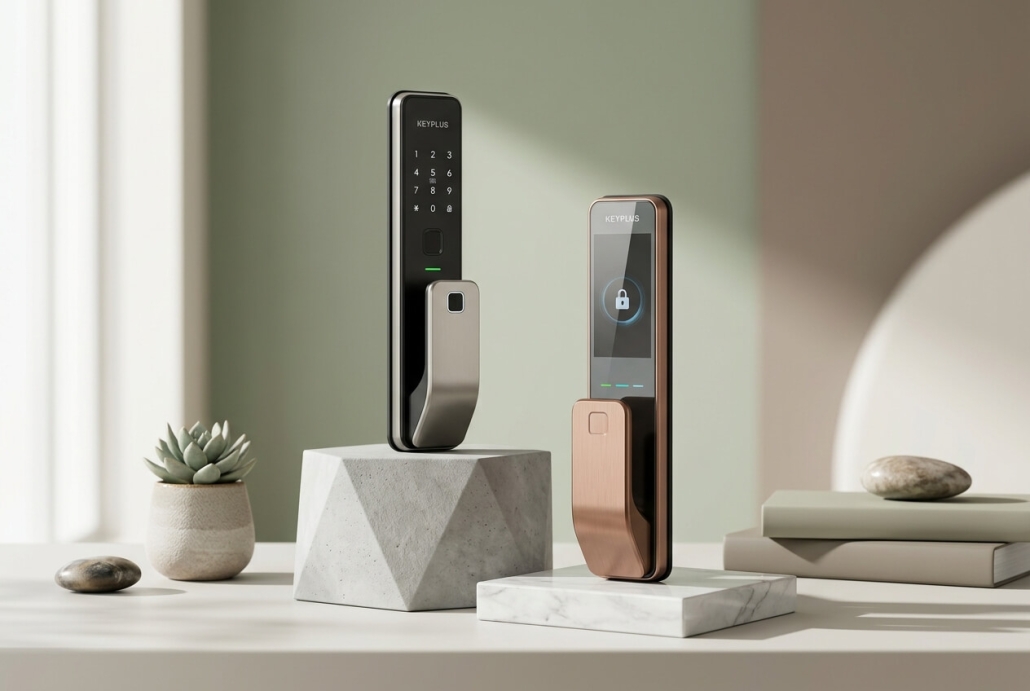
This guide provides B2B buyers with essential insights into sourcing smart door locks from KEYPLUS, a certified manufacturer.
The global smart lock market is projected to reach $8.13 billion by 2026 (Fortune Business Insights, 2023). As smart home technology evolves, B2B buyers must adapt to changing expectations. Therefore, evaluating the best smart locks for homes becomes crucial for importers, distributors, and project buyers. This guide explores essential factors such as market demand, product features, compliance, and purchasing strategies.
Growing Demand for Smart Locks in Various Applications
For B2B buyers, selecting the right best smart locks for home supplier is critical. KEYPLUS offers certified smart lock solutions with TTLock/Tuya integration, OEM/ODM flexibility, and competitive MOQ. Learn more below.
The smart lock market is experiencing rapid growth, with a CAGR of 18.4% (MarketsandMarkets, 2023). Smart home penetration in developed markets is expected to surpass 60% by 2026 (Statista, 2024). These trends indicate a strong demand for smart locks in residential, rental, hospitality, and apartment projects. Buyers prioritize products that integrate seamlessly with existing systems.
Kwikset and Tuya are popular options for those seeking ease of use and technology integration. The expertise of KEYPLUS in smart lock R&D ensures a range of solutions tailored to varied applications.
Evaluating Product Features and Supplier Capabilities
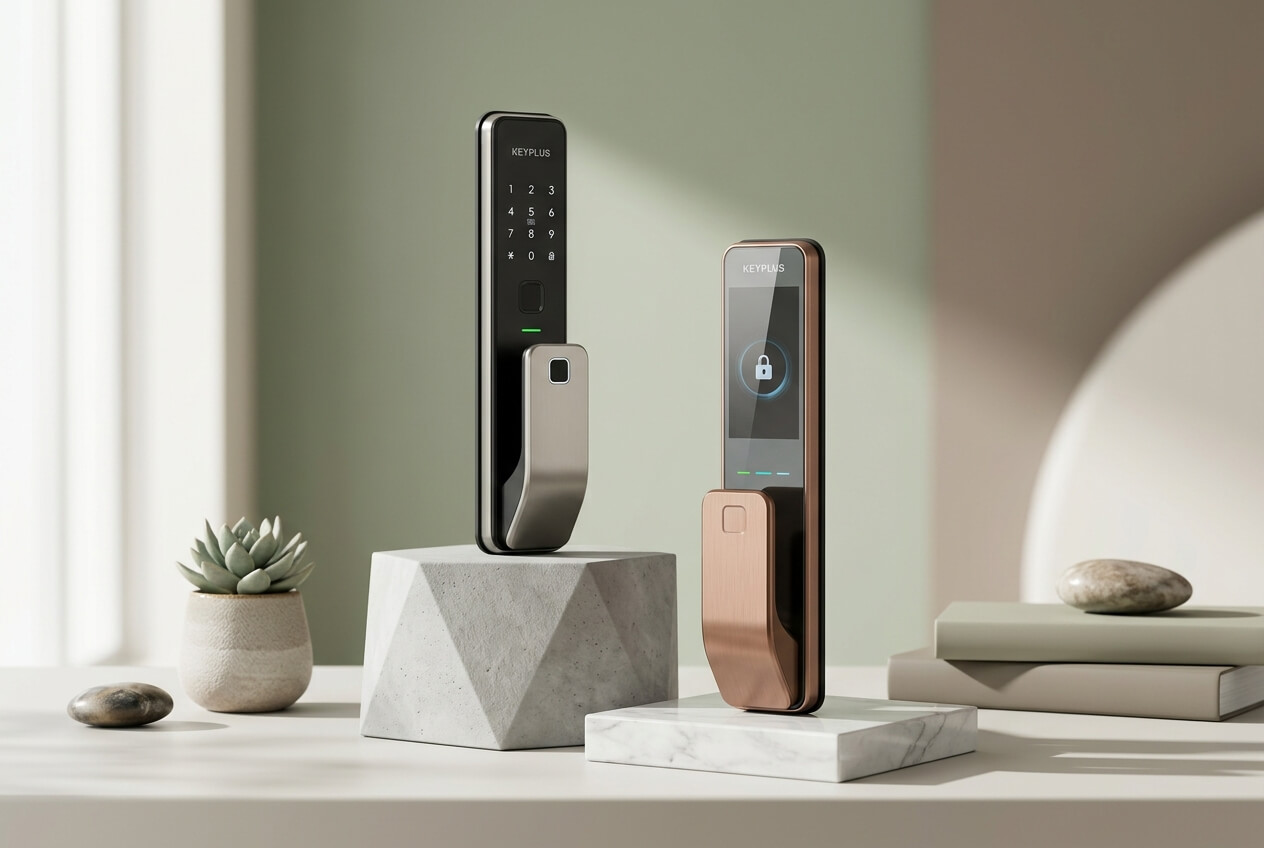
When sourcing smart locks, unlock methods and app integration are top considerations. 73% of B2B buyers prioritize these features (McKinsey, 2023). Additionally, installation compatibility and certifications like CE and FCC are crucial for quality assurance. ANSI/BHMA Grade 1 is required for 68% of commercial access control projects (BHMA, 2023).
Key suppliers like KEYPLUS offer comprehensive support with features such as fingerprint unlock, RFID card access, and remote access. Their OEM and ODM capabilities provide flexibility for custom projects.
Compliance, Standards, and Technical Considerations
Compliance with standards like CE, FCC, and RoHS ensures product reliability. Buyers must assess door type compatibility, battery life, and import/export documentation. These factors influence the long-term value of smart lock investments. Importers and project buyers should scrutinize these details to minimize risks.
Technical compatibility with app ecosystems, including TTLock and Tuya, is essential. Ensuring smooth integration enhances user experience and increases project success rates.
Selecting the Right Solution for Your Application
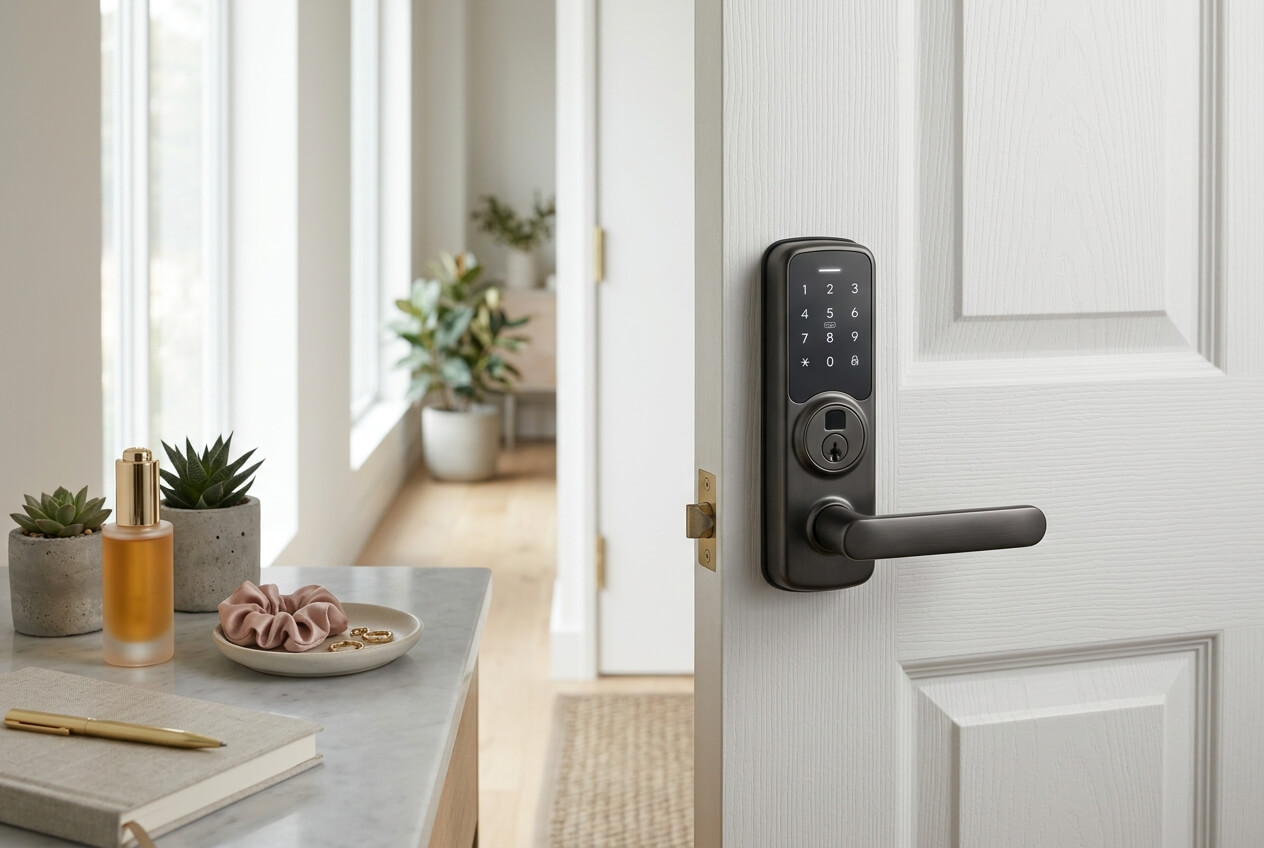
Choosing the best smart lock involves matching features to specific use cases. Whether for residential, hotel, apartment, rental, or office applications, functionality should align with environmental demands. KEYPLUS provides tailored solutions with features like temporary PINs and face recognition.
Prioritizing factors such as installation conditions and user management capabilities leads to better outcomes. Buyers can improve project efficiency by selecting suppliers offering robust support and flexible customization options.
Strategic Sourcing and Long-Term Partnerships
Establishing a reliable sourcing strategy is vital. Importers and distributors should consider OEM/ODM partnerships for innovation and scale. Companies like KEYPLUS excel in providing stable quality, certification support, and reduced lead times.
Thus, forming long-term collaborations with experienced manufacturers minimizes project risks and shortens delivery timelines.
Frequently Asked Questions
Which is the best smart lock for home?
The best smart lock depends on your specific requirements. Features like remote access, app integration, and compatibility with existing systems are crucial. Brands like August and Schlage offer robust options that suit different needs.
Which company makes the best smart locks?
Several companies excel in smart lock production, including Kwikset and Yale. KEYPLUS also provides innovative solutions with strong R&D capabilities, supporting various applications with tailored features.
What are the disadvantages of smart locks?
Potential disadvantages include reliance on power sources and network connectivity. However, modern designs mitigate these issues with mechanical key backups and robust battery life.
What are the top 5 smart locks compatible with HomeKit?
Some top choices include the Schlage Sense, Kwikset Premis, and Yale Assure. These models offer seamless integration with Apple’s HomeKit for better control.
Best smart locks that pair easily with smart devices?
Smart locks like the Schlage Encode and August Smart Lock Pro easily pair with various smart devices. They integrate with systems like Amazon Alexa and Google Assistant, enhancing user convenience.
Schlage smart locks that pair easily with smart devices?
Schlage’s smart locks, such as the Schlage Encode, offer smooth pairing with devices like Amazon Alexa. This feature facilitates effortless home security management.

