
Is a Smart Lock a Good Idea?
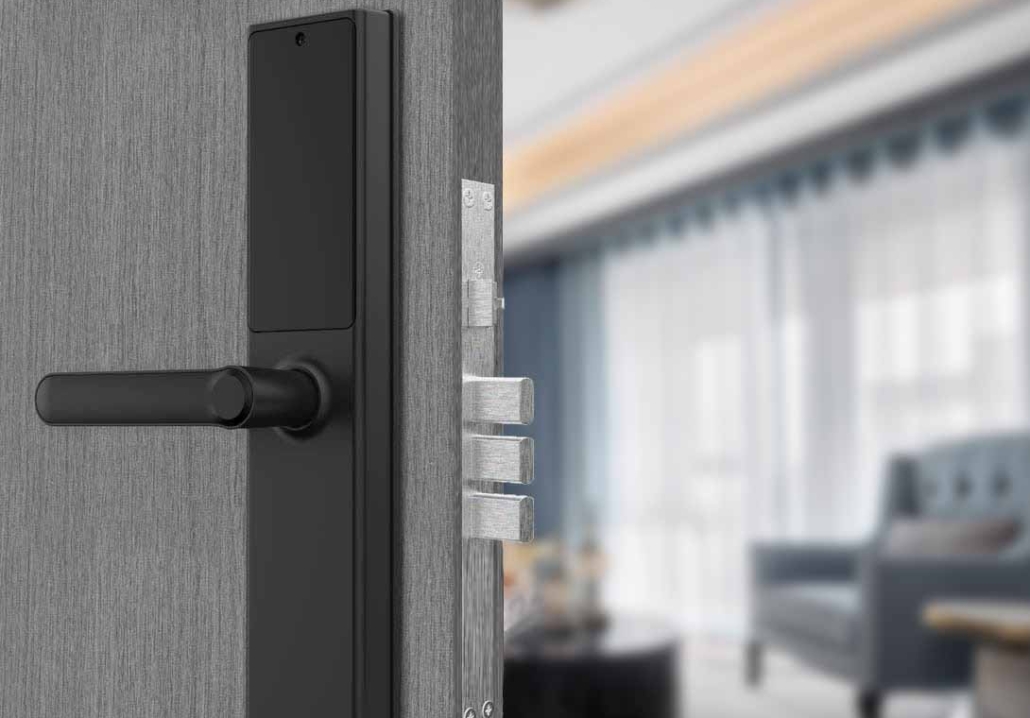
In recent years, smart home technology has become increasingly popular, with smart locks being one of the most debated additions. These devices promise convenience, enhanced security, and seamless integration with other smart home systems. But are they truly a good idea? This article examines the advantages and disadvantages of smart locks to help you decide whether they’re worth the investment.
What Is a Smart Lock?
A smart lock is an electronic locking device that allows users to control access to their homes without traditional keys. Instead, they use methods such as:
-
PIN codes (entered via a keypad)
-
Smartphone apps (via Bluetooth or Wi-Fi)
-
Biometric authentication (fingerprint or facial recognition)
-
Voice commands (when integrated with smart assistants)
-
Remote access (allowing temporary or permanent access for guests)
Unlike traditional locks, smart locks can be monitored and controlled remotely, offering flexibility that standard locks cannot match.
The Benefits of Smart Locks
1. Convenience
One of the biggest selling points of smart locks is convenience. Forget fumbling for keys—smart locks allow you to unlock your door with a tap on your phone, a voice command, or even automatically when you approach (using geofencing). This is especially useful when your hands are full with groceries or luggage.
Additionally, you can grant temporary access to guests, cleaners, or delivery personnel without needing to hand out physical keys. Once they no longer need entry, you can simply revoke their access digitally.
2. Enhanced Security Features
Many smart locks offer security advantages over traditional locks:
-
No more lost or copied keys – If a key is lost, you don’t have to worry about someone finding it and entering your home.
-
Real-time alerts – Some smart locks notify you when someone enters or exits, helping you monitor activity.
-
Auto-locking – You can set the lock to engage automatically after a certain period, reducing the risk of accidentally leaving your door unlocked.
-
Tamper alerts – Many smart locks detect forced entry attempts and send alerts to your phone.
3. Integration with Smart Home Systems
If you already have a smart home setup (such as security cameras, lights, or voice assistants), a smart lock can integrate seamlessly. For example:
-
You can program the lights to turn on when the door unlocks.
-
Your security system can disarm automatically when you enter.
-
You can check lock status via a central smart home app.
This level of automation makes daily routines smoother and enhances overall home security.
4. No Need for Physical Keys
Losing keys is a common frustration, and rekeying locks can be expensive. With a smart lock, you eliminate the need for physical keys, reducing the risk of lockouts or unauthorized duplicates.
The Downsides of Smart Locks
Despite their advantages, smart locks aren’t perfect. Here are some potential drawbacks:
1. Dependence on Technology
Smart locks rely on electricity (batteries or wired power) and internet/Wi-Fi connectivity. If the battery dies or your Wi-Fi goes down, you could be locked out unless there’s a backup method (like a physical key override).
2. Hacking Risks
Like any internet-connected device, smart locks can be vulnerable to hacking. While most reputable models use encryption, a skilled hacker could potentially intercept signals or exploit software vulnerabilities. To minimize risk:
-
Choose locks with strong encryption (such as AES 128-bit or higher).
-
Regularly update firmware.
-
Use strong, unique passwords for associated apps.
3. Higher Cost
Smart locks are significantly more expensive than traditional deadbolts. High-end models with advanced features can cost hundreds of dollars, whereas a standard lock is much cheaper.
4. Potential Malfunctions
Technology isn’t infallible—smart locks can experience glitches, software bugs, or mechanical failures. If the motor inside fails, you might be unable to unlock the door without breaking in.
5. Limited Compatibility
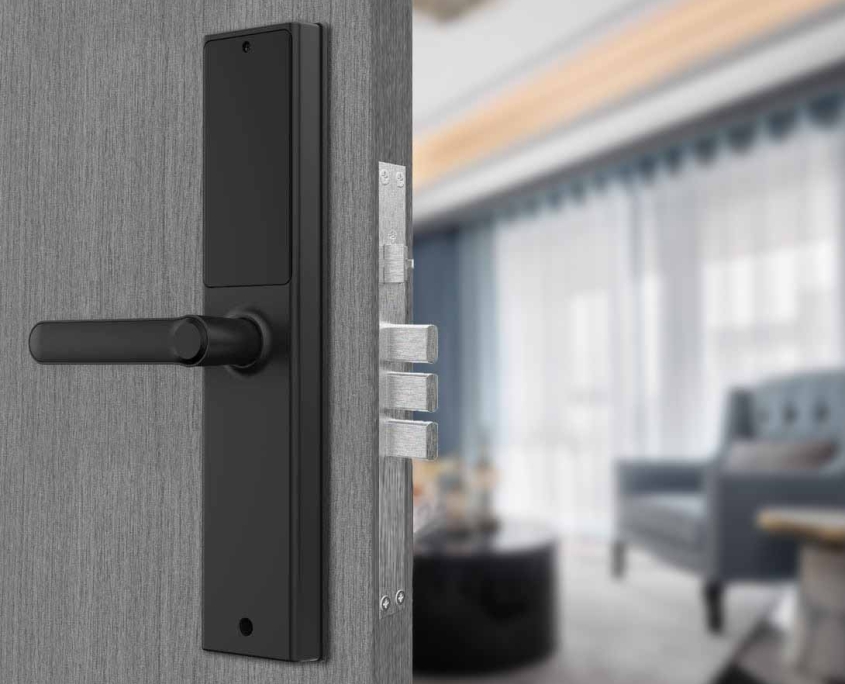
Not all smart locks fit every door type. Some require specific door thicknesses or handle styles, so installation might require modifications.
Who Should Consider a Smart Lock?
Smart locks are ideal for:
-
Tech-savvy homeowners who want seamless smart home integration.
-
Frequent travelers who need to grant temporary access to house sitters or Airbnb guests.
-
People who often lose keys and want a keyless solution.
-
Families with children who may forget keys but can remember a PIN code.
However, if you:
-
Prefer simple, low-tech security solutions.
-
Are concerned about hacking or power failures.
-
Live in an area with unreliable internet.
…then a traditional lock might be a better choice.
Final Verdict: Is a Smart Lock Worth It?
Smart locks offer undeniable convenience and modern security features, but they aren’t without risks. If you value keyless entry, remote access, and smart home integration—and are willing to maintain the technology—a smart lock can be a great upgrade.
However, if you prioritize simplicity and absolute reliability, sticking with a traditional deadbolt might be the safer option.
Ultimately, the decision depends on your lifestyle, budget, and comfort with technology. If you do choose a smart lock, ensure you pick a reputable model with strong security features and always have a backup entry method.
Would you switch to a smart lock, or do you prefer traditional keys? Let us know your thoughts!
Related Blog
 https://www.keyplusystem.com/wp-content/uploads/2026/10/image-20261010-080119085.png
1024
1536
Wu, Wendy
/wp-content/uploads/2023/05/logo.png
Wu, Wendy2026-10-10 06:01:302026-10-10 06:01:31Driving Hotel Efficiency with Advanced Digital Door Locks: The Ultimate B2B Guide
https://www.keyplusystem.com/wp-content/uploads/2026/10/image-20261010-080119085.png
1024
1536
Wu, Wendy
/wp-content/uploads/2023/05/logo.png
Wu, Wendy2026-10-10 06:01:302026-10-10 06:01:31Driving Hotel Efficiency with Advanced Digital Door Locks: The Ultimate B2B Guide https://www.keyplusystem.com/wp-content/uploads/2026/10/image-20261010-000134148.png
1024
1536
Wu, Wendy
/wp-content/uploads/2023/05/logo.png
Wu, Wendy2026-10-09 22:01:442026-10-09 22:01:46Revolutionizing Hotel Security: RFID Key Cards and AIoT Smart Lock Solutions by KEYPLUS
https://www.keyplusystem.com/wp-content/uploads/2026/10/image-20261010-000134148.png
1024
1536
Wu, Wendy
/wp-content/uploads/2023/05/logo.png
Wu, Wendy2026-10-09 22:01:442026-10-09 22:01:46Revolutionizing Hotel Security: RFID Key Cards and AIoT Smart Lock Solutions by KEYPLUS https://www.keyplusystem.com/wp-content/uploads/2026/10/image-20261009-160126393.png
1024
1536
Wu, Wendy
/wp-content/uploads/2023/05/logo.png
Wu, Wendy2026-10-09 14:01:362026-10-09 14:01:38The Future of Hospitality: Wireless Hotel Lock Systems Powered by KEYPLUS
https://www.keyplusystem.com/wp-content/uploads/2026/10/image-20261009-160126393.png
1024
1536
Wu, Wendy
/wp-content/uploads/2023/05/logo.png
Wu, Wendy2026-10-09 14:01:362026-10-09 14:01:38The Future of Hospitality: Wireless Hotel Lock Systems Powered by KEYPLUS https://www.keyplusystem.com/wp-content/uploads/2026/10/image-20261009-080202455.png
1024
1536
Wu, Wendy
/wp-content/uploads/2023/05/logo.png
Wu, Wendy2026-10-09 06:02:152026-10-09 06:02:17Revolutionizing Hotel Security: The Future of Smart Locks for Hospitality Spaces
https://www.keyplusystem.com/wp-content/uploads/2026/10/image-20261009-080202455.png
1024
1536
Wu, Wendy
/wp-content/uploads/2023/05/logo.png
Wu, Wendy2026-10-09 06:02:152026-10-09 06:02:17Revolutionizing Hotel Security: The Future of Smart Locks for Hospitality Spaces https://www.keyplusystem.com/wp-content/uploads/2026/10/image-20261009-000116876.png
1024
1536
Wu, Wendy
/wp-content/uploads/2023/05/logo.png
Wu, Wendy2026-10-08 22:01:272026-10-08 22:01:29Revolutionizing Hotel Room Security: How Smart Locks Enhance Guest Safety and Operational Efficiency
https://www.keyplusystem.com/wp-content/uploads/2026/10/image-20261009-000116876.png
1024
1536
Wu, Wendy
/wp-content/uploads/2023/05/logo.png
Wu, Wendy2026-10-08 22:01:272026-10-08 22:01:29Revolutionizing Hotel Room Security: How Smart Locks Enhance Guest Safety and Operational Efficiency https://www.keyplusystem.com/wp-content/uploads/2026/10/image-20261008-080144553.png
1024
1536
Wu, Wendy
/wp-content/uploads/2023/05/logo.png
Wu, Wendy2026-10-08 06:01:552026-10-08 06:01:57Why Portable Locks are a Game-Changer for Modern Hotel Room Security
https://www.keyplusystem.com/wp-content/uploads/2026/10/image-20261008-080144553.png
1024
1536
Wu, Wendy
/wp-content/uploads/2023/05/logo.png
Wu, Wendy2026-10-08 06:01:552026-10-08 06:01:57Why Portable Locks are a Game-Changer for Modern Hotel Room Security
