
How Do Fingerprint Locks Work?
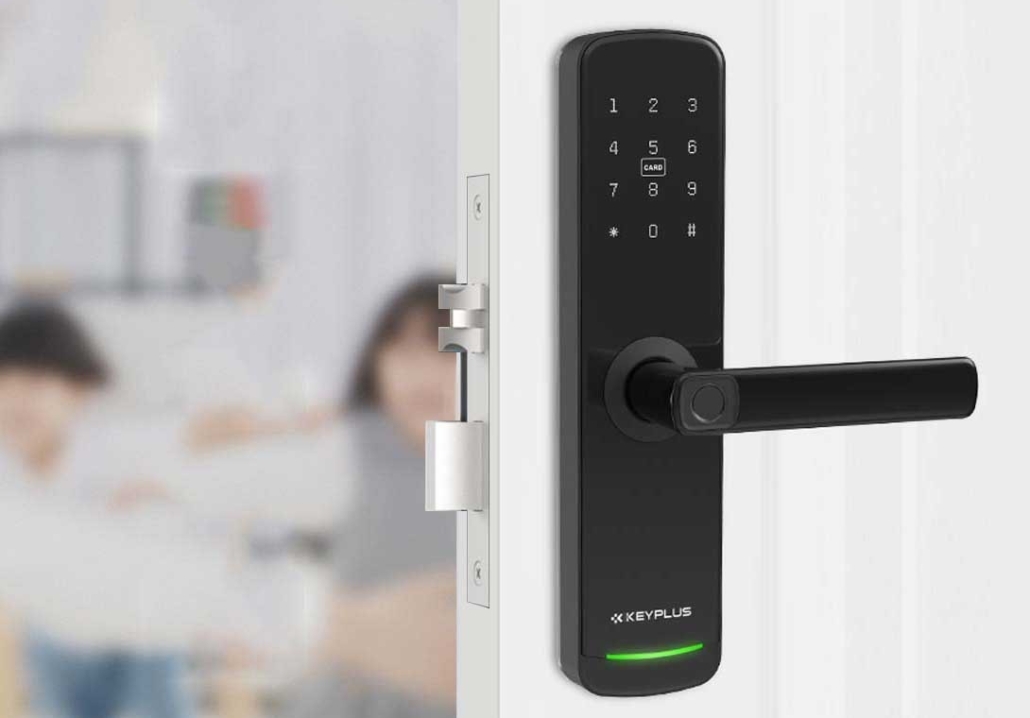
In today’s world, security and convenience are top priorities for homes, offices, and personal devices. One of the most popular and reliable security solutions is the fingerprint lock, which uses biometric technology to grant or deny access. But how exactly do these locks work? This article will explain the science behind fingerprint recognition, the components of a fingerprint lock, and why they are considered both secure and user-friendly.
The Basics of Fingerprint Recognition
Fingerprint locks operate using biometric authentication, which relies on unique physical characteristics to verify identity. No two people—not even identical twins—have the exact same fingerprints. This uniqueness makes fingerprints an ideal security measure.
A fingerprint consists of ridges and valleys that form distinct patterns, such as loops, whorls, and arches. Fingerprint scanners capture these patterns and convert them into digital data for comparison.
Key Components of a Fingerprint Lock
A fingerprint lock consists of several essential parts:
-
Fingerprint Scanner (Sensor) – This is the part that reads your fingerprint. There are different types of scanners:
-
Optical Scanners: Use light to capture an image of the fingerprint (similar to a tiny camera).
-
Capacitive Scanners: Measure electrical signals from the ridges and valleys (common in smartphones).
-
Ultrasonic Scanners: Use sound waves to create a 3D map of the fingerprint (more advanced and secure).
-
-
Processor & Memory – The lock stores fingerprint data in an encrypted format. When you scan your finger, the processor compares it to the stored data.
-
Locking Mechanism – Once authentication is successful, the lock triggers an electric motor or solenoid to open the door.
How Fingerprint Matching Works
When you first set up a fingerprint lock, you register your fingerprint by scanning it multiple times. The system processes this data and saves a digital template (not an actual image) for future comparisons.
Every time you try to unlock it, the process follows these steps:
-
Capture – The scanner takes an image or reads the fingerprint’s unique features.
-
Processing – The system extracts key details (minutiae points) like ridge endings and bifurcations.
-
Comparison – The scanned fingerprint is matched against stored templates.
-
Decision – If there’s a match, the lock opens; if not, access is denied.
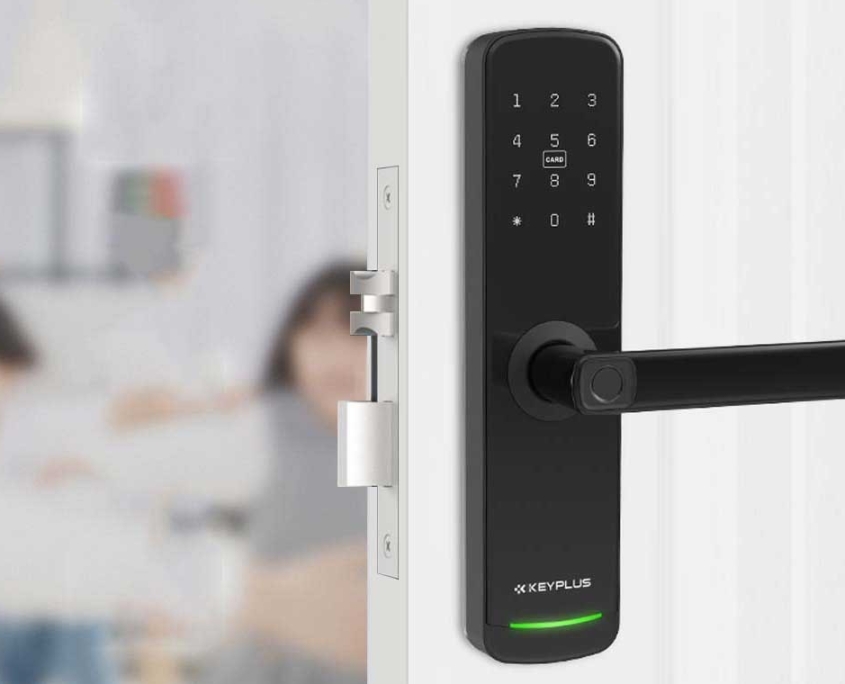
Advantages of Fingerprint Locks
-
High Security – Unlike keys or codes, fingerprints cannot be easily duplicated or stolen.
-
Convenience – No need to carry keys or remember passwords.
-
Speed – Most fingerprint locks unlock in less than a second.
-
Custom Access Control – You can grant or revoke access for different users remotely (in smart locks).
Potential Limitations
-
False Rejections – Dirty or wet fingers may not scan properly.
-
False Acceptances – Low-quality scanners might be fooled by high-resolution copies (though rare with modern systems).
-
Power Dependency – Electronic locks need batteries, which may require occasional replacement.
Conclusion
Fingerprint locks provide a secure, fast, and convenient way to control access without traditional keys. By using advanced biometric technology, they ensure that only authorized users can gain entry. While no system is 100% foolproof, modern fingerprint locks offer a strong balance of security and ease of use, making them a popular choice for homes, businesses, and personal devices worldwide.
As technology advances, fingerprint scanners are becoming even more accurate and resistant to spoofing, ensuring that biometric security remains a reliable option for years to come.
Would you consider using a fingerprint lock for your home or office? With their growing affordability and improved features, they might just be the perfect upgrade to your security system!
Related Blog
 https://www.keyplusystem.com/wp-content/uploads/2026/10/image-20261010-080119085.png
1024
1536
Wu, Wendy
/wp-content/uploads/2023/05/logo.png
Wu, Wendy2026-10-10 06:01:302026-10-10 06:01:31Driving Hotel Efficiency with Advanced Digital Door Locks: The Ultimate B2B Guide
https://www.keyplusystem.com/wp-content/uploads/2026/10/image-20261010-080119085.png
1024
1536
Wu, Wendy
/wp-content/uploads/2023/05/logo.png
Wu, Wendy2026-10-10 06:01:302026-10-10 06:01:31Driving Hotel Efficiency with Advanced Digital Door Locks: The Ultimate B2B Guide https://www.keyplusystem.com/wp-content/uploads/2026/10/image-20261010-000134148.png
1024
1536
Wu, Wendy
/wp-content/uploads/2023/05/logo.png
Wu, Wendy2026-10-09 22:01:442026-10-09 22:01:46Revolutionizing Hotel Security: RFID Key Cards and AIoT Smart Lock Solutions by KEYPLUS
https://www.keyplusystem.com/wp-content/uploads/2026/10/image-20261010-000134148.png
1024
1536
Wu, Wendy
/wp-content/uploads/2023/05/logo.png
Wu, Wendy2026-10-09 22:01:442026-10-09 22:01:46Revolutionizing Hotel Security: RFID Key Cards and AIoT Smart Lock Solutions by KEYPLUS https://www.keyplusystem.com/wp-content/uploads/2026/10/image-20261009-160126393.png
1024
1536
Wu, Wendy
/wp-content/uploads/2023/05/logo.png
Wu, Wendy2026-10-09 14:01:362026-10-09 14:01:38The Future of Hospitality: Wireless Hotel Lock Systems Powered by KEYPLUS
https://www.keyplusystem.com/wp-content/uploads/2026/10/image-20261009-160126393.png
1024
1536
Wu, Wendy
/wp-content/uploads/2023/05/logo.png
Wu, Wendy2026-10-09 14:01:362026-10-09 14:01:38The Future of Hospitality: Wireless Hotel Lock Systems Powered by KEYPLUS https://www.keyplusystem.com/wp-content/uploads/2026/10/image-20261009-080202455.png
1024
1536
Wu, Wendy
/wp-content/uploads/2023/05/logo.png
Wu, Wendy2026-10-09 06:02:152026-10-09 06:02:17Revolutionizing Hotel Security: The Future of Smart Locks for Hospitality Spaces
https://www.keyplusystem.com/wp-content/uploads/2026/10/image-20261009-080202455.png
1024
1536
Wu, Wendy
/wp-content/uploads/2023/05/logo.png
Wu, Wendy2026-10-09 06:02:152026-10-09 06:02:17Revolutionizing Hotel Security: The Future of Smart Locks for Hospitality Spaces https://www.keyplusystem.com/wp-content/uploads/2026/10/image-20261009-000116876.png
1024
1536
Wu, Wendy
/wp-content/uploads/2023/05/logo.png
Wu, Wendy2026-10-08 22:01:272026-10-08 22:01:29Revolutionizing Hotel Room Security: How Smart Locks Enhance Guest Safety and Operational Efficiency
https://www.keyplusystem.com/wp-content/uploads/2026/10/image-20261009-000116876.png
1024
1536
Wu, Wendy
/wp-content/uploads/2023/05/logo.png
Wu, Wendy2026-10-08 22:01:272026-10-08 22:01:29Revolutionizing Hotel Room Security: How Smart Locks Enhance Guest Safety and Operational Efficiency https://www.keyplusystem.com/wp-content/uploads/2026/10/image-20261008-080144553.png
1024
1536
Wu, Wendy
/wp-content/uploads/2023/05/logo.png
Wu, Wendy2026-10-08 06:01:552026-10-08 06:01:57Why Portable Locks are a Game-Changer for Modern Hotel Room Security
https://www.keyplusystem.com/wp-content/uploads/2026/10/image-20261008-080144553.png
1024
1536
Wu, Wendy
/wp-content/uploads/2023/05/logo.png
Wu, Wendy2026-10-08 06:01:552026-10-08 06:01:57Why Portable Locks are a Game-Changer for Modern Hotel Room Security
