
WiFi Door Lock Market Trends and Supplier Insights
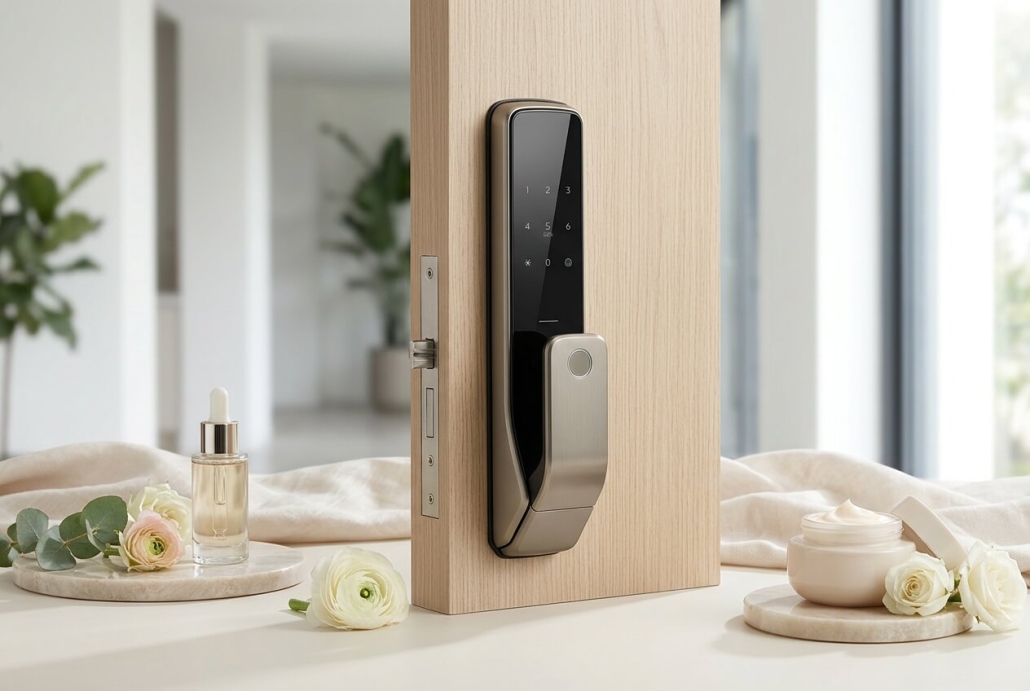
The global smart lock market is projected to reach $8.13 billion by 2026 (Fortune Business Insights, 2023). This rapid growth illustrates the increasing demand among buyers for secure and convenient access solutions. Companies in the industry need to keep pace with technological advancements and evolving consumer needs.
Understanding Market Demand and Emerging Trends
For B2B buyers, selecting the right wifi door lock supplier is critical. KEYPLUS offers certified smart lock solutions with TTLock/Tuya integration, OEM/ODM flexibility, and competitive MOQ. Learn more below.
Demand for smart locks, particularly WiFi door locks, is surging. This trend is evident across various applications, including residential homes, rental properties, and hospitality venues. Smart home penetration in developed markets is expected to surpass 60% by 2026 (Statista, 2024). Consequently, businesses focus on integrating smart locks into their portfolio to capitalize on these opportunities. Many opt for advanced products from brands like KEYPLUS, which constantly innovate with OEM and ODM capabilities.
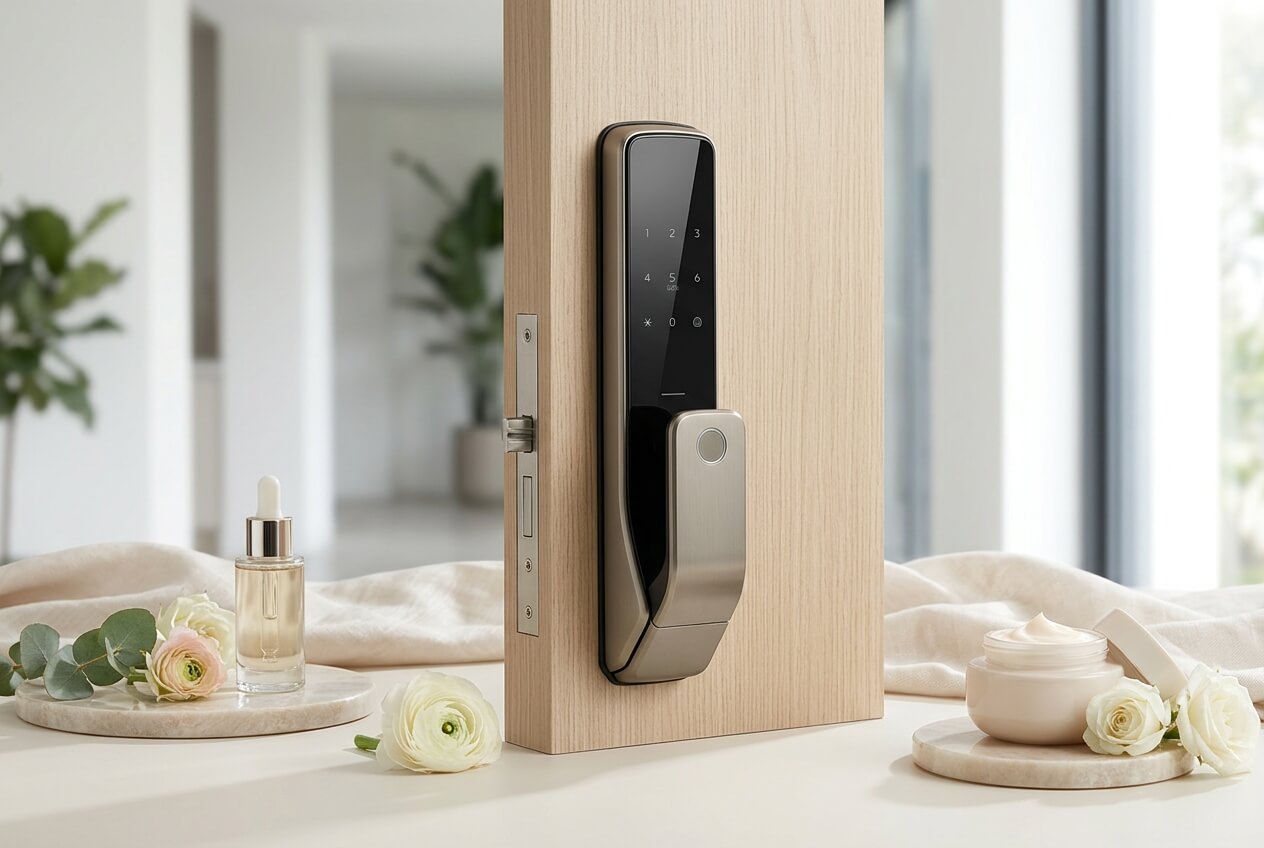
Evaluating Product Features and Supplier Criteria
Businesses carefully evaluate features such as unlock methods and app integration when sourcing smart locks. For instance, McKinsey (2023) highlights that 73% of B2B buyers prioritize app integration and remote access. Therefore, manufacturers integrating Tuya or TTLock ecosystems can enhance their appeal. Certification is crucial; ANSI/BHMA Grade 1 certification is necessary for 68% of commercial projects (BHMA, 2023). Purchasing managers should ensure suppliers, like KEYPLUS, offer robust support and reliable installations that meet international standards.
Compliance, Standards, and Technical Considerations
When sourcing smart locks, compliance with CE, FCC, RoHS, and ANSI/BHMA standards is non-negotiable. Certification ensures product quality and safety, crucial for import and export processes. Buyers should also consider battery longevity, door compatibility, and app ecosystems. Providing seamless integration with existing security systems enhances the operational aspect. Companies like KEYPLUS offer tailored project support and extensive documentation to mitigate potential hurdles during the import-export journey.
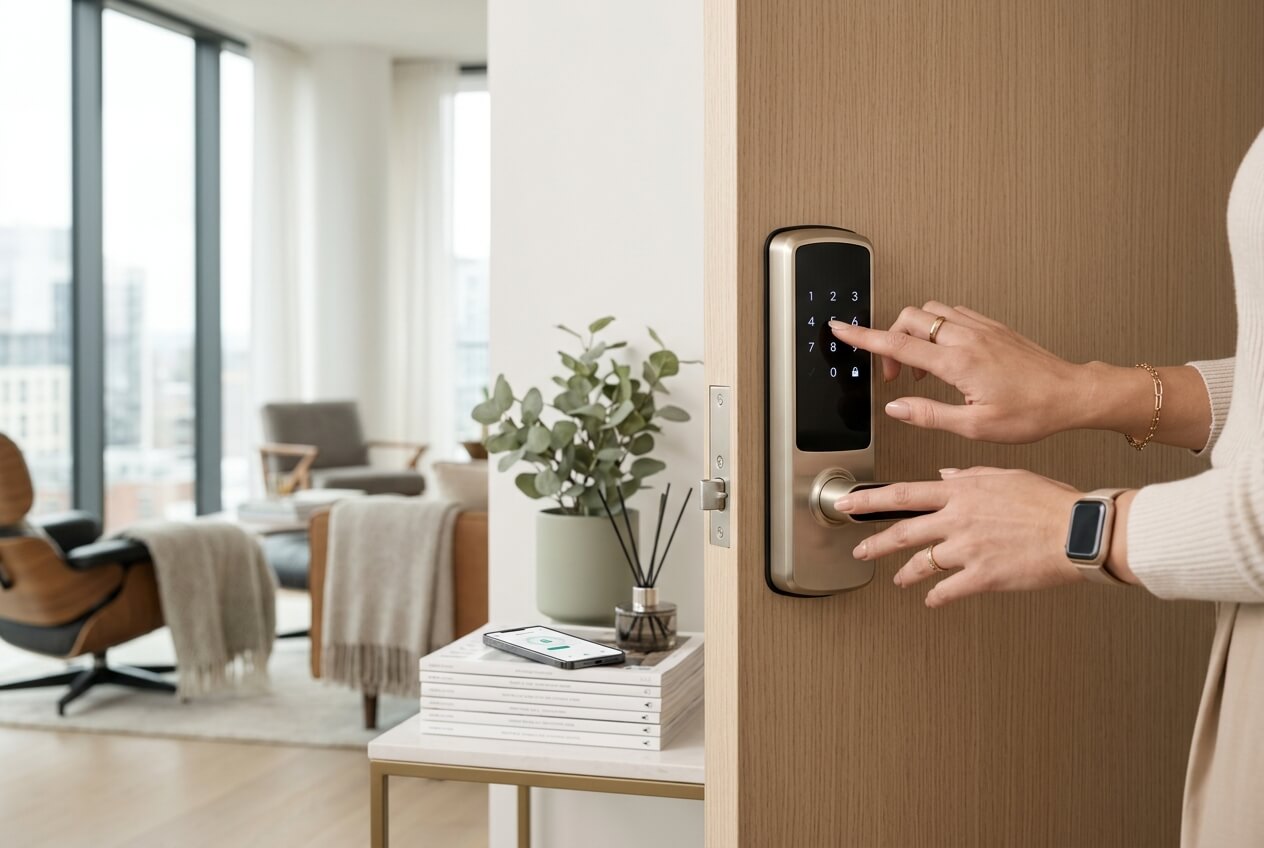
Choosing the Right Smart Lock for Your Application
Selecting an appropriate smart lock involves assessing application fit, whether for residential, hotel, apartment, or office projects. Considerations include compatibility with door types and the surrounding environment. Business owners should evaluate software ecosystems, like TTLock, which offer adaptable user management. KEYPLUS delivers customizable solutions catering to specific project needs, ensuring reduced return rates and consistent project delivery.
Sourcing Strategies and Long-term Partnership Value
Establishing a strong sourcing strategy involves identifying partners with OEM/ODM flexibility, competitive lead times, and low MOQs. Distributors and project contractors benefit from engaging experienced suppliers like KEYPLUS. Their ability to maintain stable quality, support certifications, and adapt solutions to market demands can reduce project risks and enhance go-to-market speed.
Frequently Asked Questions
Is it worth having a Wi-Fi door lock?
Yes, having a Wi-Fi door lock enhances your home or business’s security and convenience. According to McKinsey (2023), 73% of buyers prioritize these features for remote access capabilities. For high-value applications, Wi-Fi smart locks provide vital access control functionalities and operational insights through audit trails. Buyers should evaluate models with strong app ecosystems and certifications like CE and ANSI/BHMA to ensure quality and reliability, rather than focusing solely on cost.
What is the best WiFi-enabled door lock?
Industry research indicates an increasing demand for locks with seamless app integration and robust security features. As James Reynolds, Security Analyst, states: “A reliable WiFi-enabled lock should balance functionality with security.” For distributors, examining door lock models’ capability, such as KEYPLUS’s offerings that blend remote access with rigorous certifications, can improve their catalog’s competitiveness.
What are the disadvantages of a smart door lock?
Smart door locks can pose potential security risks if improperly configured. According to BHMA (2023), selecting products with comprehensive certifications helps mitigate these risks. Key factors include ensuring encryption standards in app ecosystems and understanding battery and connectivity dependencies. When sourcing, prioritize vendors offering post-sale support and documentation to troubleshoot technical issues.
Are Wi-Fi keyless locks safe?
Wi-Fi keyless locks are safe when equipped with updated security measures. Research from Statista (2024) shows the importance of compliance with security certifications, such as RoHS and FCC, for ensuring product integrity. For residential or complex environments like hotels, consider models that include temporary PIN features and audit trails for enhanced monitoring.
August Wi-Fi Smart Lock 4th gen review
Among WiFi smart locks, the August Wi-Fi Smart Lock 4th Gen stands out due to its strong app integration and compact design. Studies demonstrate enhanced compatibility with home networks and mobile devices. Consideration of standards like CE and RoHS, alongside user-friendly installation processes, are critical for ensuring a positive purchase experience.
August Smart Lock 5th generation release date
The exact release date of the August Smart Lock 5th generation remains speculative. Industry analysis shows that keeping products updated with cutting-edge technology can significantly impact market success. For businesses, aligning procurement with seasonal product launches can help mitigate inventory management challenges.

